
Has Ford Motor Co. finally found the formula to fix its long-running quality headaches? That just might be the case based on the latest J.D. Power Initial Quality Study. The Detroit automaker had a huge drop in “things-gone-wrong” this year, handily besting its mainstream rivals and nearly reaching the top of the IQS quality chart overall. Headlight.News has more.
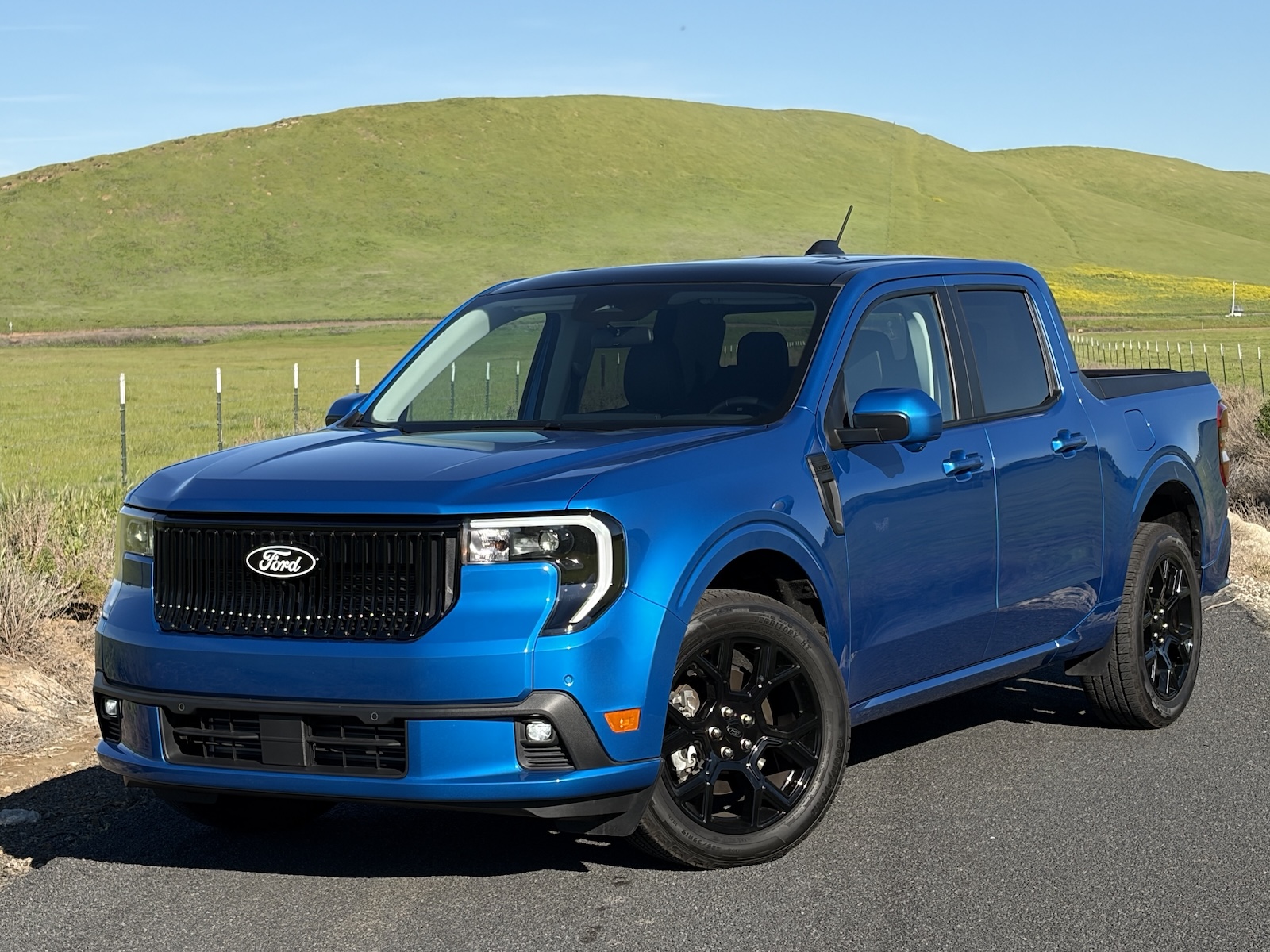
The 2026 Ford Maverick Lobo.
“Quality is Job 1,” or so claimed Ford Motor Co. in an ad campaign that lasted from 1981 to 1998. That may have been true back then but, in recent years, the Detroit automaker has been plagued with one quality snag after another, as well as safety-related issues that resulted in an industry-record 153 recall campaigns covering nearly 13 million vehicles last year.
So, the results of the latest J.D. Power Initial Quality Study has dropped like the proverbial bombshell on an industry that’s grown accustomed to hearing the latest Ford snag.
According to the 2026 IQS – a closely watched study of “things-gone-wrong” with vehicles during their first 90 days of ownership – Ford handily topped all other mainstream brands. And it came in within a hairsbreadth of being second overall behind IQS leader Porsche and second-ranked Genesis.
Things-gone-wrong, things-gone-right
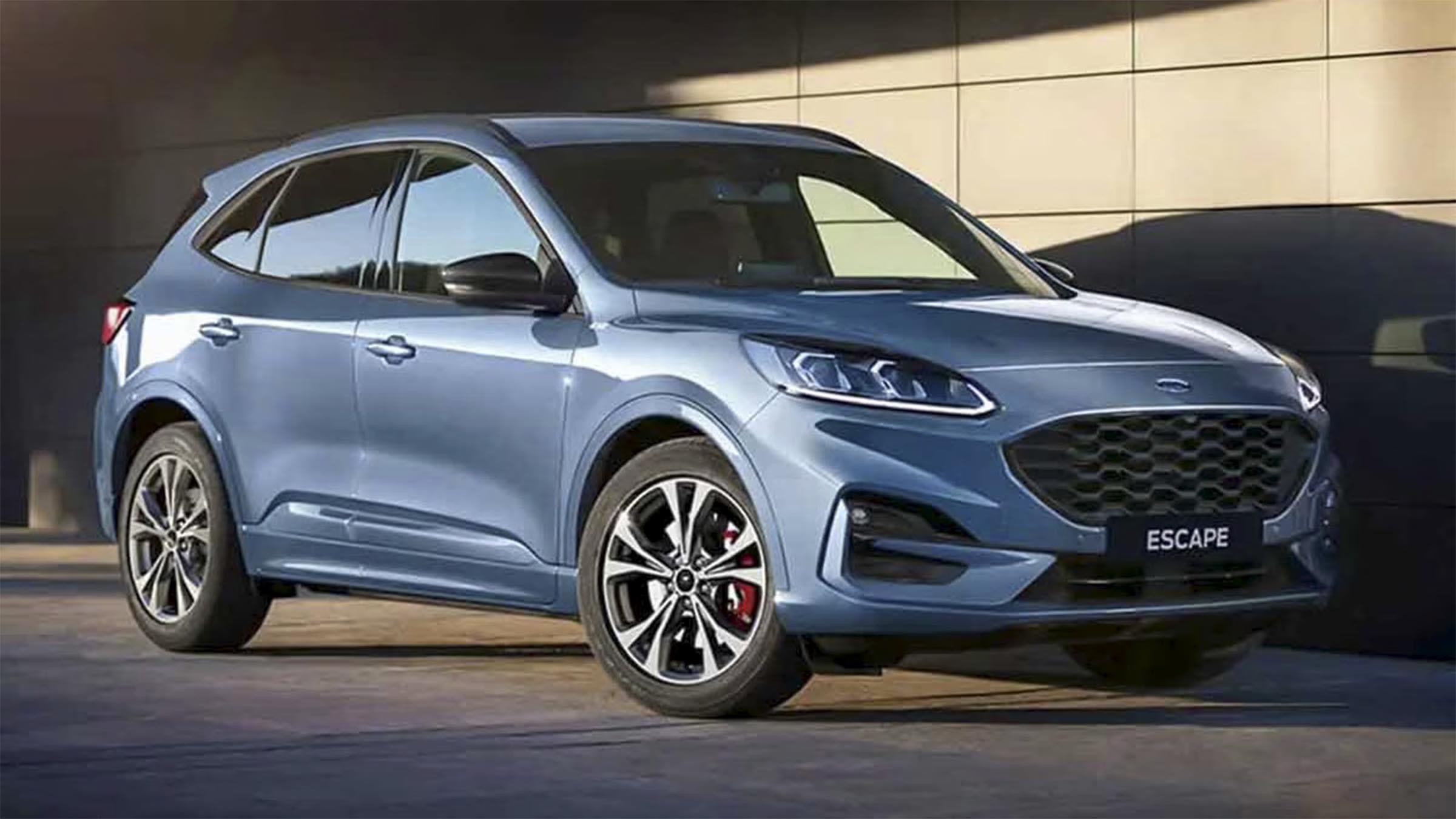
Among earlier problems: Ford Escapes were targeted by multiple recalls to fix potential fire hazards.
Now in its 40th year, the Power IQS looks at the problems owners report with their new vehicles, everything from glitchy navigation systems to faulty transmissions. Each automaker is scored on the number of problems they experience for every 100 vehicles. In Power-speak, that’s PP100.
Overall, there was a significant improvement across the industry, manufacturers averaging 175 problems per 100, compared to 192 last year. That’s the best year-over-year improvement Power has seen since 1997. As has been the long-running norm, luxury vehicles had fewer problems, on average, at 169 PP100, compared to 177 for mainstream brands. (But the gap has closed in recent years, in part because luxury models often have more glitch-prone technology onboard.)
“The biggest gains in quality come from features that are easy to use—simple controls, less-intrusive driver assistance and software that works the way customers expect,” said Frank Hanley, Power’s senior director of auto benchmarking. “When technology becomes too complicated, the likelihood of customers experiencing a problem rises considerably.”
The winners
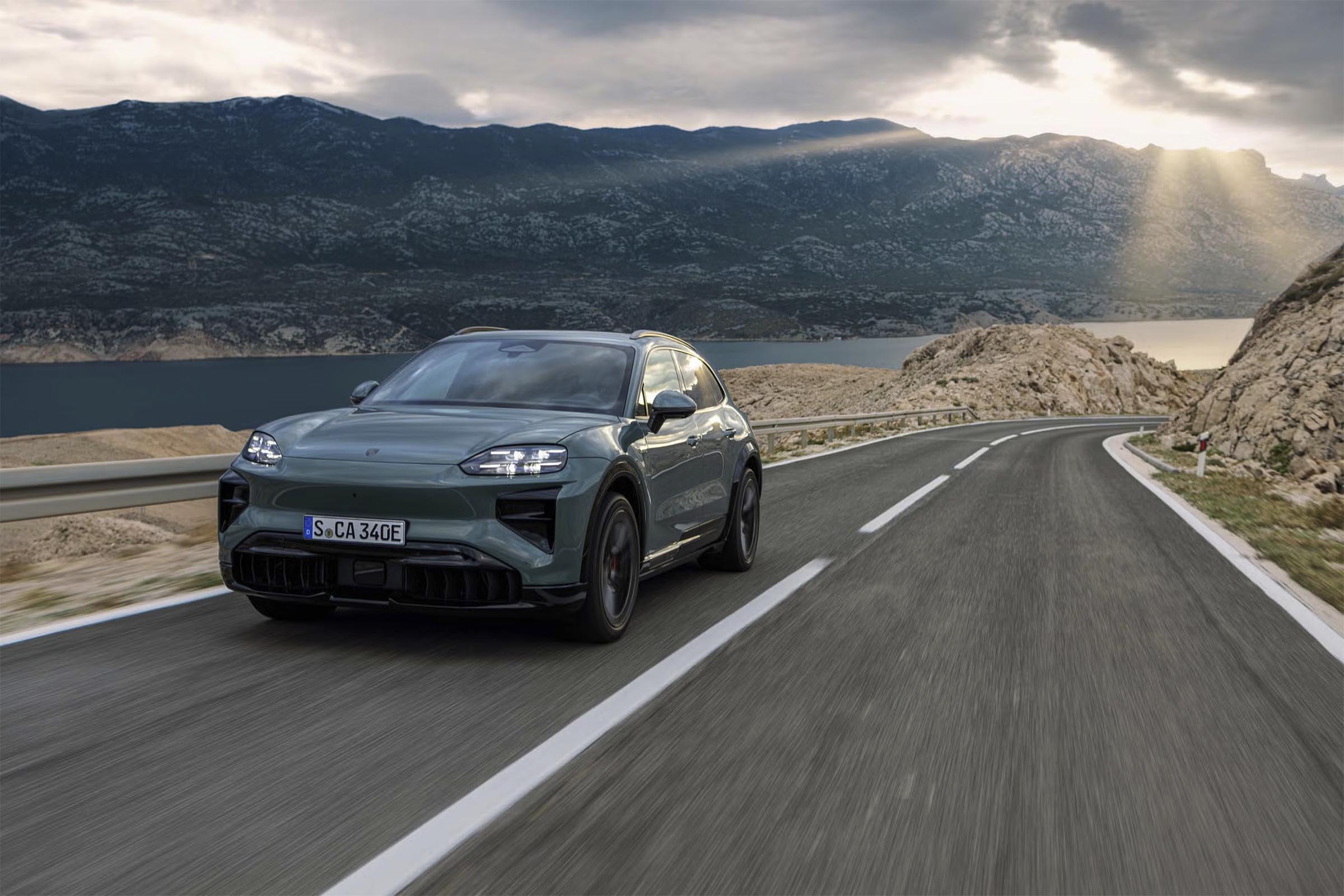
Porsche remained number one overall in the 2026 Power IQS.
Porsche once again topped the IQS chart overall, with just 138 problems per 100, followed by Genesis at 151 and Lexus at 1156.
The shocker: Ford owners reporting an average 152 problems, just short of tying Genesis. That’s down from 194 PP100 in 2024 and 175 last year. As recently as 2024 Ford was 15th among mainstream brands.
Power divides up its study into 10 categories. Ford improved in all but one, Infotainment. Even so, it still was 11 points above the average among mainstream brands. What seems to have really helped the automaker was addressing powertrain reliability. Over the past decade Ford was hit hard by issues like faulty dry clutch transmissions and fuel leaks which appear to have been addressed this past year.
More Auto News
- Review: A Week With Toyota’s “Final Edition” Supra
- Next Hyundai Elantra Gets a Radical Makeover
- Feds Ban Polestar from U.S. Market as of 2027 Model Year
An albatross around Farley’s neck
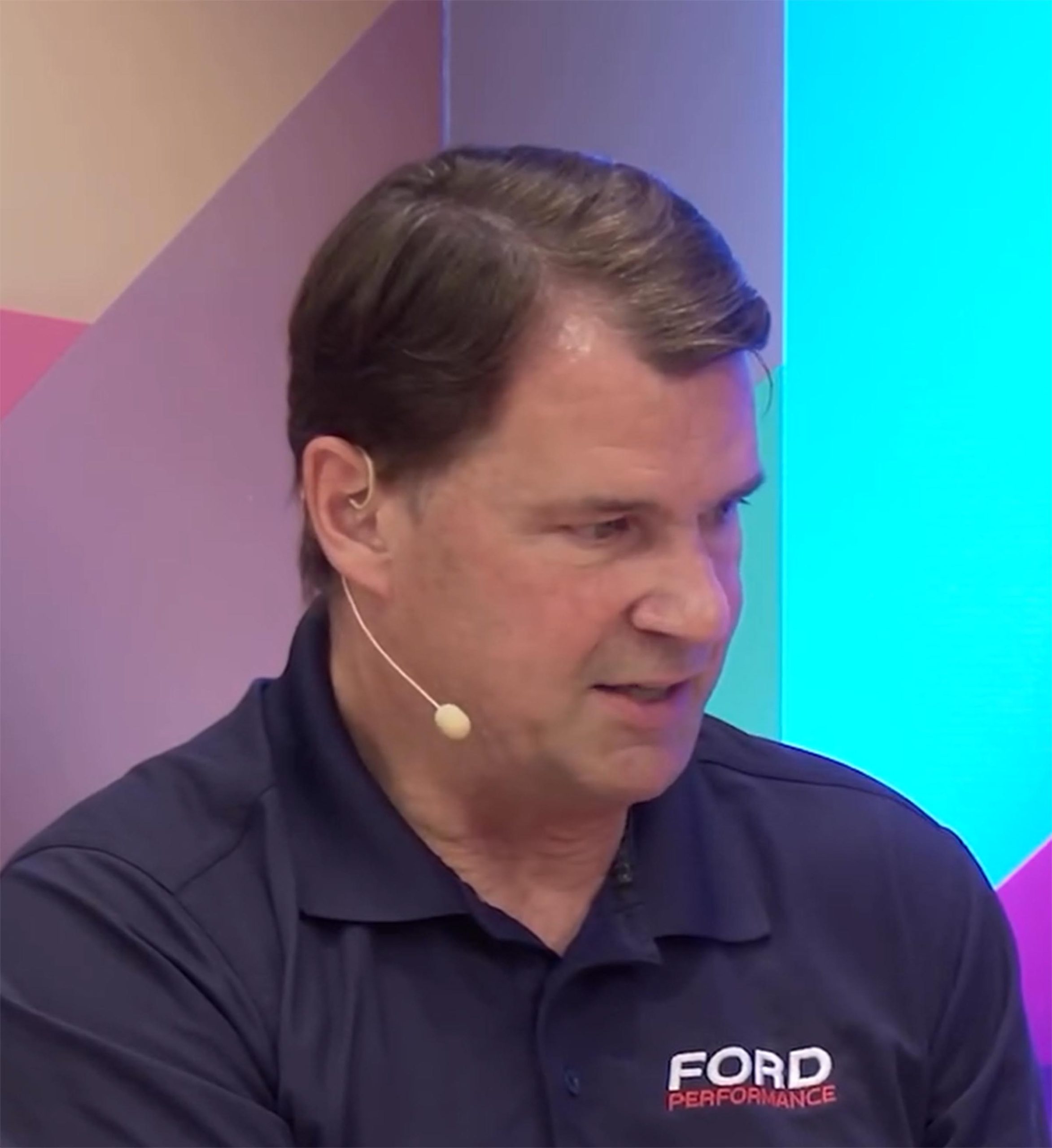
Ford CEO Jim Farley has made quality a career-defining goal.
Ford’s quality problems have hurt the company in a variety of issues. The company said it spent about $10 billion on warranty fixes and recall-related repairs last year. Those issues – including the widely publicized recall record – translated not only into higher costs but lower sales. Loyalty rates among existing owners fell, a particularly big issue because the industry mantra is that you spend about 11 times more to win a new buyer compared to the cost of maintaining an existing customer.
Quality issues have been an albatross around the neck of CEO Jim Farley ever since he took on that role in October 2020 – some analysts questioning how much longer he could survive if the problem wasn’t addressed.
“This is a proud day for everyone at Ford, and the result of years of intensive work across our company,” Farley said in a statement responding to the 2026 IQS results. “Many doubted that an American company with a huge American workforce could compete with the world’s best on quality, let alone reach the top. But we put our heads down and worked together every day to deliver for our customers. Today, Ford is not only the most American automaker but also the gold standard for new vehicle quality.”
What has Ford done
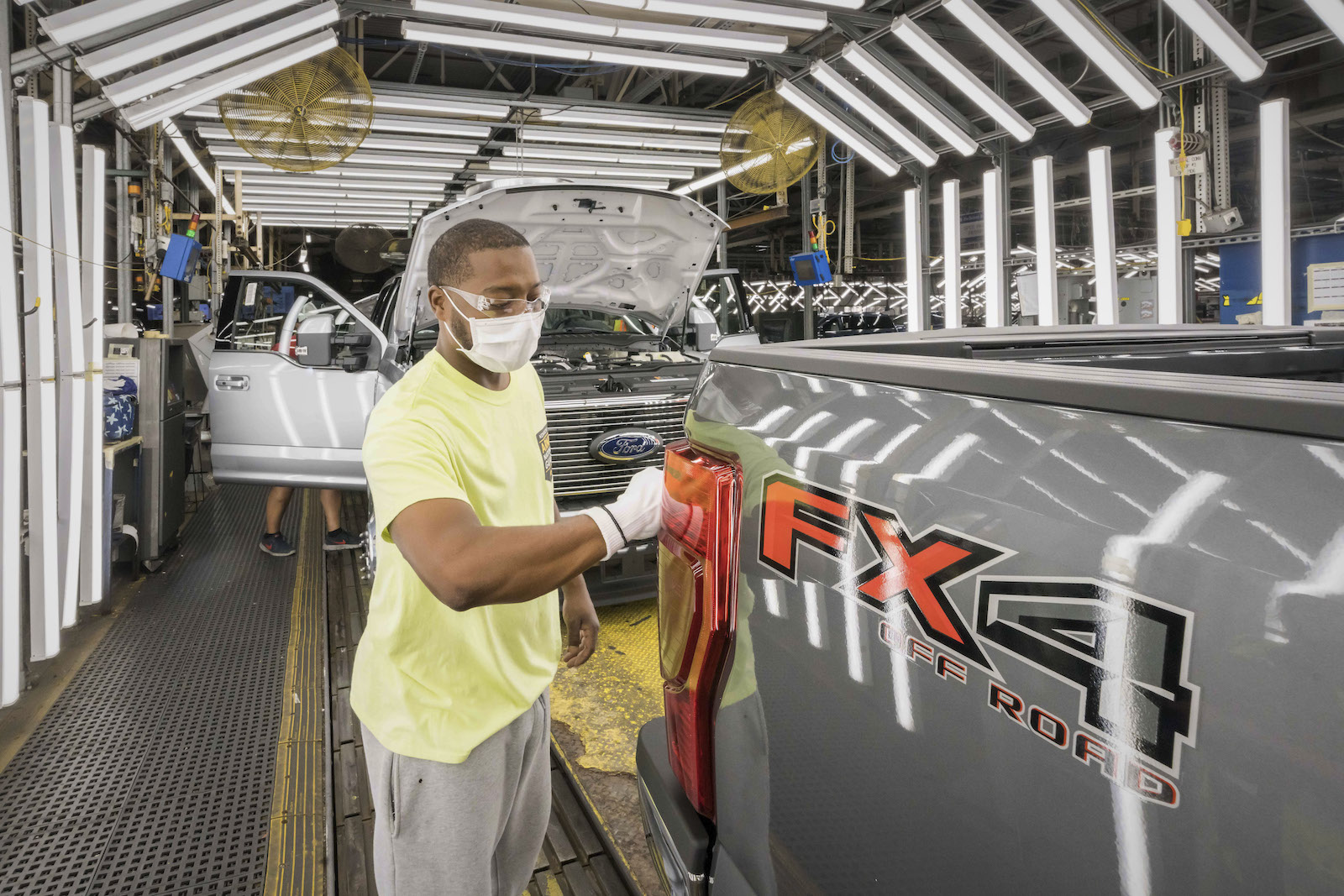
A workers checks a pickup for potential paint and body issues at Ford’s Kentucky Truck Plant.
Ford has tried a variety of fixes over the years, turning to robots, offering bonuses and ousting managers who couldn’t deliver. It also adopted an AI-centric strategy hoping that would help it spot and prevent problems before they rolled out of the plant. That included AI-powered cameras along the assembly line intended to “detect quality issues at the source,” according to Chief Operating Officer Kumar Galhotra.
It didn’t work nearly as well as expected. So, Ford began rehiring veteran quality inspectors, about 350 in all at its plants across the U.S.
“Artificial intelligence is a fantastic tool, but it’s only as good as the information you use to train it,” Charles Poon, vice president of vehicle hardware engineering, told reporters in a briefing.”Over prior years, we didn’t pay as much attention as we should have to the experience of our most knowledgeable engineers that have been with us through many product cycles.”
Not there yet
Not all the quality problems Ford faces are of its own making. It has to depend on suppliers for a significant amount of parts, components and software. That’s been a problem for the broader industry, especially impacting high-tech systems, such as the backup cameras that have triggered recalls impacting millions of vehicles from a variety of brands.
Ford can’t rest on its laurels. The IQS only measures problems that crop up during the first three years of ownership. A look at last year’s record list of recalls shows that the vast majority involved vehicles that had been on the road longer than that, noted Erin Keating, the lead analyst at Cox Automotive. And that’s reflected by the fact that Ford has still recalled about 9.8 million vehicles so far this year. Though there were fewer individual recalls the average could mean the company is on pace to set a new record for the number of vehicles involved in a single year.
Getting its IQS numbers in order is “a step in the right direction,” said Keating, “but I’m not sure it’s enough to get them clear of overall quality issues.”



0 Comments