
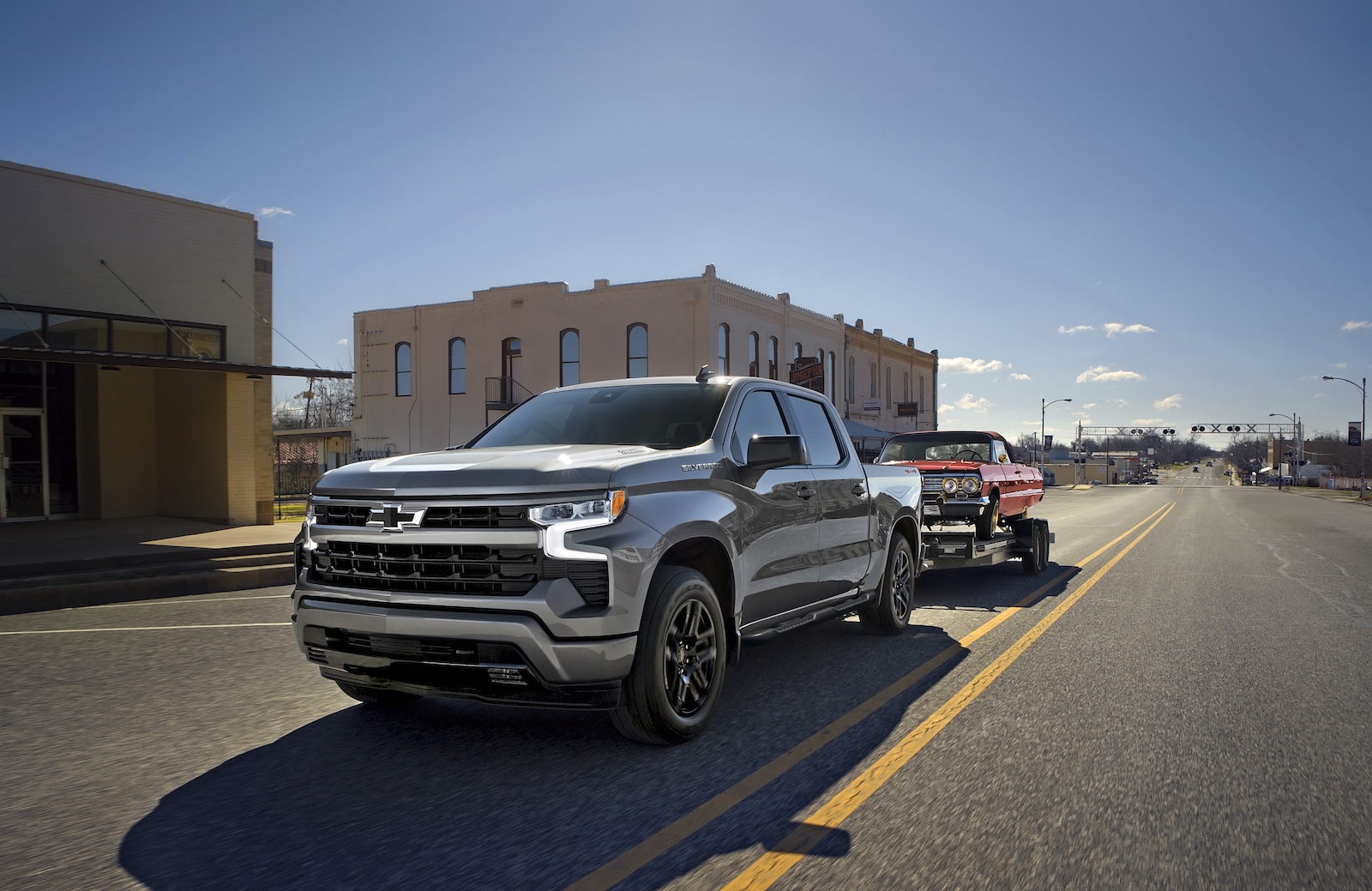
General Motors is getting ready to roll out an assortment of hybrid models, starting early next year. It will initial target some of its most fuel-hungry products, such as the Chevrolet Silverado, before expanding across a broader array of models. More from Headlight.News.

Expect to see hybrid versions of a variety of GM products, including the Chevrolet Equinox.
After betting big on what its CEO has repeatedly described as a “path to an all-electric future,” General Motors is making some major changes to its electrification plans, writing down billions on EVs, while moving dollars to add a broad range of hybrids to its U.S. line-up.
The Detroit giant currently offers only two gas-electric models, both high-performance versions of the Corvette. But CEO Mary Barra revealed this week during a third-quarter earnings call that GM will begin adding “hybrids (to) our portfolio in multiple segments, the key segments that we participate” in.
The first of those are expected to go into production early next year, Headlight.News has learned. And that could prove a critical advantage since the technology will first appear on some of the automakers must fuel-hungry product lines, including the Chevrolet Silverado, GMC Sierra and Cadillac Escalade.
Playing Catch-Up
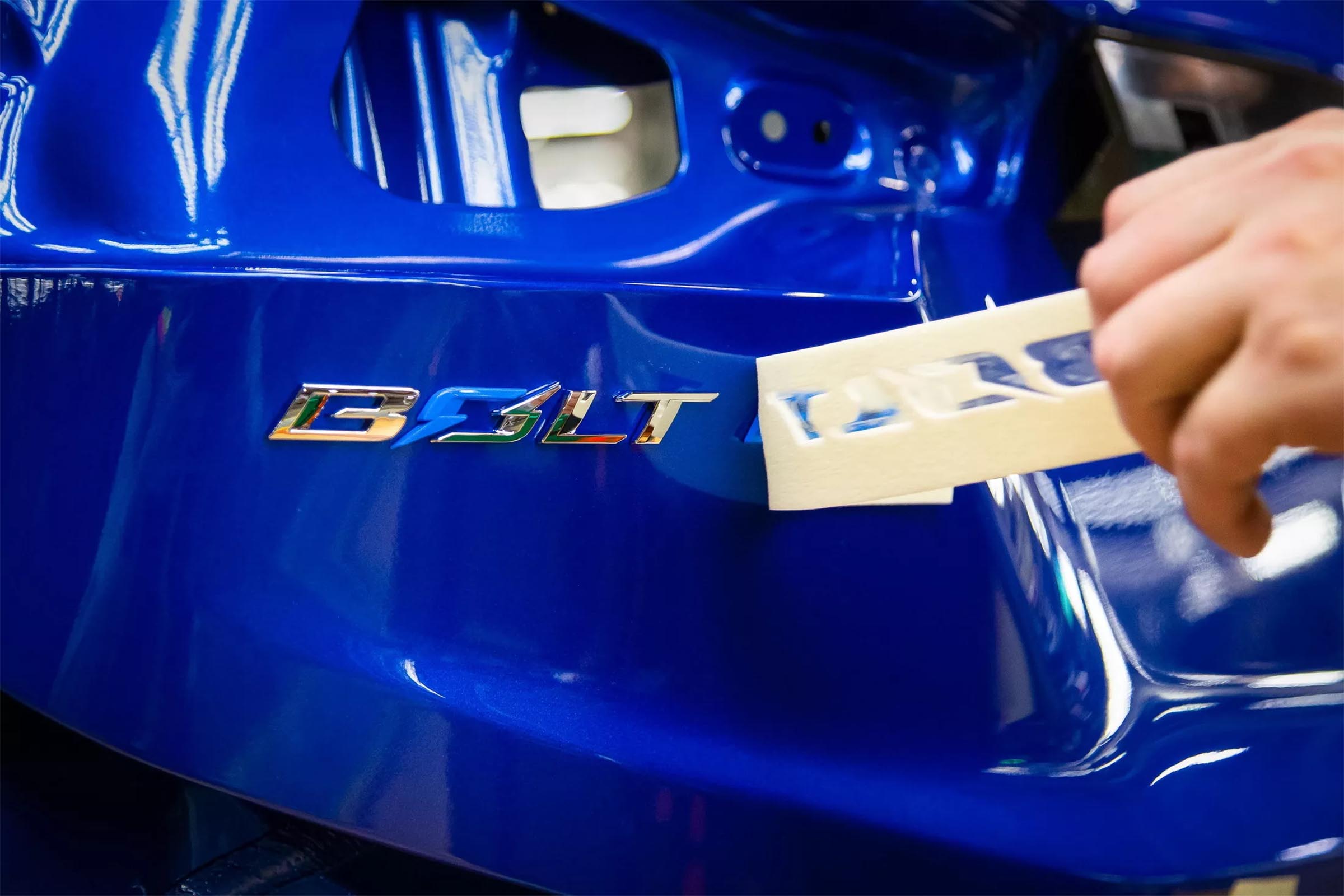
The Chevy Bolt is back – but it’s generating only marginal sales as the EV market has gone into a slump.
As the decade got underway, GM made one of the biggest commitments of any manufacturers to battery-electric vehicles. It currently offers the technology in an array of mainstream, luxury and work vehicles – from the little Chevrolet Bolt crossover to the big Chevy Silverado EV pickup, as well as the luxurious Cadilac Escalade IQ. But sales have flattened out since Congress phased out federal EV tax credits last year and GM is having to adapt to a very different market.
It’s not that American motorists are completely turned off to electrification. Quite the contrary. If anything the Iran War – and the energy crisis created by the closure of the Strait of Mormuz – has resulted in the most significant shift in buyer behavior “since the Mideast oil crises” of the 1970s led to the creation of the Corporate Average Fuel Economy nearly five decades ago, Steve Kosowski, chief U.S. strategy officer for Kia told Headlight.News.
A full 31% of the vehicles sold by the Korean automaker in the U.S. were hybridized in September, he noted. Meanwhile, the figure reached more than 50% for global giant Toyota. For GM, however, the figure was barely more than an asterisk on the sales charts.
A rapid turnaround
GM was actually one of the earlier players in the hybrid segment thanks to an unusual joint venture pairing it with erstwhile rivals Fiat Chrysler and BMW. The two-mode hybrid system that emerged from that project debuted in the 2010 model year. But it faced a variety of technical problems and failed to generate much market momentum.
Today, GM offers only two hybrids, both versions of the Chevrolet Corvette, including the ZR1X, the most powerful ‘Vette ever produced, pumping out 1,250 horsepower. But, as that would suggest, sales are even more modest than what GM achieved with the old two-mode hybrid.
Until recently, CEO Barra insisted GM would stay the course, focusing solely on EVs. But, as the battery-electric model started to short-circuit, Barra announced last year That the automaker would go with a compromise technology, introducing plug-in hybrids for its largest body-on-frame models, such as the Silverado.
More Auto News
- These 29 Models Are Going Away in 2027
- First Drive: Kia EV3 is the Affordable EV We’ve Been Waiting For
- All-Electric Jaguar Type 01 Debuts in NYC
Another shift
That move also seemed to miss the market, said Sam Fiorani, chief strategist for AutoForecast Solutions. Despite many industry experts looking at PHEVs as “the bridge to an all-electric future,” he told Headlight.News, they’ve filed to gain any real traction. They’ve accounted for roughly 1.5% of total new vehicle sales this year, according to the U.S. Energy Information Administration.
As with pure EVs, “the incentives for plug-ins all but disappeared” when tax credits covering EVs and PHEVs ended in September 2025, said Fiorani.
While conventional hybrids don’t get incentives, either, the fuel savings have clearly connected with buyers, especially at a time when gasoline costs have risen to near-record levels. It also helps that today’s hybrids don’t require the sort of sacrifices of early models, such as the original Toyota Prius. With some models, such as the newly launched Kia Telluride Hybrid, the gas-electric packages are the most powerful powertrain options.
What’s coming?
The first of the new generation of GM hybrids will be offered on models riding on the automaker’s next-generation T1XX platform, said Fiorani. It’s a full-size body-on-frame architecture used for such models as the Chevrolet Silverado, Suburban and Tahoe, the GMC Sierra and Yukon and the Cadillac Escalade.
It will then roll out hybrid packages for a variety of midsize and smaller models, a collection of products expected to include some of its most popular SUVs and CUVs, such as the Chevy Equinox.
Industry sources have suggested GM may yet introduce some PHEVs, but the new emphasis is believed to focus on conventional HEVs – and for good reason. They reached a 16% market share during the third quarter of 2026 and many analysts expected to see that reach 20% by 2027 – the key being availability. Most manufacturers are now racing to expand production plans, GM doing so by, among other things, increasing the production capacity for Equinox. Currently built in Mexico, it will shortly add capacity at its Fairfax, Kansas assembly plant.
0 Comments