
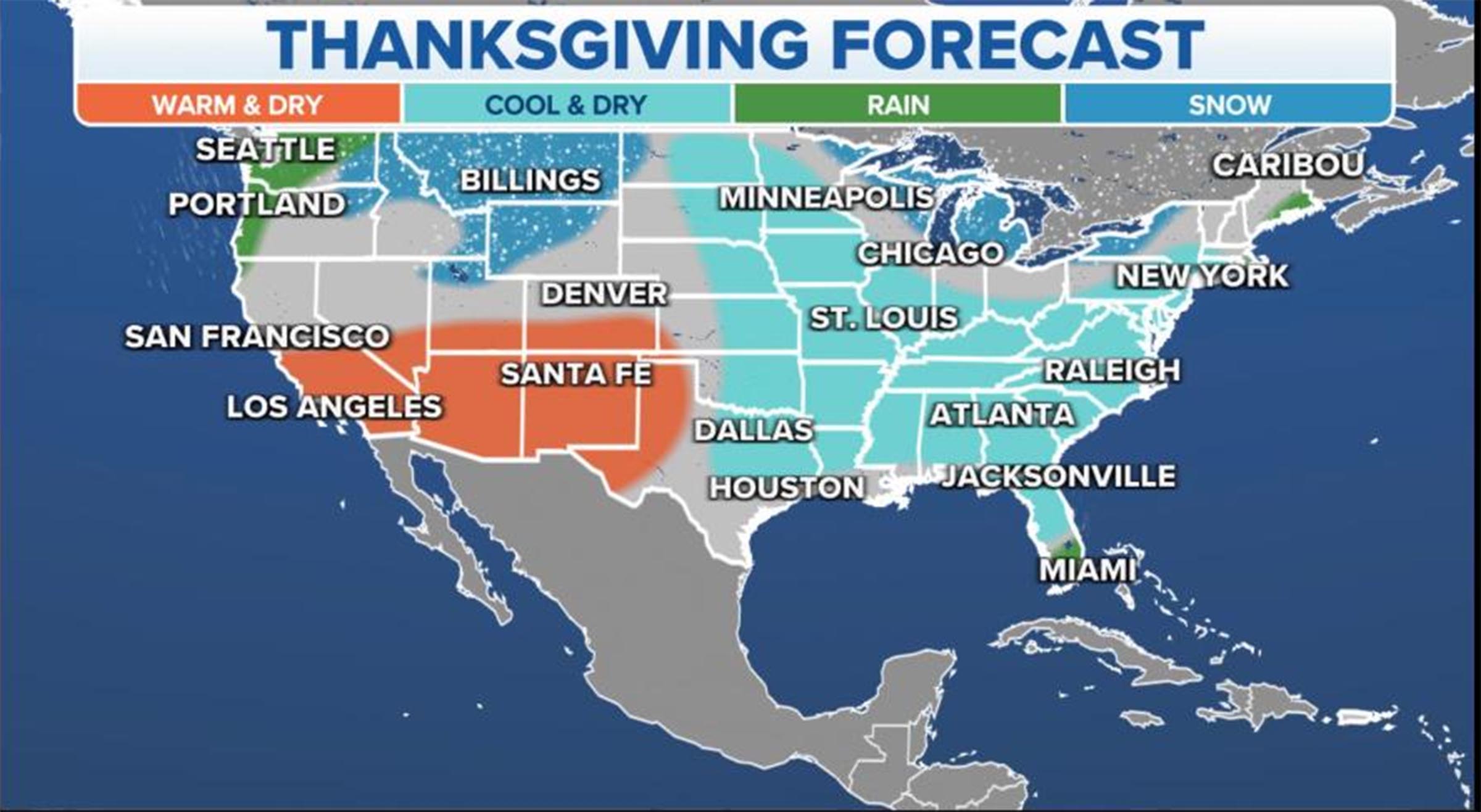
With this year’s “super” El Nino creating weather havoc, severe winter storms are expected to hit much of the U.S. over the Thanksgiving holiday weekend. If you’re one of the 73 million Americans expected to travel by car, here are some tips to stay safe on the road.
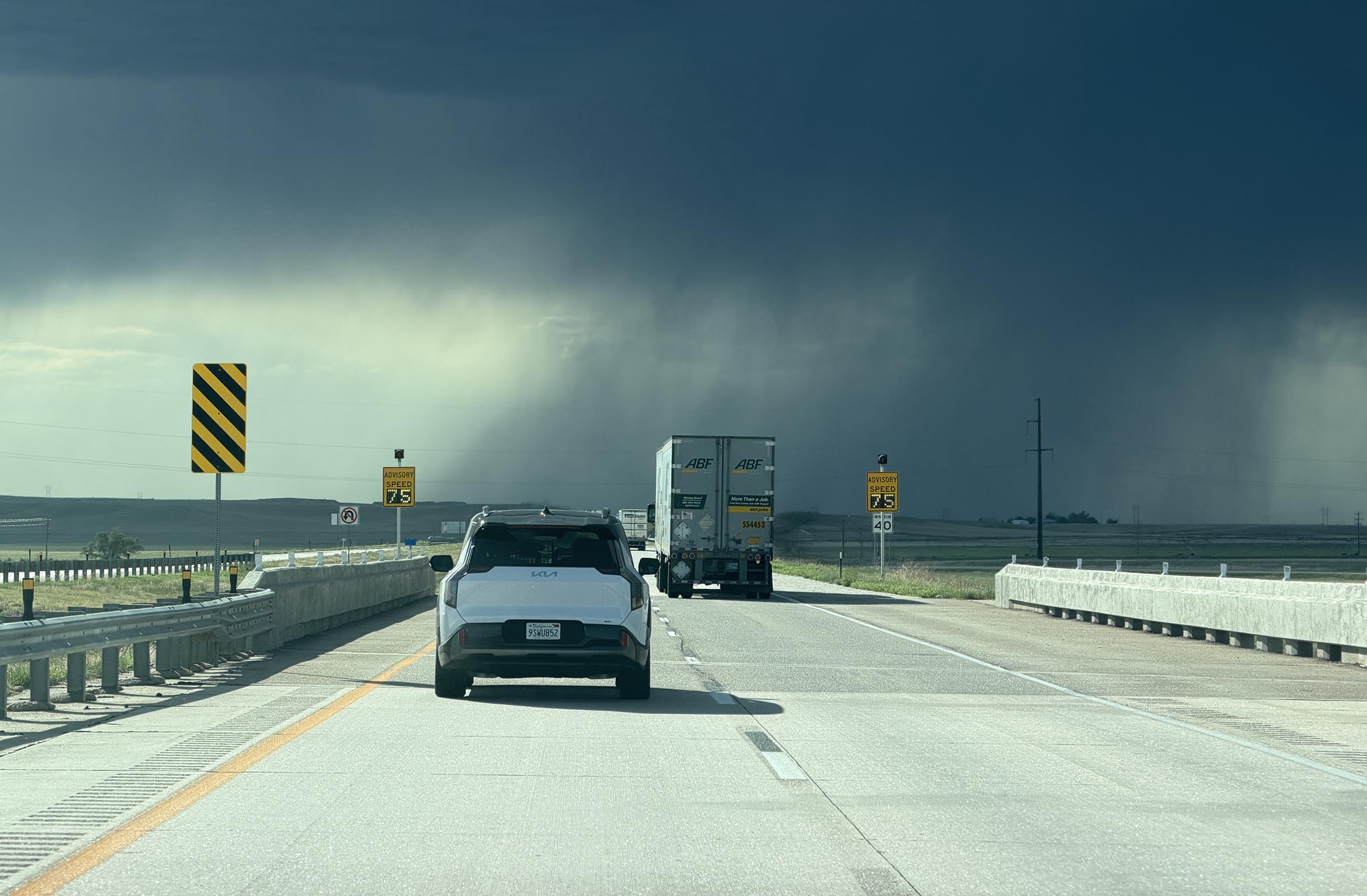
Nearly 73 million Americans will drive 50+ miles over the Thanksgiving holiday.
Just in time for Thanksgiving, forecasters anticipate much of the country will face storms, whether snow, rain or sleet, over the long holiday weekend.
That’s bad news for the 72.9 million Americans expected to travel more than 50 miles by car to catch up with family and friends – or to simply get away – reports the AAA. Considering much of the country has so far faced a mild autumn, many motorists haven’t really thought about the challenges they could run into on the road as they face winter driving conditions.
Short of canceling or delaying travel plans, here are some tips that can help make your trip less risky.
Prepping your car
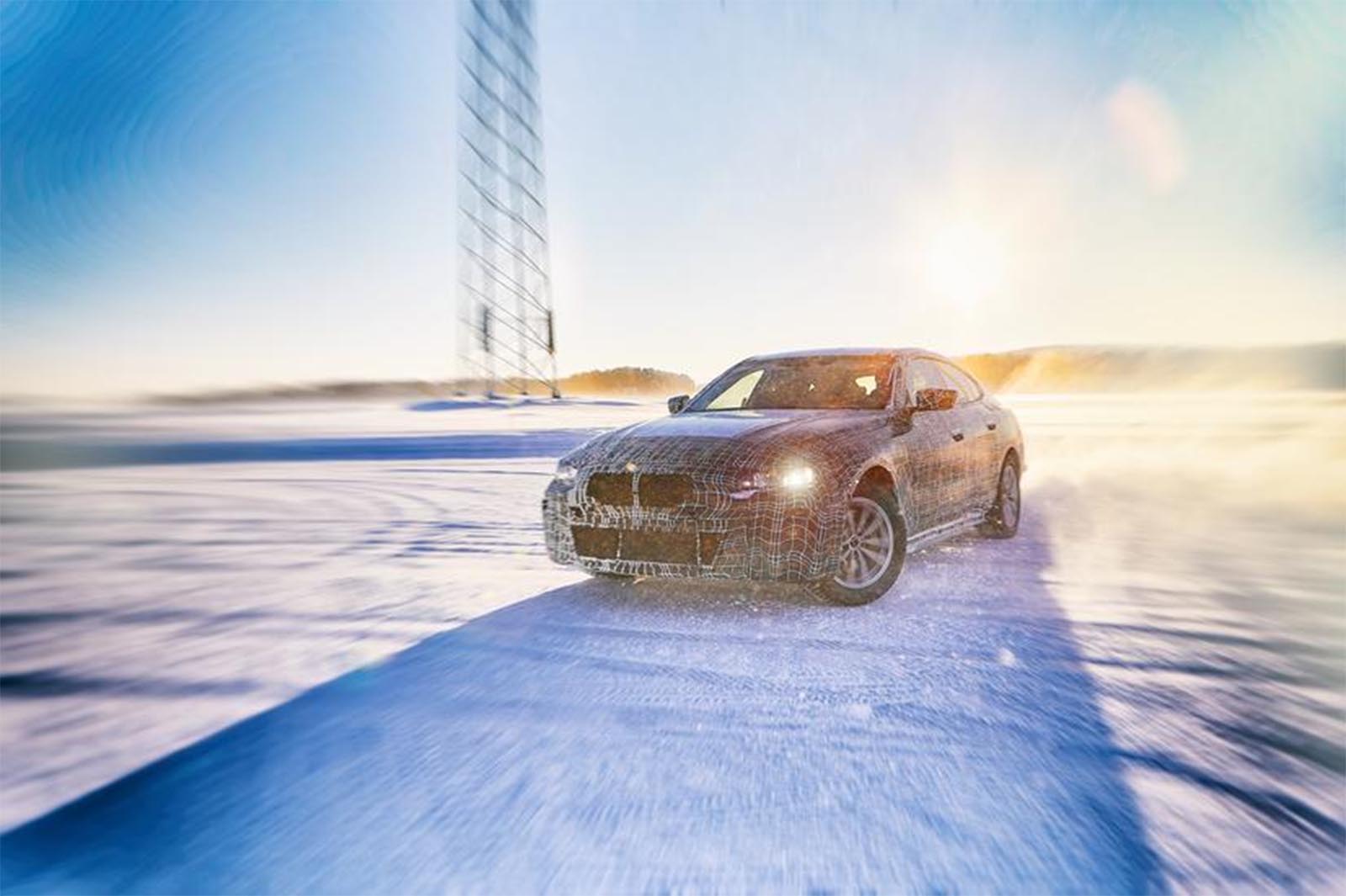
Having the right tires on icy roads can make a big difference.
The first step is to get your car prepped for winter.
- Dead batteries account for as much as 40% of the service calls AAA reports it receives during the winter. And on particularly cold days, or during holidays, that could leave you stranded for quite some time. Replace older batteries and look for warning signs like slow cranking on cold morning;;
- Check your tires: are the treads worn down? It may be time to replace them before you get on the road. And be sure they’re properly inflated. You’ll find the correct pressure information in both your owner’s manual and a sticker inside the driver’s door jam. Under or over inflated tires are more prone to problems, including loss of traction and the risk of a blowout. They also reduce fuel economy.
- Are you driving on the right tires? If you’re facing snow it may be time to replace summer rubber with some of the new winter and ice tires offered by manufacturers like Bridgestone and Michelin. They offer significant improvements in traction on slick surfaces
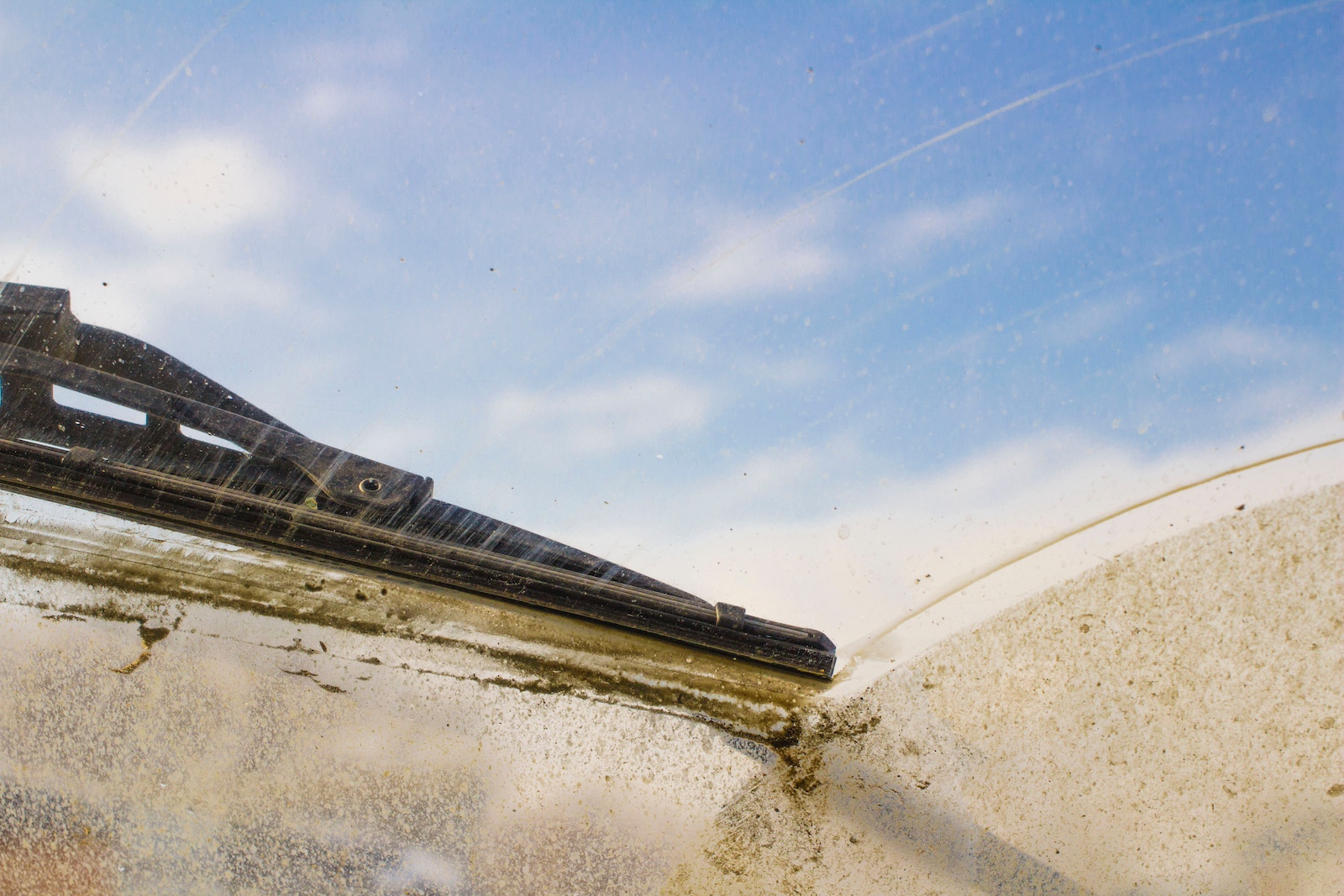
- Replace worn wipers. They can leave streaks and smears once snow starts falling, especially once road crews begin putting down salt.
Fill up the fluids
-
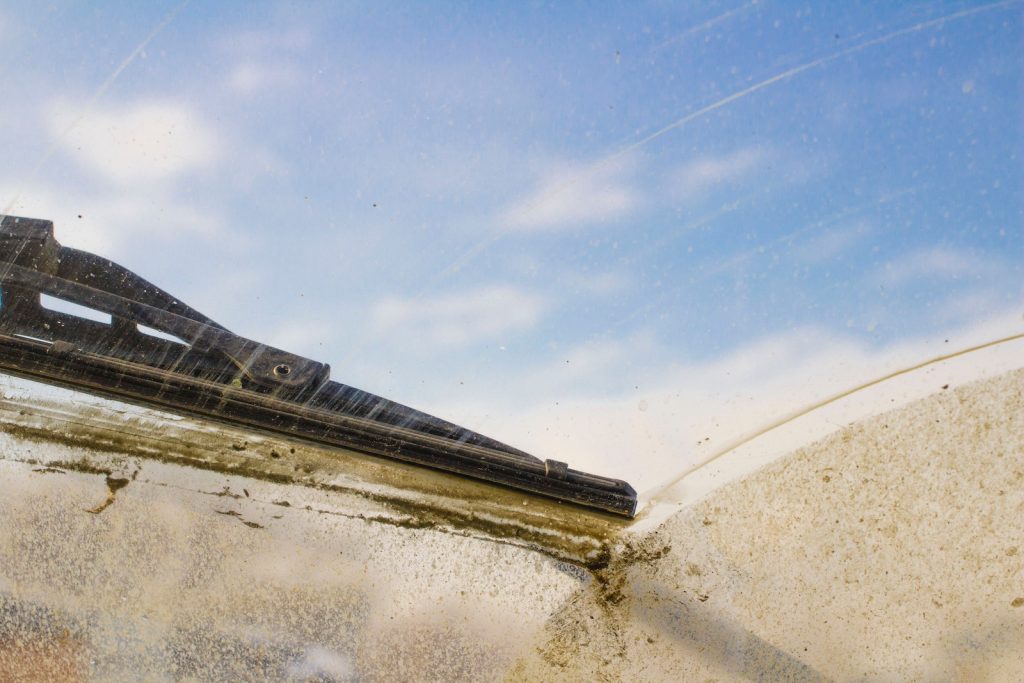
Bad wipers and a lack of washer fluid can make winter driving treacherous.
When it comes to wipers, you should also make sure that you’ve topped off your windshield washer fluid. Few things are worse than struggling to see through a windshield covered with salt and road grime;
- Some motorists also use “hydrophobic,” or water-repellant coatings, such as Rain-X to get rain, snow and sleet to quickly slide off their windshields;
- Make sure you’ve got enough antifreeze in the radiator. If you aren’t sure, especially if it’s been a few years since you topped off, it’s time to check. Your local service shop can let you know if you need a little more. They can also spot worn belts and hoses;
- Smart drivers know routinely change their oil. But you may not realize that there are different grades of that black gold. The wrong viscosity can make it harder to start on cold days and increase wear on the engine. Your owner’s manual will advise you on what grade oil is needed, though most modern vehicles require 5W-30 and even 0W-30 in cold climates.
More Auto News
- These 29 Models Are Going Away in 2027
- These Are the Hottest New Models for 2027
- 2027 Hyundai Elantra Debuts at LA Auto Show
Steady as she goes
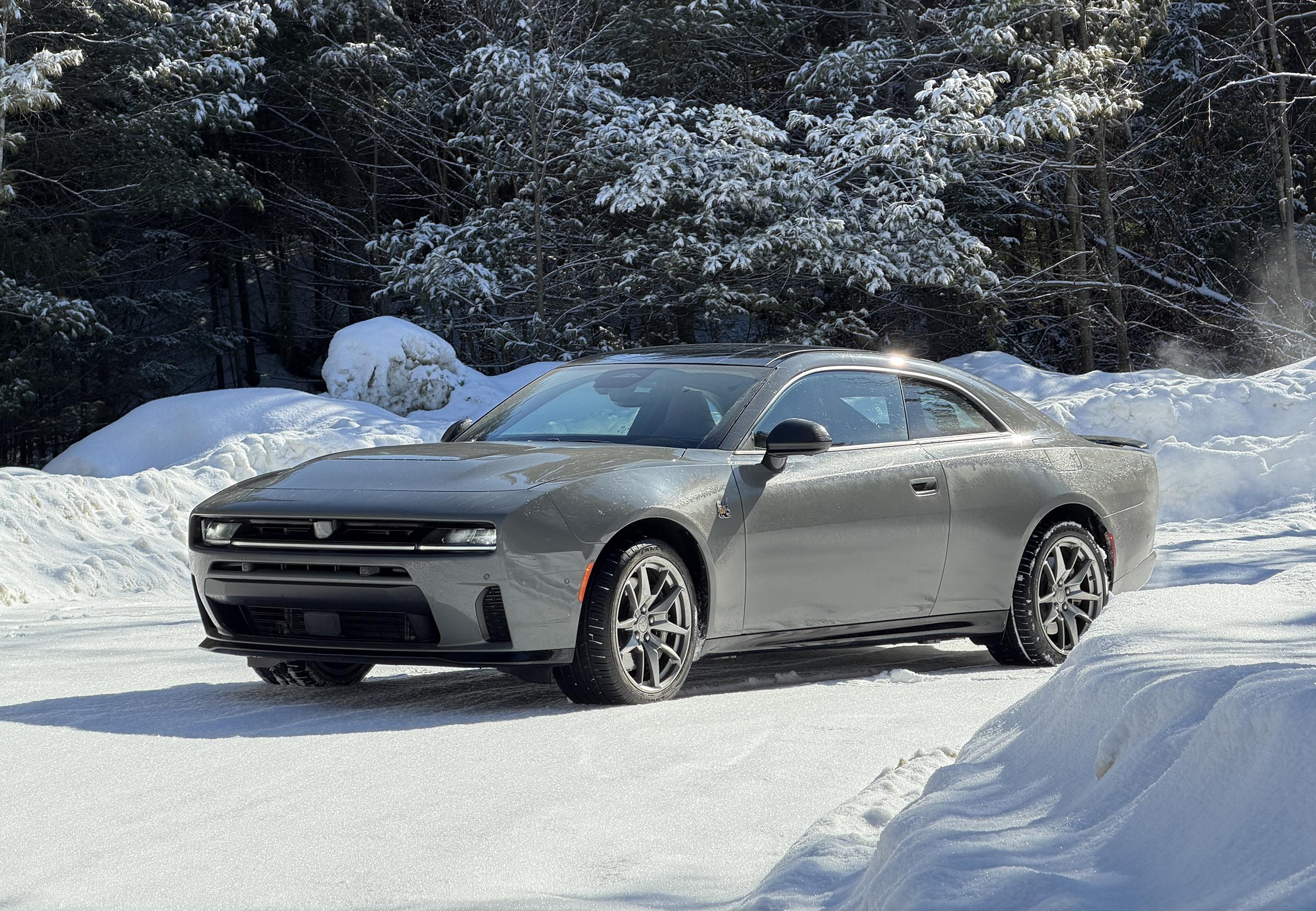
Your car may have AWD but that doesn’t ensure you’ve got good traction.
That might be a mariner’s phrase but it will prove just as apt if you’re on the road when the skies open up. Whether rain, sleet or snow, road surfaces get slick, sharply reducing traction. According to the Michigan Department of Transportation you’re twice as likely to have a crash on a wet road.
- Slow it down. Better to take an extra few minutes to reach your destination than not get there at all. The Thanksgiving holiday is one of the deadliest periods on the road, according to the National Highway Traffic Safety Administration. The National Safety Council estimates there will be 426 fatalities over the long weekend. Please don’t be one of them;
- More than 62% of the vehicles on the road as of the second quarter of this year were equipped with all- or four-wheel-drive, according to Experian’s Automotive Market Trends Report. That makes many drivers over-confident. But even AWD and 4WD can’t ensure traction on slick – and especially icy – roads. So, slow down and avoid sudden turns, acceleration or braking maneuvers.
- Recent studies by Autoinsurance.com and other sources have found 47% of drivers admitting to reading or sending texts while behind the wheel. Federal data shows that distracted driving – which can also include using handheld phones – is responsible for at least 10% of fatal crashes. Considering the challenges faced on winter roads, the percentages can run ever higher in storms.
Pack for the worst

When driving in winter you need to be prepared for the unexpected.
You’ve likely jumped into your car wearing only a light jacket or windbreaker when running a quick errand. That might be acceptable around home but you don’t want to be caught out on a distant highway, the car stuck in a snow bank, unprepared.
- Pack the right clothes to cope with the worst weather you might run into. And it doesn’t hurt to carry extras, like spare socks or shoes. Water conducts body heat 26 times faster than air, as anyone who has gotten soaked while dealing with a vehicle stuck in slush or snow can attest to;
- It’s a good idea to pack an emergency kit that includes flares or reflectors, battery charging cables, a flashlight – and spare batteries – water, energy bars and a phone charger. Add one of those lightweight thermal blankets that can help you maintain your body heat if your car is stuck or broken down.
Parents should also make sure they have extra supplies on hand for their children, especially younger ones who will have a harder time dealing with an emergency. And for the youngest, make sure they’re in proper car seats or booster seats that are correctly installed.
This may seem like a long list but if you properly prepare in the days or weeks before heading out on the road you significantly reduce your risk of having family and friends become highway statistics.


0 Comments