
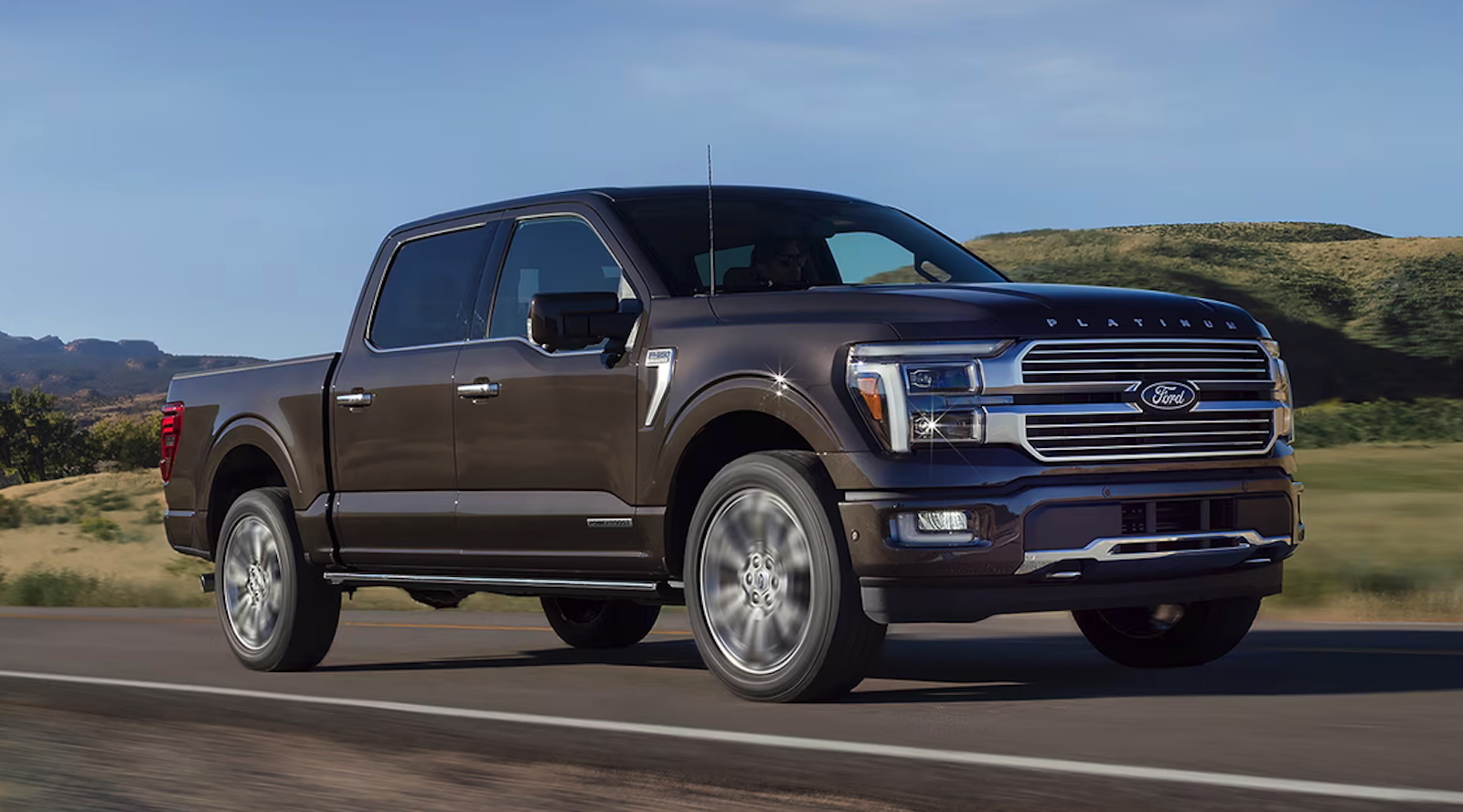
Ford Motor Co. is recalling more than 4 million pickups and SUVs due to a software glitch that can cause their brakes to stop working and turn signals to fail, along with other exterior lights. The problem underscores a new study that finds software-related problems have become one of the industry’s biggest headaches. More from Headlight.News.
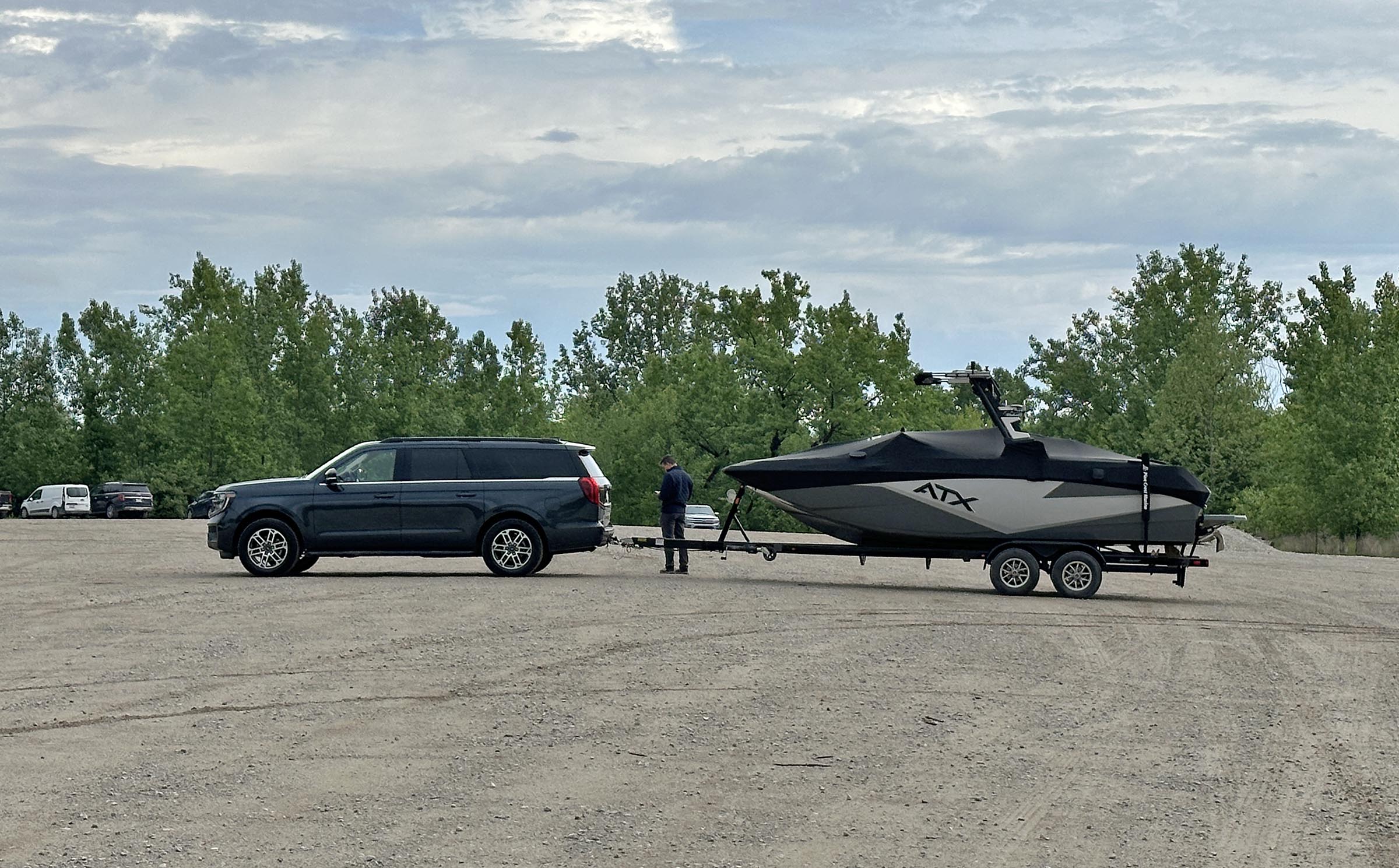
The 2025 Expedition’s trailer tow system can fail due to a software glitch.
More than 4.3 million Ford pickups and SUVs face recall due to a problem with the software in their Integrated Trailer Modules. The digital gremlin can unexpectedly cause the brakes on the vehicles to fail, while brake lights, turn signals and exterior lights to also malfunction.
Ford plans to address the problem using a smartphone-style over-the-air update, though owners also will be able to take affected vehicles back to dealers for service.
The announcement serves as a reminder of the problems Ford has been having with quality and reliability, the automaker last year ordering 153 recalls in 2025, an industry record. But it also underscores a broader industry issue; a new study by JD Power warning that software glitches have become one of the biggest problems now facing the auto industry.
The latest Ford recall
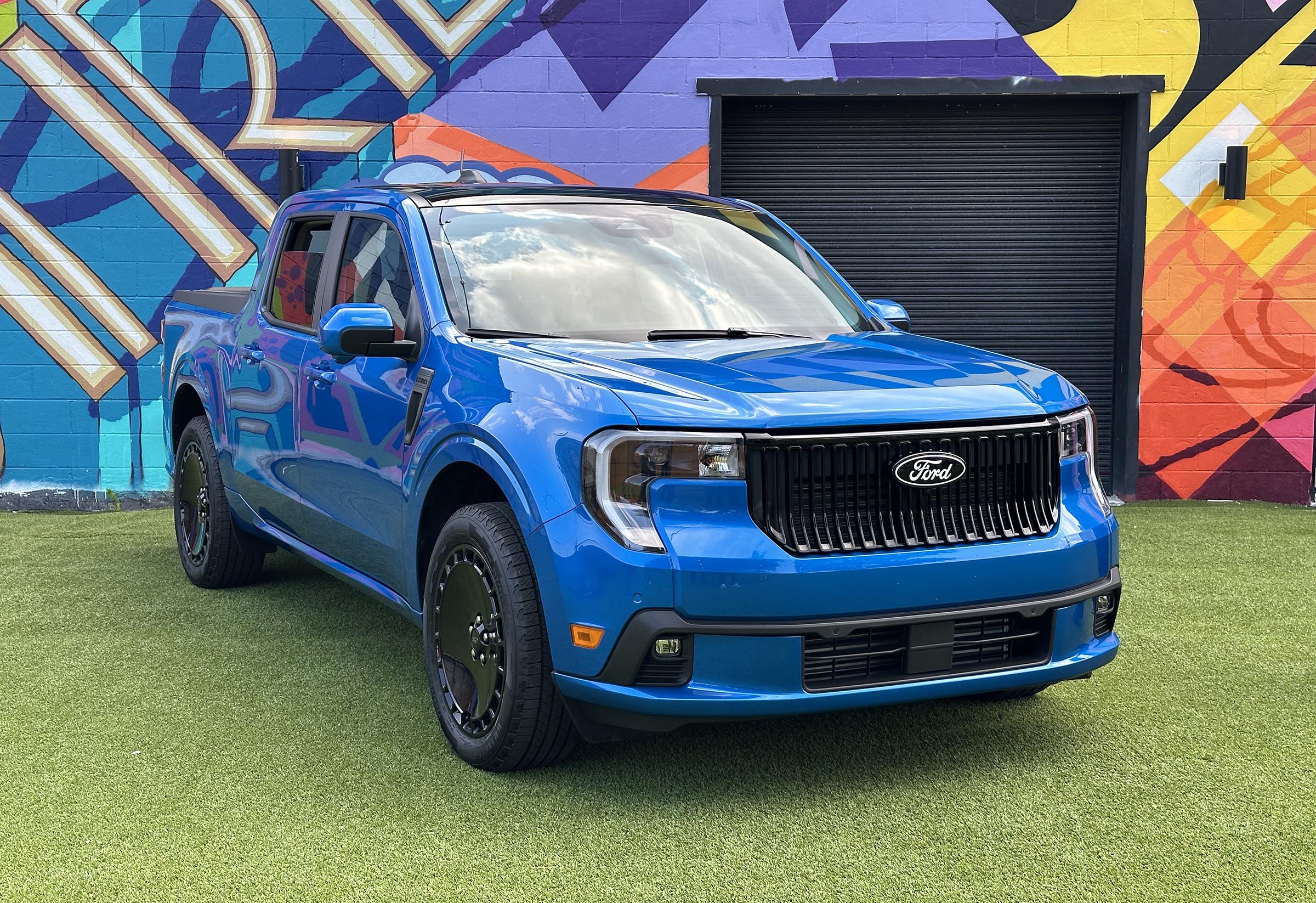
Some Ford Maverick pickups also will be hit with the new recall.
In 2025, nearly 13 million Ford vehicles were recalled in 153 separate service actions. That was more than the next nine automakers on the recall list combined.
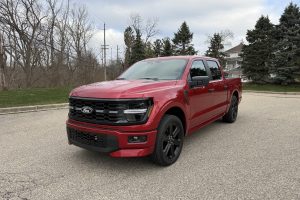
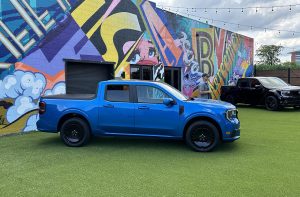
The latest problem involves the 2021 through 2026 F-150, 2022-2026 F-250 SD, Lincoln Navigator, Expedition, Maverick and some Ranger and E-Transit vehicles. If software in the Integrated Trailer Module malfunctions it can cause the trailer and vehicle to stop communicating. In turn, that would lead to trailer brake failure and the malfunction of brake and turn signals, as well as other exterior lights.
Ford confirmed receiving reports of 407 separate incidents related to the problem, though it said it knows of no crashes.
The automaker is developing a software fix that it plans to install remotely using OTA technology built into the trucks Owners also can go to a Ford dealer for repairs. The fix is expected to become available in May and will be installed at no charge to owners.
Software gremlins are an industry nightmare.
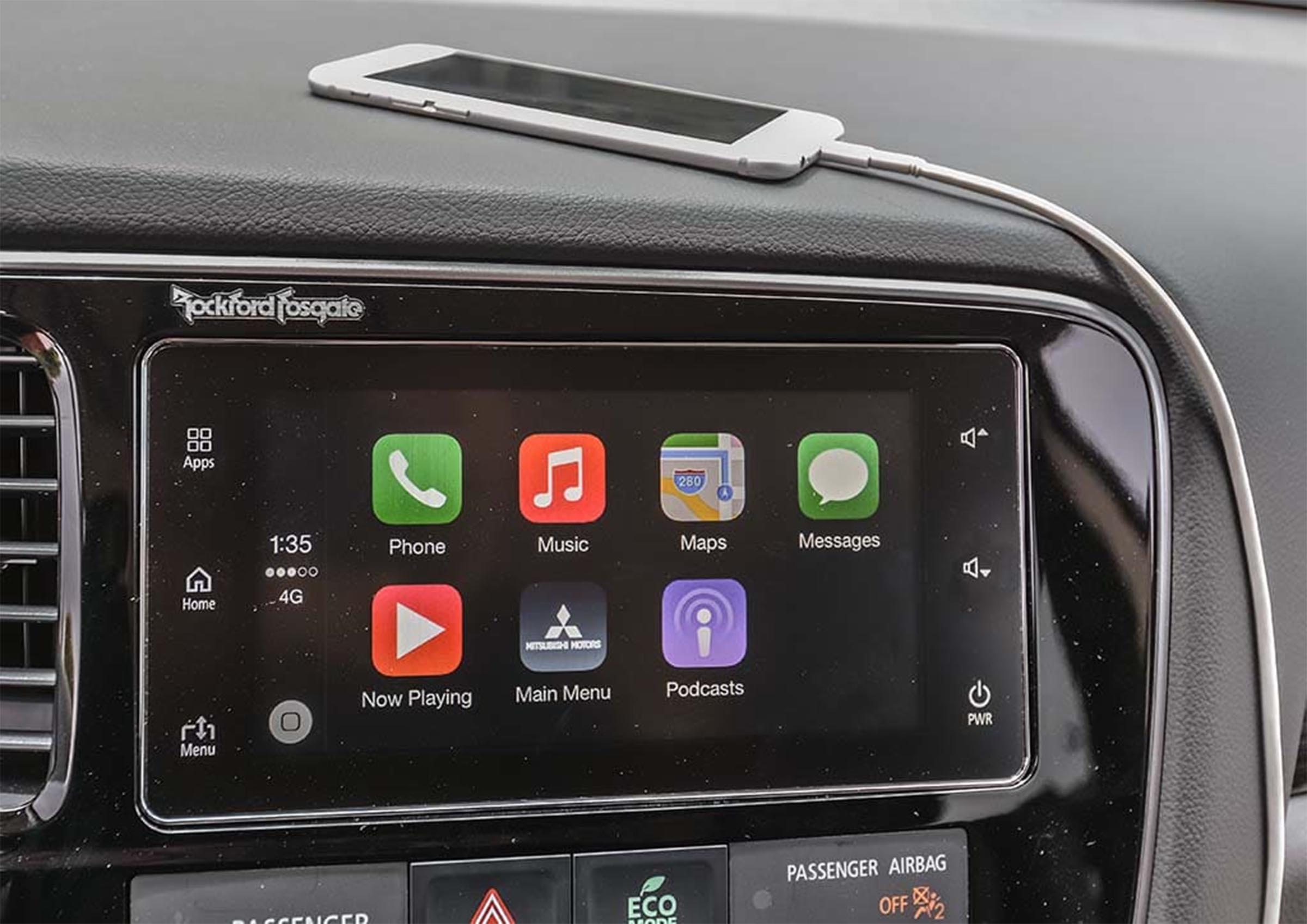
Some of the biggest owner concerns involve Apple CarPlay and Android Auto.
“With modern vehicles now running more lines of code than early space missions, owner perceptions of vehicle dependability have become increasingly influenced by technology performance and software glitches,” JD Power said in a summary of its 2026 Vehicle Dependability Study.
The research firm said infotainment technology is the “least reliable part” of today’s vehicles, though it also cited problems with those over-the-air updates as key reasons why owners are reporting more and more problems with their vehicles.
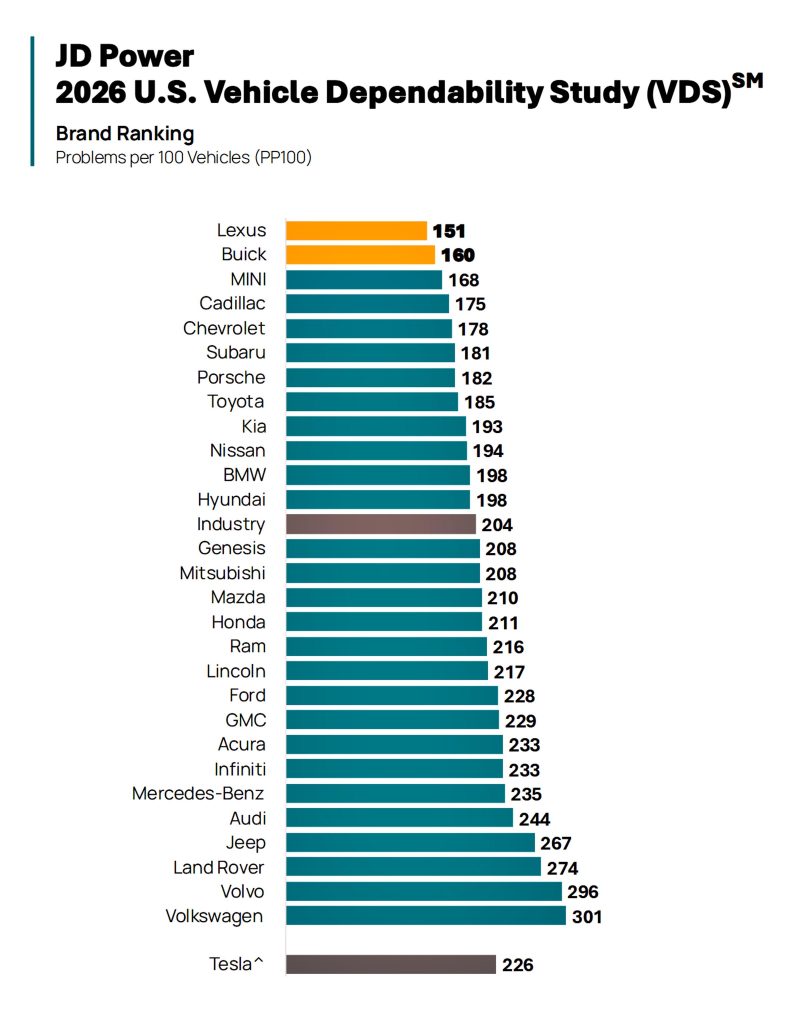
Compared with the results of the 2025 VDS, owners this year reported an average two more problems per 100 vehicles, marking the worst year since the study was redesigned in 2022. The level of trouble varies widely by manufacturer, with Lexus and Buick owners reporting the fewest problems – which can also include mechanical issues, such as engine failures. Volkswagen was ranked dead last, with roughly twice as many problems per vehicle as Lexus models.
More Auto News
- Stellantis Workers Get No Profit-Sharing This Year
- Honda Tops Gov’t List as Most Efficient Brand for Gas Cars
- Kia is Betting Big on the New Telluride Hybrid
 What are the biggest problems?
The VDS looks at problems owners report after having their vehicles in service for three years. With the typical motorist holding onto their cars, trucks and crossovers longer than ever, service problems can be a costly issue – and lead to reduced brand loyalty when it comes time to trade in, said Power.
Where owner concerns once focused on mechanical issues, such as powertrain failures or faulty seals, electronics have become the big headache.
“Software updates and new technologies should enhance the ownership experience over time, yet many vehicle owners cite ongoing mobile phone integration problems and little to no benefit after an update is performed,” said Jason Norton, director of auto benchmarking at JD Power.
Infotainment systems were by far the biggest headache in the 2026 VDS, according to owners, accounting for 56.7 reported problems for every 100 vehicles. Diving in for a closer look, much of the trouble involved problems with mobile phone connectivity, Apple CarPlay and Android Auto, in particular.
Automakers frequently promise they can and will address software gremlins using the OTA capabilities built into modern vehicles – as Ford plans to do with the trailer brake glitch. But even when software is remotely updated, 58% of the owners surveyed said they saw no noticeable improvement. Only 27% indicated an over-the-air update solved a problem or improved the way a software feature operated.
Toooooooooooo many unqualified ‘engineers’ and Managers and suppliers and ……….