
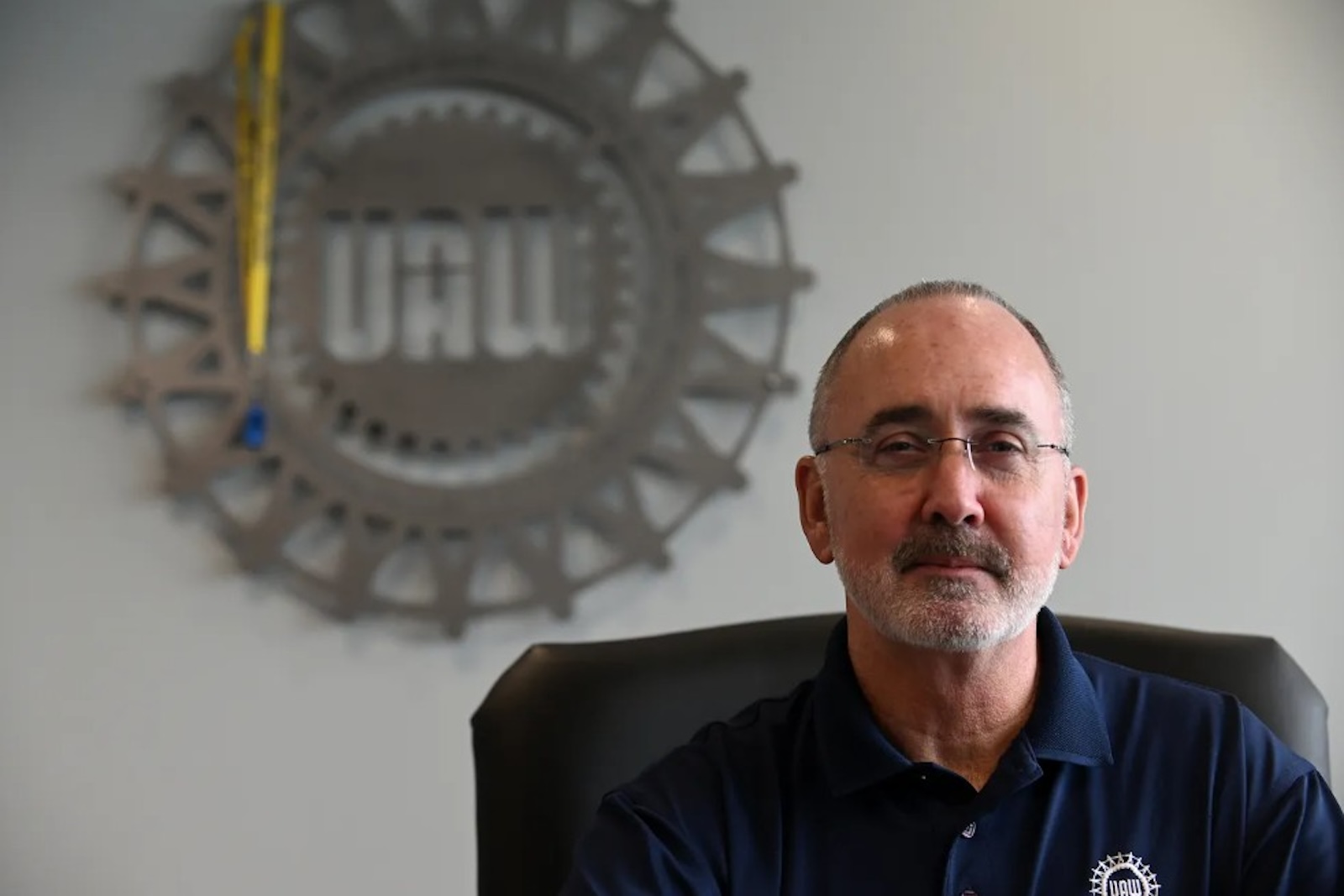
The United Auto Workers says any new trade agreement with Mexico and Canada should include quotas on imports, while boosting wages of Mexican workers and providing American workers a chance at the American Dream.
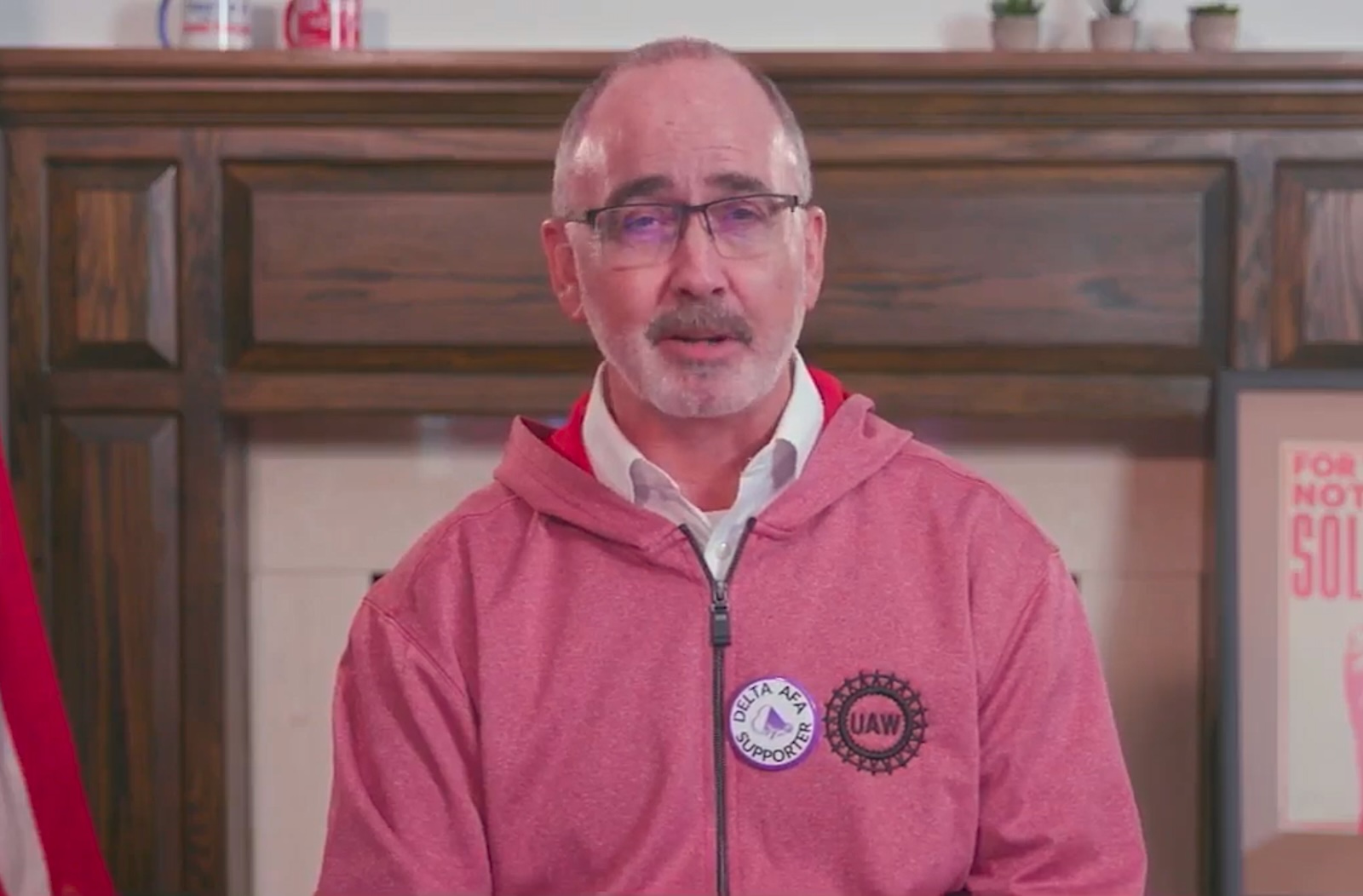
UAW President Shawn Fain is demanding changes to any new trade deal between the U.S., Canada and Mexico, including new quotas.
Beginning with NAFTA and continuing through the current U.S./Mexico/Canada free trade agreement (USMCA), the deals have undermined what was once described as the “American Dream,” according to United Auto Workers President Shawn Fain.
The UAW is pushing for big changes in USMCA when negotiations between the U.S.-Mexico and Canada begin in early June. The negotiations are already fraught because of the strained relations between the Trump administration and the governments both in Mexico and Canada.
USMCA review set to begin
The review of the current USMCA agreement, which is vital to the supply chains not only of the Detroit Three automakers but every vehicle builder operating a plant in North America, is expected to wrap up in July when certain provisions are set to expire. Expiration without a replacement agreement could be disastrous for carmakers.
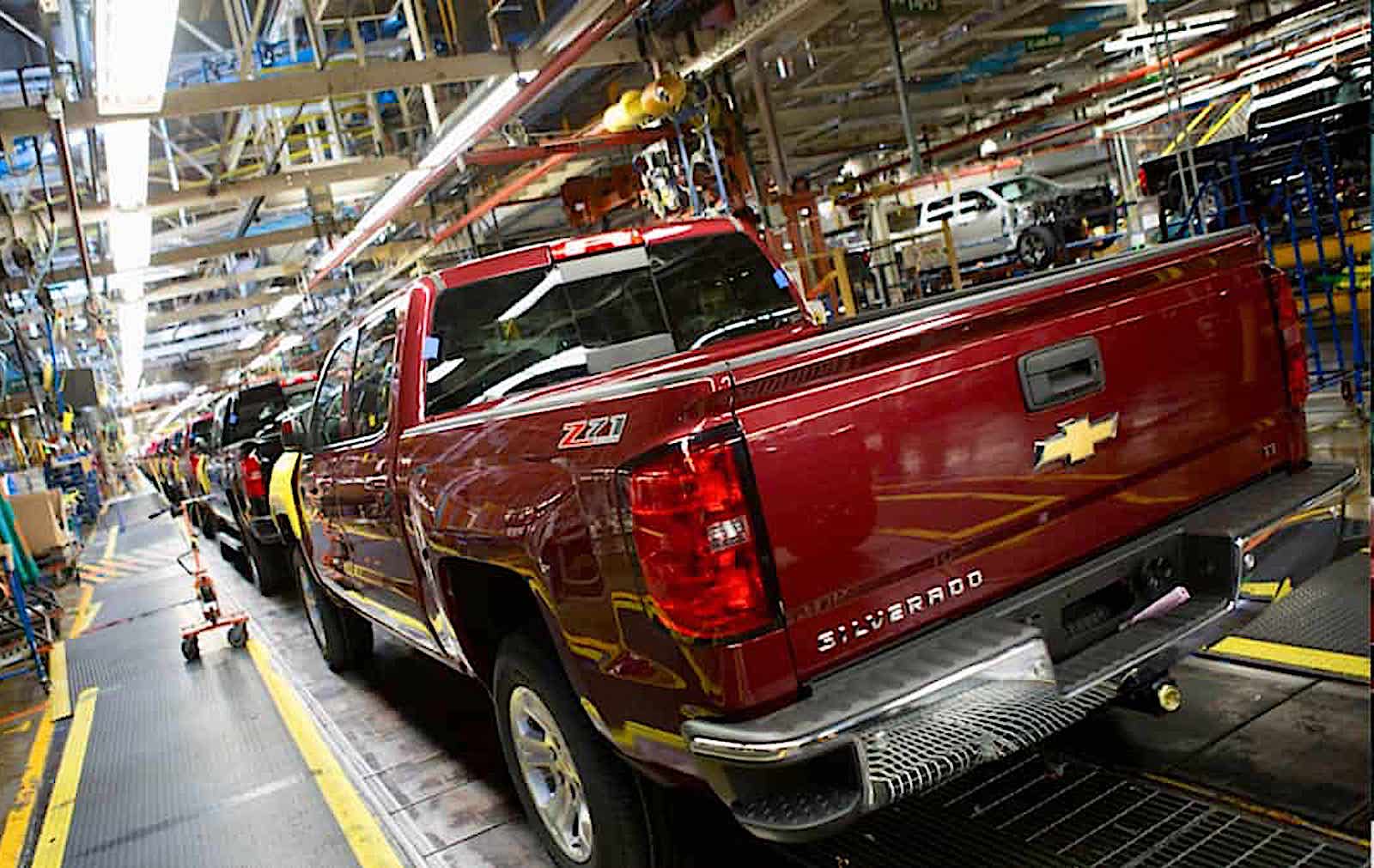
A number of popular models are made in Mexico.
Fain and the UAW glossed over concerns about logistics, focusing on the economic impact to his union’s members, who increasingly complain they are no longer able to afford the vehicles they build at plants in Michigan and elsewhere in the Midwest.
During a webinar this week, Fain said workers have seen their standard of living battered by trade agreements such as NAFTA — the original North American Free Trade Agreement adopted in 1993 — and its successor, the United States-Mexico-Canada Agreement, which was negotiated during Trump’s first term.
More Union Stories
- More on UAW Win at VW Chattanooga
- GM Profit Sharing Checks Cut as Automaker Profits Fall
- UAW Hoped to Build on VW Vote Momentum at Mercedes Plant
Trade agreement shattered American Dream
“What finally killed the American dream is what we call the free trade disaster, and if we want to revive the American dream, we need to fix our broken trade deals, starting with the USMCA,” said Fain, who was sporting a “Kill NAFTA” t-shirt.
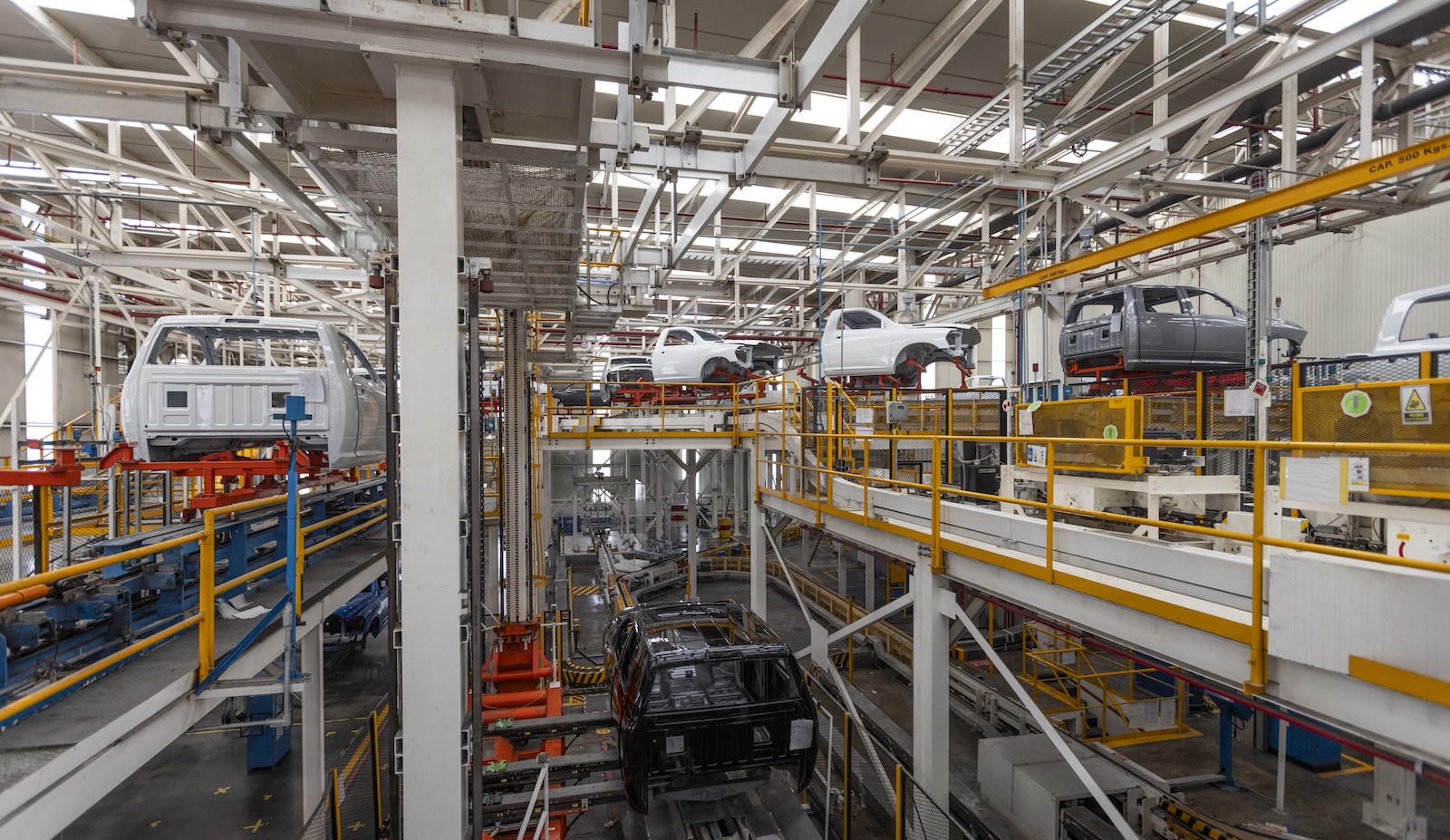
Fain wants fewer vehicles built in Mexico while pushing for higher wages for Mexican workers.
One of the key changes the union is proposing is a new quota system that would force both union and non-union to build a greater proportion of vehicles in the United. According to the union, only sixty-one of every 100 vehicles sold in the U.S. are built in factories located in the U.S.
On the other hand, Mexico builds 249 vehicles for every 100 vehicles sold in Mexico, ostensibly to Mexican consumers. Some of the surplus is exported to Central and South America but most goes to the United States, union representatives noted. The union proposes imposing quota to bring the ratios of built to sold vehicles closer together.
UAW calls for changes to USMCA
The UAW also suggested a sliding scale of tariffs could be used to provide automakers more incentives to build more vehicles in the U.S. Such a change would require big alterations to the current USMCA, which allows vehicles built in Mexico and Canada to enter the U.S. duty or tariff free.

Many of the most affordable models on the U.S. market are assembled in Mexico, the country’s President Claudia Sheinbaum shown here.
The union also is proposing new standards that would boost the wages of workers in Mexico. In the three decades since NAFTA became the rule across North America, the gains by Mexican workers have been negligible when measured in purchasing power and while Mexican workers belong to union their rights strike are often sharply circumscribed.
In March, the UAW condemned an attack on striking workers at the Tornel Rubber Co. in Tultitlán, Mexico. Four workers were injured when armed assailants opened fire on workers on strikers demanding a 40-hour week, and protesting denial of vacation pay and a year-end bonus.
The situation reflects broader concerns about efforts within the rubber industry to weaken established labor standards and collective bargaining agreements, and urged the U.S. and Canadian governments to take immediate action under the USMCA Rapid Response Labor Mechanism.






0 Comments