
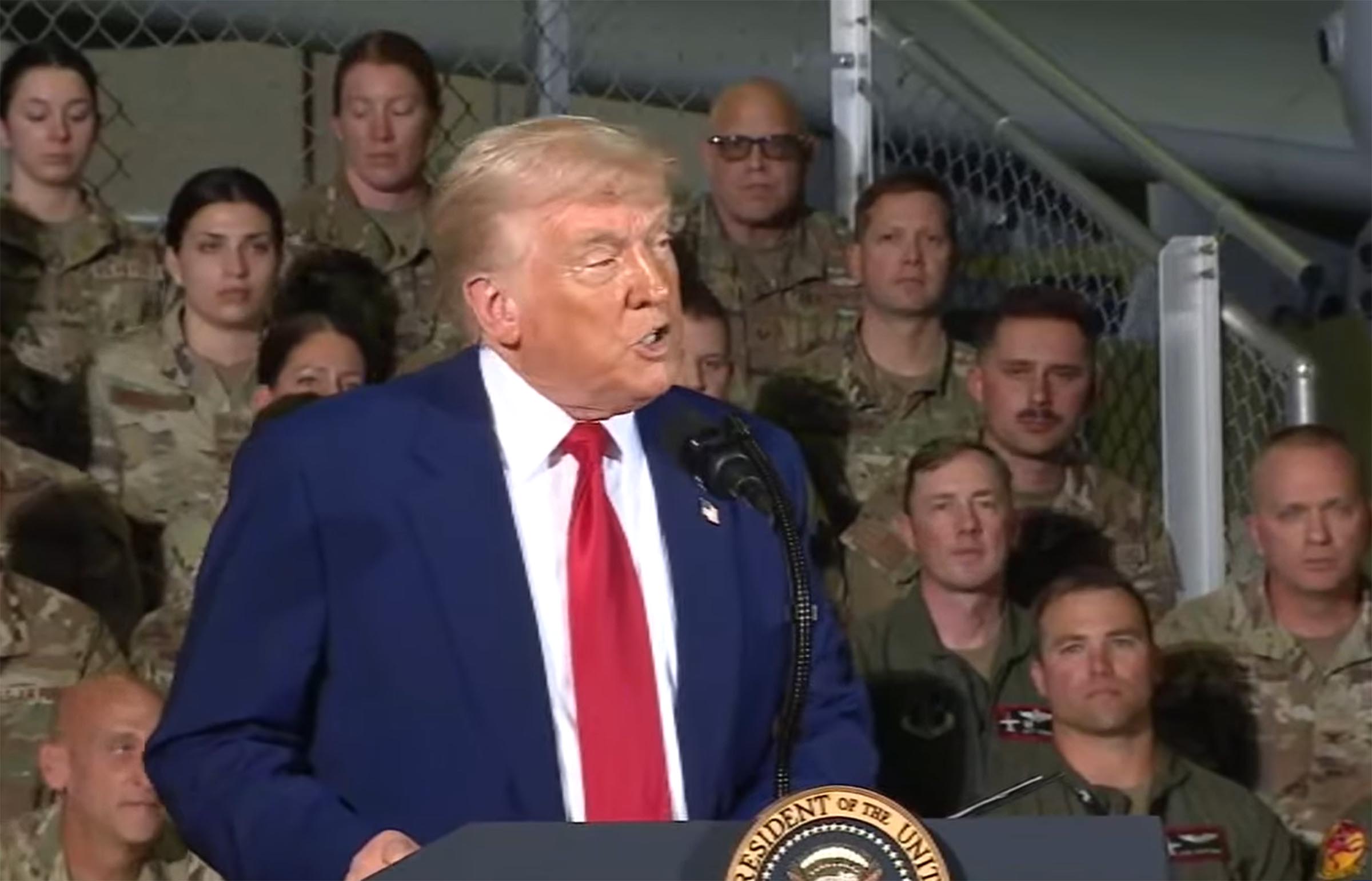
President Donald Trump’s summit meeting with Chinese President Ji Xinping is expected to cover a broad range of topics straining relations between the two countries, from the future of Taiwan to trade. Few would be surprised if Xi doesn’t press his American counterpart to open the door to Chinese autos. And that has the U.S. automakers — and some key lawmakers worried. More from Headlight.News.
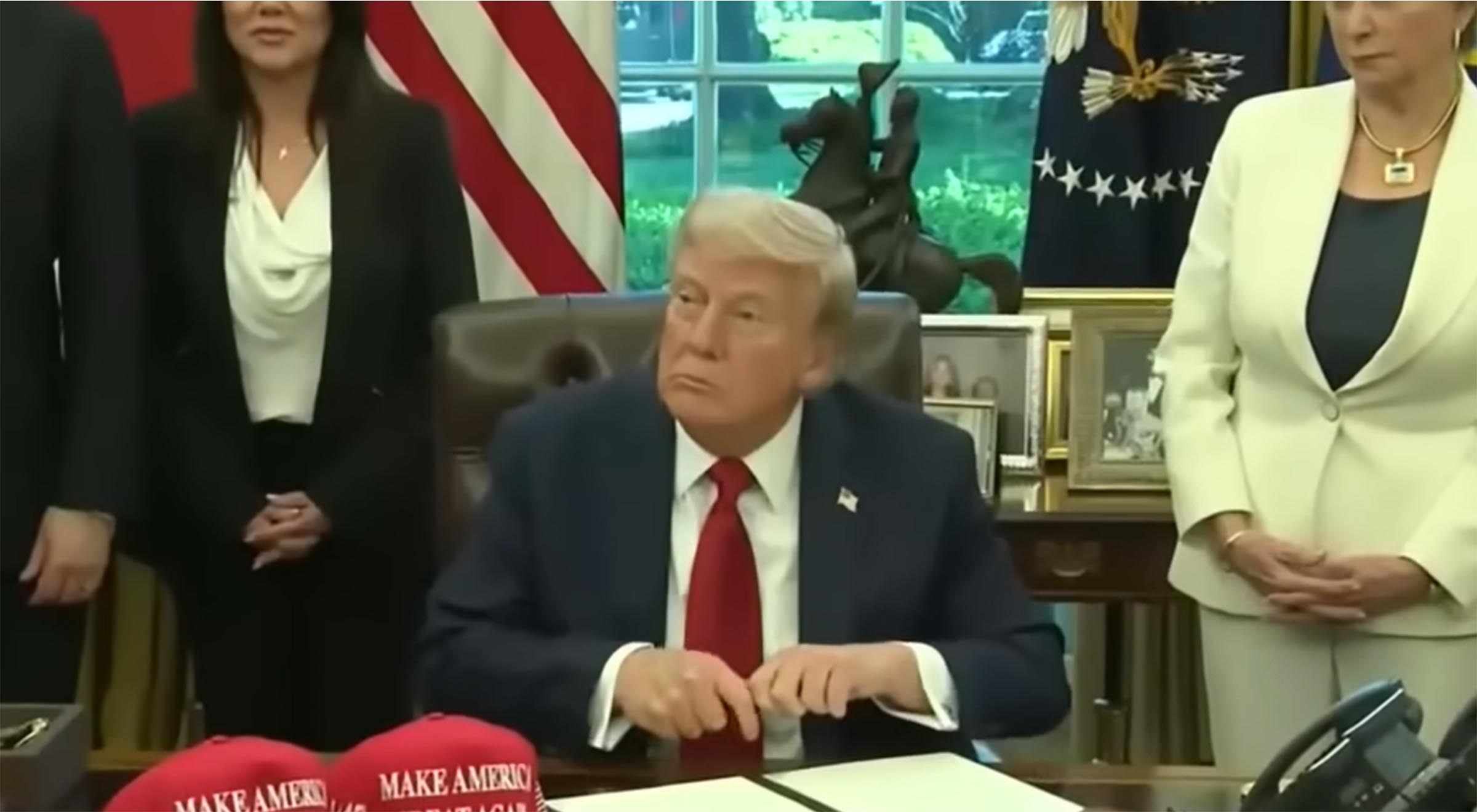
The looming summit between President Donald Trump and China’s President Ji Xinping could be complicated by a push to ban China-made cars in the U.S.
In a rare bipartisan move, a group of U.S. lawmakers has introduced legislation to permanently block Chinese vehicles from entering the American market. The timing of the proposed measure — with Representatives John Moolenaar, a Michigan Republican, and Debbie Dingell, a Michigan Democrat, taking the lead — comes as Trump enters a summit with his Chinese counterpart.
The meeting comes at a time when the American leader faces an array of challenges, notably including the global energy crisis triggered by his Iran War. Trump needs to come home with some sort of win, many political pundits have suggested. The war is expected to be a hot topic, along with concerns that China is moving closer to a long-held goal of taking control of breakaway Taiwan.
And then there’s the trade war Trump triggered last year by launching hefty new tariffs on Chinese goods, notably including autos. EVs, in particular, face duties of over 100%. Yet Trump has signaled he might support opening the door to Chinese vehicles, especially if manufacturers like BYD, Geely and SAIC were ready to start manufacturing those products in the States.
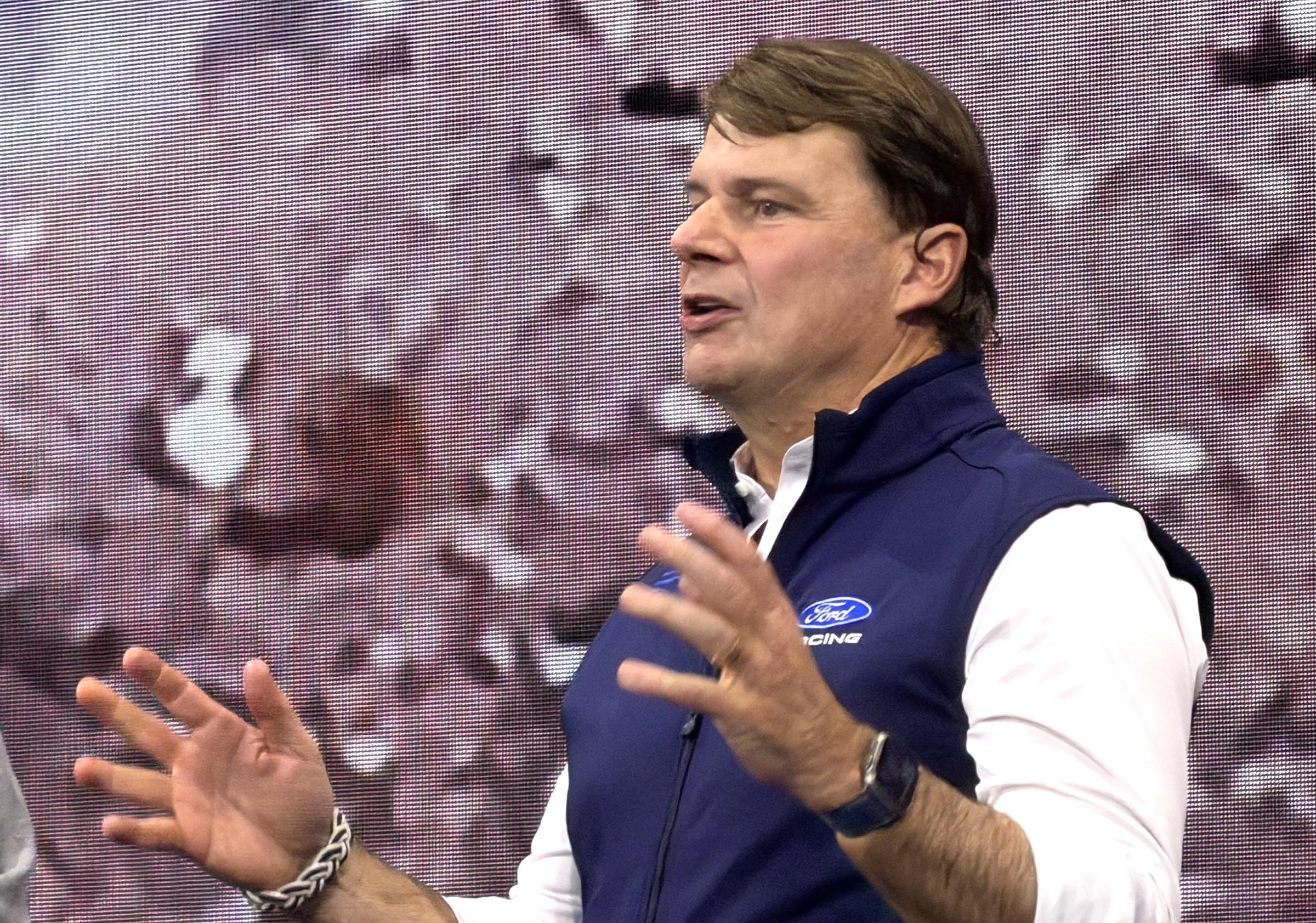
Ford CEO Jim Farley. The 2nd-largest Detroit automaker will get the largest refund, about $1.3 billion.
An “Existential Threat”
But whether imported or produced locally, industry leaders contend Chinese automobiles could pose what Ford CEO Jim Farley has dubbed an “existential threat.” Backers say they have clear reason to worry.
If anything, critics raise two deep concerns, starting with competitiveness. Industry leaders like Farley fear a wave of low-cost, high-value products that could win over consumers. They note that, China’s global auto exports topped 8 million last year, a nearly tenfold jump in less than a decade. In Mexico, the market share jumped from 1% to 15% since the beginning of the decade. In the European market, the share hit 7% last year.
To some analysts, the U.S. is especially vulnerable at a time when millions of American motorists are being priced out of the market — the average transaction price for a new vehicle now at a record of around $50,000 according to Cox Automotive.
In Mexico, the Geely Coolray Light starts at 339,990 pesos, or just over $19,500. That’s about $4,000 less than the lowest-priced model now available in the U.S., the Kia K4. Significantly, Chinese auto exports are no longer the stripped-down econoboxes of a decade ago. They’re typically quite well-equipped for their price. And a growing number of them are seen as having technical advantages over comparable products from more familiar brands like Ford, Toyota or Volkswagen.
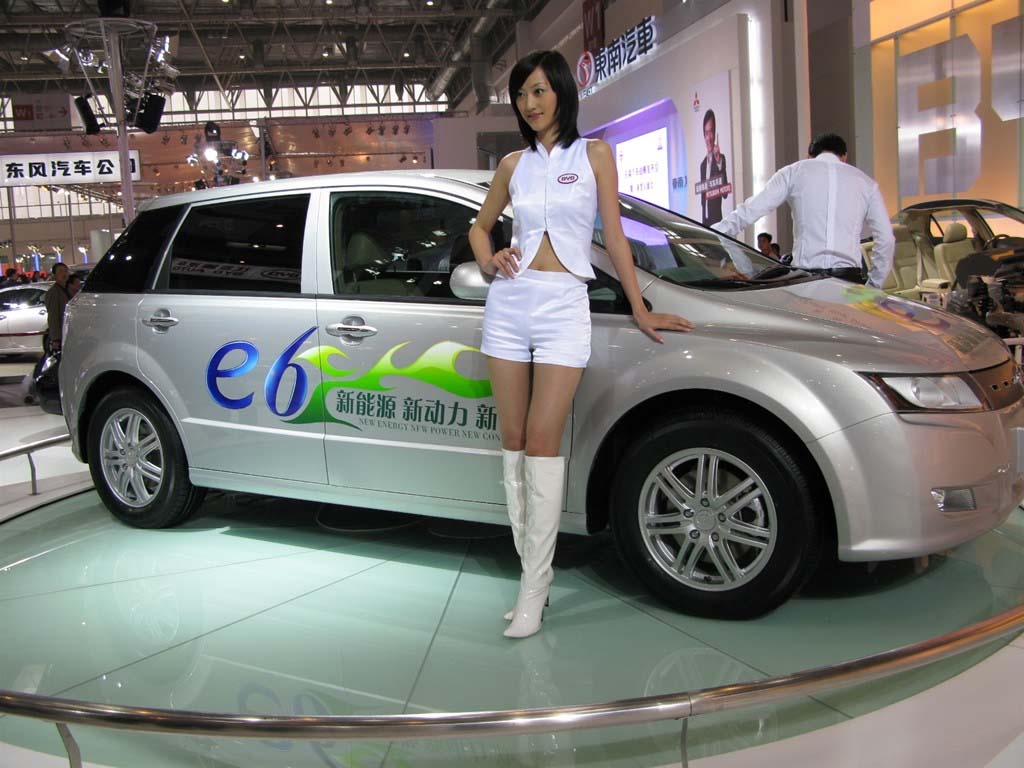
About half of China’s new vehicle market is now all-electric.
National Security
Just ask Farley who only reluctantly gave back a Xiaomi SU7 he was personally test driving for six months. He described it as “the most humbling thing I have ever seen.” In particular, Farley called out the SU7’s technology and user experience. Other industry insiders have acknowledged Chinese automakers are now producing some of the world’s most advanced EVs.
There are other concerns, however, including the sort of security issues that led the U.S. to ban some Chinese products, such as DJI drones, as well as Chinese-originated onboard vehicle systems.
“Chinese smart vehicles present a clear national security threat,” Rep. Moolenaar warned. The bill the Michigan Republican and Democratic colleague Dingell have introduced echoes the wording of a measure introduced in the Senate last month by Senators Bernie Moreno and Elissa Slotkin.
More Auto Trade News
- Automakers Getting Billions in Tariff Refunds – But Will Buyers Benefit
- Tariff Refunds Help Buoy Ford, Stellantis Q1 Earnings
- Tariffs May Force Automakers to Abandon Entry Model
Lock Them Out! Lock Them Out!
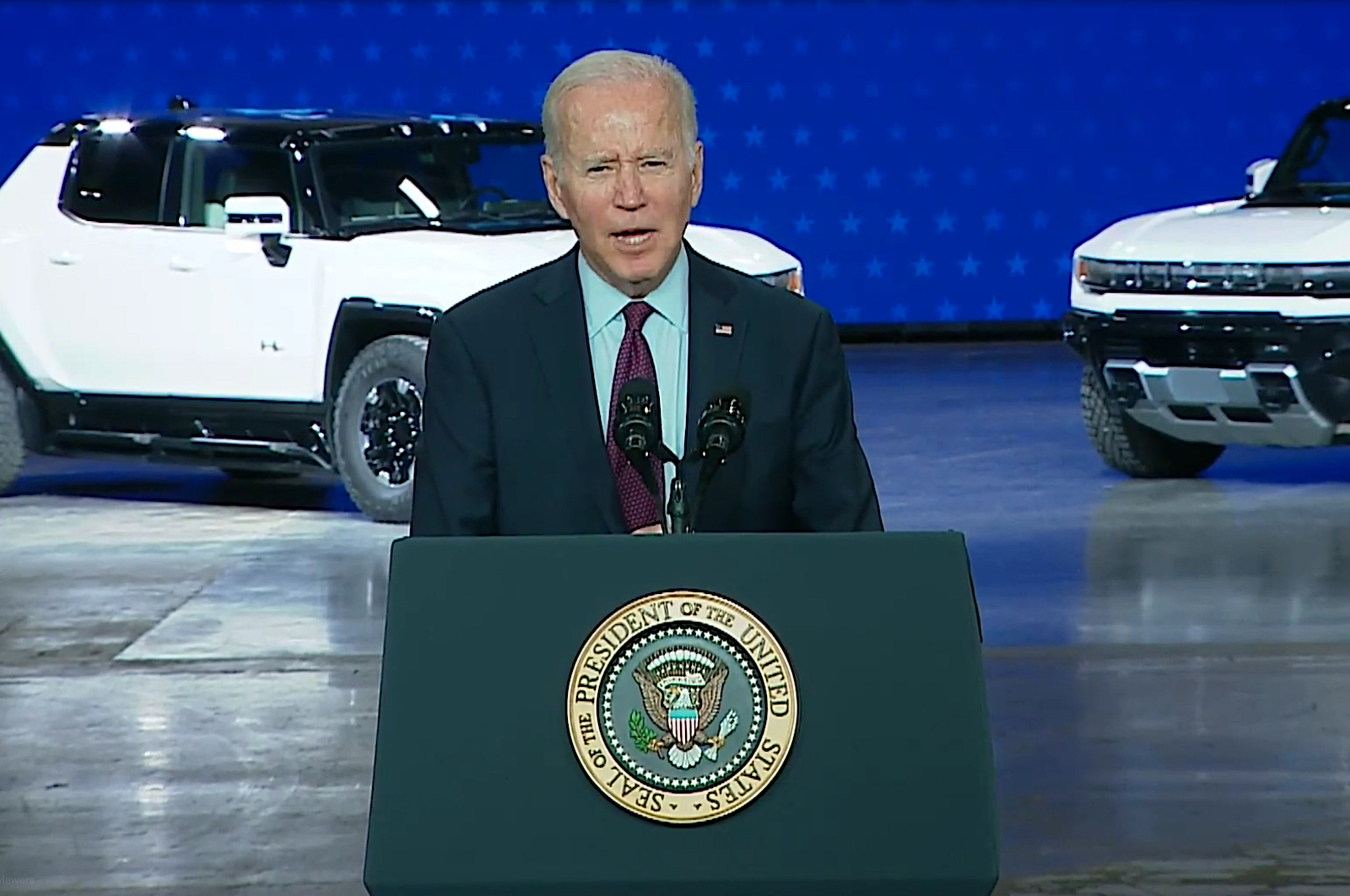
When he was president, Joe Biden upped the tariff on Chinese EV imports fourfold to 100%. Biden and Trump sharing one area of agreement.
At least until recently, Chinese autos seemed to be one topic on which Trump and his predecessor Joe Biden seemed to agree. The 46th president took several steps, including not just by raising tariffs but by signing an executive order restricting the import and sale of vehicles using Chinese onboard software and communications technology.
Trump further raised tariffs, especially on Chinese EVs, while also moving against a broad range of suspect Chinese technologies.
But the 47th president has sent signals he might be ready to reconsider such bans, especially if China plays along with his goal to bring manufacturing back to the U.S.
In January, Trump told the Detroit Economic Club it would be “great” to see Chinese auto plants in the U.S., adding “I love that. Let China come in.”
Build Where They Sell
Some skeptics question whether Chinese manufacturers would accept such strictures considering the low-wage advantages they have back home. But other Asian manufacturers have shown that might not be a problem. About 60% of the vehicles Toyota sells in the U.S. are now produced locally. Hyundai Motor Group currently operates three U.S. plants for its Hyundai, Genesis and Kia brands – and last year announced plans to invest another $26 billion in U.S. operations.
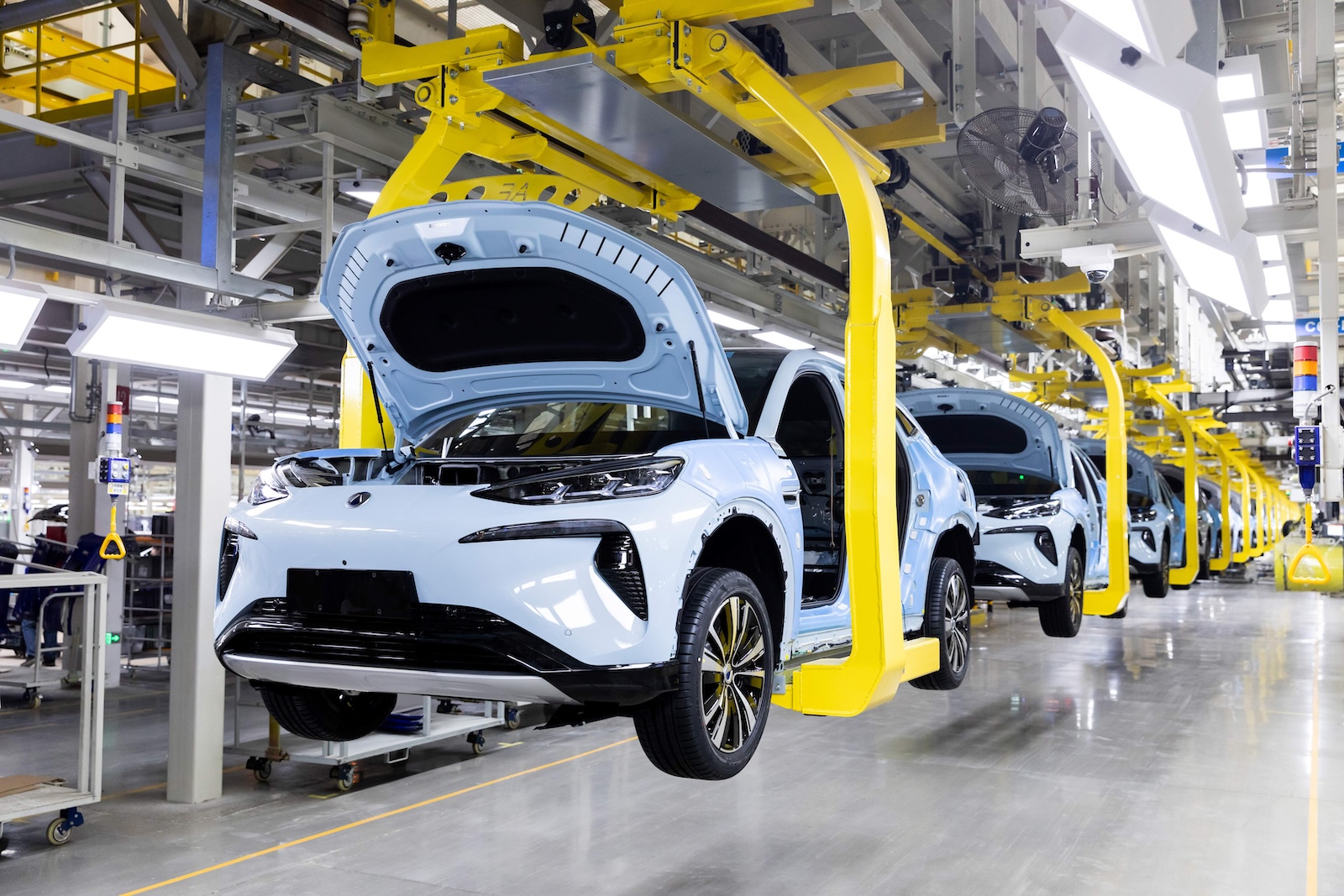
The question is whether Chinese automakers might move production to the U.S. to get around trade barriers.
“Allowing Chinese manufacturers to just export cars to the U.S. runs counter” to Trump’s domestic manufacturing strategy, said Stephanie Brinley, principal auto analyst with S&P Global Mobility. Building plants here would be another matter. And China has been signaling it’s ready to follow the lead of the Japanese and Korean competitors.
GAC this month indicated plans to set up manufacturing in Mexico. BYD is already constructing a plant in Hungary, with a second under development in Turkey. Chery, Leapmotor and Geely are also looking at overseas operations which could include North America.
Welcoming the Competition
Not everyone wants to lock out the Chinese. While acknowledging how good their products have gotten, Christian Meunier, Nissan’s chairman for the Americas, said in February that the answer isn’t to build barriers but to get more better at what his company does.
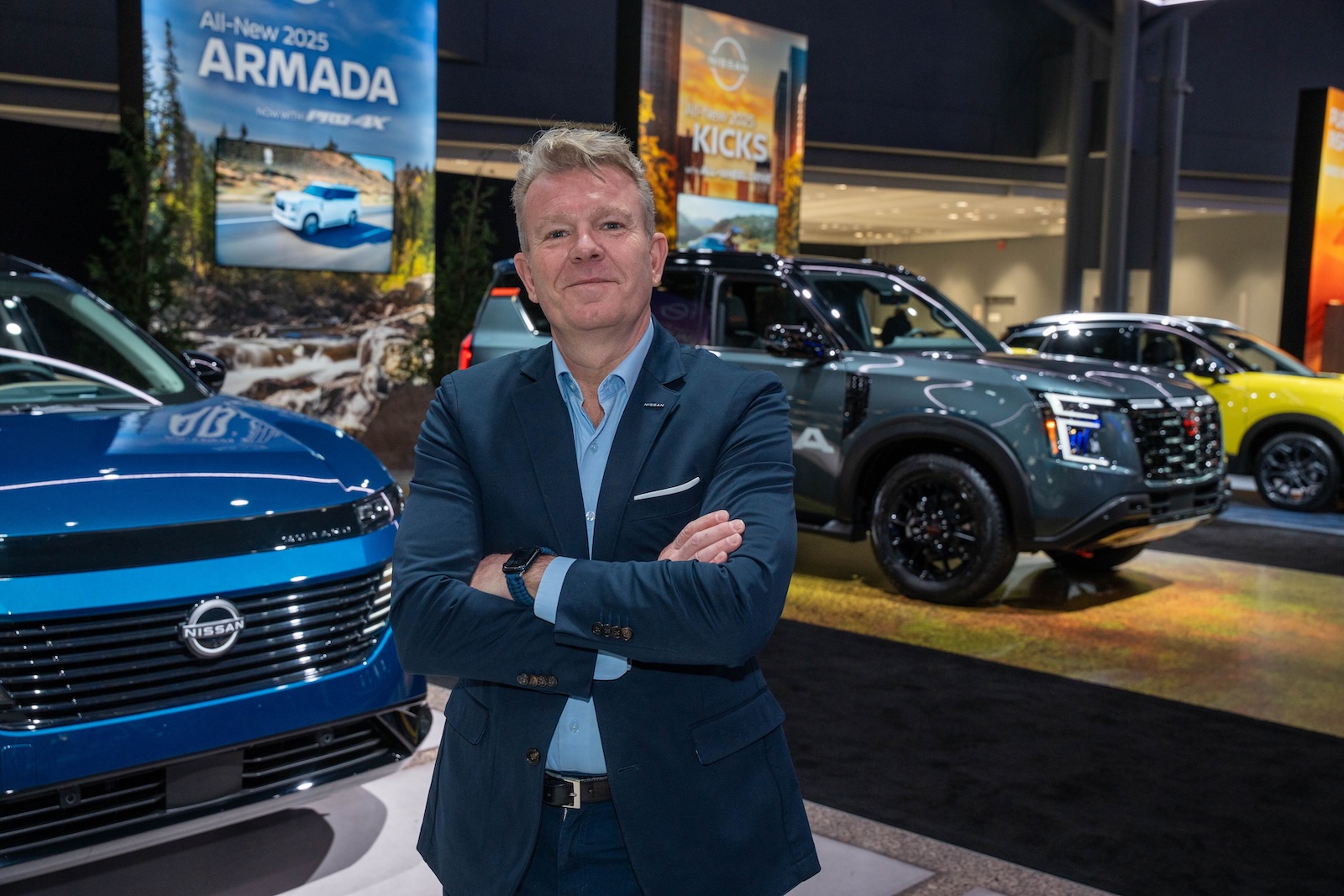
Nissan North America chief Christian Meunier says the key is to gear up to be better than China, not be afraid.
“Competition is not a bad thing,” Meunier, Nissan’s chairman for the Americas, told reporters during an appearance in Sao Paulo, Brazil in February. “Our duty is to provide a product and a service and an experience for the customer which is better than the Chinese. And if we do that, we’ll be fine.”
For her part, analyst Brinley said that opening the U.S. market for locally produced vehicles would give traditionally manufacturers time to get their acts together. “It would take some time to build a plant,” she stressed, “maybe three years. It’s not something that would happen overnight.”
For the moment, however, Cox Automotive analyst Erin Keating doesn’t think Trump is ready to give Xi and the Chinese industry such a deal, even if it could help him score a win of his own. “Honestly, I don’t think that he will open the door only because there’s such bipartisan support to keep them out right now.”
But whether that resistance will wear down over time is another matter. China has not only gained a strong foothold in Mexico but recently won a deal with Canada which this year will allow its automakers to sell 50,000 EVs there. That will rise to 70,000 by decade’s end. It’s just a matter of time until the U.S. follows suit, most analysts agree.


NO WAY IN HELL.