
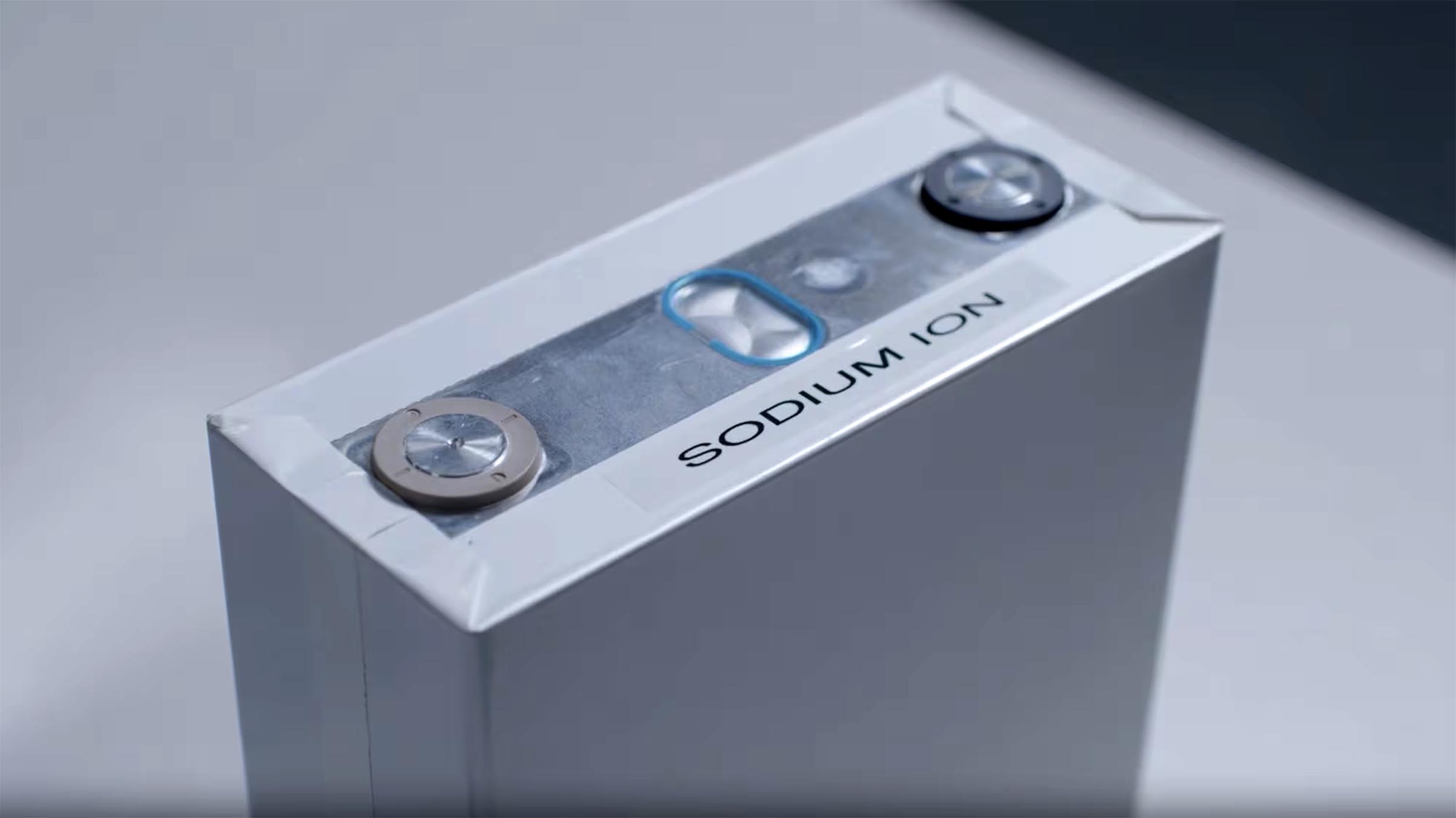
Even though EV sales may be slowing down, the nation’s electrical grid faces a variety of challenges, especially with the surge in data center construction. GM plans to lend a hand through a new partnership bringing out backup technology using new sodium ion battery technology. More from Headlight.News.
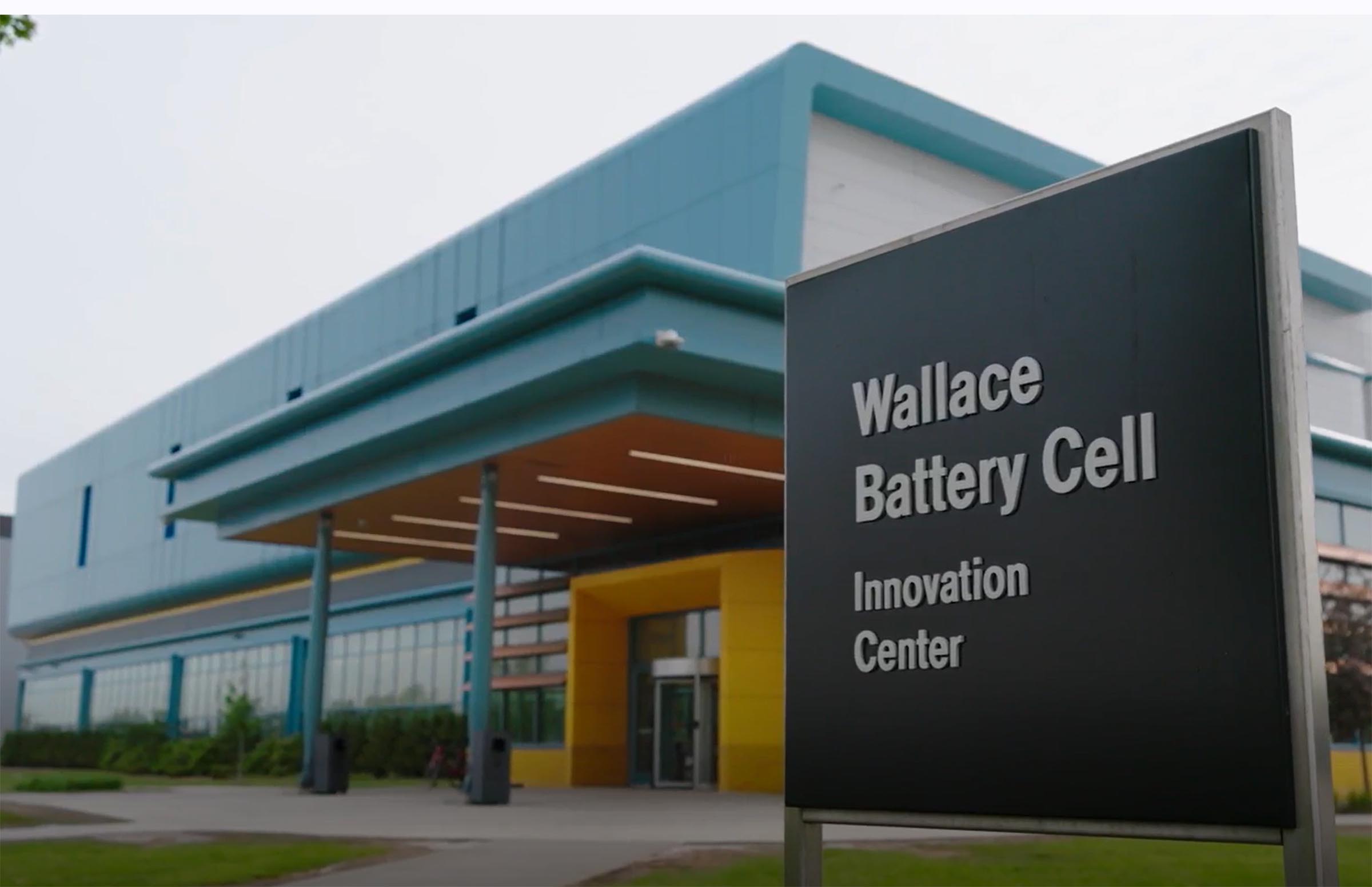
GM Wallace Battery Lab
The slowdown in the battery-electric vehicle market has forced a number of automakers to rethink their business strategies. But that doesn’t necessarily mean simply cutting back on production. In some instances, companies like Ford and Tesla are redirecting batteries for use in energy storage systems.
General Motors is looking at similar opportunities, using both its lithium-ion-based Ultium cells, as well as through a partnership with Peak Energy that will rely on new sodium ion batteries. These make use of less costly materials that can function under a wider variety of conditions than lithium-based technology.
GM plans to launch “industrial-scale grid applications” that could find broad application at a time when large-scale development of AI data centers are putting a strain on the nation’s existing electrical grid, analysts said.
What’s new?
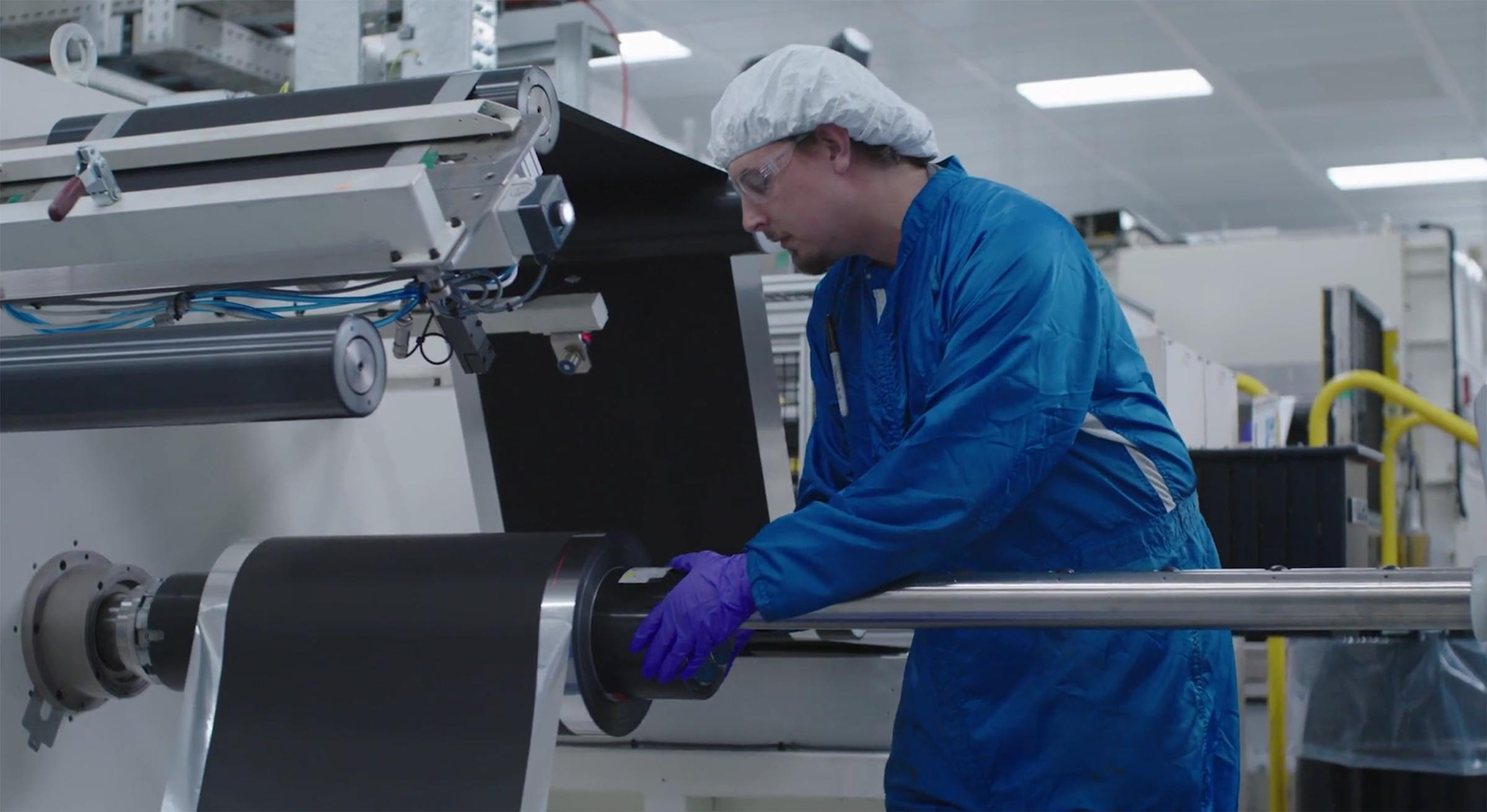 GM has already participated in the development of energy backup technology. Among other things, it offers bidirectional charging systems to its EV buyers that can draw power from the vehicle – or battery backup should a home or office lose power. And it has been developing ways to create grid backup systems that use lithium-ion battery packs still retaining much of their original energy density once vehicles like the Chevrolet Bolt or GMC Hummer EV are scrapped.
The partnership with Denver-based Peak Energy goes in a slightly different direction. Instead of using lithium-ion cells it turns to a different chemistry, sodium ion. Sodium is in the same column on the periodic table as lithium, noted Sam Abuelsamid, lead analyst with Telemetry Research, meaning it has similar energy storage capabilities. But sodium is far cheaper than lithium and batteries made with the element don’t require other rare metals. That can significantly lower production costs.
“It requires no active cooling and much less complexity” than lithium-ion and some other chemistries now being used for energy backup systems, said Sterling Anderson, GM’s executive vice president of global product, during a presentation this week.
Pros and cons
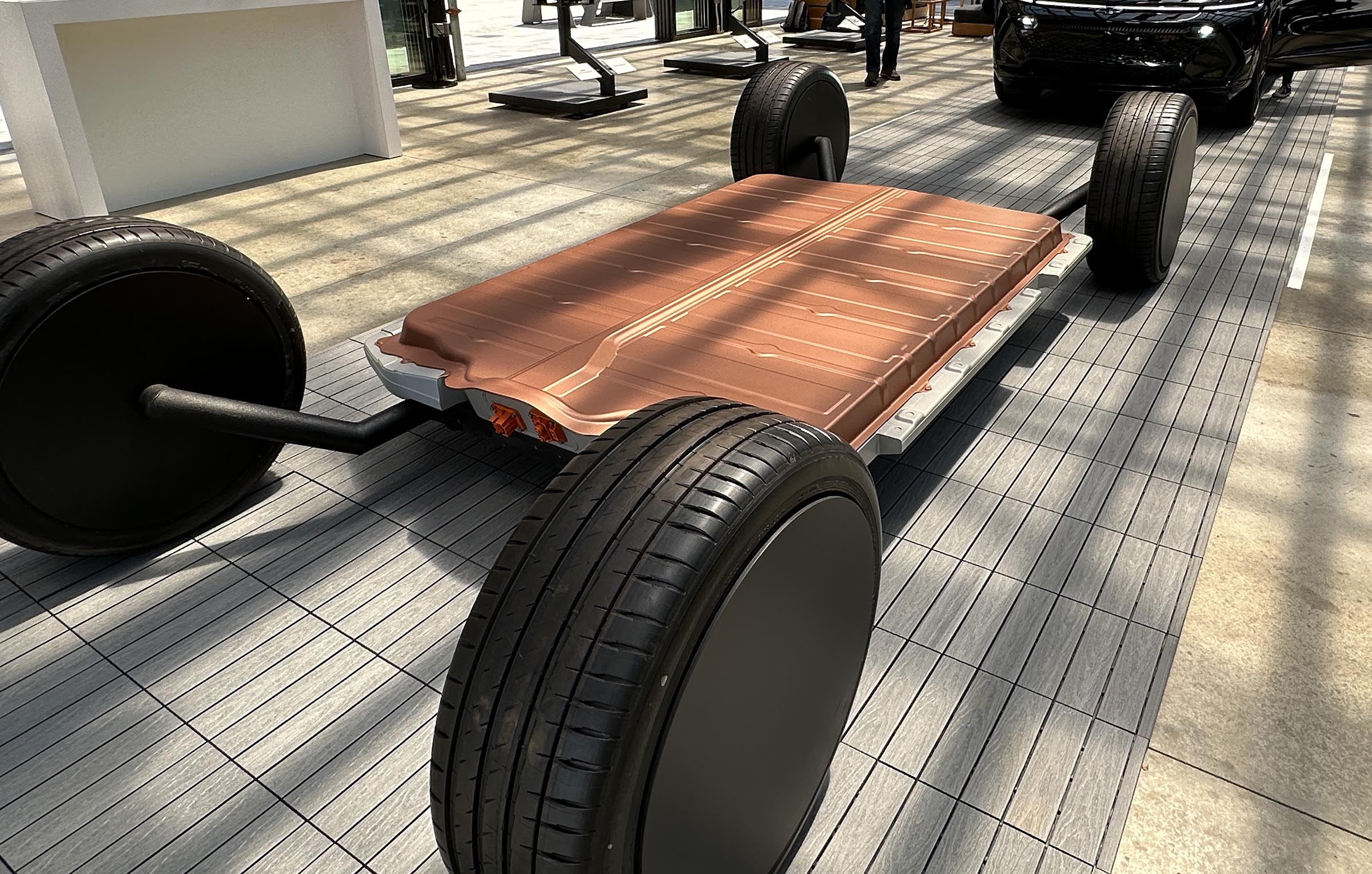
Sodium ion isn’t suitable for use in EVs because it can’t match the energy density of batteries using lithium-ion chemistry – like those in this Chevrolet Equinox EV platform.
Researchers are exploring dozens of potential energy storage technologies, each with their own pros and cons. In turn, that means they may be suited for specific applications.
Sodium ion doesn’t store nearly as much power as the lithium-ion or lithium-iron phosphate chemistries widely used in automotive applications. But it is low in cost and tolerant of far broader operating conditions – among other things, losing less energy at low temperatures. This “translate(s) into lower costs and greater reliability,” explained Kurt Kelty, GM’s vice president of battery and sustainability.
That could be the perfect combination to create large-scale backup systems that can help stabilize the nation’s energy grid as the rollout of AI data centers accelerates. These facilities today can consume up to 500 mW of electricity and that is expect to grow as data centers expand. To put things into perspective, that could consumer as much power as three natural gas-powered turbines at a typical generating facility.
More Auto News
- Mitsubishi Rolls Out All-Electric EV Sportback
- Doggone: on Dog Rescues and EVs
- We Take a Drive at the Festival of Mud
Timetable
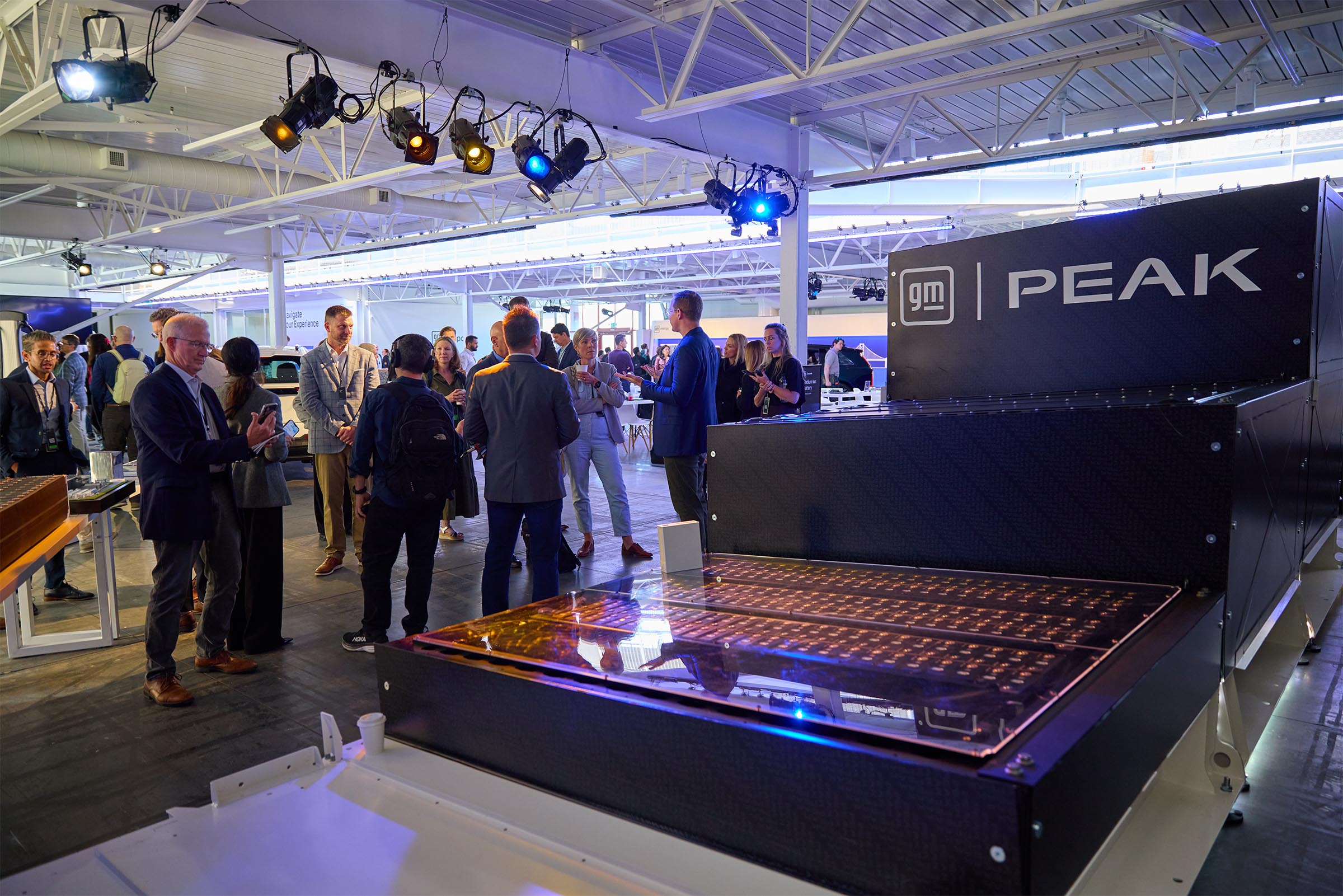 GM and Peak Energy are just now in the process of developing the new sodium ion batteries.
The partners said they plan to begin production in 2028 at the GM Battery Cell Development Center in suburban Detroit. It will add a higher-volume operation at a later date.
Sodium ion technology is expected to find widespread application in the coming decade. A number of other automakers and battery suppliers are working up systems using the chemistry, including China’s CATL and BYD, as well as Mercedes-Benz and Volvo.


0 Comments