
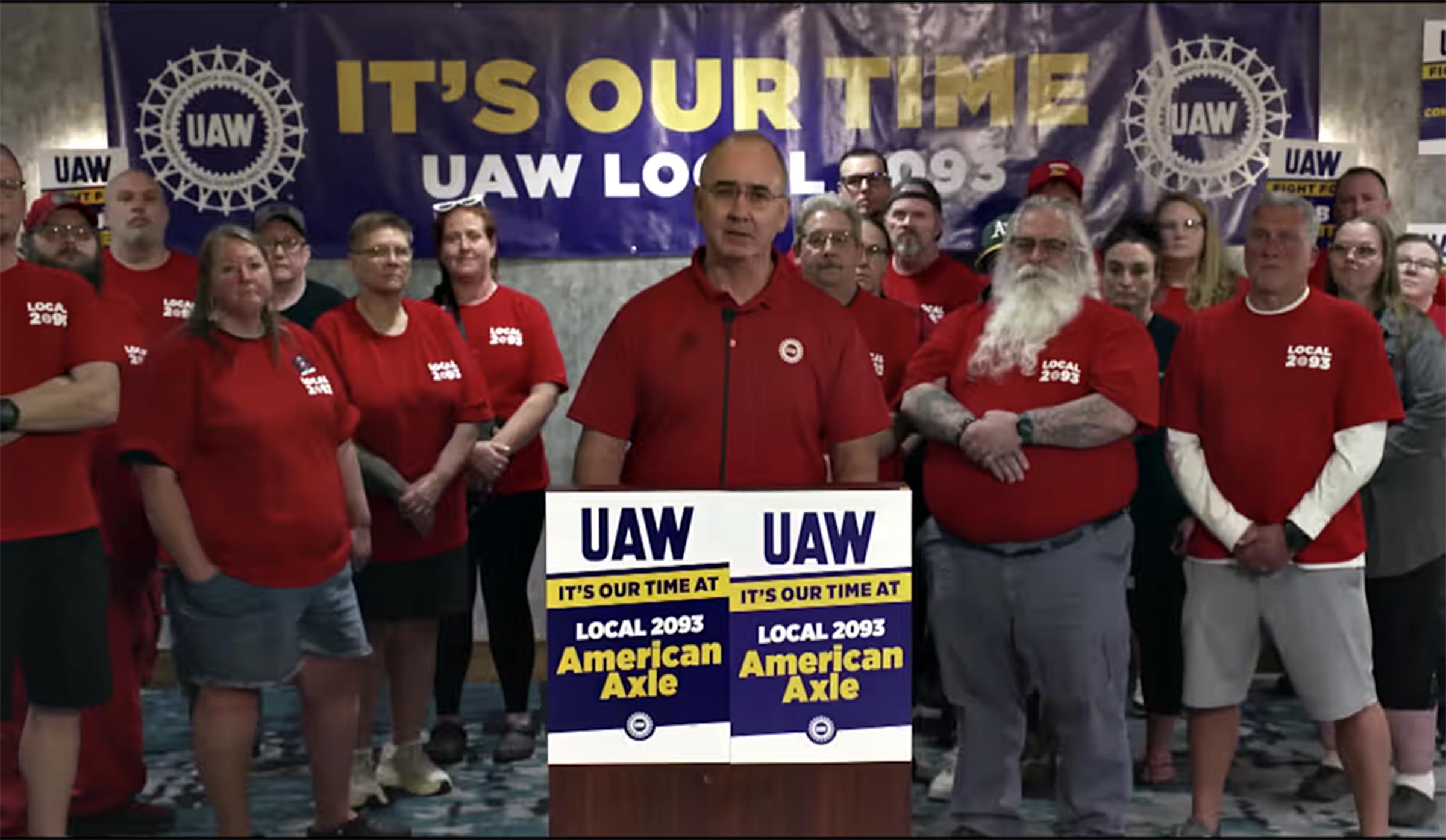
Members of the United Auto Workers Union ratified a new, four-year contract with the Dauch Corp. ending a strike at a plant in Three Rivers, Michigan. The agreement gives workers a big raise and ends the threat to General Motors truck production.
 A threat to the production of General Motors most expensive and profitable pickup trucks ended this week as members of the United Auto Workers Union Local 2093 approved a settlement with Dauch Corp.’s American Axle plant in Three Rivers.
The factory provides a variety of parts to the auto industry, but is a major supplier to General Motors for some of its most profitable models, including the full-size Chevrolet Silverado pickup.
The 1,000 members of UAW Local 2093, who went out on strike June 1, won a substantial raise, according to the UAW “The fight at American Axle will go into the history books,” said UAW President Shawn Fain, who noted the union won substantial increases in pay as well as two extra holidays and additional time off as well as a $2,000 ratification bonus.
Workers get big raises.
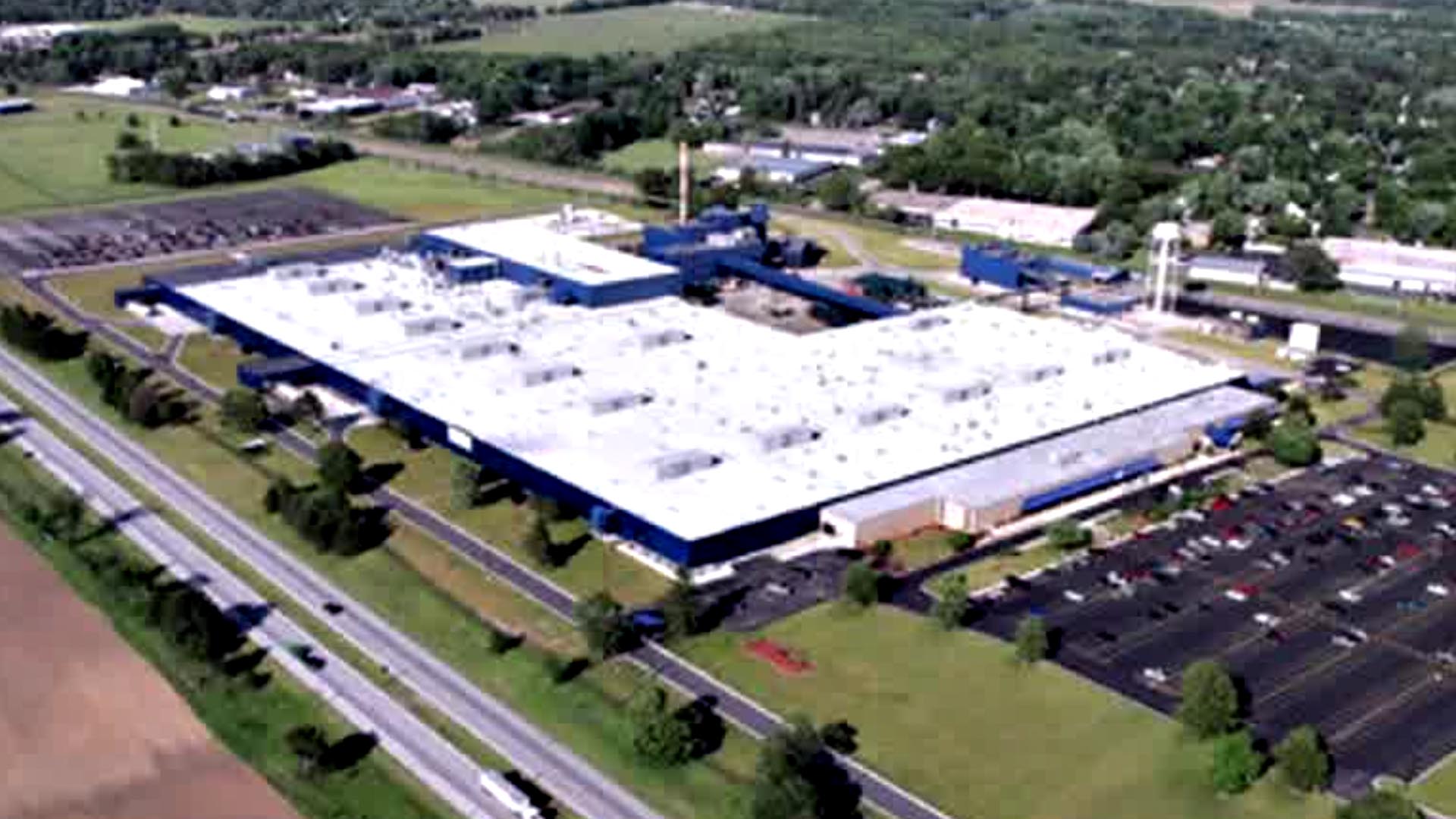
The American Axle Three Rivers Plant.
The final tally from the ratification voted Sunday showed 80% of the union voted to approve the new agreement and return to work this week, union officials said. Workers now making $22 per hour will get a 36% raise over the next four years, bringing the top wage at the Dauch Corp. to $30.00 per hour by 2030, according to the tentative settlement announced by the union.
“The settlement makes the union’s rallying cry in the dispute of “$30 by 30,” Fain noted.
New hires at the American Axle plant now making $18 per hour will get a 67% pay increase over the course of the four-year agreement. Additionally, workers hired before 2008 will get an extra $3 per hour bump in pay to recognize their longevity and sacrifices made in concession agreement signed back in 2008 when American Axle succeeded in slashing wages. That contract also introduced a two-tier pay scale.
“We appreciate the efforts of both the UAW and Dauch labor negotiations teams to find common ground.” Dauch said in a statement after the UAW announcement.
New contract represents a guide for future negotiations
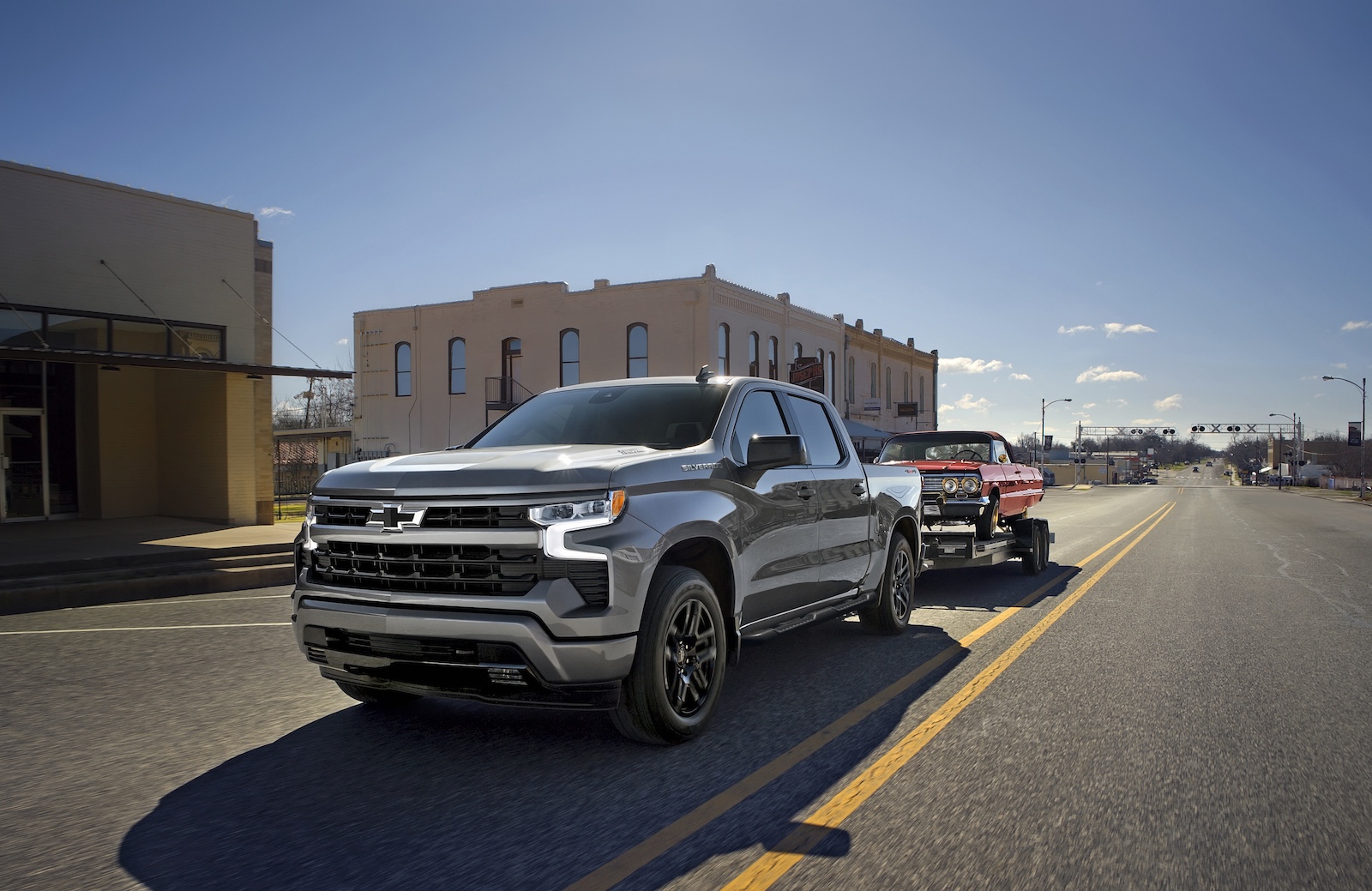
The UAW strike threatened to cripple production of high-volume, high-profit products like this Chevrolet Silverado.
Fain, who faces re-election as UAW president this year, also said he expects the proposed agreement with Dauch Corp. to serve as a template for other companies in the parts sector and a springboard for the UAW’s negotiations with Detroit’s Big Three automakers in 2028.
“The auto industry, even parts suppliers, can afford our demands,” Fain said during a livestream announcement. “American Axle has made $8.7 billion in profits in the last decade. They make $20 to $25 million a week in revenue out of this plant right here in Three Rivers. All these people have been asking for is their fair share, and I don’t give a damn if they call you IPS or assembly, whether you build axles or engines. We all make this industry run, and we all deserve our fair share of the massive profits that we generate.”
The settlement comes as a significant win for Fain at a time when he has come under fire on a variety of fronts. Among other things, the push to organize foreign-owned “transplant” factories has stalled out after an initial win at the Volkswagen assembly plant in Chattanooga, Tennessee in April 2024.
More Auto News
- UAW Strike Threatens GM’s Profitable Truck Production
- Doggone: on EVs and Dog Rescues
- BMW M Concept is the Electric M3 in Disguise
Agreement ends threat to GM
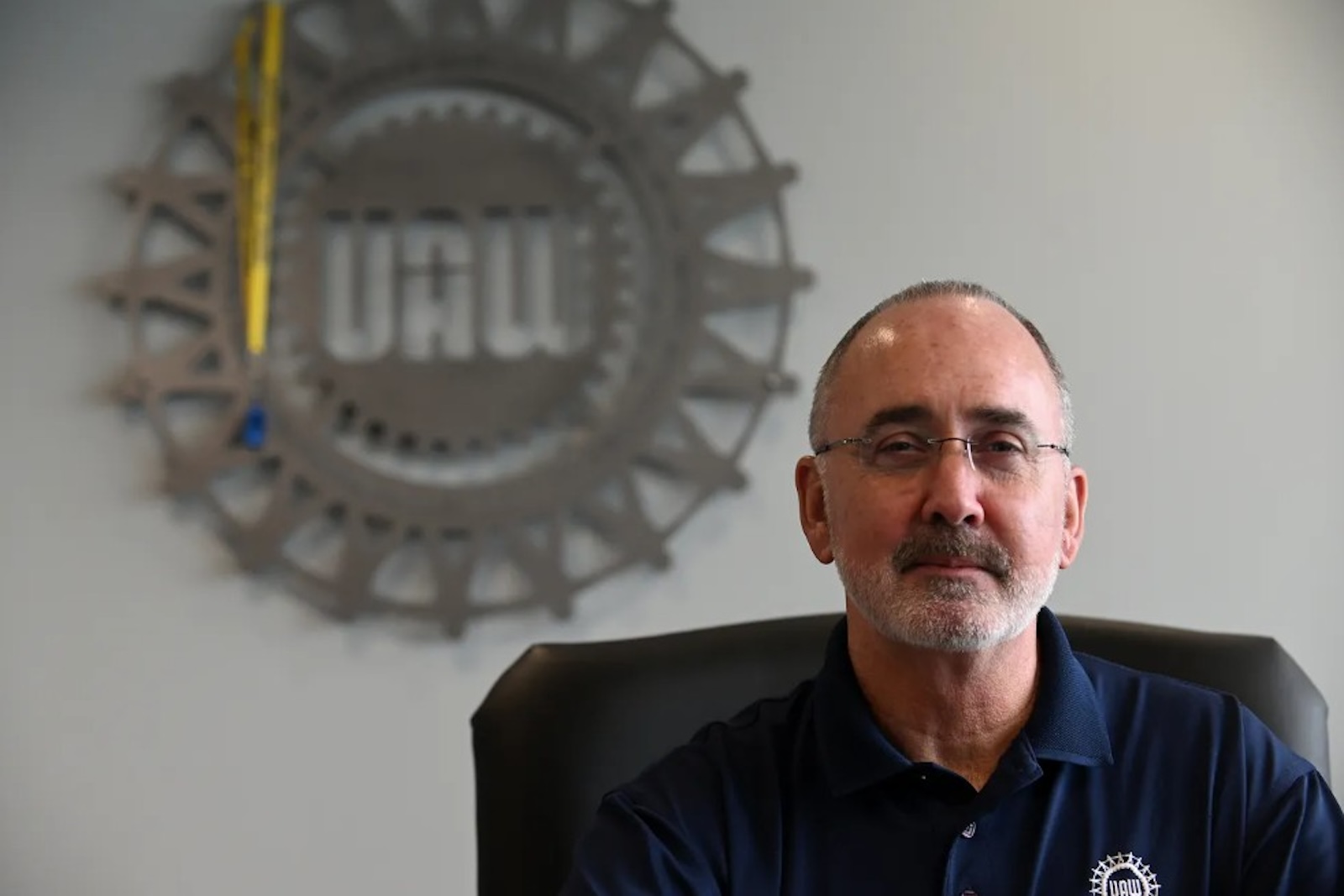
UAW President Shawn Fain needed a victory as he heads into his reelection campaign.
The agreement with Dauch Corp. came as the supply of the axles produced at the Three Rivers plan.for GM was growing short. Workers at the GM Truck Assembly plant in Flint, Michigan, told The Detroit Free Press last week that their factory receives seven truckloads of axles from Three Rivers per day, six day per week/
GM had tried to prepare for a likely strike at Dauch but, by last week, supplies stockpiled before the walkout were running short.
In addition to the threat to GM’s profitability, the strike at Three Rivers also underscored GM’s overall vulnerability to labor shocks. “Long term, GM’s UAW dependency and shrinking U.S. market share versus non-unionized foreign automakers limit upside potential,” noted website Seeking Alpha.



0 Comments