

You just got home from your oil change. Maybe you took your car to a dealership, maybe to a chain like Firestone or Jiffy Lube, or maybe to the independent guy down the street. You’re checking the receipt, and of course you paid more than the advertised $31.95 price. The total came closer to $40.
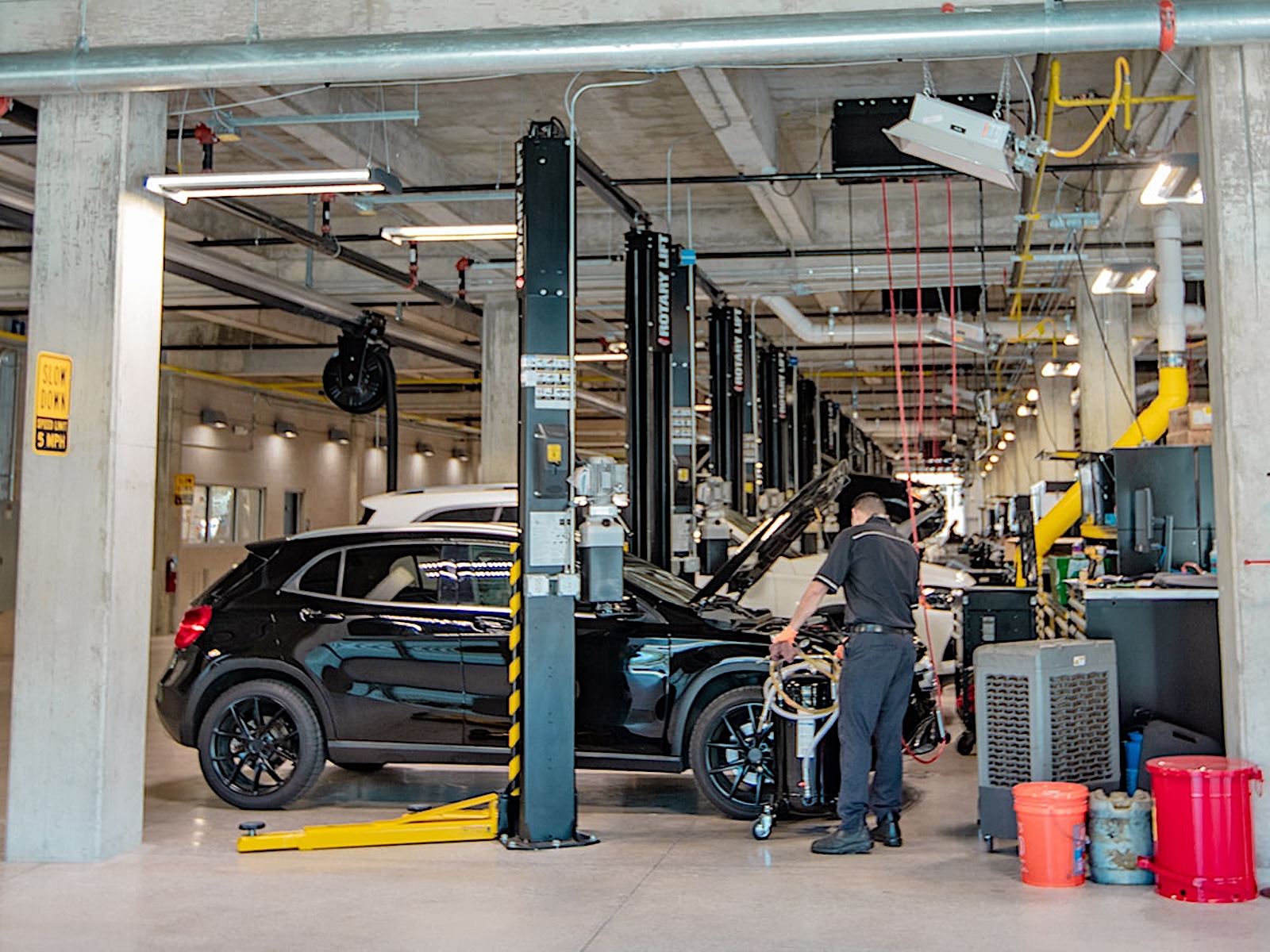
Want to know what those mysterious “fees” you’re being charged are for? We have answers.
You scan the bill. There is the initial advertised price, of course, and some taxes and fees and such. So that’s how the total gets to $40. But one fee stands out to you. It’s $2, maybe $3. It says something like “shop fee” or “supply fee.” You make a note to ask your service writer at the next oil change — you want to know what this fee is.
I can tell you — you basically paid for the towels.
$2 for towels?!?
Yes, the rags that technicians use to wipe up oil that doesn’t hit the drain bucket. The rags they used to cover their hand so they wouldn’t burn themselves removing a hot oil filter. The rags they used to wipe oil off their hands.
You just paid to replace the rags that get too dirty to reuse, and the cost of laundering any rags that are salvageable. Towels and rags are cheap, sure, but no shop is going to eat that cost. So it gets passed on to you — and perhaps, padded a bit in order to bring in a tiny profit.
That last bit, I was never privy to during my time as a service adviser, but I can’t imagine most shops would simply settle for breaking even by passing costs on to the customer.

If the dealership or service station is charging you a fee and you don’t know why, it’s probably some form of upkeep charge.
It’s part of a larger picture — every repair bill has to cover every expense. Customers, who just see the bill broken down into parts, labor, taxes, listed fees like the shop fee, and maybe an assorted unnamed fee, might forget this. The shop’s electric bill needs to be paid. The hourly and salaried employees need to be paid, and the book-time labor paid to the tech is just part of it. Where do you think the money for the porter who washes the car post-service comes from?
Who gets what — and how much
The service adviser is getting a percentage of the sales, either as his whole paycheck or as a bonus on top of a base salary. But there are other costs.
During my time in the trenches, a boss instructed me to pad every estimate by 10% to 20%. This was partly because we’d be more likely to bring the actual price in under the estimate, thus looking like heroes to the vehicle owner. But it was also for “oh f—k” money. If a tool broke, for example, that extra money would pay for its replacement.
Does this system sound less than ideal for the customer? Yeah, it does, but we all learn in Econ 101 in high school or college that businesses pass every cost that they can onto the customer. And if they can pad a little extra profit, they will.
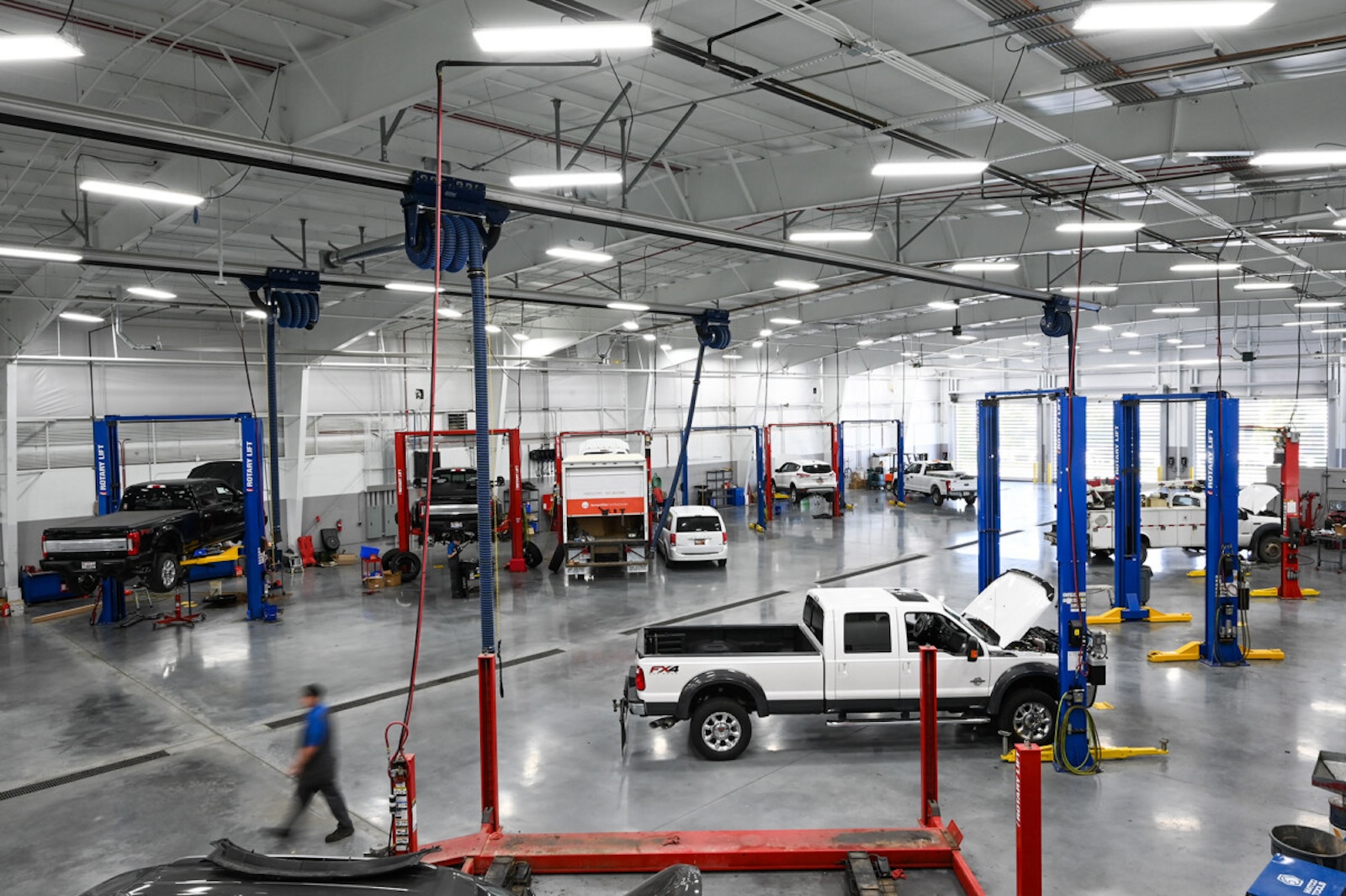
The service department at a dealership is an important revenue producer.
So if the shop figures it’s paying about $2 per oil change in towel costs, it might charge $3. If the shop does four oil changes in an hour, eight hours a day, five days a week, that’s 160 oil changes — and 160 bucks.
How to combat it
There’s very little you, the consumer, can do about this. If you’re a loyal regular, you can try to politely argue, and you might get some fees waived. Service advisors are instructed to give reasonable discounts in order to keep a customer happy and returning, and they’re empowered to change the price. And if any reduction in shop income is coming out of the shop’s budget and not their commission, so much the better.
You can also simply shop around for places that charge less overall for oil changes.
So, yeah, when you get your oil changed, you’re paying for dirty towels. It’s the cost of doing business.
Just wait until you hear the profit margins on fluid flushes — or how book time can leave you paying for a tech to take a coffee break.



0 Comments