
(This story first appeared on TheCarCollective on Substack. You can visit that site by Clicking Here.)
Imagine plugging in an EV with a nearly drained battery and having it ready to go again in less time than it takes to get in and out of your favorite coffee shop. That’s a reality, at least in China, where Geely this week revealed its latest high-speed charging system.
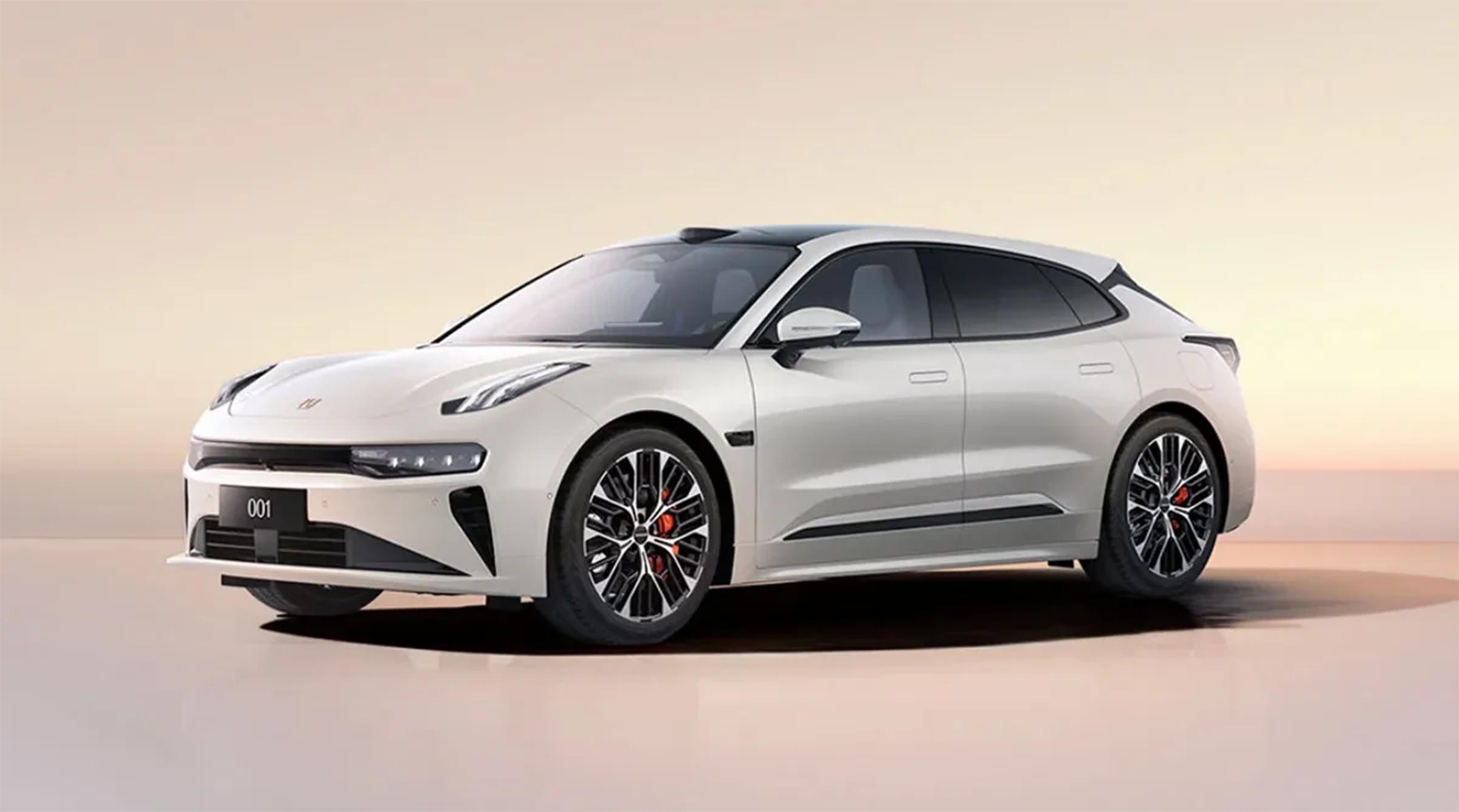
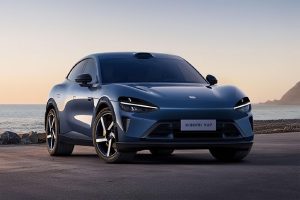
Geely has tested the new charging system on several of its EVs, including the Zeekr 001.
When it comes to winning over motorists to battery-electric vehicles, there are a variety of challenges, including price, range and charging.
A number of lower-cost models are starting to come to market, some delivering well over 300 miles of range. Public charging stations, meanwhile, are becoming increasingly common. The next big hurdle: speeding up the charging process.
With some EVs that can take over an hour, though a number of recent models have cut that time in half. But Geely this week took things to a new level, revealing new technology capable of going from a 10 to 70% state-of-charge in just 4.5 minutes. The third-largest of the Chinese automakers is just one of several among that country’s domestic brands to unveil ultra-fast charging systems this past year. Unfortunately, such technology could still be years away from availability in the United States.
Quicker than a stop at Starbucks
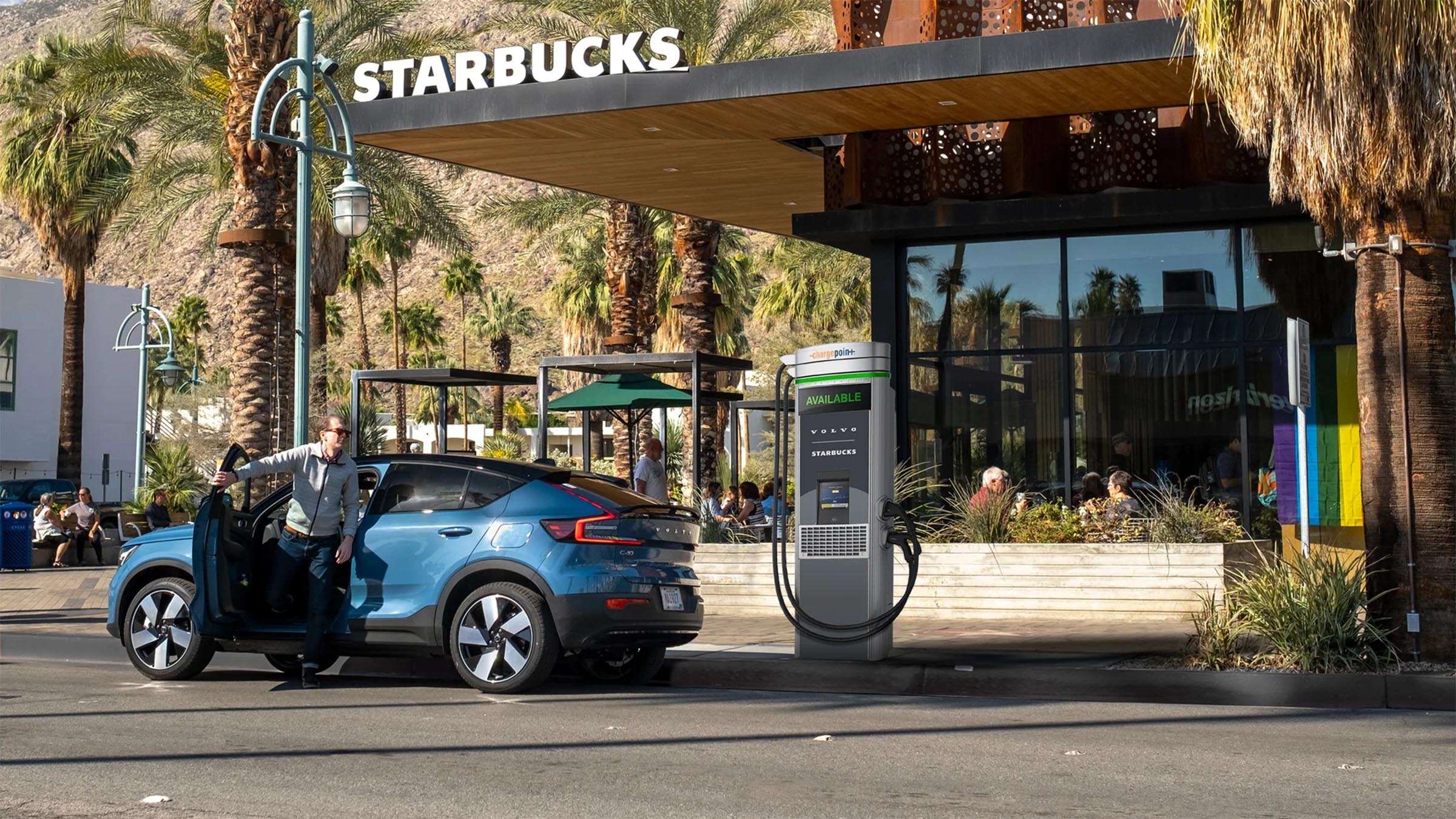
More and more charging stations are being located where there’s something to do while plugged in, such as at this Starbucks.
It’s become increasingly common for public charging companies to set up their stations at or near supermarkets, banks and fast-food restaurants. That can minimize the pain of a lengthy plug-in session by giving EV owners something to do while waiting, rather than streaming videos.
In China, plug-based vehicles –including PHEVs and EVs – have so far accounted for 60.4% of new sales this year. And while the Beijing government has pressured automakers to accelerate adoption, rapid charging is a key part of the appeal with so-called New Energy Vehicles, all the more so with pure battery-electric models.
Even as manufacturers like market leader BYD, second-ranked Chery and BYD race to bring out newer, more affordable product offerings, they’re also rushing to address the issue of charging speed. And their latest technologies make it possible to stop, plug in and have the battery pack all but fully charged in the time it might take to place an order at Starbucks.
Fast, faster, fastest
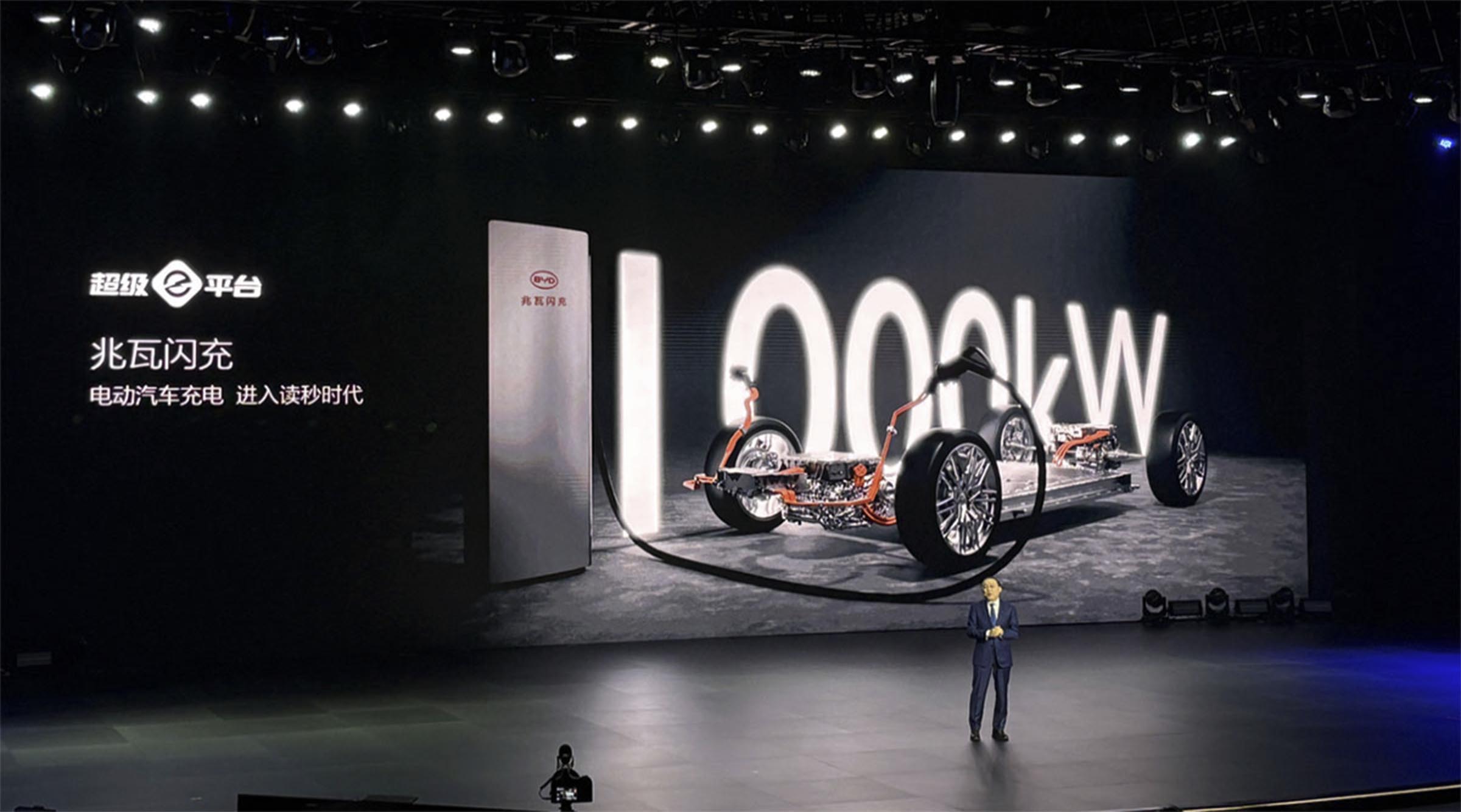
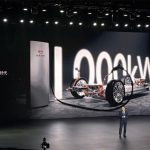
BYD officials revealed their new Megawatt charging system last March.
Last March, BYD announced a system that achieved what was long seen as unattainable. Its latest “blade battery,” the company claimed, could go from 10% to 70% in five minutes, and from 10% to 97% in 9 minutes.
Geely this week undercut those numbers, if ever so slightly, with its system going to 70% in 4.5 minutes and 97% in 8 minutes 40 seconds.
But they’re both lagging behind in the speed race, CATL, the world’s largest producer of automotive batteries claiming in April its technology can go from 10% to 80% in 3 minutes 44 seconds. It promises to take just 6 minutes 27 seconds to go from 10% to a 98% state-or-charge.
More Auto News
- White House Takes Aim at Ford Over China Ties
- Has SRT Found the Answer to Turbo Lag?
- Dodge Debuts Charger Super Bee – But There’s More Coming
How does it work?
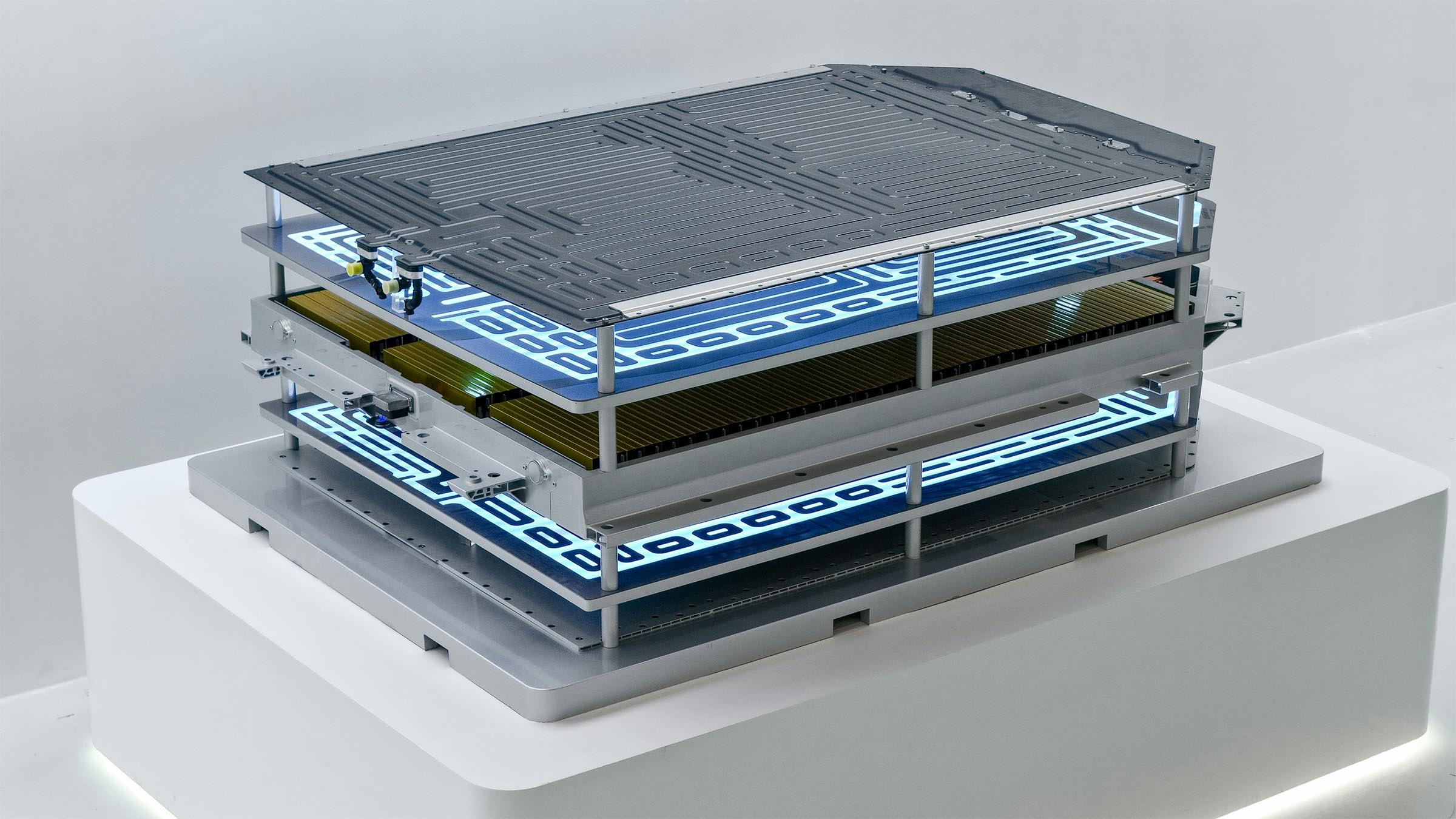
A pack using Geely’s new Shendun Golden Battery.
Delivering blindingly fast charging speeds requires a number of steps.
For one thing, automakers and their battery suppliers have had to come up with some critical breakthroughs in battery chemistry, as well as the form factor of individual cells.
They’re switching to new power chips that can operate at power levels as high as 1,500 volts. Most of the EVs in use in the U.S. today run at 400 volts, though more and more are speeding things up by switching to 800V and even 900V electrical architectures. The technology does require more expensive gallium arsenide chips.
Then there are the chargers which can deliver as much as a megawatt of current. That’s nearly three times more than the fastest chargers found across the U.S. and Europe.
The small print
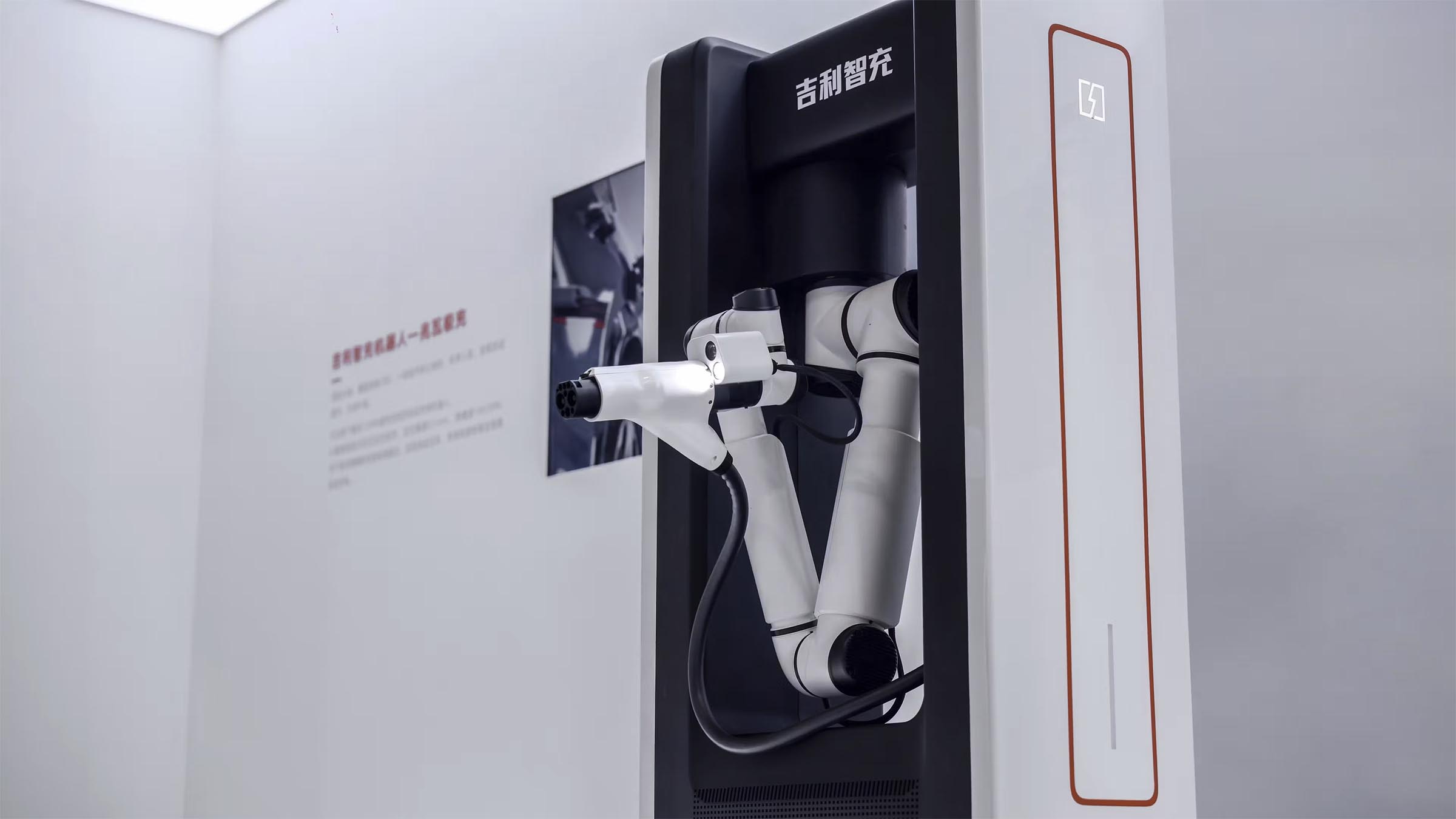
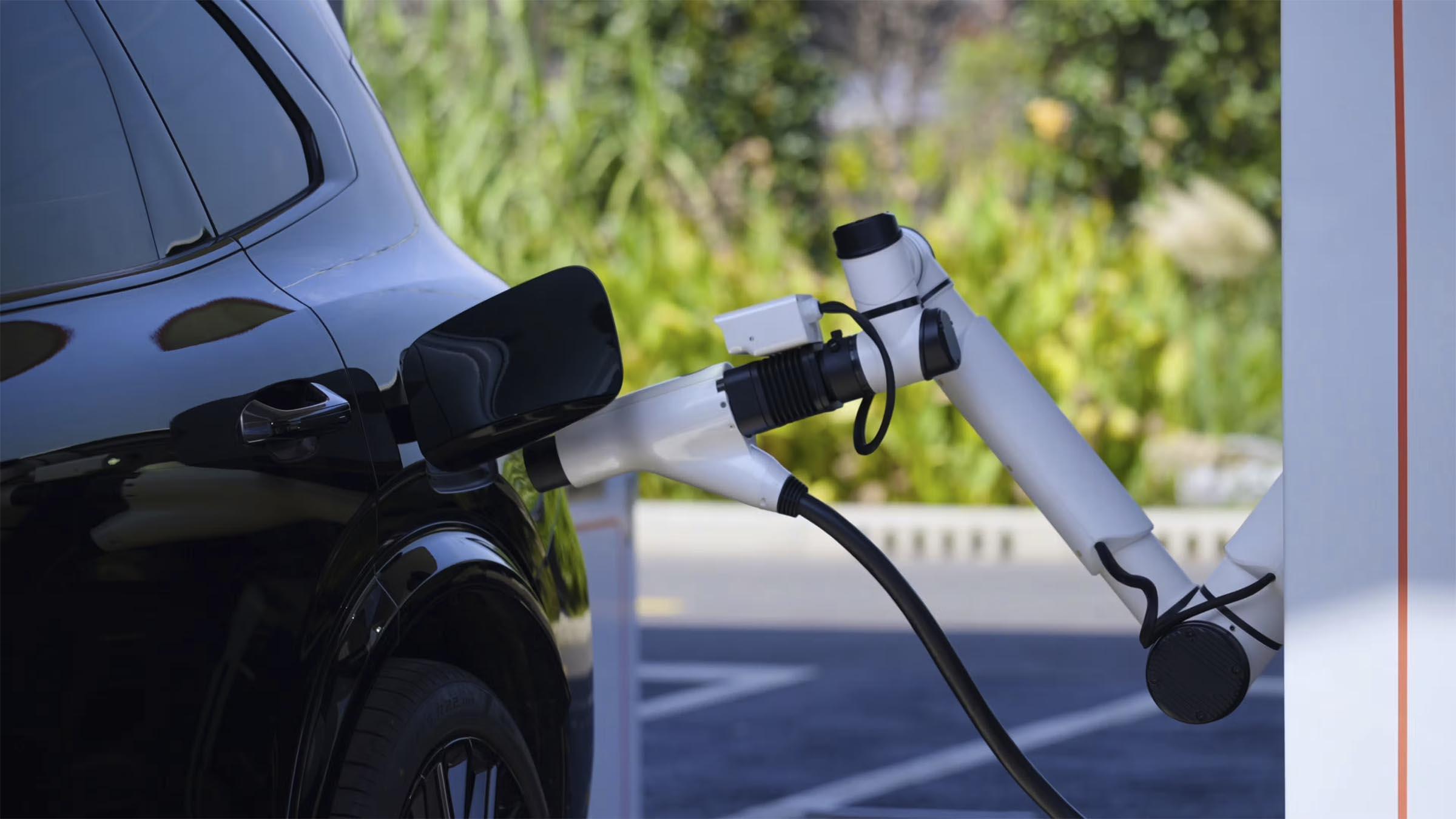
A Geely robotic charger can plug into one of its vehicles automatically. It hopes to have 90,000 superfast stations in operation by late 2028.
“China is way, way, way ahead in terms of multiple players engaged in the charging competition,” Lei Xing, an independent analyst of China’s auto industry based in Easthampton, Massachusetts, told the AP.
While this might seem to be the sort of breakthrough that could make it hard to say “No!” to an EV, potential buyers need proceed with caution, however.
For one thing, it remains to be seen if the batteries these manufacturers have developed can live up to expectations in extended, real-world use. A study of nearly 23,000 EVs released earlier this year by Geotab found that vehicles regularly plugging into chargers of more than 100 kW DC showed faster degradation – meaning reduced range – than those using slower chargers, especially the more common Level AC chargers often used at homes and offices.
That said, the Chinese automakers claim they’ve taken steps to reduce such degradation by, among other things, using upgraded cooling systems to wick away the heat created during fast charging sessions. Heat is a primary enemy when it comes to battery life.
Even if that proves true, it’s far from certain how common the necessary super-high-power chargers will be in the next few years. But BYD appears committed to putting the necessary infrastructure in place. According to a report by Deutsche Bank, the automaker – its name short for “Build Your Dreams” – plans to have 20,000 superfast stations in operation in China by the end of this year and 90,000 by late 2028.
When is this coming to the U.S.?
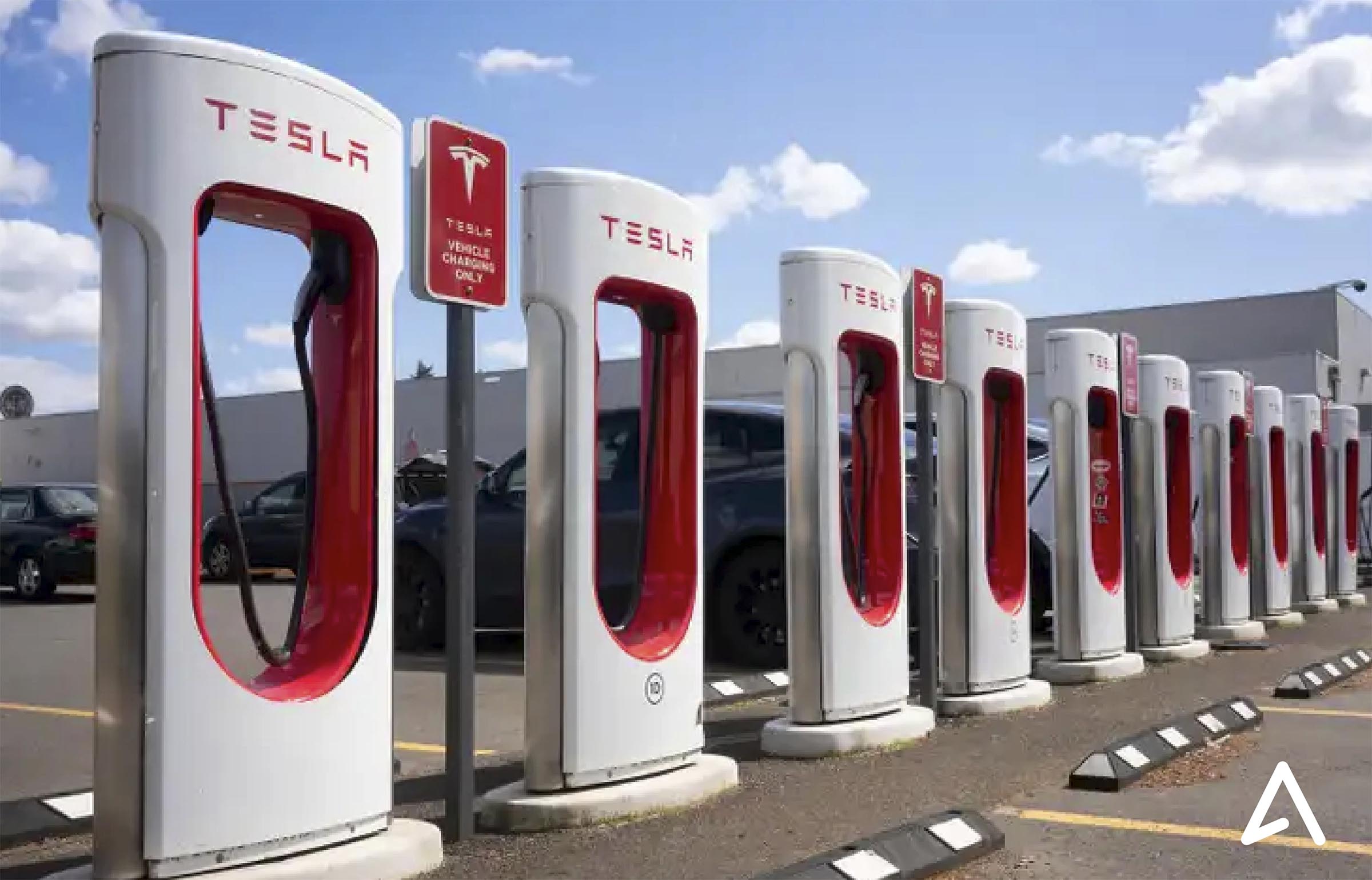
While many U.S. charging stations are getting upgrades, with power of 350 to 400 kW, that falls well short of what the Chinese superfast systems can deliver.
The simple answer: likely not soon.
The most optimistic answer would be if “the Chinese get approval to build and sell EVs in the U.S.,” said Sam Abuelsamid, lead analyst with Telemetry Research. “If they do, we could see those charging speeds by the end of the decade” since they’d likely also set up their own large-scale charging network, much like Tesla has done with its Superchargers.
Right now, however, there are virtually no Chinese-made vehicles available in the U.S. And while Pres. Donald Trump is floating the idea of inviting companies like BYD and Geely to set up plants here, there’s growing support for a bipartisan bill now under study in Congress that would ban those companies and even lock them out of joint ventures with American partners.
With EV sales falling sharply since Congress phased out tax credits last year, meanwhile, there’s less enthusiasm to break ground on charging technology that would add cost while delivering questionable sales gains. The U.S. focus is on driving down EV pricing. Ford, for example, will launch its all-new Fathom pickup at just under $30,000 next year, while the Blank Slate pickup due in the coming months will launch at around $25,000.
If the Chinese don’t get the go to enter the U.S. market, cautioned Abuelsamid, “We will have to rely on the Western automakers,” as well as those from South Korea and Japan. Charging speeds are improving a bit and going from 10% to 80% in under 30 minutes is more common with the latest EVs sold in the U.S. But getting that down to the point you can charge up faster than it takes to fill a gas tank? “I wouldn’t expect to see those speeds until a t least the mid-2030s.”


I can fill my tank in 5 minutes, without going to China.
You might enjoy it there.