
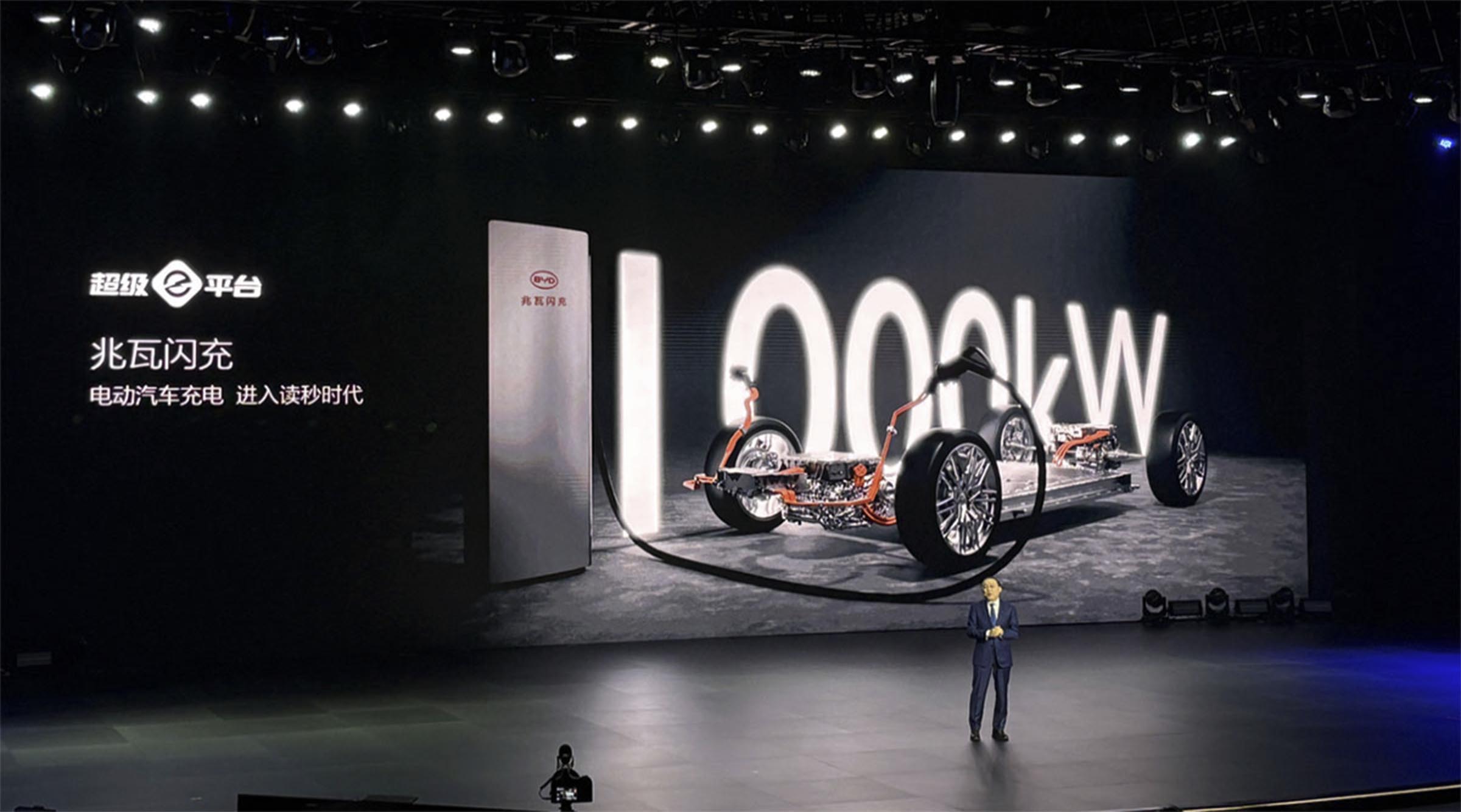
It’s easy to write off EVs, at least if you live in the U.S. where sales and market share have tumbled since federal tax credits phased out last September. It’s a very different story in a number of other global markets, starting with China where pure electric models now account for a third of all sales. More from Headlight.News.
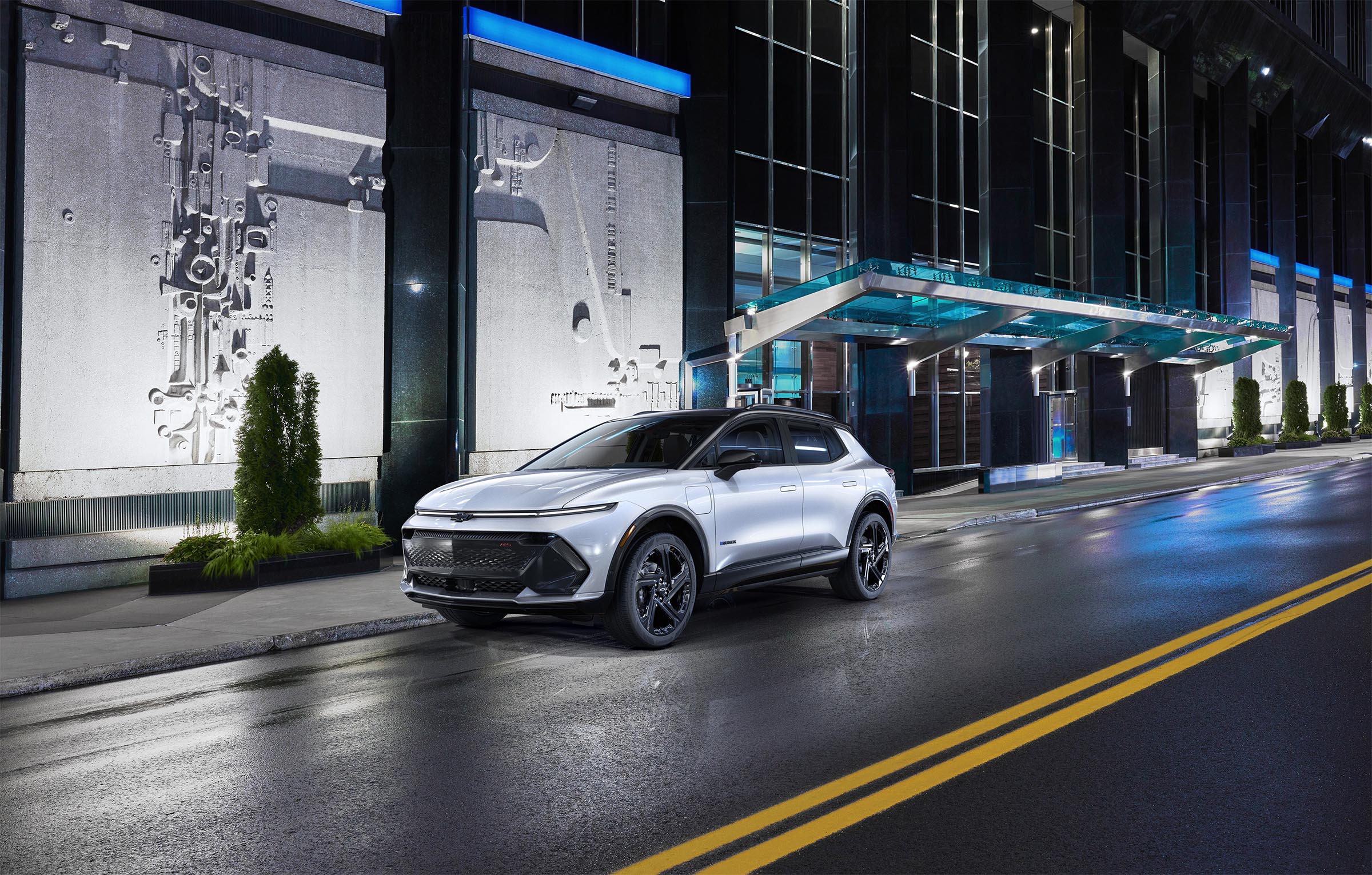
Demand for EVs like this Chevrolet Equinox has cratered in the U.S. this year.
The American EV market took a gut punch last September when federal tax credits were phased out. After a decade of growth and expectations of an even more substantial shift to battery power under Biden-era regulations, the market all but collapsed. While there’s been some signs of energy, if you will, what with the Iran War sending gas prices surging , EVs currently account for just over 6% of U.S. new vehicle sales.
That’s sent manufacturers at every level rethinking electrification plans – the industry collectively writing off about $55 billion last year, according to Reuters.
Conventional wisdom suggests that EVs are all but dead. And if you’re looking solely at the U.S. market there’d be reason for such pessimism. But a global view presents a very different picture. Take Norway, where EVs now account for about 97% of new vehicle sales. Then there’s China, EVs now accounting for a third of all sales in the world’s largest automotive market.
Reports of the EVs death have been greatly exaggerated
It’s another matter entirely outside the U.S. where EV demand is surging.
While EV sales may have tumbled in the U.S. last year, it’s an entirely different story almost anywhere else you look. Worldwide, the International Energy Agency expects EVs to account for fully 29% of all vehicles sold worldwide this year, according to a report published in July.. That’s up from 25% in 2025, the IEA said, and would come to around 23 million vehicles in total.
That’s all the more significant coming at a time when the overall automotive industry is slowing down in the face of headwinds that include new trade barriers and rising fuel costs.
That brings to mind a comment made by Mark Twain following an incorrect newspaper report of his demise. “The report of my death is an exaggeration,” he said.
Unstoppable
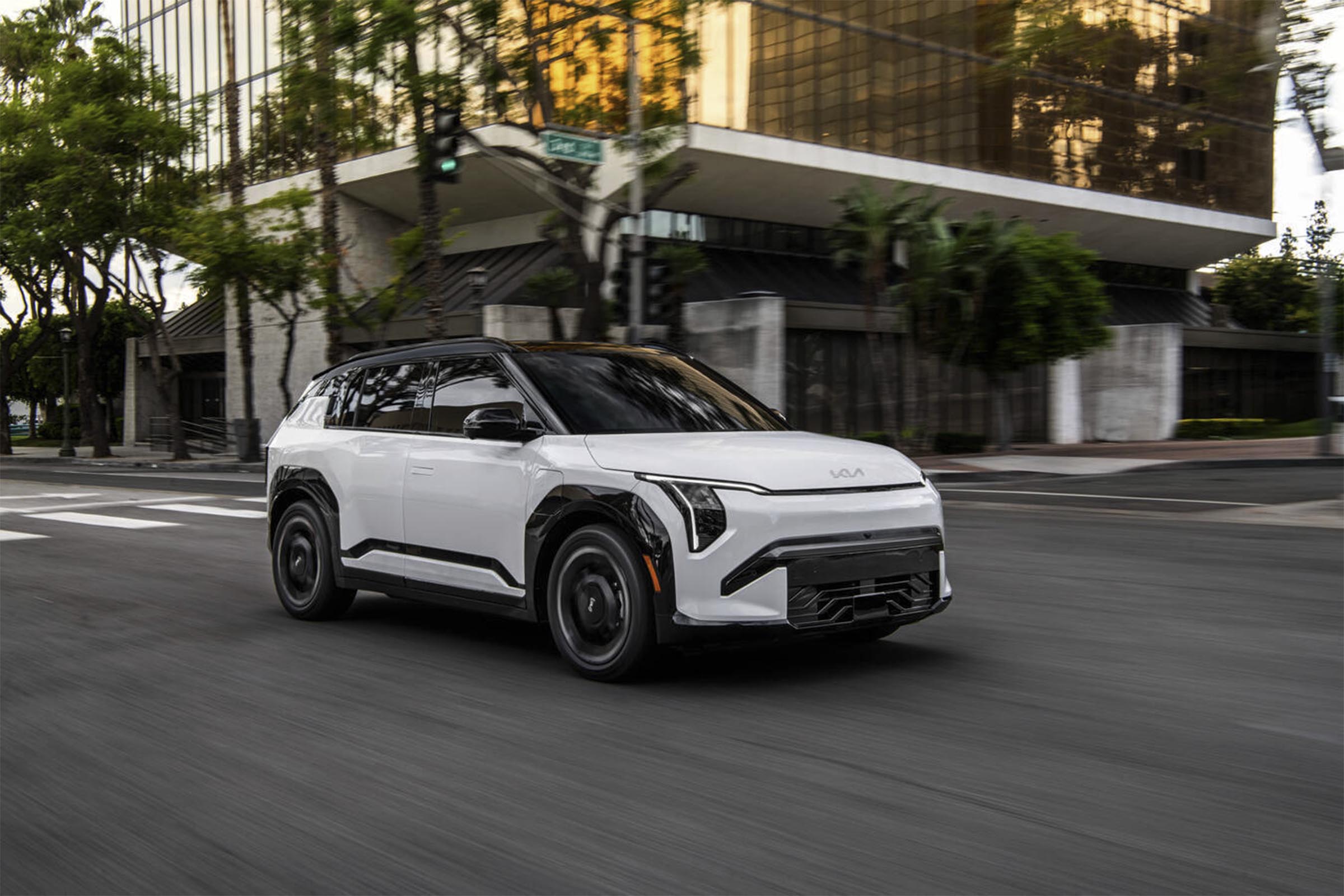
Smaller EVs, like this Kia EV3, have clicked with buyers in Europe.
The reality is quite the contrary, it appears. “After a rocky start, the transition to electric vehicles now seems unstoppable,” wrote Jan Rosenow, a climate policy expert and professor at the University of Oxford wrote in a Substack post this week.
“For years, electric vehicles were treated as an interesting experiment,” he wrote. “Critics argued they were too expensive, batteries would never improve enough, charging infrastructure would always be inadequate, and consumers simply preferred petrol and diesel cars. Today, that debate is largely over. The question is no longer whether EVs will take over the market, but how quickly.”
There are a variety of factors influencing the surge, including improved batteries available at lower costs.
More Auto News
- Hybrids Charged Up U.S. Auto Sales
- Has SRT Found the Answer to Turbo Lag?
- Dodge Debuts Charger Super Bee – But There’s More Coming
China in the lead
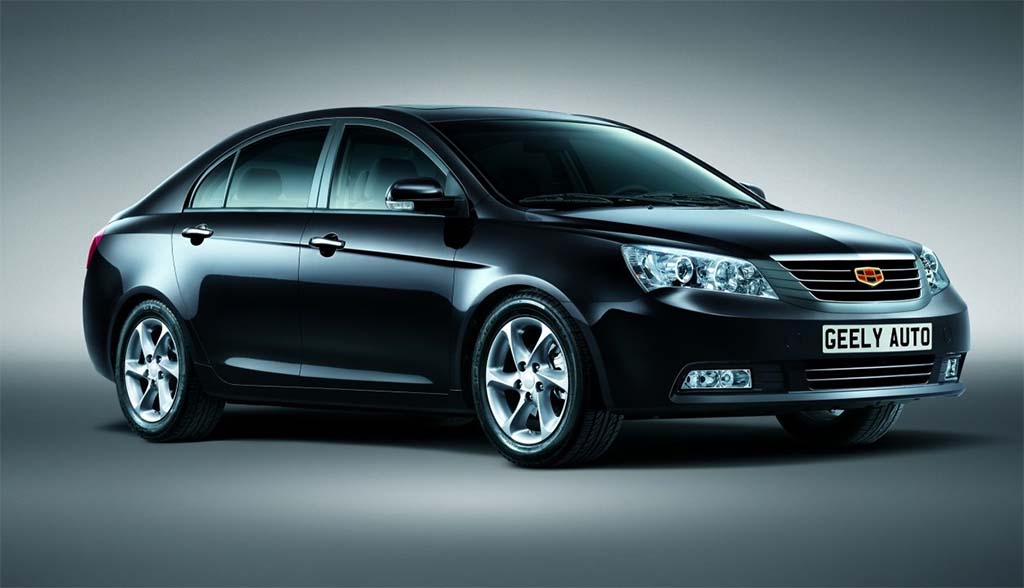
Chinese domestic automakers are rolling out new products like this Geely Emgrand EV at a rapid pace.
Despite the slump in the U.S. – which experts contend is heavily influenced by the politics of the Trump administration – EV demand is rising in virtually every global market.
Much of the surge is driven by China which remains the world largest producer of batteries – as well as the raw materials used in battery plants in other parts of the world, including the U.S. At the same time, domestic Chinese automakers have emerged as industry powerhouses, rapidly overwhelming the foreign manufacturers who had long dominated that market. While some companies, notably BYD, produce a mix of powertrain technologies, others have chosen to focus exclusively on plug-based technologies, including BEVs and PHEVs.
Significantly, these companies have also gained strength at a time when China has become an automotive export powerhouse, shipments to foreign markets jumping from 1 million in 2019 to an anticipated 10 million this year, according to trade data. During the first quarter of this year, BEVs made up 39% of Chinese auto exports, with plug-in hybrids adding another 17%, according to the China Passenger Car Association.
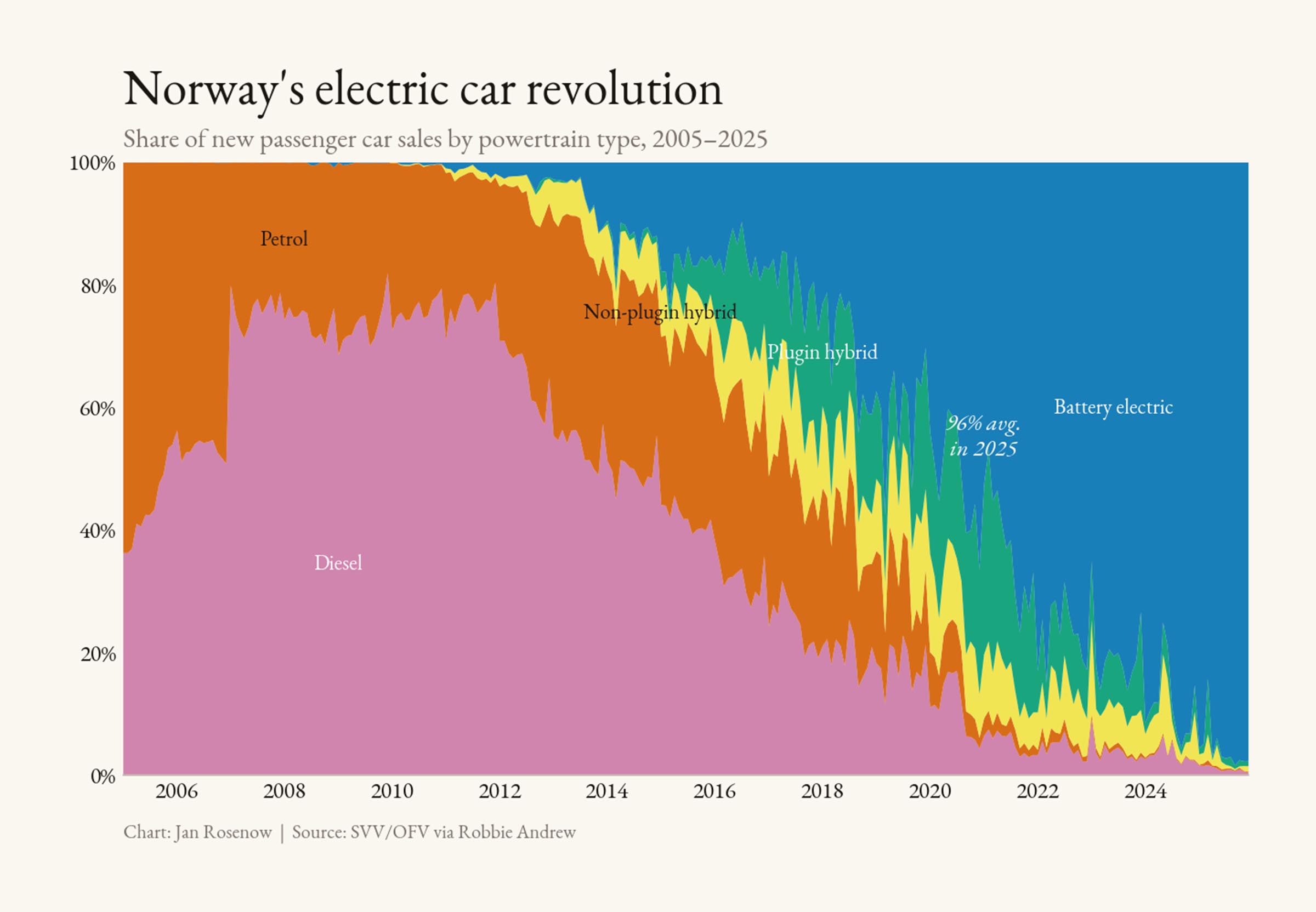
This chart shows the explosive growth of the Norwegian EV market. Courtesy: Prof. Jan Rosenow, Univ. of Oxford.
EVs are gaining traction in unexpected places
But it’s not just China where EV sales are growing. While European demand has fluctuated over the last couple years, all-electric models rose to 24% of total demand in June. In some national markets, BEVs make up the vast majority of sales – 97% in Norway, for example, and 42% in Sweden.
Hefty incentives certainly have helped, as have regulations aimed at fostering a complete switch to battery power – though European Union regulators are under heavy industry pressure to cancel or delay plans that would require such a transition in the coming decade.
Surprisingly, it’s not just developed nations seeing the transition, however. In Mexico, EVs now make up 5.5% BEVs, and the segment is growing thanks to the import of low-cost models from China. Then there’s Ethiopia. The country in 2024 enacted a near-total ban on the import of gas and diesel-powered vehicles, taking advantage of the fact that over 90% of the country’s energy comes from renewable sources. Analysts tracking the market, located in the African Horn, expect EVs will account for anywhere from 60 to 90% of new vehicle sales this year.


the China EVs are 50% coal powered, Germany 25%. I’m OK with that, are you? At one time Germany generated 25% from Nukes till Merkiel had her brain fa#t.
You do know that China’s dependence on coal is down from 60% just a few years ago. And it’s targeting something closer to 30%. Considering the low cost for them to install solar and wind, that’s a do-able target. Meanwhile, there are a variety of studies that show that EVs running on coal still produce lower CO2 emissions and, depending upon the plant, lower NOX and other harmful emissions, than cars running on gasoline. (In the U.S., it’s ALWAYS cleaner to run an EV even in regions like W VA heavily dependent upon coal.) In Germany, renewables are rapidly replacing even that coal dependence. It’s intriguing that Texas currently gets 37% of its energy from renewables with a 50% target. The percentage of renewables is going up absolutely everywhere. Oh, and before you talk about reliability…that’s going up, as well. The Texas mess of a few years back was entirely predictable and was caused by cost-cutting in the design of its wind turbines. The same, properly prepped turbines operate flawlessly all over the snow and ice belts of North America.
Paul E.
Glad to see you’ve come around to coal. Admit it, you’re really a MAGA guy.
The whole Trump administration policy on this is so short sighted and stupid. Why not try and be the leader in this filed as opposed to encouraging the US to fall behind? I know, Trump thinks this is what his billionaire buddies want (except for Musk). For someone who is allegedly concerned about China, he sure doesn’t act like it.