
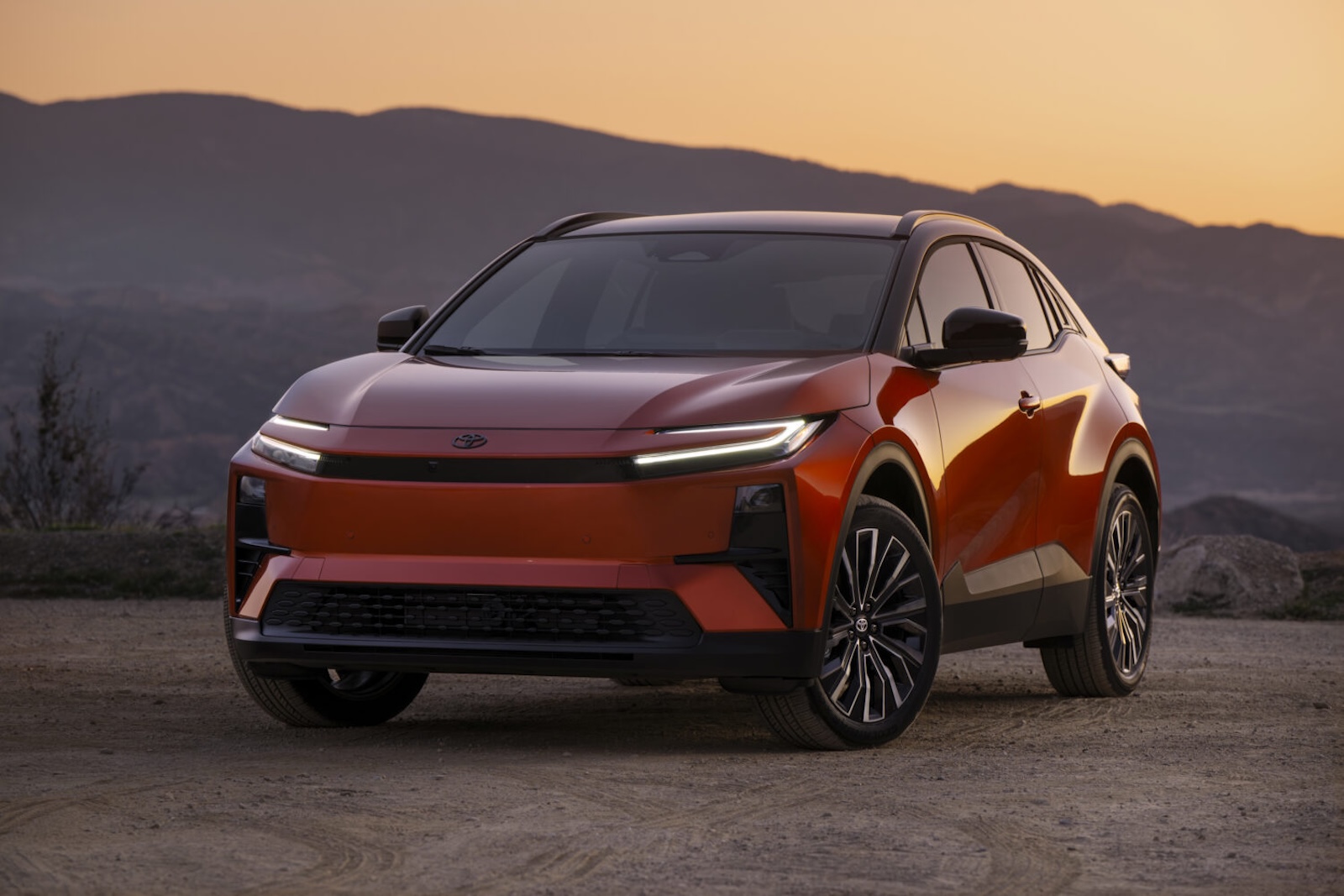
Nowhere else is everything that’s old new again like the auto industry. Toyota’s the latest to bring us back to the future with the 2026 C-HR XSE. And while its predecessor was a small, gas miser, the new variation is a powerful, stylish, electric-only model that could benefit from some more range.
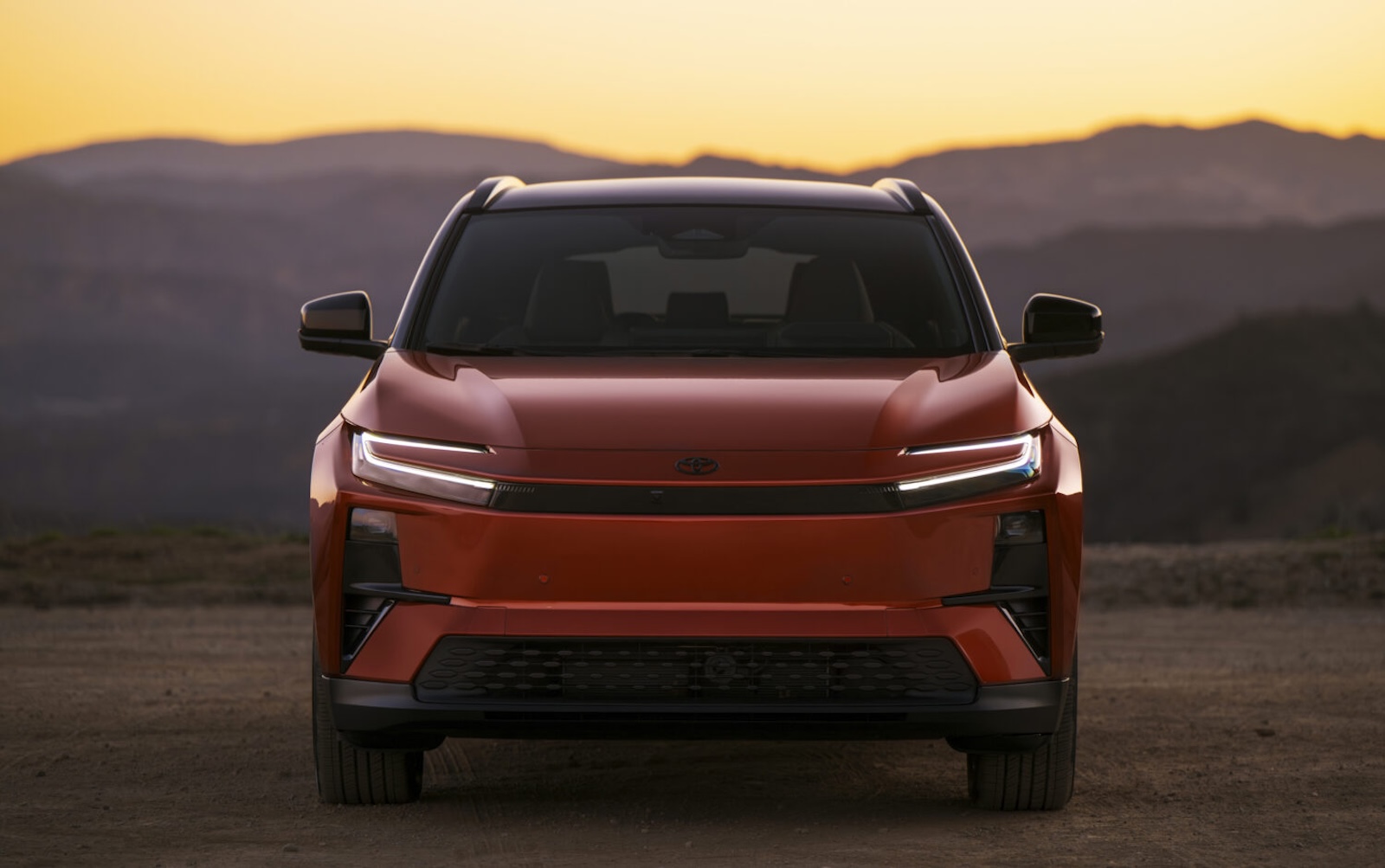
Toyota’s the latest automaker to bring us back to the future with the 2026 C-HR XSE.
Toyota has resurrected the C-HR, which disappeared from the U.S. market after 2022. The 2026 Toyota C-HR returns as an all-electric subcompact crossover. It gave up an old 4-cylinder engine for a 74.7-kWh battery, adds dual electric motors and standard all-wheel drive (AWD), and produces a startling 338 horsepower.
In other words, Toyota didn’t simply bring the C-HR back. It gave the nameplate an attitude adjustment. The new attitude isn’t just under the hood, er, car. It’s everywhere.
Bringing some heat
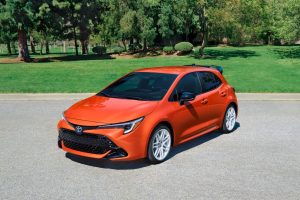
The C-HR’s strongest selling point may be the thing you notice before you ever get behind the wheel: it looks fantastic.
Toyota has given the C-HR a dramatically angular exterior that emphasizes its coupe-like proportions. The roofline slopes toward the rear, the body is heavily sculpted, and the front end has the increasingly familiar Toyota EV appearance without simply looking like a smaller version of another model, which is becoming a bit problematic for the Japanese brand, in my opinion.
The result is considerably more interesting than the typical subcompact crossover. The C-HR looks like Toyota’s designers were actually allowed to have some fun. And as part of that, they wanted something that looked fast while meeting the mission of being a comfortable, utile crossover.
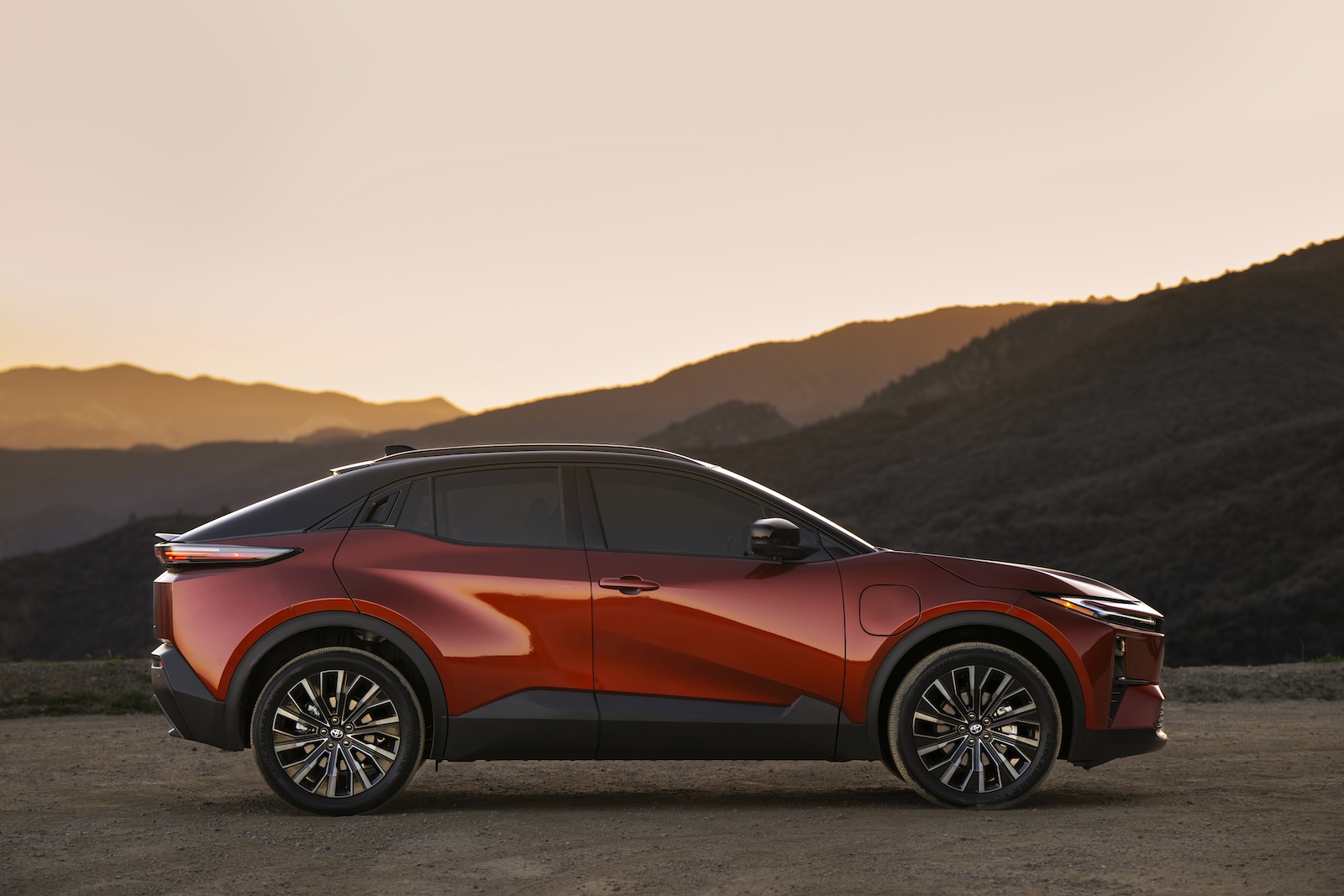
Toyota has given the C-HR a dramatically angular exterior that emphasizes its coupe-like proportions.
The SE rides on 18-inch wheels, but our XSE tester gets 20-inch gunmetal-finished wheels. The XSE can also be ordered with a two-tone exterior, including a contrasting Midnight Black roof. Again, out tester hit the mark with the Tandoori and Midnight Black combo. It’s aggressive, but not cartoonish.
On the inside, it’s comfortable and the seats are good, but spacious, it’s not. It can be tough to get into. Two passengers hit their heads getting into the C-HR. And there’s a reason for it: the sloping roof and relatively small proportions don’t make the C-HR the ideal vehicle for hauling people and cargo. But buyers interested in this segment aren’t necessarily looking for maximum utility.
This is a crossover for a couple. I was hard-pressed to take three people and three sets of golf clubs to an outing in the C-HR. It was disappointing to be honest. But upon further review — especially the price, which we’ll get to later — I needed to see it in a different light. The C-HR is small, efficient and distinctive — and good at it.
Get up and go
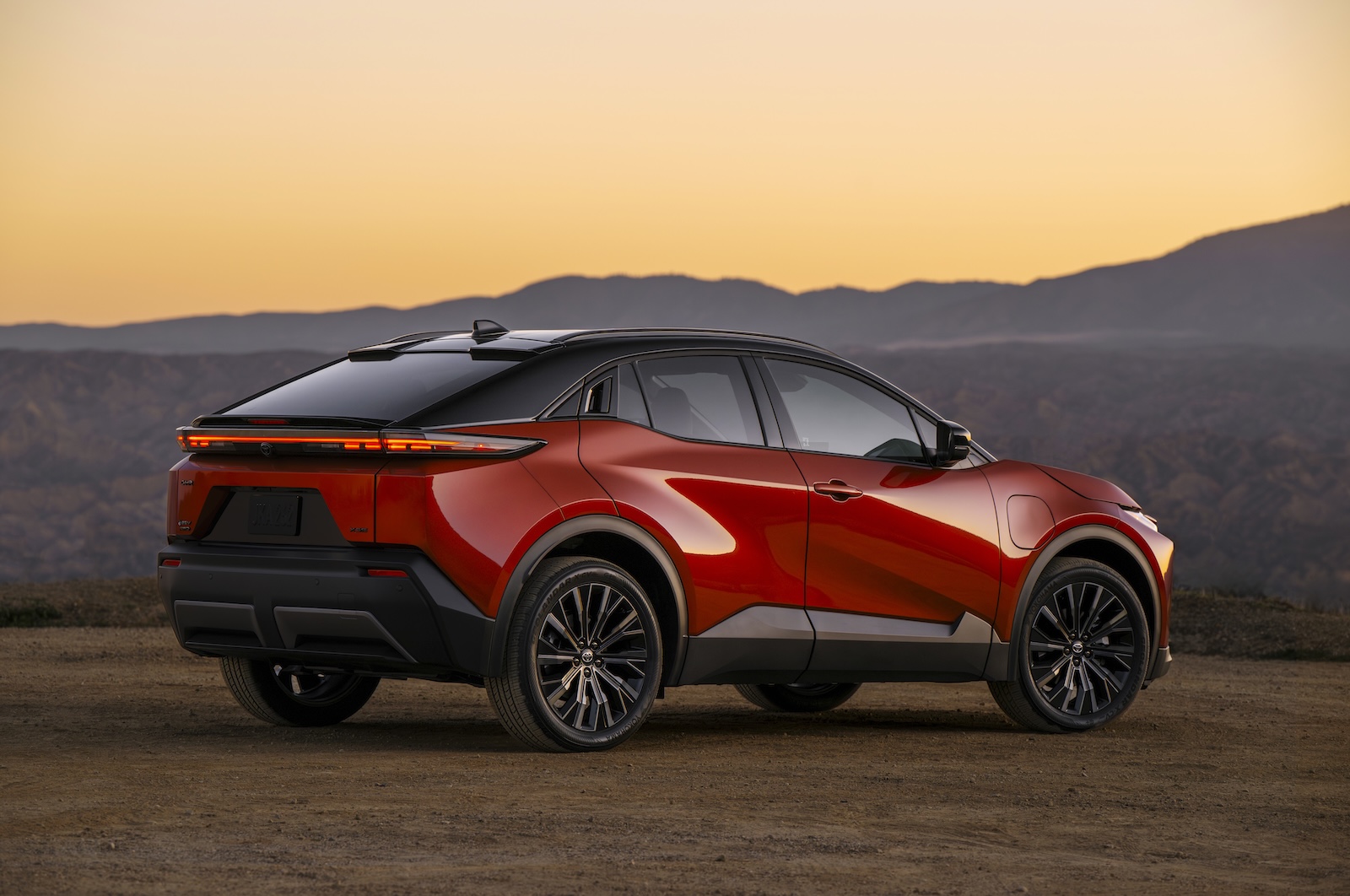
he C-HR uses two electric motors, one driving each axle, giving every C-HR standard AWD.
EVs are known for two words: Instant Torque. Those words apply here. The C-HR uses two electric motors, one driving each axle, giving every C-HR standard AWD. Combined output is 338 hp, and Toyota estimates a 0-to-60-mph time of just 4.9 seconds.
That’s plenty of get up and go in a small package. And yet, outright speed isn’t the whole story. The C-HR is quick, but it isn’t necessarily a sports car, and the steering reflects that. But it’s an EV, that natural feel so many clamor for isn’t coming in the C-HR or any EV. I would say body roll wasn’t too bad, but more pronounced than I expected. It’s a reminder that it’s a crossover, not a sports car.
It is quiet, comfortable and quick, plus its some fun on a curvy road, even if it’s not race-car precise. Its standard AWD is particularly attractive for buyers who deal with rain, snow and slippery roads.
When you’re done trying to see how fast you can go, it gets recharged using a NACS charging port, giving owners access to Tesla Superchargers as well as other compatible charging networks. Toyota says DC fast charging can take the battery from 10% to 80% in approximately 30 minutes. It’s not too bad. What’s underwhelming is the range of 287 miles for the SE and a mere 273 miles for the XSE. I was shocked it was less than 300 miles.
Plenty of gizmos
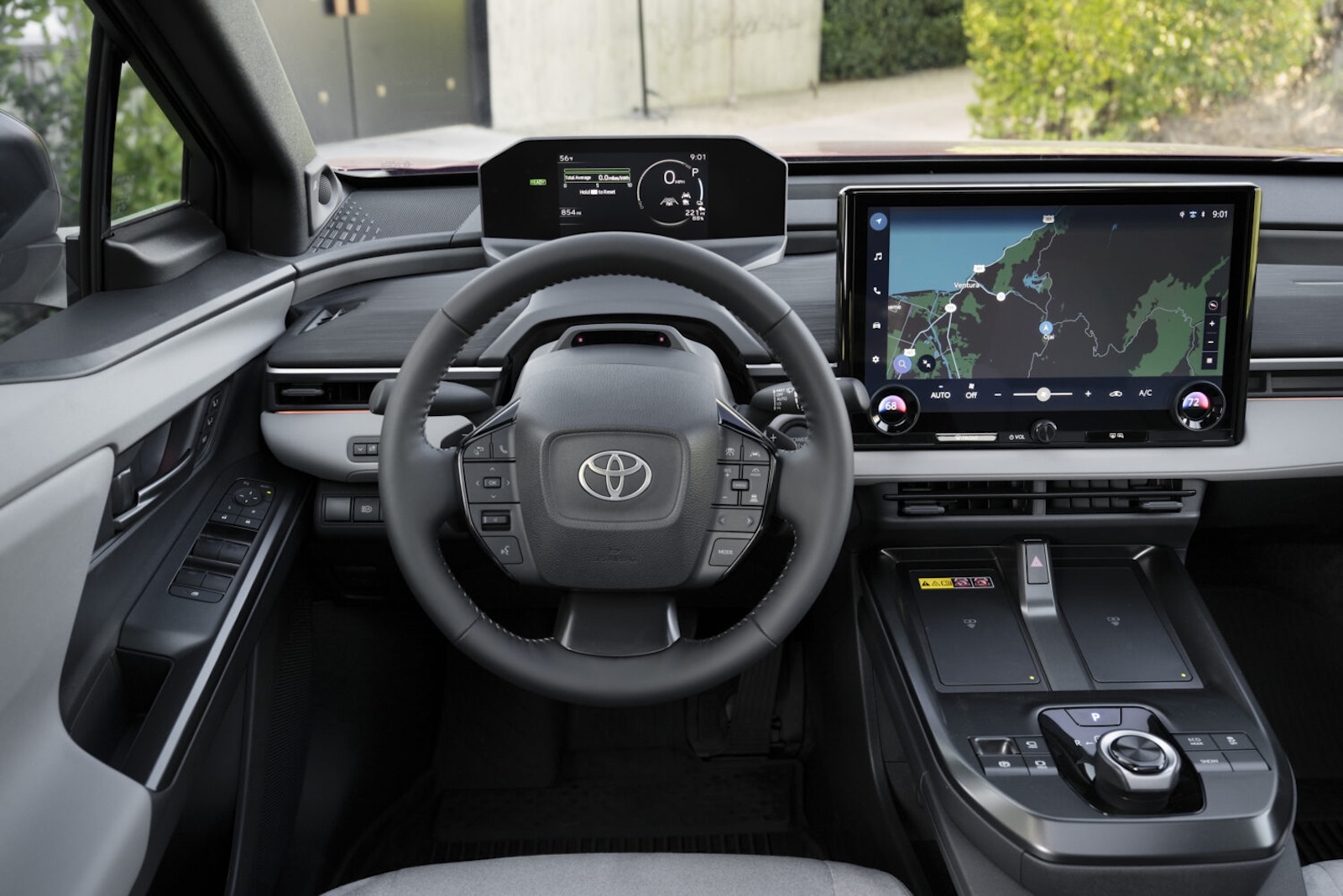
The dash features a 14-inch Toyota Audio Multimedia touchscreen. It provides wireless Apple CarPlay and Android Auto, and two wireless charging pads.
Inside, Toyota has created an environment that feels substantially more sophisticated than the C-HR name might suggest.
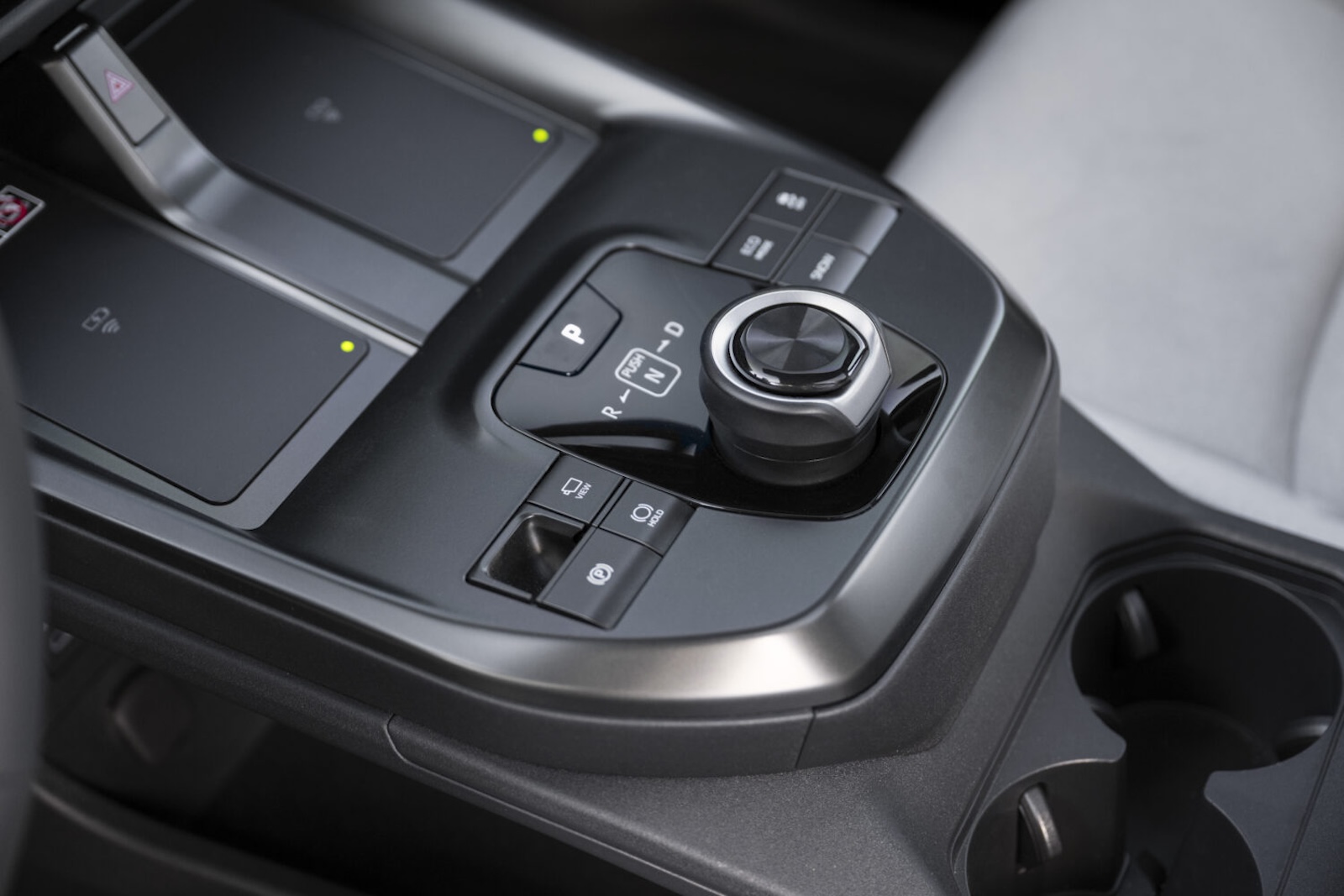
The centerpiece is a 14-inch Toyota Audio Multimedia touchscreen. It provides wireless Apple CarPlay and Android Auto, while two wireless charging pads and multiple USB-C ports make the cabin friendly to modern devices. The XSE can also be equipped with a nine-speaker JBL audio system.
The interface is generally straightforward, and Toyota wisely hasn’t eliminated every physical control in favor of touchscreen menus. That’s important because climate and vehicle functions are easier to operate when you don’t have to hunt through software while driving.
The C-HR also offers a substantial collection of connected services. Depending on the configuration and subscription status, features include cloud-based navigation, an Intelligent Assistant, remote vehicle functions and other connected services through the Toyota app.
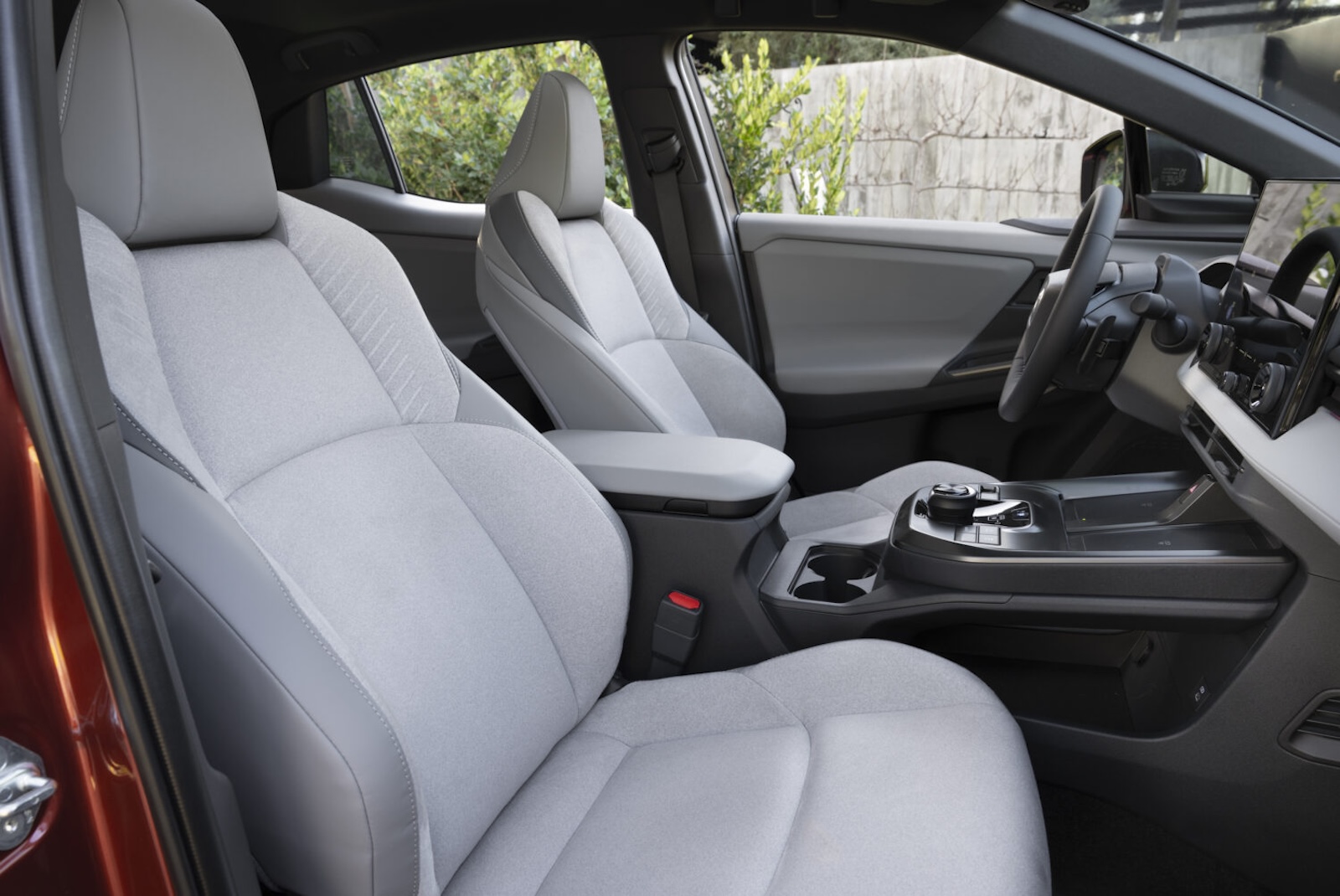
Soft-touch materials, and on the XSE the SofTex and synthetic suede upholstery, certainly give the C-HR a premium appearance.
Toyota Safety Sense 3.0 comes standard. The package includes automatic emergency braking with pedestrian detection, adaptive cruise control, lane-departure warning, lane-tracing assistance, automatic high beams and road-sign recognition. Blind-spot monitoring and rear cross-traffic alert are also standard.
The Inside Counts
The cabin continues the exterior’s modern theme. Soft-touch materials, and on the XSE the SofTex and synthetic suede upholstery, ambient lighting and the enormous center display certainly give the C-HR a premium appearance.
The XSE in particular feels more upscale than its price suggests, although there are still some harder plastics that remind you this isn’t a luxury vehicle.
Front-seat passengers get the better end of the deal. The rear seats are usable, but — again — the sloping roof and compact dimensions compromise access and headroom. It’s hard to get into and out of and even once you’re in, the rear seats are short on headroom and legroom.
With a price tag starting at $37,000 for the SE and a mere $2,000 more for the XSE, you’ve got a very affordable proposition.
Cargo capacity is acceptable, not spectacular. Toyota lists 25.3 cubic feet behind the rear seats and as much as 59.5 cubic feet with the 60/40 split-folding rear seats lowered. That’s enough for groceries, luggage and everyday errands, but the foursome with a tee time are going to drive in someone else’s car.
Would I?
The question isn’t really fair because I’m not in the market for an EV. I live in a condo and charging is problematic. However, with a price tag starting at $37,000 for the SE and a mere $2,000 more for the XSE, you’ve got a very affordable proposition.
Let’s not forget: 338 hp and AWD, plus plenty of tech like a large touchscreen, wireless smartphone connectivity and a comprehensive safety package. It’s a great-looking machine, offers a reasonable recharge rate, and it’s affordable (relatively speaking). However, that lack of space in the second row limits what and how many I can haul around. If you’re a you or two, go for it. More than that, I would say no.

0 Comments