
This story first appeared on TheCarCollective on Substack. You can check the site out and subscribe by Clicking Here.
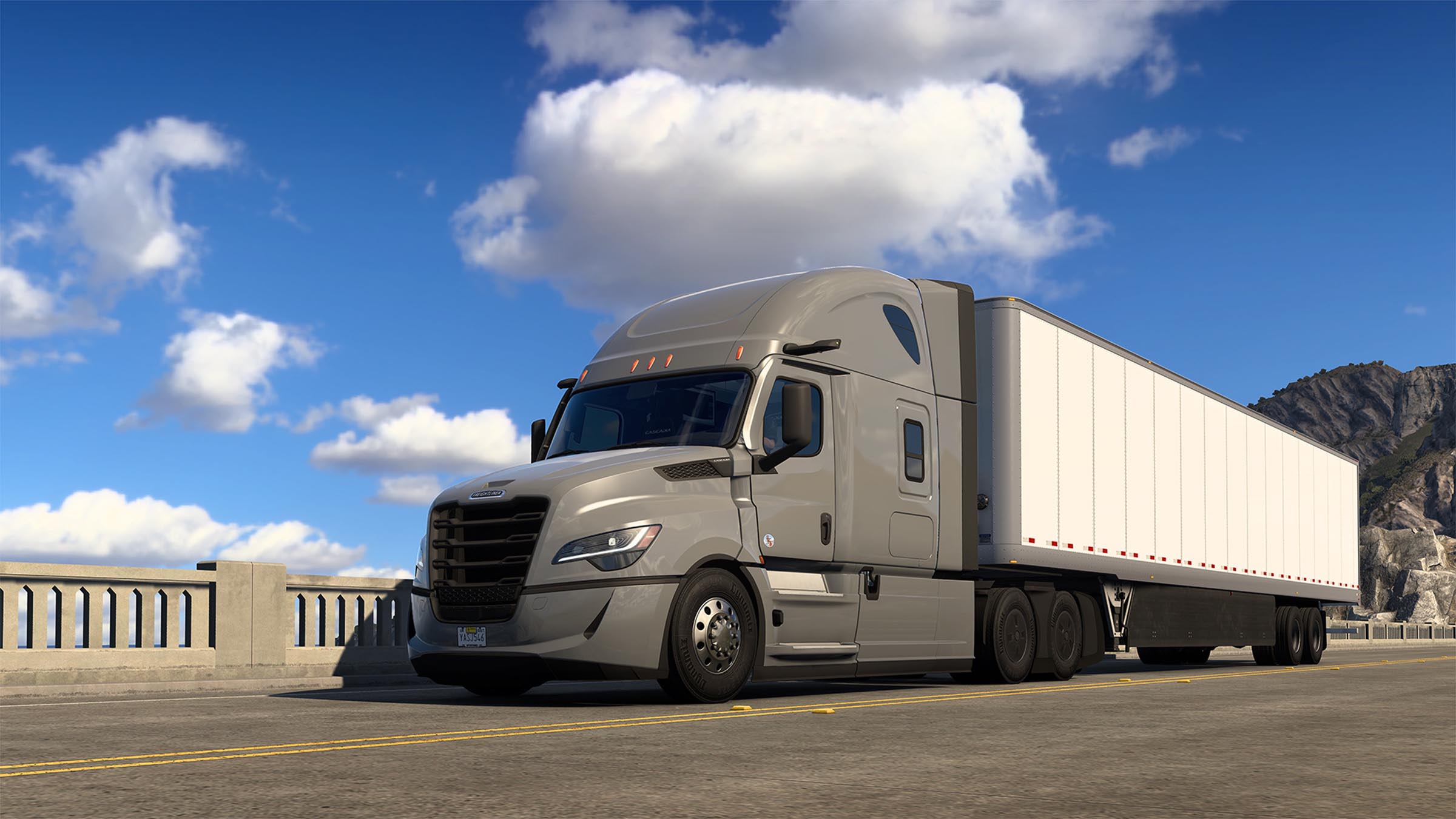
Diesel prices surged to an all-time high Friday — just in time for the Labor Day weekend. While few American motorists use the fuel these days, diesel-powered trucks and locomotives move the vast majority of freight in the U.S. — which means everything from burgers to consumer electronic gear will cost more.
Experts warn the diesel problem could stretch beyond year-end, even with a settlement of the Iran War.
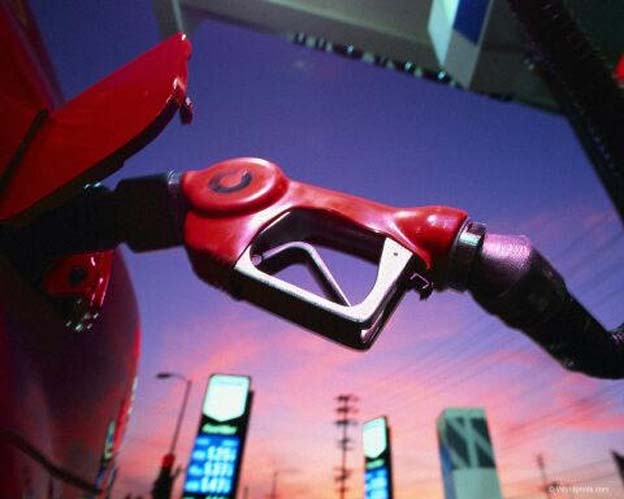
If you think gasoline prices are too high, talk to the trucker delivering groceries to your neighborhood market. While self-serve regular is now going for an average $4.1474 across the U.S., a gallon of diesel jumped nearly seven cents overnight, hitting an all-time record of $5.8500, according to AAA.
That might not seem to matter much — at least at first. Diesel-powered vehicles accounted for just over 4% of the American market during the first half of 2026. But parse the numbers a little more closely and you’ll realize the fuel is used by 76% of freight and other commercial vehicles. And effectively all rail freight is today hauled by diesel locomotives. Diesel even powers about 95% of the ships calling on American ports.
As a result, the surge in the cost of diesel is likely to get baked into just everything we consume, from burgers to consumer electronics, while service providers using the fuel will compensate with their own price increases. This will result in “an inflationary pulse” coursing through the entire economy. John Kilduff, founding partner at Again Capital and an observer of global energy markets, said in a recent interview on CNBC.
By the Numbers

President Donald J. Trump’s war with Iran has driven up diesel prices. But the Ukraine War hasn’t helped.
Crude oil prices have surged about 30% since the U.S. and Israel launched their undeclared war with Iran on Feb. 28. But “Global prices of all main refined products have increased more than crude prices,” according to a research note from Goldman Sachs.
Regular self-serve gasoline is going for $4.1474, as of Sept. 4, up from $2.98 a gallon on Feb. 27, the day before President Donald Trump approved the bombing campaign that has led to the closure of the Strait of Hormuz, through which 20% of global crude normally passes each day. The current figure is a far cry from the promise of bringing gas down below $2, made by the president during a “Meet the Press” interview on May 24, 2025.
Diesel prices have surged even faster than gasoline, reflecting a variety of factors including high demand, low inventories and the added costs of producing low-sulfur versions of the fuel. Whatever the reason, diesel is, at $5.8500 a gallon, now at its highest figure ever. That’s up from $3.72 on Feb. 27, according to the monthly statistics report from the U.S. Bureau of Transportation. And it tops the prior record high of $5.81 per gallon set on June 17, 2022, following Russia’s invasion of Ukraine.
From Farm to Table

Fuel costs add up to 30% to the cost of food in the U.S.
The typical 18-wheeler gets between 6.5 to 7.5 miles per gallon of diesel, according to an analysis by the U.S. Bureau of Transportation. Even the most efficient trucks struggle to reach 9 mpg. So, the run-up in the price of diesel has a substantial knock-on impact. The average semi clocks 1,800 to 2,400 miles per trip, based on the Federal Highway Administration’s highway statistics survey. Using an average 7 mpg, that means burning through anywhere from 257 to 343 gallons. At $5.85 a gallon, that means the driver or truck fleet will spend between $1,503 and $2,607.
In the days before the Iran War began, the fuel bill would have come in at $956 to $1,276. True, the truck may be carrying tons of cargo, but it still adds up, especially if the cargo has to make multiple journeys before reaching consumers.
Take the burger you’ll likely be grilling over the long Labor Day holiday weekend. The process of going from farm to table might start in a farm field in Iowa where a farmer uses a diesel tractor to furrow the soil and plant seeds, eventually using a diesel combine to harvest the grain. It’s loaded into a rail car pulled by a diesel locomotive before eventually reaching the cattle ranch. Diesel trucks and locomotive will then take cows to the slaughterhouse and, eventually, ground beef and steaks to your local grocery.
While a variety of factors come into play, fuel costs contribute anywhere from 15% to 30% to the final cost of food. That’s why the ground beef in those burgers averages $6.88 per pound nationwide, climbing as high as $8.96 in some parts of the country, reports the Beef Price Tracker which aggregates data from the Bureau of Labor Statistics’ Consumer Price Index. A year ago, ground beef cost a nationwide average $5.57 a pound.
Empty Shelves. Abandoned Crops?
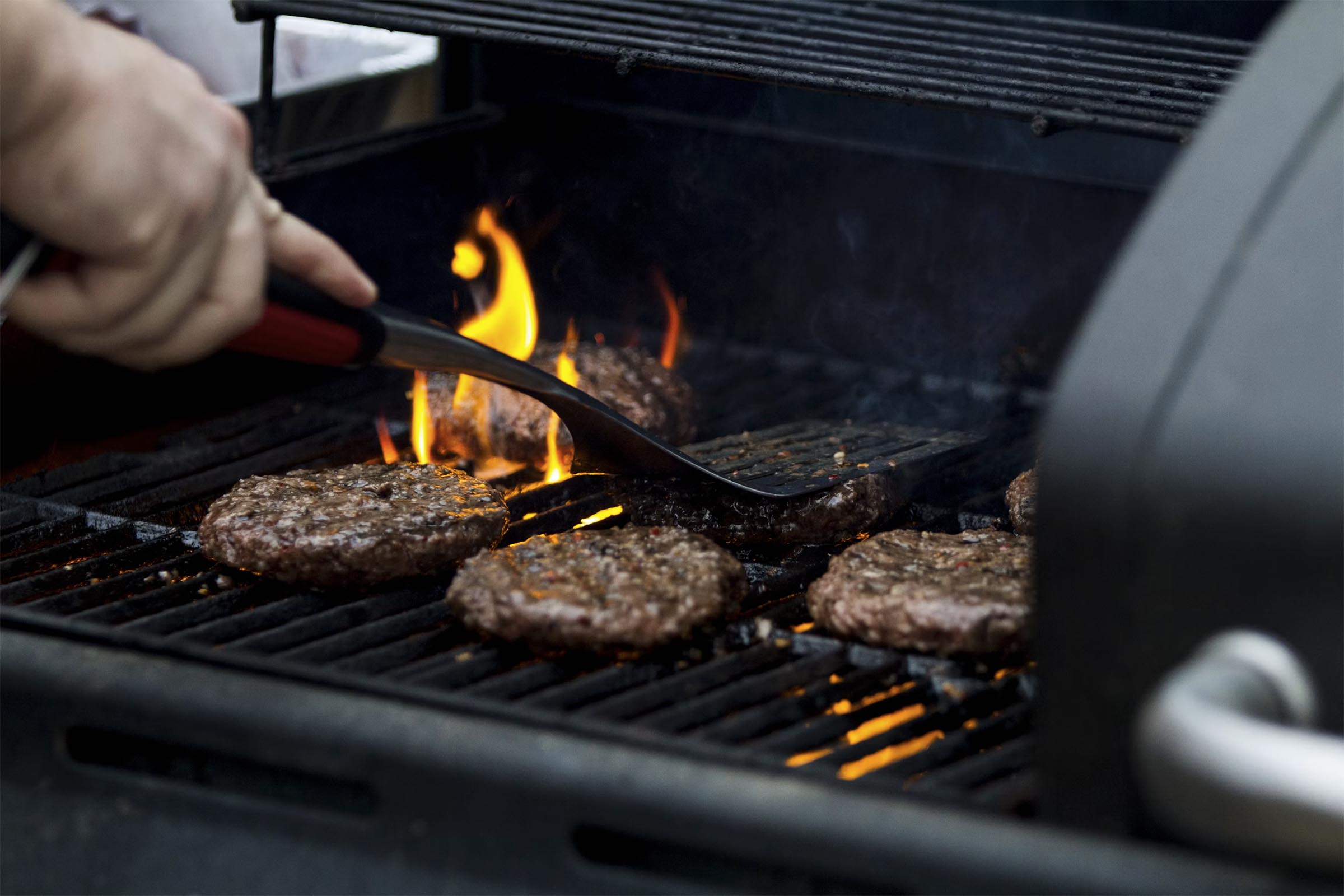
Rising diesel costs will continue to push prices up for things like ground beef.
Higher fuel prices could create other unforeseen problems by disrupting the supply chain. As fuel costs rise, some carriers have become more selective about which loads they take. Shippers who pay competitive rates and have established carrier relationships tend to maintain their service levels. Those relying on spot capacity find it harder to cover loads when they need it most, according to the American Trucking Association. This could have an impact on availability of some goods.
The country could face another crisis now that the harvest season has begun. Roughly 70% of American farmers said they were struggling to purchase all the – largely petroleum-based — fertilizer they needed this year, according to a report by the American Farm Bureau Federation’s nationwide survey released on April 14. With farmers already under financial stress, they now face the prospect of spending record amounts to fire up their diesel-powered equipment to bring in and process their crops.
Did We Mention Availability of Diesel Could Become Another Issue?

Ships anchor away from Strait of Hormuz. Photo courtesy MoneyControl.com.
The Trump administration insists it has the problem under control. However, the data underscore the growing concerns about more than just the everyday price for diesel. Inventories of the fuel worldwide have now dropped to their lowest levels since 1996 when the global economy was far more dependent upon fossil fuels. The problem is that wind, solar and other renewables are yet to have a major impact on the shipping industry.
The U.S Strategic Petroleum Reserve, which is kept in the salt caverns of Texas and Louisiana to serve as a buffer when prices climb too high or too fast, have reached their lowest levels since December 1982, when it was initially being filled. That was during the first administration of President Ronald Reagan, according data from the U.S. Energy Information Agency, shortly after the second of the twin oil shocks of the 1970s. The current low follows the Trump administration’s decision to release more than 400 million barrels of crude from the reserve this past spring.
Meanwhile, even as refineries in the U.S. produce record amounts of diesel, the so-called “crack price” — the difference or “spread” between a barrel of crude oil and the refined product — has climbed to a new record because of international pressure on the overall supply, according to Bloomberg. Ukrainian drones have succeeded in crippling the production at Russian refineries, reducing the availability of the diesel fuel Russia had been trading internationally. The conflict in the Middle East has shut down 20% of refining capacity around the Persian Gulf.
No Relief in Sight
While much of the attention today is focused on the Iran War – and the near complete closure of the Strait of Hormuz, the Ukraine War, now in its fifth year, is another factor impacting global fuel prices. If anything, it’s become a bigger factor in recent weeks as Ukraine has ramped up missile and drone attacks on Russia’s extensive petroleum infrastructure, heavily damaging refineries across the country, from Moscow to Volgograd.
There seems little indication Russia and Ukraine will soon come to terms. Despite assurances from the White House, meanwhile, there seems little movement by either the U.S. or Iran towards a quick settlement there, according to widespread news reports. But even if a deal were to emerge anytime soon, the experts warn it could take quite some time for the diesel crisis to subside.
Worldwide, “Shrinking inventories could prolong the crisis for months, driving higher diesel prices and intensifying inflation risks worldwide, particularly as winter approaches,” warned a report by tracking site Oilprice.com. If anything, the situation could “get ugly” before it gets better, Eugene Lindell, head of refined products at consultancy FGE NexantECA, warned in an interview with Bloomberg.





0 Comments