
***This story first appeared on TheCarCollective on Substack.***
Democrats scored a lopsided victory in the midterm elections. What they do now could have a major impact on the economy – and the auto industry, in particular. Here’s what to watch for.
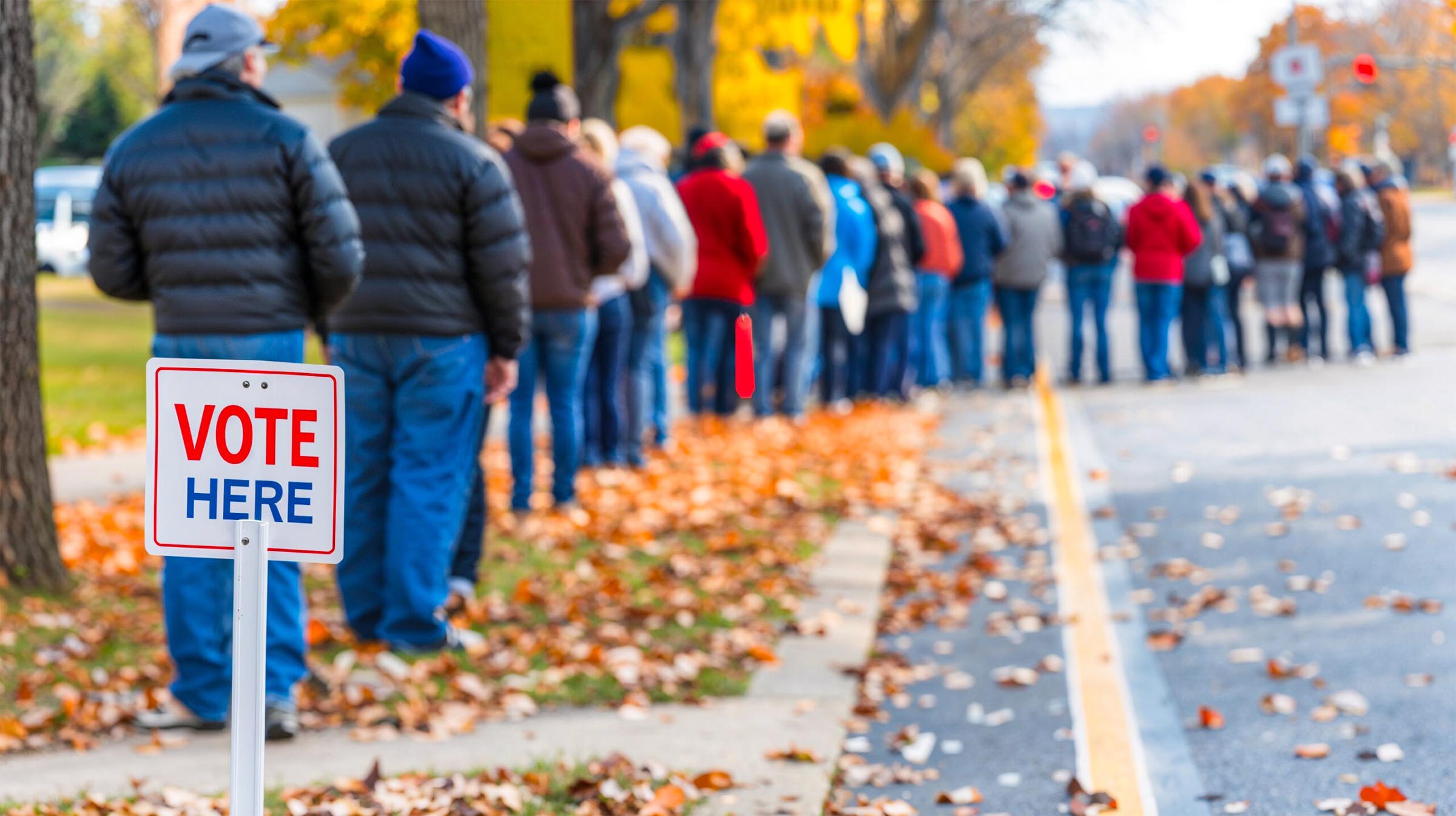
A record number of voters turned out for the 2026 midterms. Photo courtesy: Democracy Docket.
It could take hours, even days, to finish tallying the votes for the few remaining uncalled Senate and House races but, beyond knowing what the final make-up of Congress will be come January 2027, the legislative branch will be overwhelmingly dominated by the Democratic Party.
Expect the pundits to keep busy in the coming weeks trying to analyze what was behind this Blue Wave. It’s clear, however, that the 120th Congress will face a lot of pressure to deal with issues like the Iran War, tariffs, inflation and broader concerns about the economy. What – if anything – they accomplish could have a significant impact on the auto industry.
Inflation and, in particular, vehicle affordability are clearly high priorities, stressed the analysts The Car Collective reached out to. The new Congress will all but certainly address environmental issues. Democrats could try to reverse some of the moves made by Pres. Donald Trump since he returned to office in 2025, such as rolling back mileage standards. Federal lawmakers might also choose to act on the Connected Vehicle Security Act which, among other things, would effectively ban Chinese cars and carmakers from the American market.
The Veto President
 That said, whatever the new Congress chooses to do faces the reality of a Constitutional system of checks and balances that, in this situation, could result in an irresistible force running headlong into an immovable object.
None of the more dire scenarios outlined by White House critics – such as the placement of federal troops at polling stations – played out on Tuesday. Few observers now see the likelihood that newly elected lawmakers will have trouble taking their places on Capitol Hill come January. But that doesn’t mean the new majority will simply flip the direction that the federal government has taken under Trump.
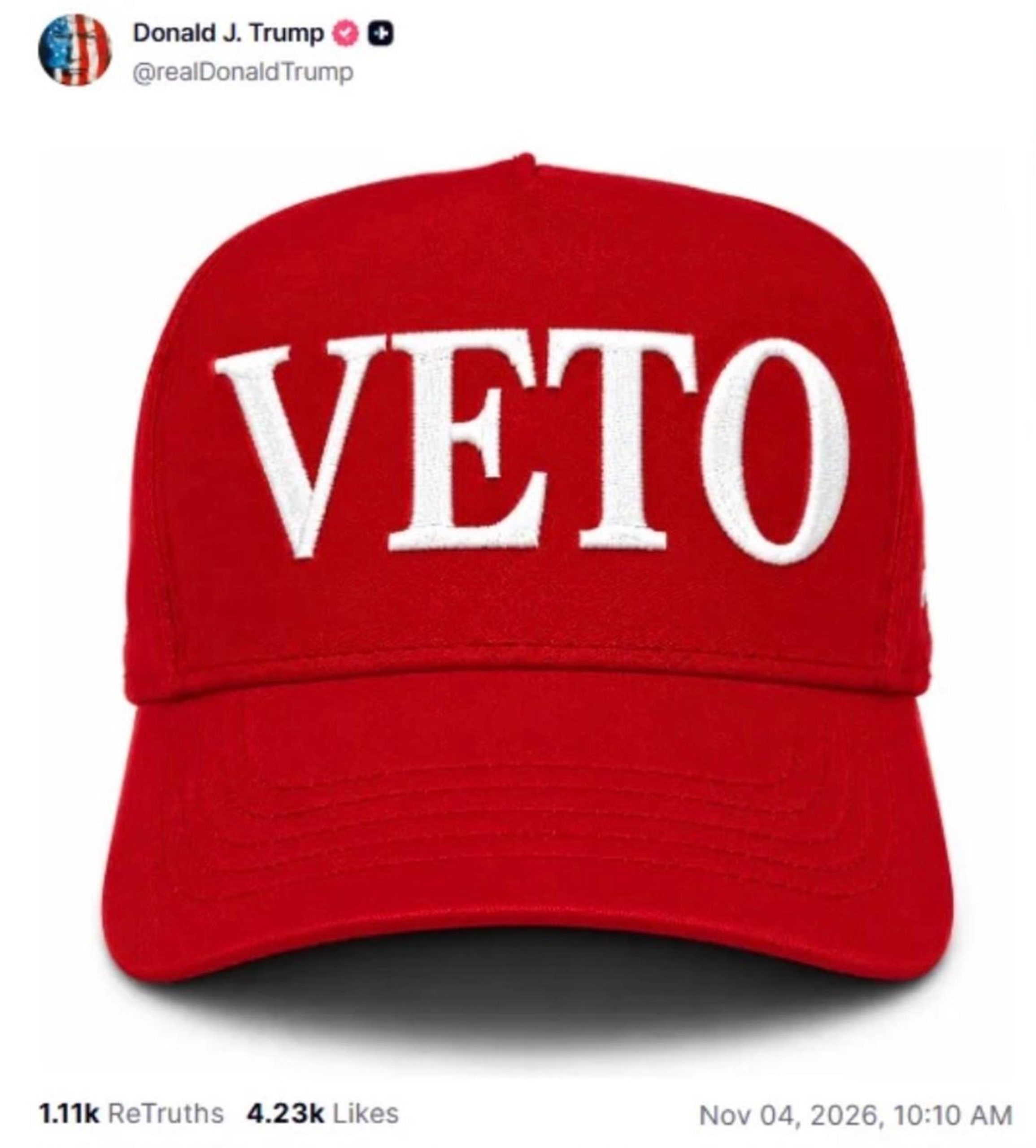
Indeed, after recognizing the extent of the Democratic victory on Tuesday night, the president posted an image on his Truth Social media site showing a MAGA-red hat emblazoned with a single word, “VETO.”
It’s the Economy, Stupid
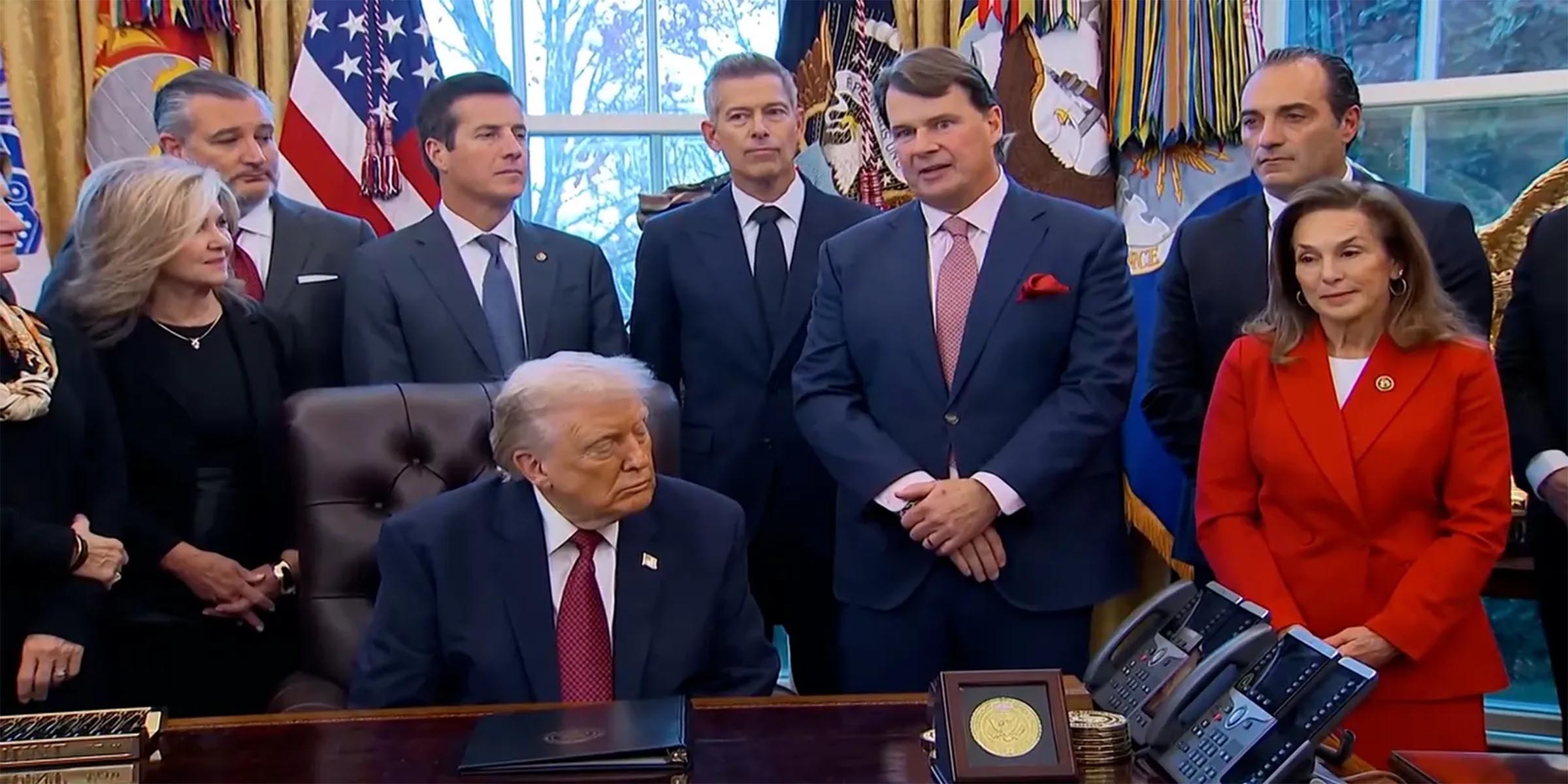
Pres. Donald Trump met with auto execs at the White House last December to lay out plans for a cutback in fuel economy standards.
Among all the various issues that motivated voters on Tuesday, the economy loomed large. Concerns have been growing for months, especially in light of rising inflation – underscored by the 3.7% increase in the Consumer Price Index over the 12 months ending in September 2026. Worsened by the Iran War, costs have spiraled for groceries and other everyday goods. The price for a gallon of gasoline has gone up nearly 50% since just before the first bombs fell on Tehran and diesel costs have risen even further. As that fuel powers everything from farm and construction equipment to last-mile delivery vans, it could be hard to bring down inflation before the Strait of Hormuz reopens, freeing up a major route for global oil supplies. But, despite the president repeatedly claiming the U.S. has won the war, no settlement has emerged.
Inflation has, if anything, accelerated the already rapid surge in the new vehicle market, the average transaction price for a new automobile now approaching $51,000, according to Cox Automotive. Surprisingly, sales have remained more robust than expected, said Cox analyst Erin Keating, and should come in at 16.1 million for all of 2026. But that’s still well off the record 17.57 million vehicles sold in 2016.
More Auto News
- These 29 Models Are Going Away in 2027
- A Week With the Mazda CX-9- Premium Sport
- First Drive: Kia EV3 is the Affordable EV We’ve Been Waiting For
Tariffs and Trade
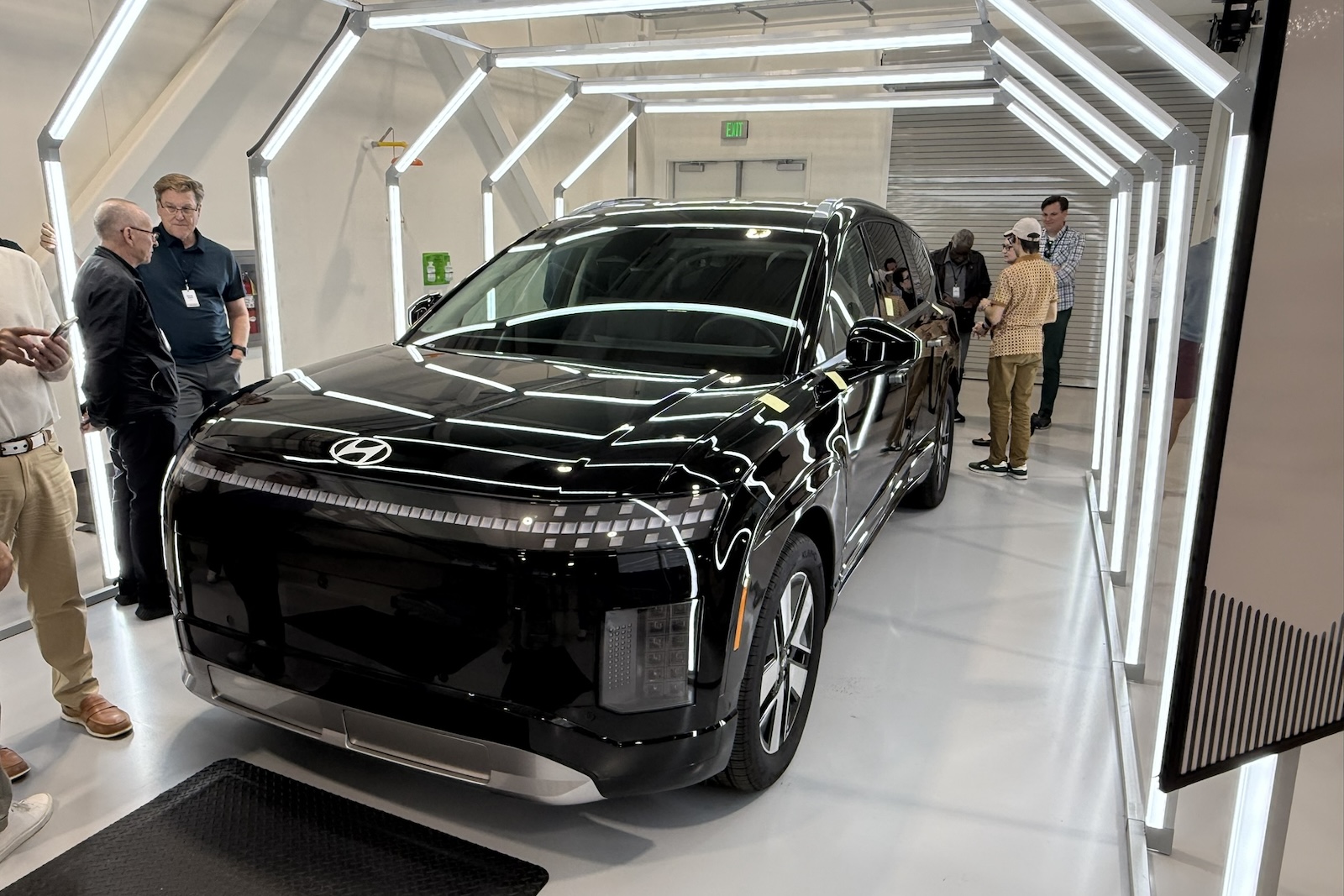
Automakers are struggling to figure out how to make investments at a time when trade rules are unclear.
In reality, there seems little Congress can do to end the Iran War. Lawmakers are likely to continue putting pressure on the White House and they may seek to cut off funding, several observers suggested. But any such move would likely face that Trump veto. It’s unclear if enough Republicans, post midterms, would sign on for an override vote.
There may also be moves by Congress to address another keystone of the Trump administration: wide-ranging tariffs. Few industries have been more directly impacted, Trump specifically targeting autos and auto parts, as well as the imported steel and aluminum that automakers heavily depend upon. Again, it’s uncertain Congress could do much to force the president’s hand. They’d likely have to modify or eliminate existing trade legislation and, yes, again face vetoes.
Congress wants to get the White House to finish negotiations over the U.S.-Mexico-Canada Agreement. The trade pact originally inked during Trump’s first term maintained decades of relatively open trade borders between the three countries. The lack of clarity as talks drag on has made it difficult for automakers to lay out mid to long-term investment strategies. Getting an update to USMCA in place is critical, said Keating who added that, “Automakers want something solid and stable, something they can plan against.”
Clearing the Air
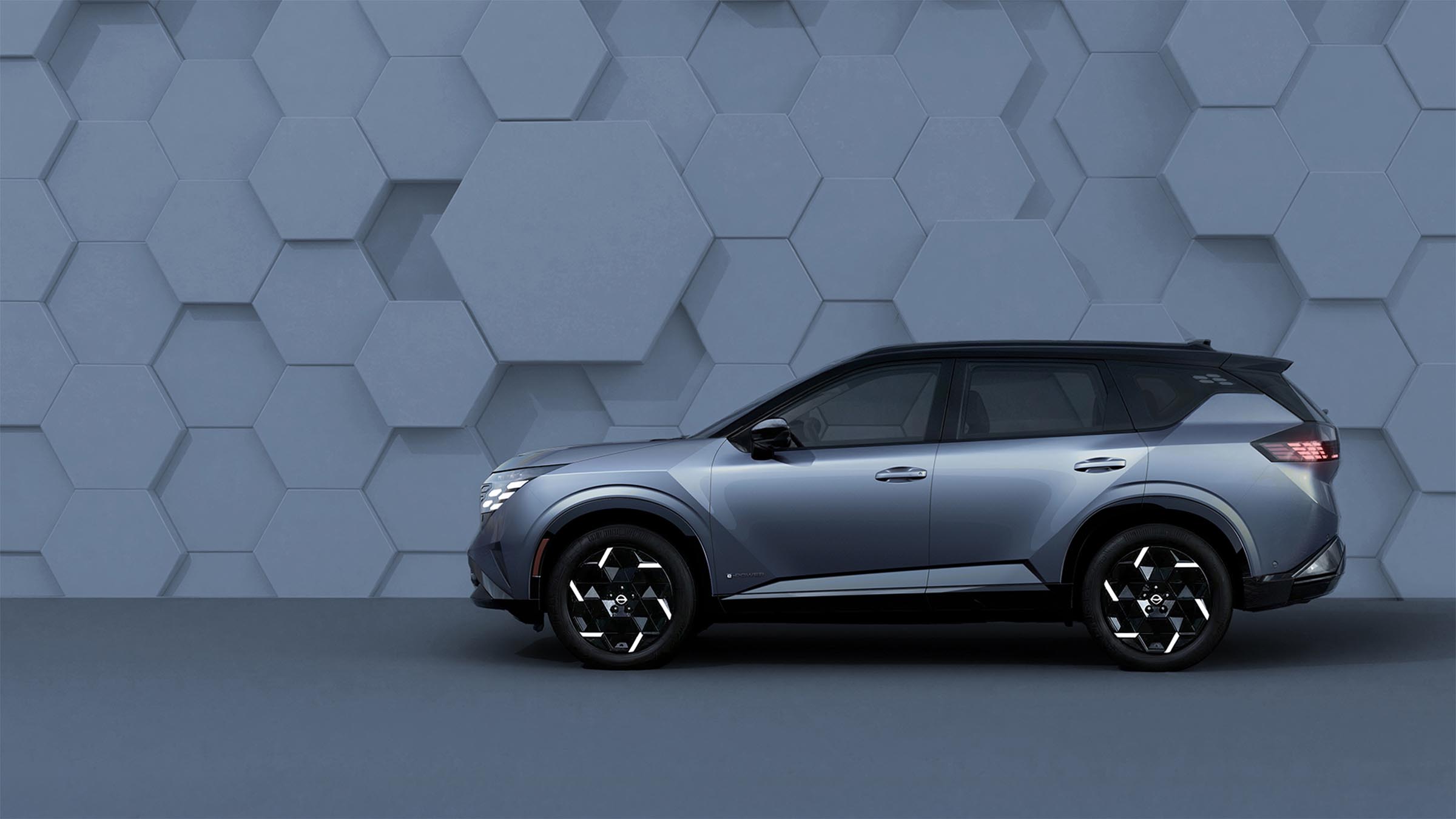
American motorists overwhelmingly want better fuel economy and are rapidly increasing sales of hybrids like this version of the Nissan Rogue.
The environment is a subject the president has addressed repeatedly through his many Executive Orders. These include a controversial rollback of the Corporate Average Fuel Economy mandates of more than 50 mpg set in place under former Pres. Joe Biden. New legislation could attempt to reinstate that target which, in turn, “would effectively force the industry to come up with more efficient vehicles, including hybrids and EVs,” said Sam Abuelsamid, lead auto analyst with Telemetry Research. Research has repeatedly shown Americans demanding better mileage. But it’s unlikely such polls would get Trump to reverse his stand.
Congress also could seek to force the administration to collect the billions of dollars in fines automakers technically owe for missing their CAFE targets. The White House has decided not to seek payment.
Separately, lawmakers might try to reinstate the incentives of up to $7,500 for EV buyers that were phased out by Congress last year under the so-called One Big Beautiful Bill Act Trump signed into law on July 4, 2025. The new House and Senate majority might also press to continue spending federal funds previously allocated for a nationwide EV charging network.
Bringing Back Bipartisanship
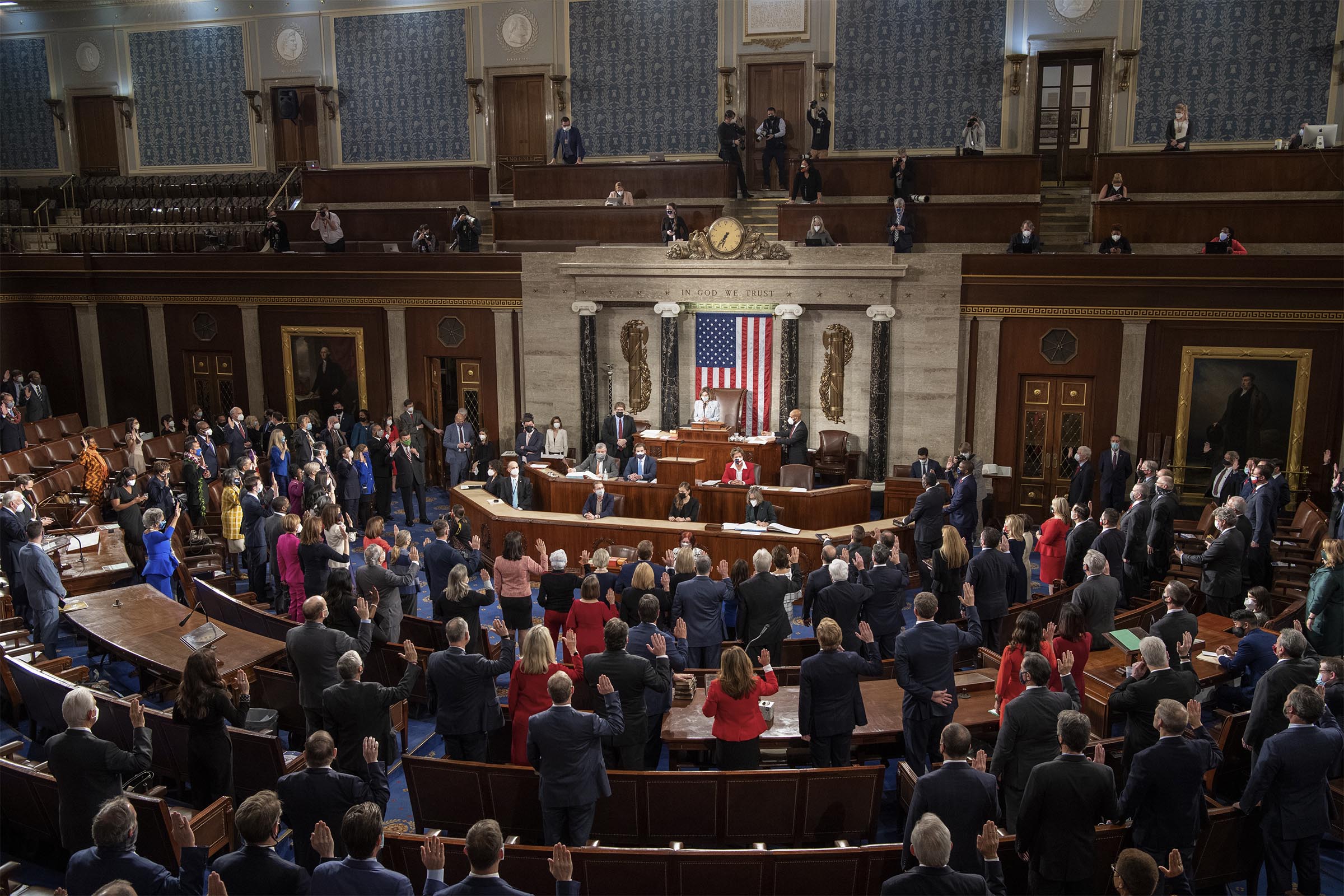
The U.S. Congress in session.
Most of what Congress might want to do, starting next year, will face the threat of Trump’s veto pen. As a result, there may be “very little done” on Capitol Hill under the 120th Congress, said Keating, though she thinks Democrats might be able to get the president to “slow down…on the use of executive power.”
An override is possible with support from two-thirds of the members of both Houses. Trump has so far vetoed just two bills during his second term, Congress failing to rally the supermajority needed in both houses for an override. There have been only the rarest of moments where members have crossed party aisles, though Keating believes we may see more going forward, especially in some areas impacting the auto industry.
“We’ve seen bipartisan cooperation on China,” she noted. Specifically, on the Connected Vehicle Security Act. It was, initially, meant to codify an executive move by Biden banning the sale of vehicles using Chinese connected car hardware and software. Sponsored by Michigan’s Democratic Senator Elissa Slotkin and Ohio’s Republican Bernie Moreno – a former car dealer – it would also effectively ban Chinese automakers from both building and selling vehicles in the U.S.
Locking Out China
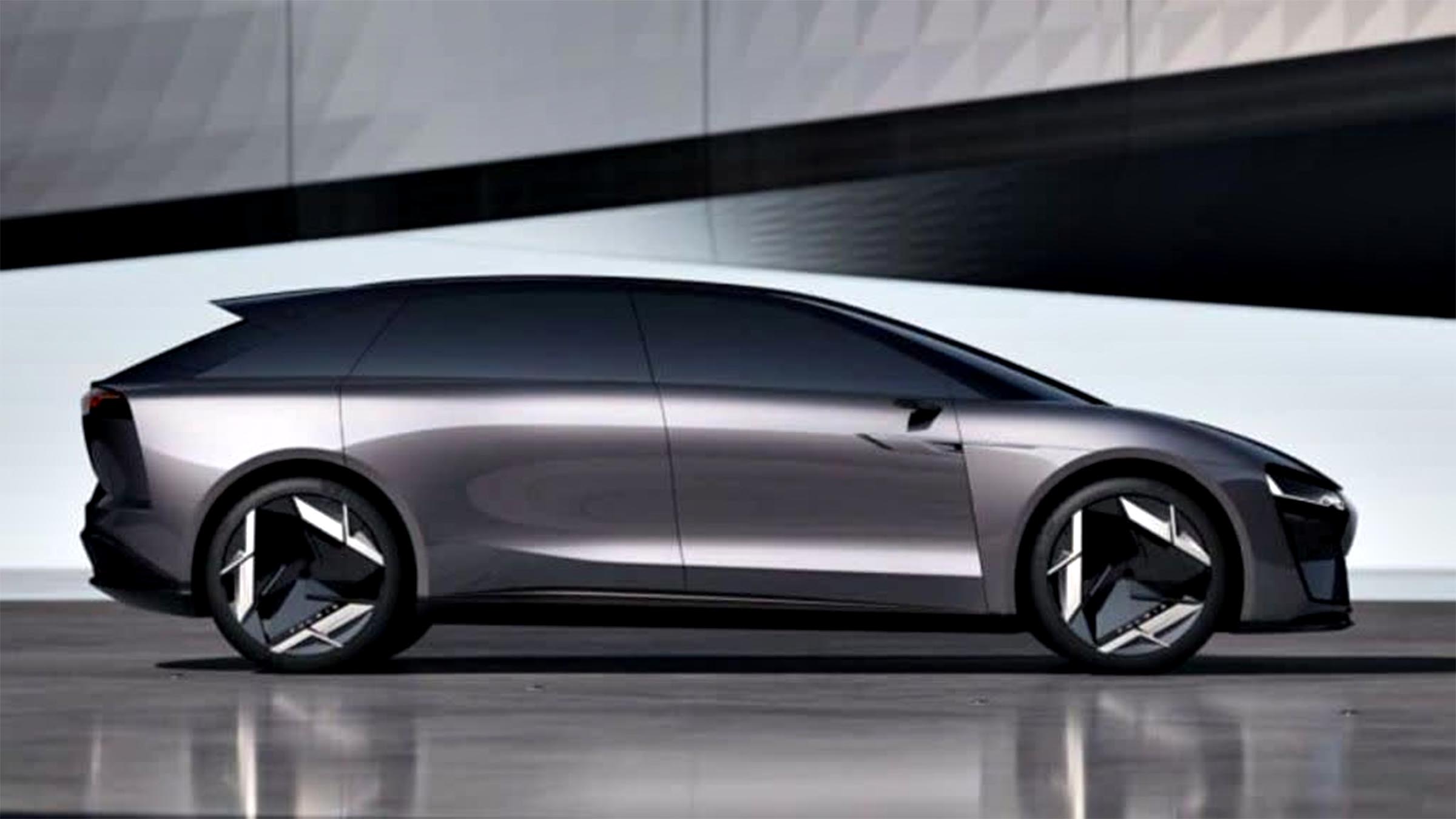
China’s Chery is reportedly looking at buying an American auto plant.
It’s highly unlikely the measure will pass this year and would need to be introduced by the next Congress, noted Abuelsamid. But while “there is bipartisan support, I think it will be a low priority.”
There’s no question automakers such as General Motors, Ford and Toyota would like to lock out Chinese brands like BYD, Geely and Chery – the latter reportedly looking to buy an existing U.S. plant to establish a beachhead. For his part, Ford CEO Jim Farley has described such a possibility as “an existential threat.”
But don’t count on the anti-Chinese measure to pass – or even make it to the floor in either House or Senate. It’s not just the hefty load of other issues Congress will need deal with, but the fact that the Connected Vehicle act could result in some serious, unexpected consequences, several experts warned. The reality is that one of the fastest ways to lower vehicle prices could be to open the door to Chinese vehicles, even in limited numbers, as Canada has done this year. Such products typically come in thousands of dollars less than comparable U.S., Japanese, Korean and European models and that could put pressure on the entire industry to shave prices.
Where the Big Changes Might Take Place
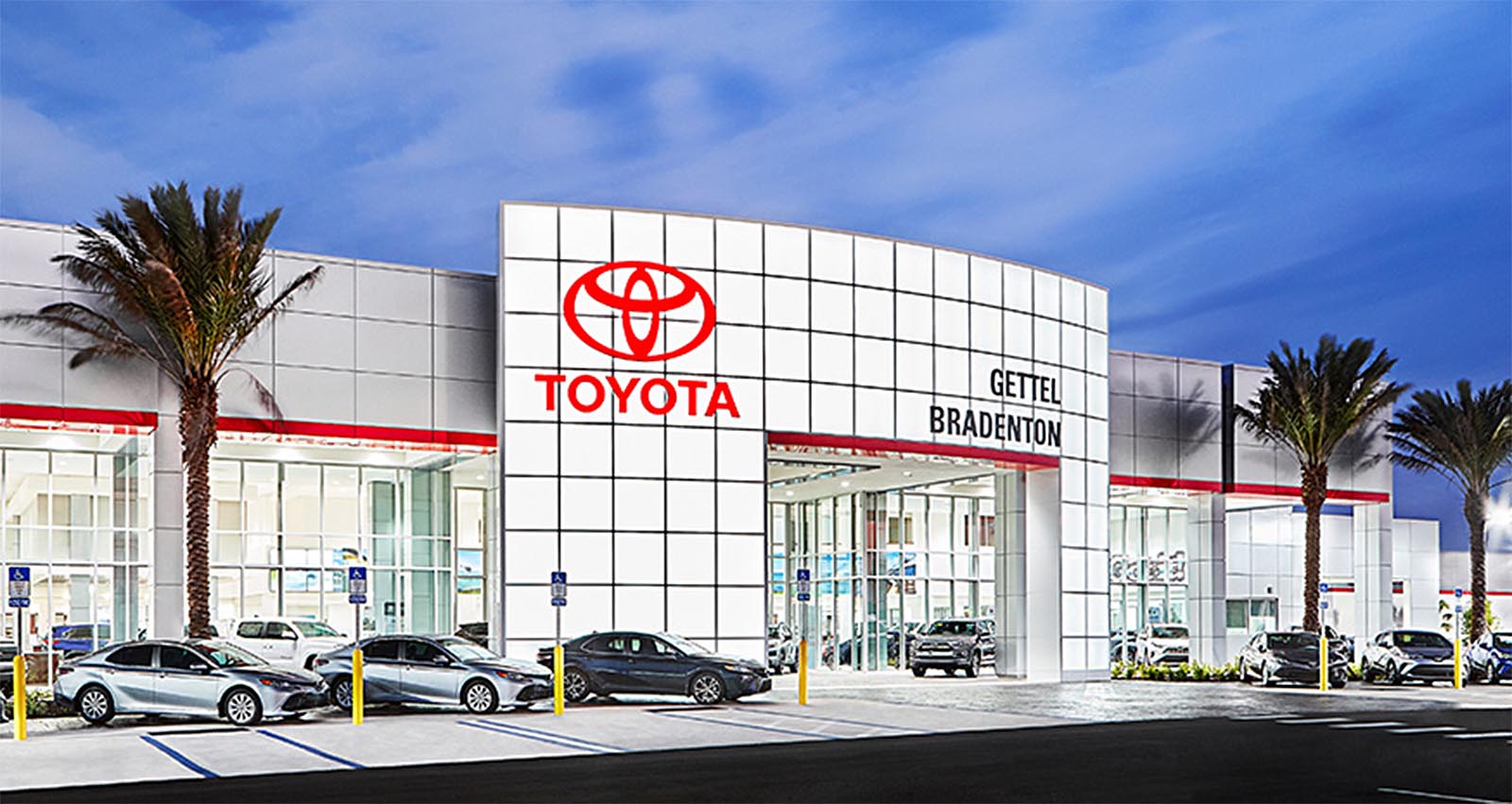
State lawmakers could feel pressured to act on a variety of issues impacting auto dealers and buyers.
For his part, Sam Fiorani, vice president of AutoForecast Solutions believes “Democrats won’t be able to get much through” Congress and then signed into law by Trump. Most of the other analysts we spoke to echoed that concern.
That doesn’t mean we won’t see change, however. “There’ll be a lot more impact at the state level,” predicts Keating. Democrats scored well in a number of state elections, notably in Texas, one of the country’s largest automotive markets.
She anticipates that could result in new legislation covering a wide range of automotive issues, including EV mandates, infrastructure, franchised dealer requirements and right-to-repair rules.
There’s no question the automakers and auto buyers alike could use some legislative help. The Democratic Blue Wave holds out the possibility of action. But Trump’s veto threat could simply result in paralysis unless at least some Republican survivors see their best opportunity is to bring back some level of bipartisanship to government.

0 Comments