
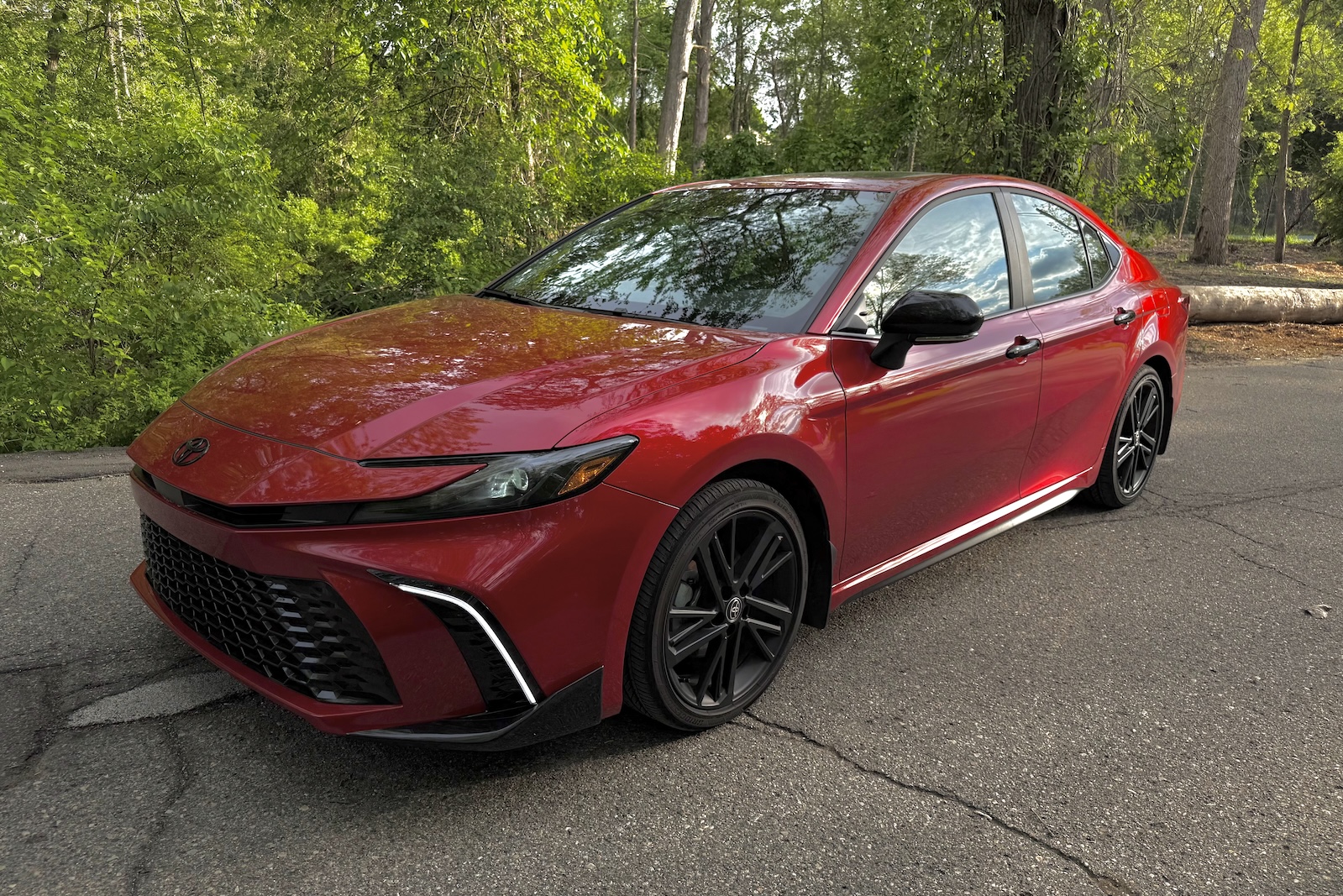
Despite oil prices running at near record highs and consumers more worried about the economy than at any time since the depths of the COVID pandemic, U.S. auto sales grew by an unexpected 4.4% in September. That defied industry expectations, in part driven by rising demand for electrified vehicles. But experts fear the bottom could yet drop out.
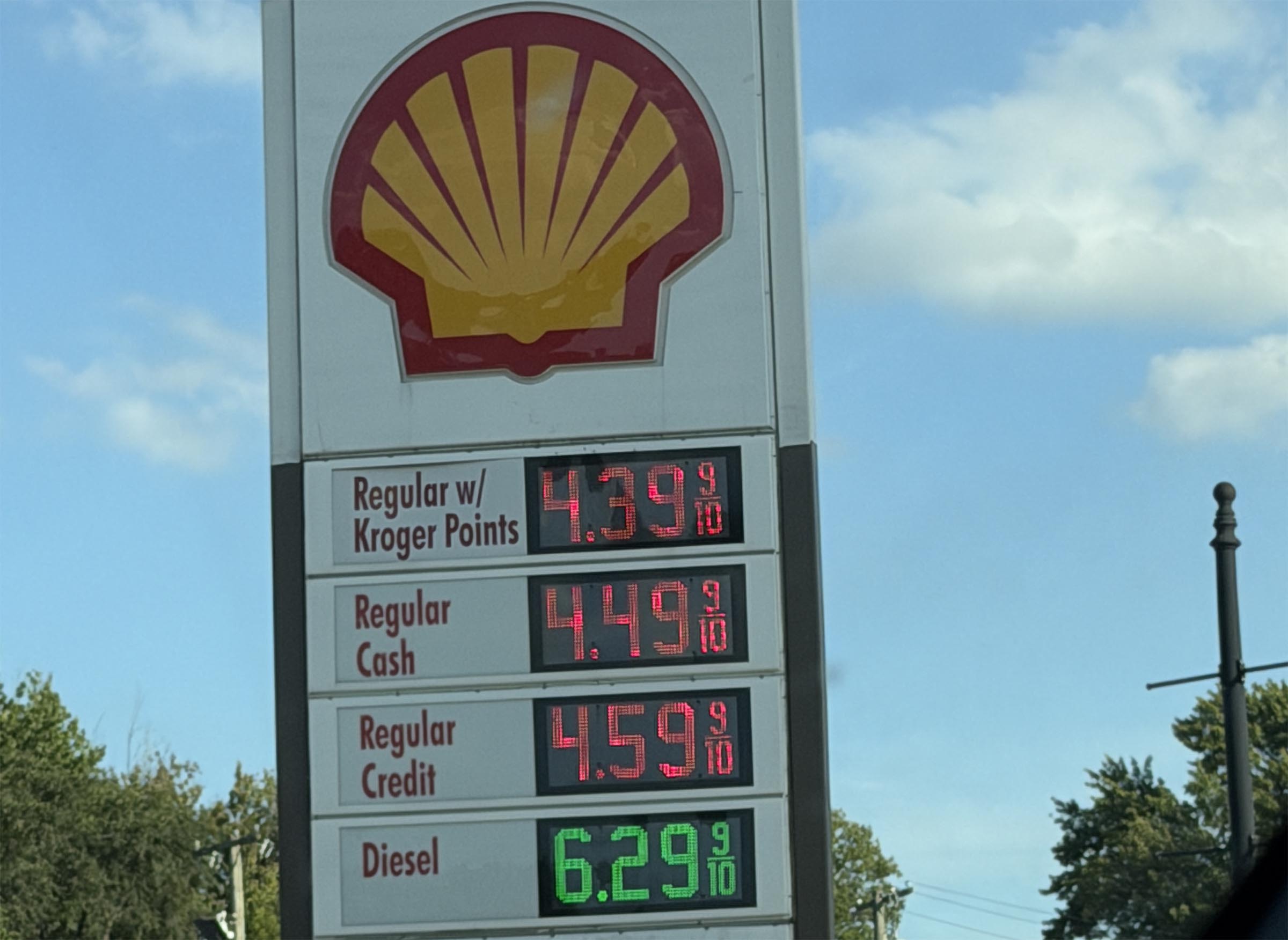
September sales were boosted by strong hybrid demand responding to near-record fuel prices.
What automotive recession? Fear of a sharp downturn in U.S. vehicle sales has been mounting rapidly in recent months, industry observers worried by near-record oil prices and growing consumer concerns about the economy. It hasn’t helped that the plummeting poll numbers for Pres. Donald Trump suggest Republicans are growing more and more likely to lose control of both House and Senate in the midterm elections, triggering further turmoil.
Yet the numbers for September were unexpectedly upbeat, several industry officials told Headlight.News, vehicle sales rising to 1.32 million, a 4.4% year-over-year increase. But some cautioned that the market got a boost from the Labor Day weekend which often brings more buyers into showrooms.
Ironically, fuel prices averaging around $4.50 a gallon for self-service regular across the U.S. also appear to have helped. A number of manufacturers reported record sales of electrified vehicles during September and for the full third quarter. At Kia, for one example, electrified models – primarily hybrids – accounted for roughly a third of U.S. sales last month. If anything, Toyota officials lamented they could have pushed above the 50% mark were they to have had enough battery-based models in stock.
The overview

Buyers poured into showrooms even though they faced near-record prices.
“We’ve been expecting sales to soften,” one senior Asian executive told Headlight.News, asking not to be identified by name or brand, “That hasn’t happened.”
As a result, the seasonally adjusted annual sales rate, or SAAR, pushed to a solid 16.4 million vehicles, one of the best performances this year – though well behind the 16.965 million vehicles sold in 2019, and the 17.1 million moved the year before.
The industry did manage to overcome a variety of headwinds, including rising gas prices, economic woes, an increase in interest rates and the fact that average transaction prices – factoring in MSRP, options and discounts — last month topped $50,000, that was off only slightly from the month before when various tracking firms reports ATPs hit a record of nearly $52,000.
Detroit brands struggled
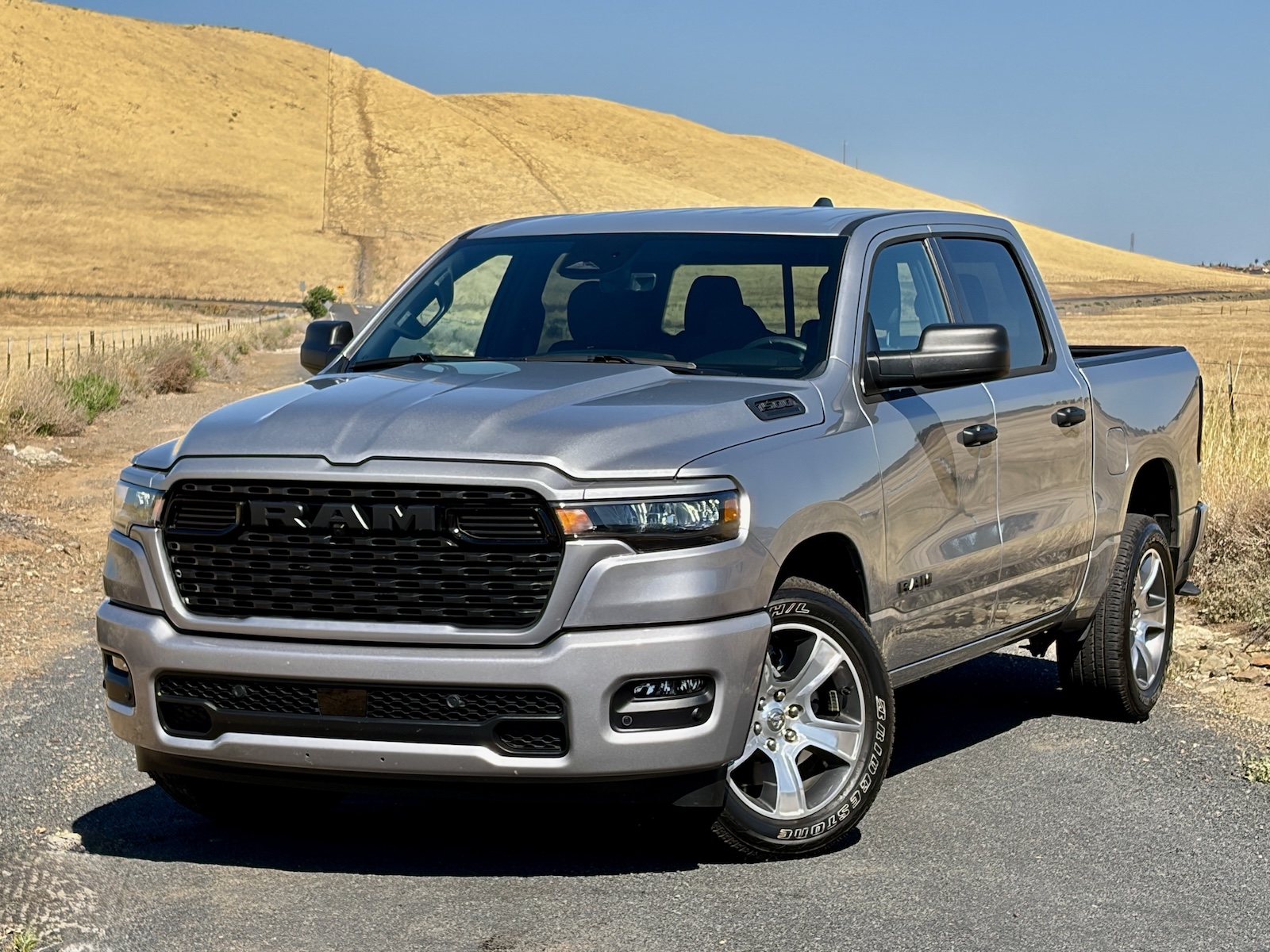
The Ram 1500 was one of the few Detroit successes last month.
While the overall market did well, things varied sharply from brand to brand, Detroit automakers among the big losers. That was especially true for manufacturers like General Motors and Stellantis which only report sales on a quarterly basis.
Stellantis was a mixed bag, with its Ram brand’s flagship pickup, the 1500, posting a whopping 73% year-over-year increase for the quarter, sales now up 41% for the year-to-date. That might appear to defy logic at a time when buyers fret about fuel prices, yet the surge was backed largely by the return of the Hemi V-8. The Euro-American automaker’s Jeep brand brought a far different story, sales down 20% for the quarter and 8% for the first nine months of the year.
General Motors’ Q3 sales were down 5.5% for the July-September period. GM did have a couple winners, including the Chevrolet Corvette which posted a 29% increase for the quarter. But the largest of Detroit automakers was hit hard by the ongoing slump in EV sales. It delivered 92.4% fewer Chevy Equinox EVs, for example. Making matters worse, GM has only two hybrids in its line-up, both high-performance versions of the Corvette.
As for Ford, the automaker barely held onto its perch as the number three manufacturer in the American market. It outsold the Hyundai Motor Group – which includes brands Hyundai, Kia and Genesis – by a mere 1,195 vehicles during September, it reported.
More Auto News
- White House Takes Aim at Ford Over China Ties
- Has SRT Found the Answer to Turbo Lag?
- Dodge Debuts Charger Super Bee – But There’s More Coming
Asian automakers scored big
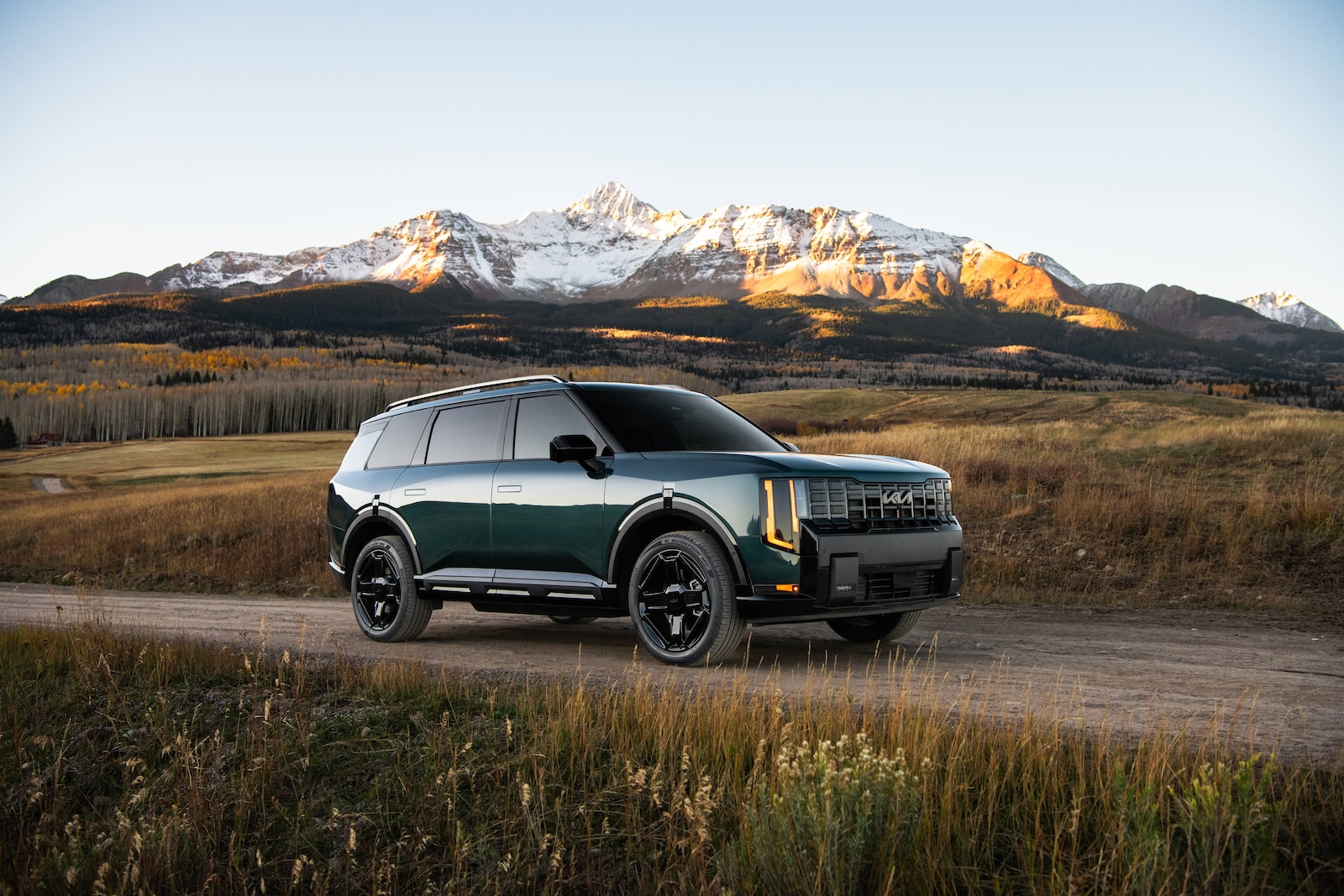
The 2027 Telluride HEV X-Line.
Toyota continued to outsell Ford, the automaker benefiting from growing demand for the hybrid-electric models that are fast approaching half of the automaker’s total volume. It now offers HEV versions of all but two product lines – some, like the Camry, Prius and Crown Signia, offered only as hybrids.
The real winners were the Koreans, however, Hyundai and Kia, in particular, setting new sales records for the month. Kia, in particular, posted an 8% gain for September and reported electrified vehicles topping 30% of the total – though it did have challenges moving buyers into some of its all-electric models. “We’ve been able to pivot our production” to take advantage of rising hybrid sales, U.S. sales chief Christine Bagnard said during a presentation.
Kia’s big brother, the Hyundai brand, reported a 3% increase for the month. Much of that was driven by a surge in sales of its Tucson SUV. But it also saw an unusual bump in demand for its sedan models, the Elantra up 18% year-over-year, the Sonata gaining 34%.
Wrap-up
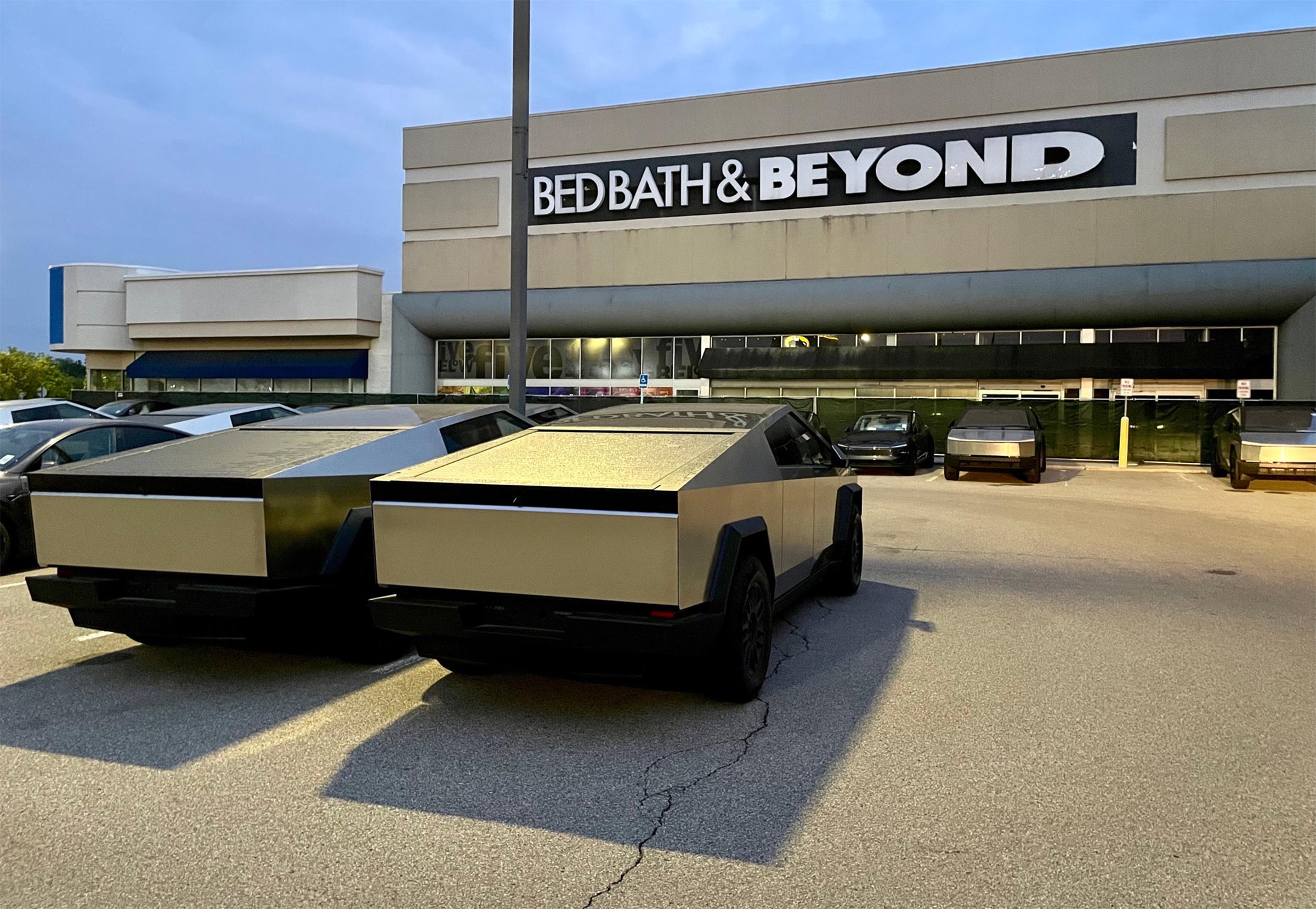
Unsold Cybertrucks continue to pile up.
European automakers were a mixed bag during September, as well as the full quarter. BMW, for one, gained significant moment from the launch of the latest-generation 3-Series. Demand rose 46% for the three-month period and is up 37% for the year-to-date.
Tesla, meanwhile, had a mediocre quarter. Though it boosted production by nearly 4% it suffered a 2.1% year-over-year decrease in sales. It didn’t help that the much-maligned Cybertruck suffered a near-total collapse in sales.
Looking ahead, the overall consensus from industry insiders is that September and the overall third quarter brought welcome relief. While not the solid numbers seen last spring they suggested there is still resilience in the U.S. auto market. The question, several cautioned, is whether it can be maintained.


0 Comments