
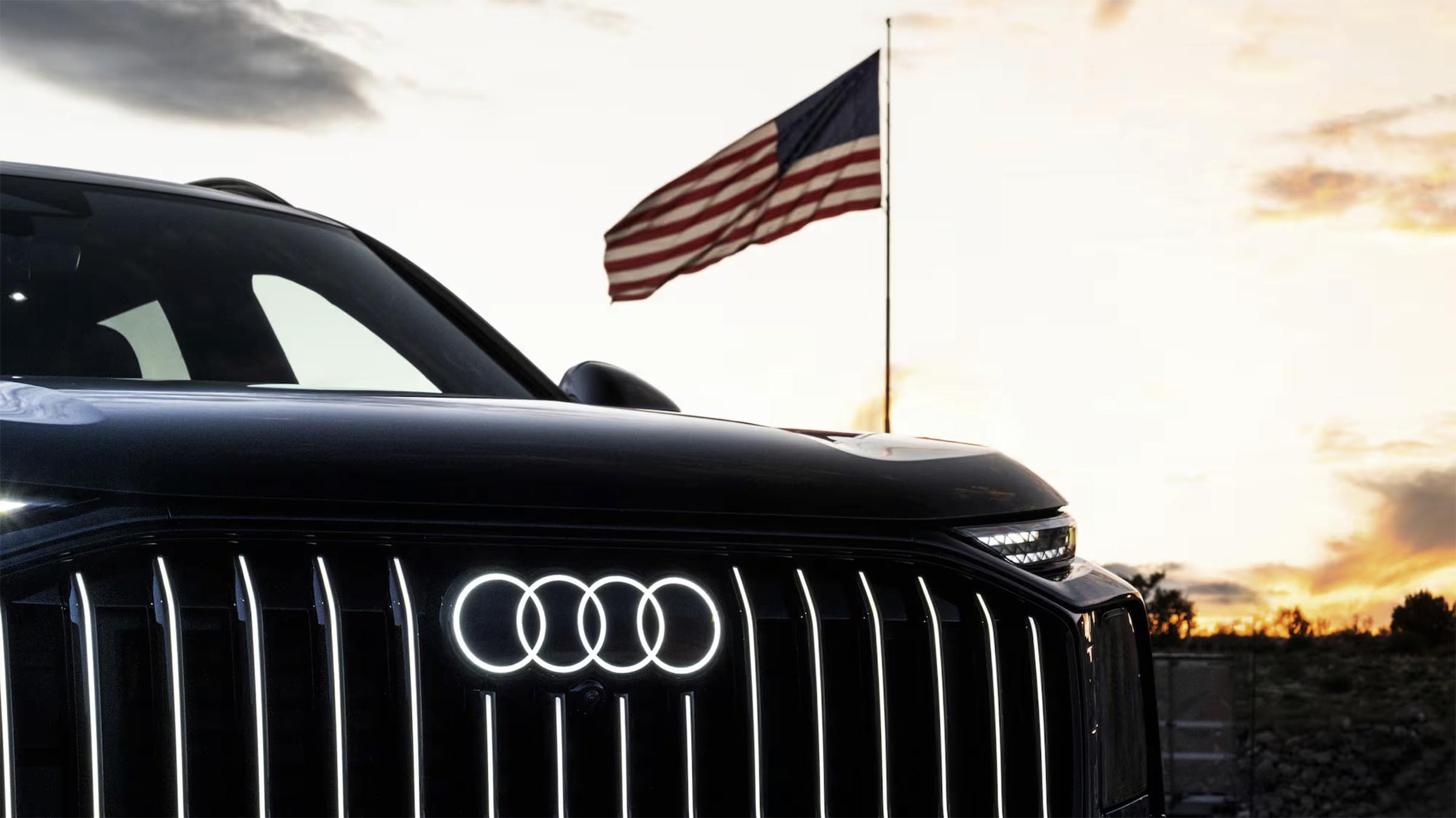
When Audi launches production at its planned $4 billion assembly plant in Georgia it will create 4,500 jobs – and follow the same playbook as BMW has used so successfully with its own factory in Spartanburg, South Carolina. More from Headlight.News.
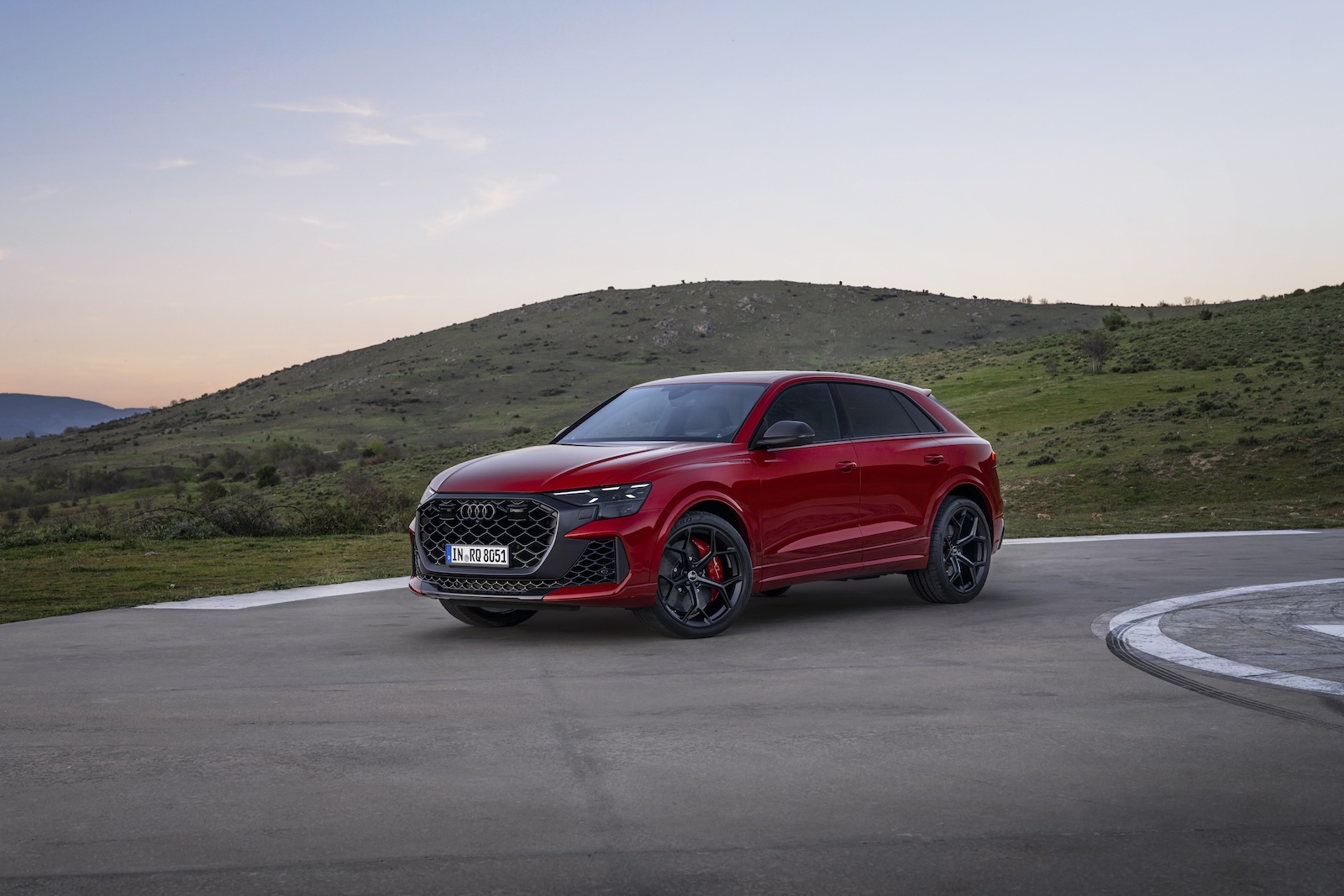
The RS version of the Audi Q8.
Hoping to sidestep tariffs costing it more than $1 billion annually – and contributing to a sharp slowdown in sales – Audi will set up a $4 billion factory in Perry, Georgia. The operation will, in at least one key aspect, resemble the successful complex BMW has set up in South Carolina.
The start of the Audi project actually predates Pres. Donald Trump’s tariffs, the German automaker beginning its search for a U.S. plant site three years ago, during the tenure of former Pres. Joe Biden and was, at the time seen as a way to ensure steady production in a key market while minimizing currency swings. The search became all the more urgent, according to sources, as tariffs were added to the equation.
“It’s a business decision and it is designed for decades,” Audi CEO Gernot Döllner told reporters, according to Automotive News. “We build where our customers are. Our competitors have been doing this for years.”
Borrowing from BMW
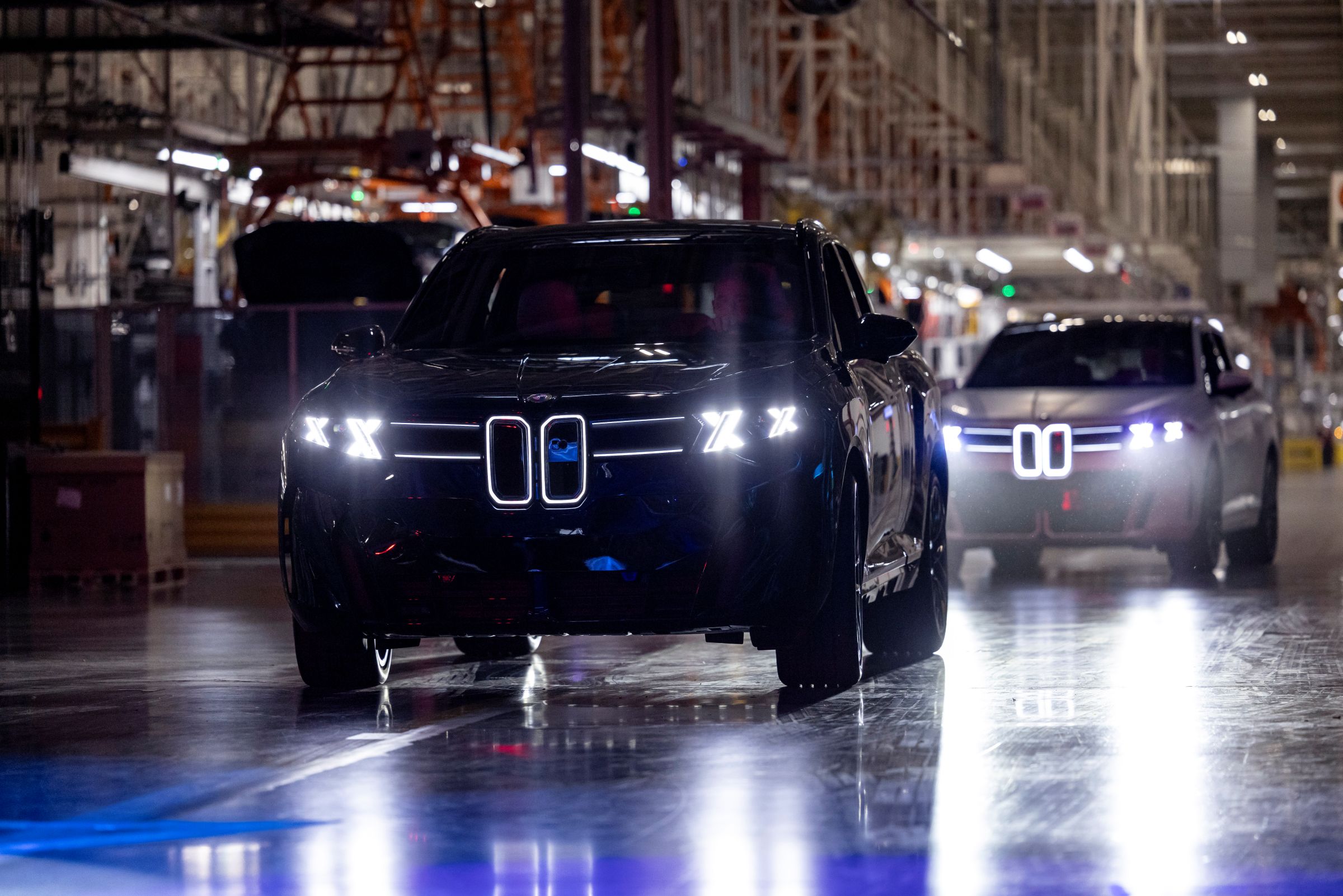
A BMW X5 rolls off the line in Spartanburg, SC.
Audi clearly needs some help as its position in the U.S. market has weakened significantly over the last several years. Through mid-October it has sold 107,667 vehicles in the U.S., a 16% year-over-year decline. That means it’s on track for a third consecutive annual decline after setting a U.S. record of 228,550 sales in 2023.
Currently, all Audis are imported either from Europe or Mexico, a problem resulting in an estimated $1.4 billion in tariffs annually. That added impetus to the decision to go ahead with a U.S. plant.
Significantly, the facility will focus on Audi’s most expensive crossover models, including the Q7, Q8 and Q9. Rival BMW, which original focused on some of its smaller passenger cars in Spartanburg, ultimately decided to shift production to emphasize high-dollar utility vehicles, including the X5, X6 and X7. The South Carolina operation is BMW’s largest in the world, and its most profitable.
Mercedes-Benz has also mirrored that approach at its own plant in Vance, Alabama. Among the products it assembles there are the GLE, GLS and EQS SUV.
The what and why
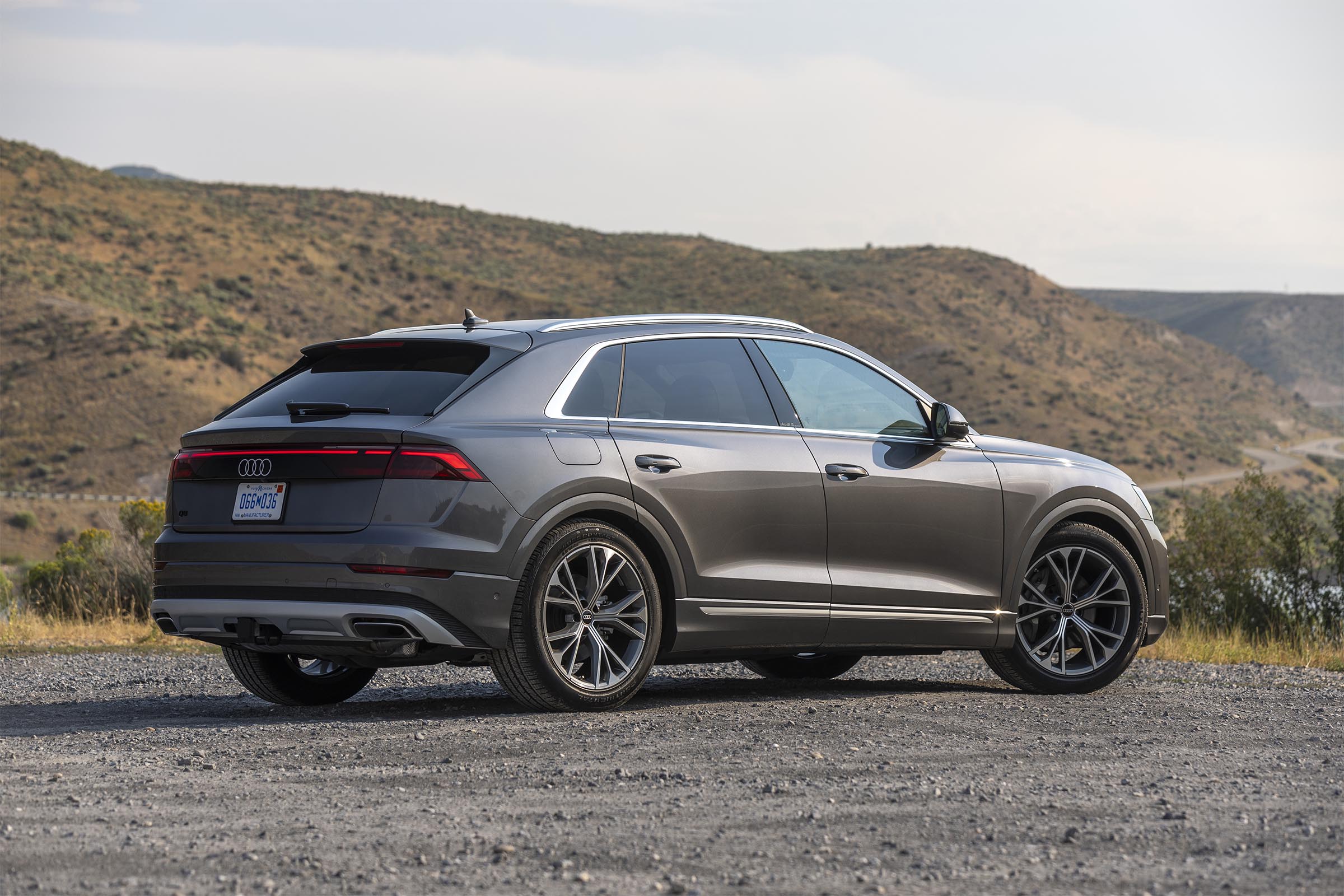
And Audi Q8. The new U.S. plant will produce both gas and hybrid models.
Audi has long explored the idea of building vehicles in the U.S. but it previously put off that decision in favor of an operation in Mexico that benefited from cheap labor and access to the U.S. market under the USMCA trade agreement – an update of the prior NAFTA trade deal.
As the business situation began to change, the luxury arm of the Volkswagen Group began to consider other options. According to Dollner there were several alternatives. It looked at sharing the factory the Volkswagen brand operates in Chattanooga, Tennessee. And it also considered the possibility of partnering up with the Scout brand that the VW Group is preparing to revive. It is setting up its own ground-up operation in Blythewood, South Carolina.
Ultimately, it decided to stick with a greenfield operation of its own. As virtually every foreign-owned brand has done since the first “transplant” assembly line opened more than four decades ago, Audi chose a site in the South. One benefit is the vast supplier network that has been set up across the region in recent decades. It also means operating in a traditionally anti-union state. So far, only one transplant has seen workers vote to organize – ironically, the VW plant in Chattanooga.
More Auto News
- These 29 Models Are Going Away in 2027
- First Drive: Kia EV3 is the Affordable EV We’ve Been Waiting For
- All-Electric Jaguar Type 01 Debuts in NYC
The when and how
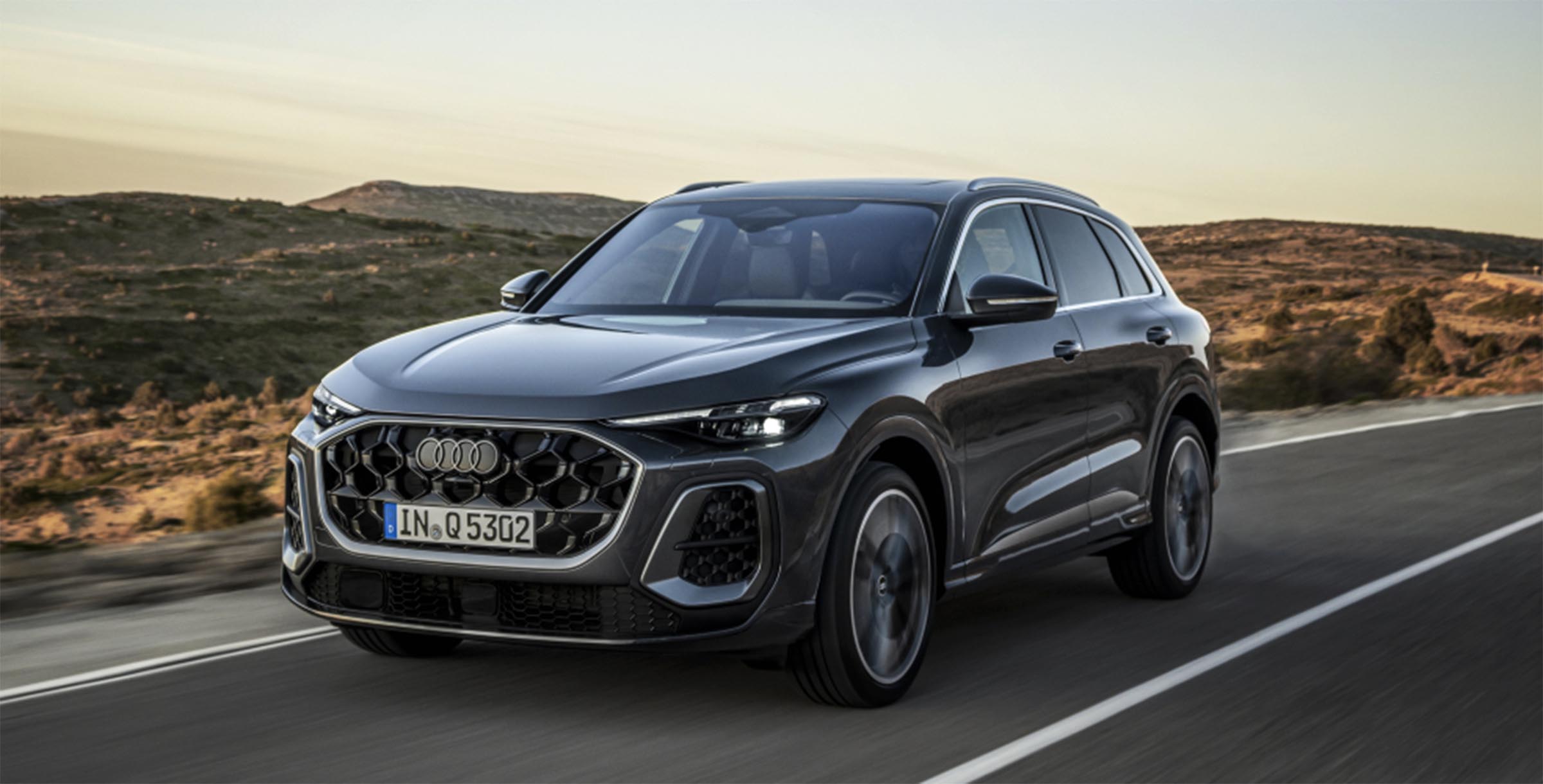
The Audi Q5 will continue to be built in Mexico.
News of the project was announced by Pres. Trump during a campaign rally in Perry, Georgia on October 24. He has so far struggled to deliver on a campaign promise – and a key to his tariff strategy – calling for a growth in U.S. manufacturing. There have been several other commitments made by automakers, including plant projects planned by Toyota dn Hyundai, though total automotive jobs have tumbled since Trump returned to office in January 2025.
Work on the new plant is expected to begin sometime in 2027. The completion date wasn’t specified behind plans to begin production early in the coming decade. About 4,500 jobs are expected to be created – though it wasn’t clear if that will include suppliers, as well as employment at the plant itself.
Audi will produce the Q6, Q7 and Q8 in South Carolina. Plans call for the factory to roll out both gas and hybrid versions of those crossovers. Audi will continue to import the Q5 from Mexico and the base Q3 model from Hungary.
Separately, a U.S. government spokesman said Audi also produce about 25,000 vehicles annually at the new Scout plant set to begin operation in 2028, according to Reuters Neither Scout nor Audi have confirmed that report.


0 Comments