
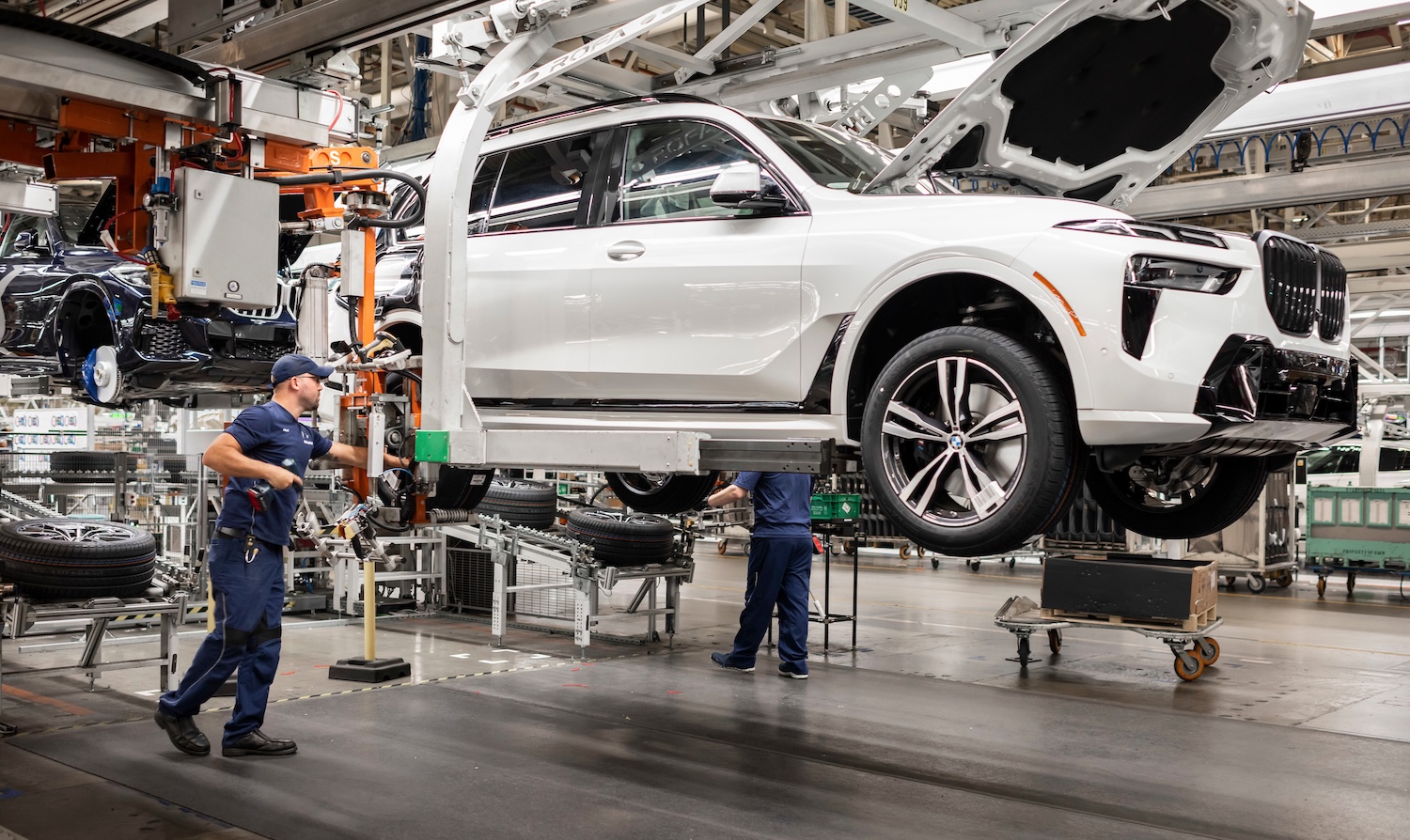
The automobile factory of the future will not look like the one that built your grandfather’s car. In fact, BMW’s Spartanburg, South Carolina, plant is becoming a rolling experiment in what that future might look like.
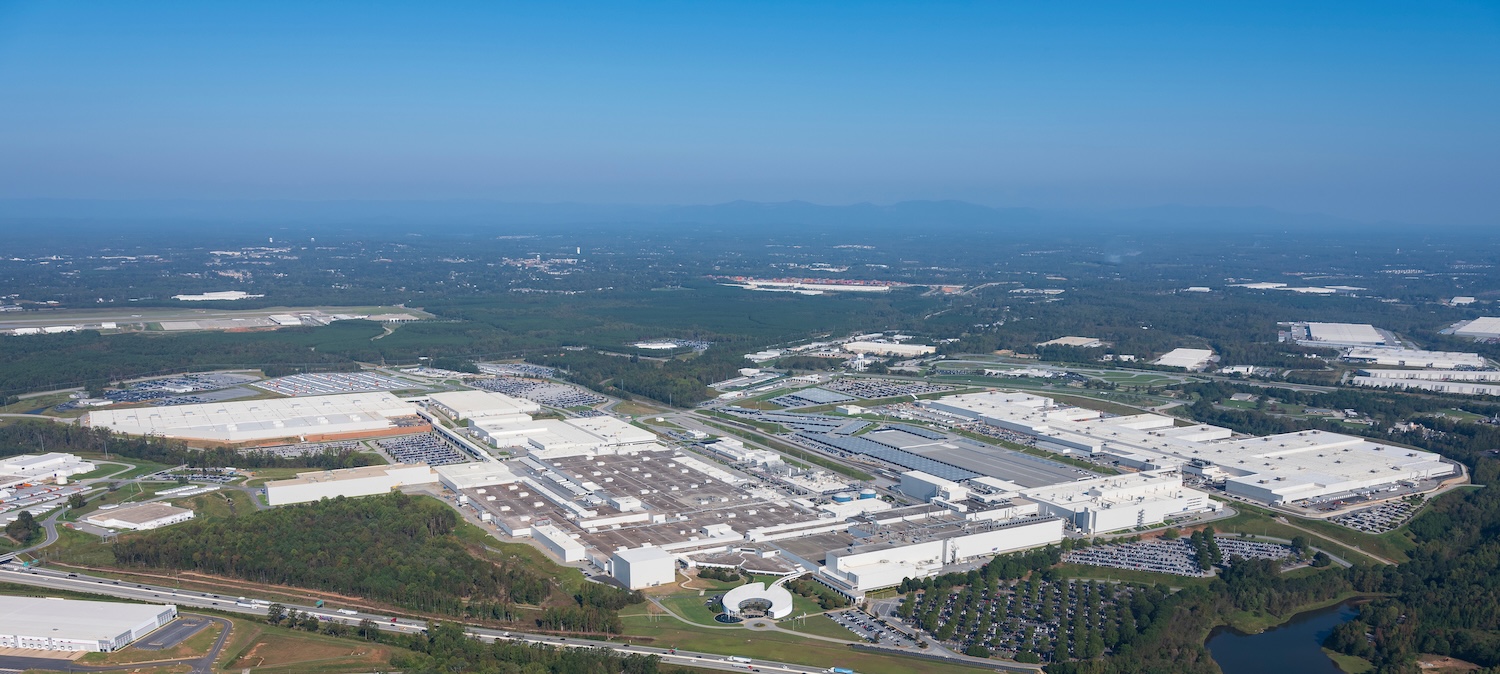
BMW’s assembly plant in Spartanburg, South Carolina is its largest factory. (Photo courtesy BMW)
BMW took a big risk when it opened a U.S. assembly plant in 1994. Today, it’s the automaker’s biggest facility in the world, producing 14% of the automaker’s global volume, with an emphasis on its X-series models.
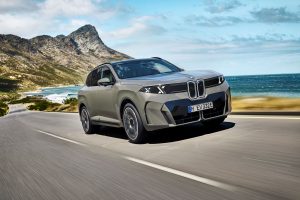
Now, BMW is spotlighting its efforts to modernize the plant as it gets ready to reveal the next-generation BMW X5 built there.
The factory, best known as the global home of the BMW X5, is being transformed from a traditional assembly operation into a laboratory for the automaker’s next generation of manufacturing. The changes are driven by a simple reality: building electric vehicles is only one part of reducing an automaker’s environmental footprint. The real challenge is cleaning up everything that happens before and after a vehicle reaches the road.
BMW COMES CLEAN
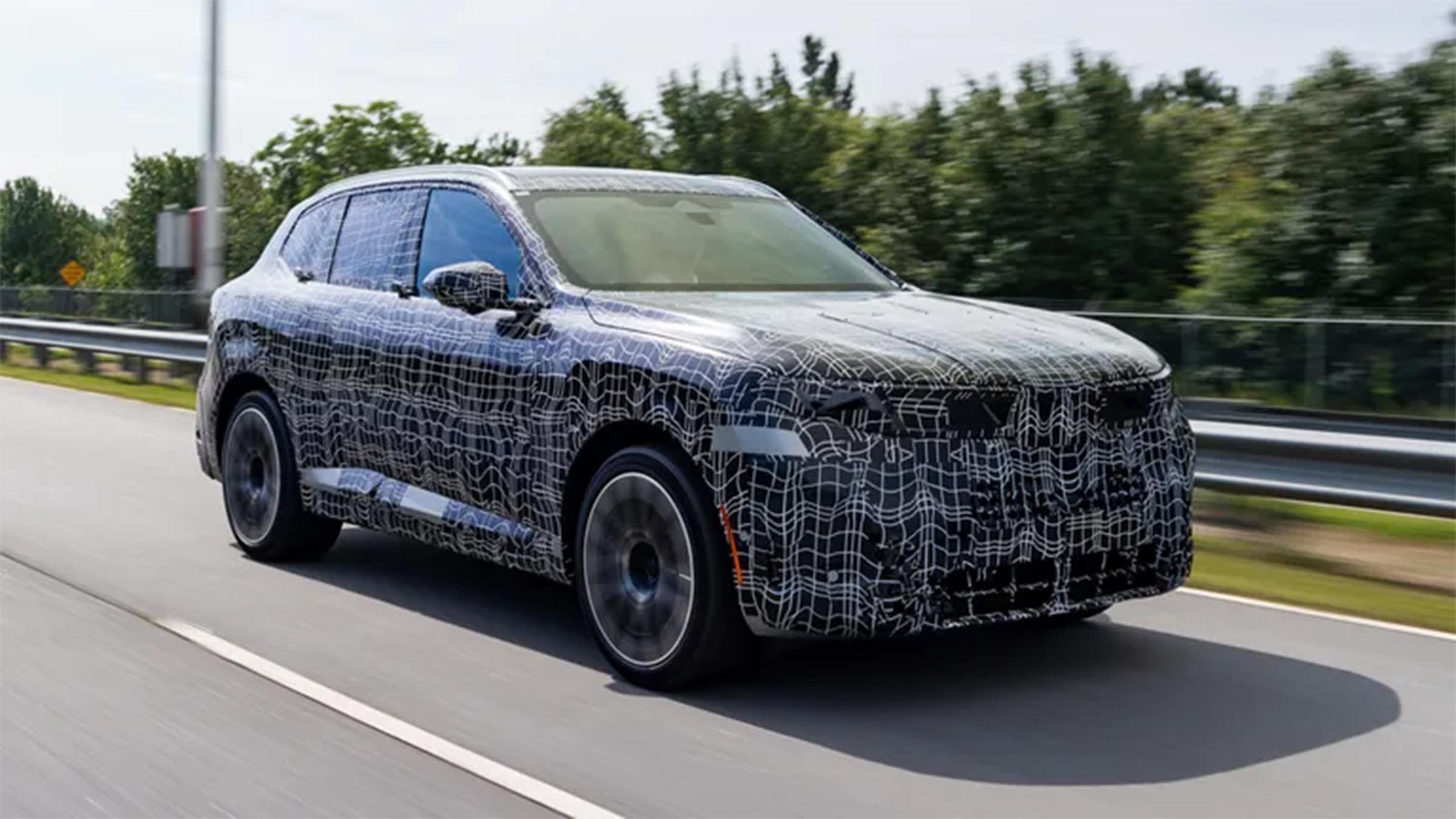
A 2027 BMW X5 in camouflage.
BMW says the new X5 represents that broader approach. By rethinking its supply chain, increasing the use of recycled materials and expanding renewable energy, the company says it reduced the SUV’s lifecycle carbon emissions by roughly 40% during development. The strategy applies across the X5 lineup, from gasoline models and plug-in hybrids to the fully electric iX5.
The transformation begins long before a body shell reaches Spartanburg.
BMW says approximately half of the flat steel used in the X5 now comes from lower-carbon electric arc furnaces powered by renewable electricity. Recycled aluminum and plastics have found their way throughout the vehicle, while about one-third of the all-electric iX5 xDrive60 is made from recycled materials.
Even the batteries are part of the equation. Future battery production incorporates more recycled cobalt, nickel and lithium while relying on renewable electricity during manufacturing. BMW says those changes allow the electric iX5 to recover its higher production emissions compared with a similar gasoline-powered SUV after roughly one to two years of driving.
BMW says Spartanburg now purchases all of its electricity from renewable sources. Since 2006, the plant has cut energy consumption per vehicle by 66% and reduced landfill waste by 88%.
BMW’S NEWEST WORKER
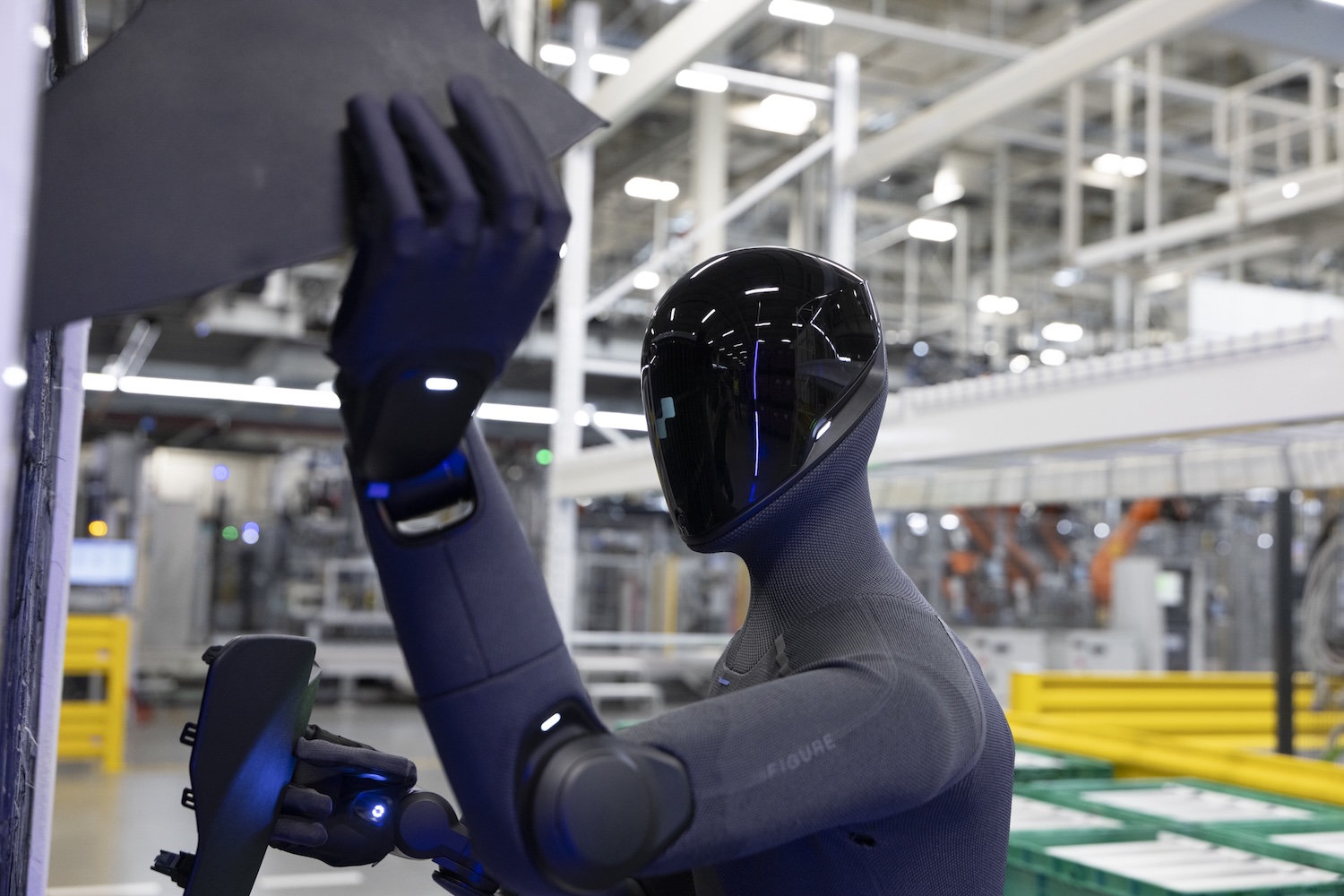
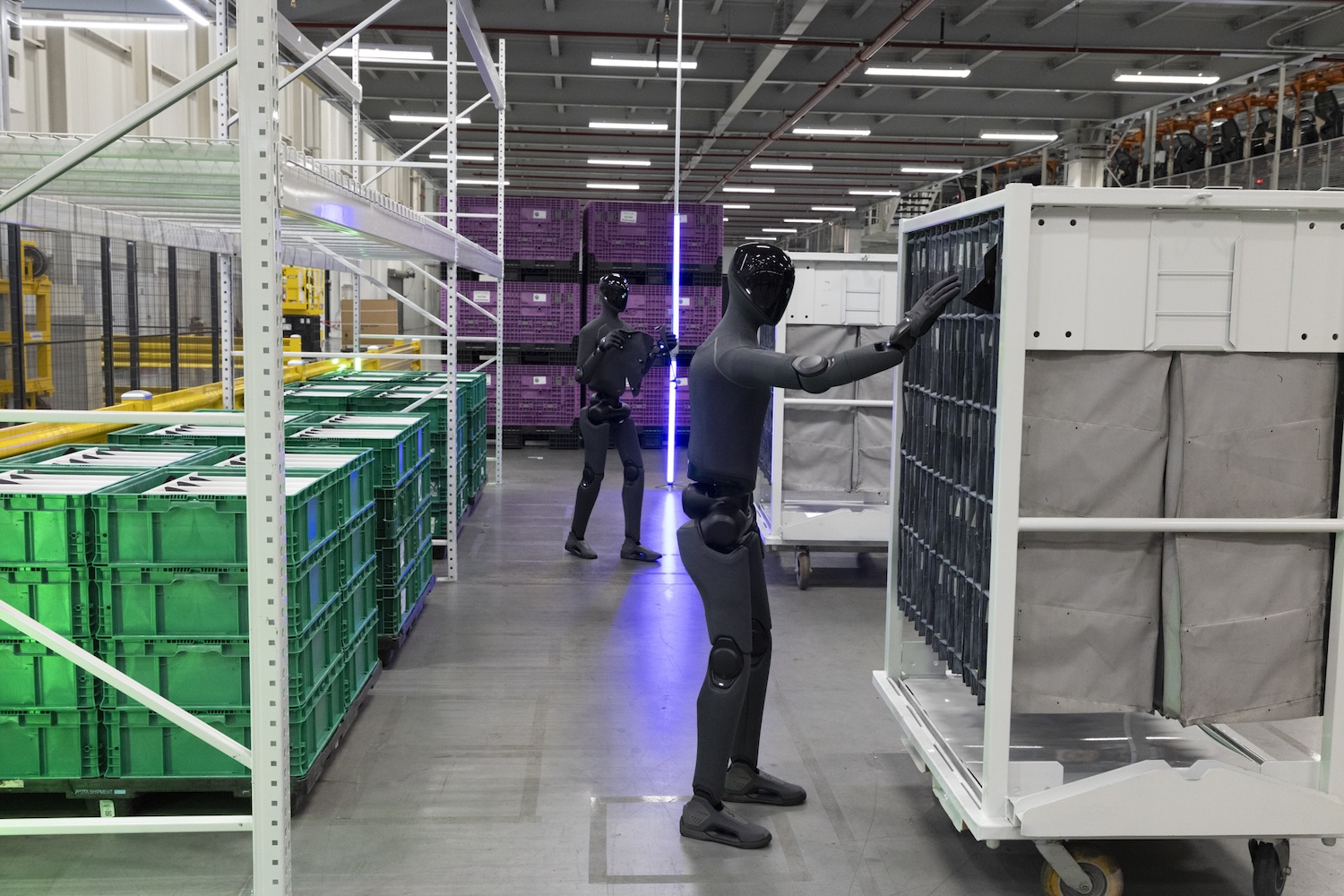
A humanoid robot, is being employed at BMW’s assembly plant in Spartanburg, South Caroline. (Photo courtesy of BMW)
But BMW’s vision of the future factory is not only cleaner. The automaker is expanding its partnership with Figure AI, bringing the new Figure 03 humanoid robot into Spartanburg production.
After testing earlier versions in the body shop, BMW is moving the humanoids into logistics, where robots will sort parts into sequencing carts used to supply the assembly line. It’s repetitive, physically demanding and requires precise movements over long periods.
BMW’s earlier 10-month trial with the Figure 02 robots proved that humanoid robots could work in an automobile factory, where they assembled more than 30,000 BMW X3s. The project is part of BMW’s broader iFactory strategy.
More Auto News
- Review: A Week With Toyota’s “Final Edition” Supra
- Next Hyundai Elantra Gets a Radical Makeover
- Feds Ban Polestar from U.S. Market as of 2027 Model Year
WHAT THE FUTURE MAY HOLD
Like its competitors, BMW is looking for ways to clean up manufacturing operations even while lowering costs.
Humanoid robots are still a long way from becoming a common sight on the factory floor. But BMW is betting they eventually will. The company insists the goal is not replacing people with machines, but using automation to take over repetitive tasks. The official explanation is that this allows employees to focus on jobs requiring judgment, experience and problem-solving.
But how long before AI is brought in to do that as well? The reality is that every industrial revolution has raised the same question: what happens to the people whose jobs become easier, faster or unnecessary because of technology?
For now, Spartanburg is a test of both a cleaner factory and a smarter factory. The only unanswered question is whether the humans building the factory future will still have a job once its operational.
Don’t bet on it.


0 Comments