
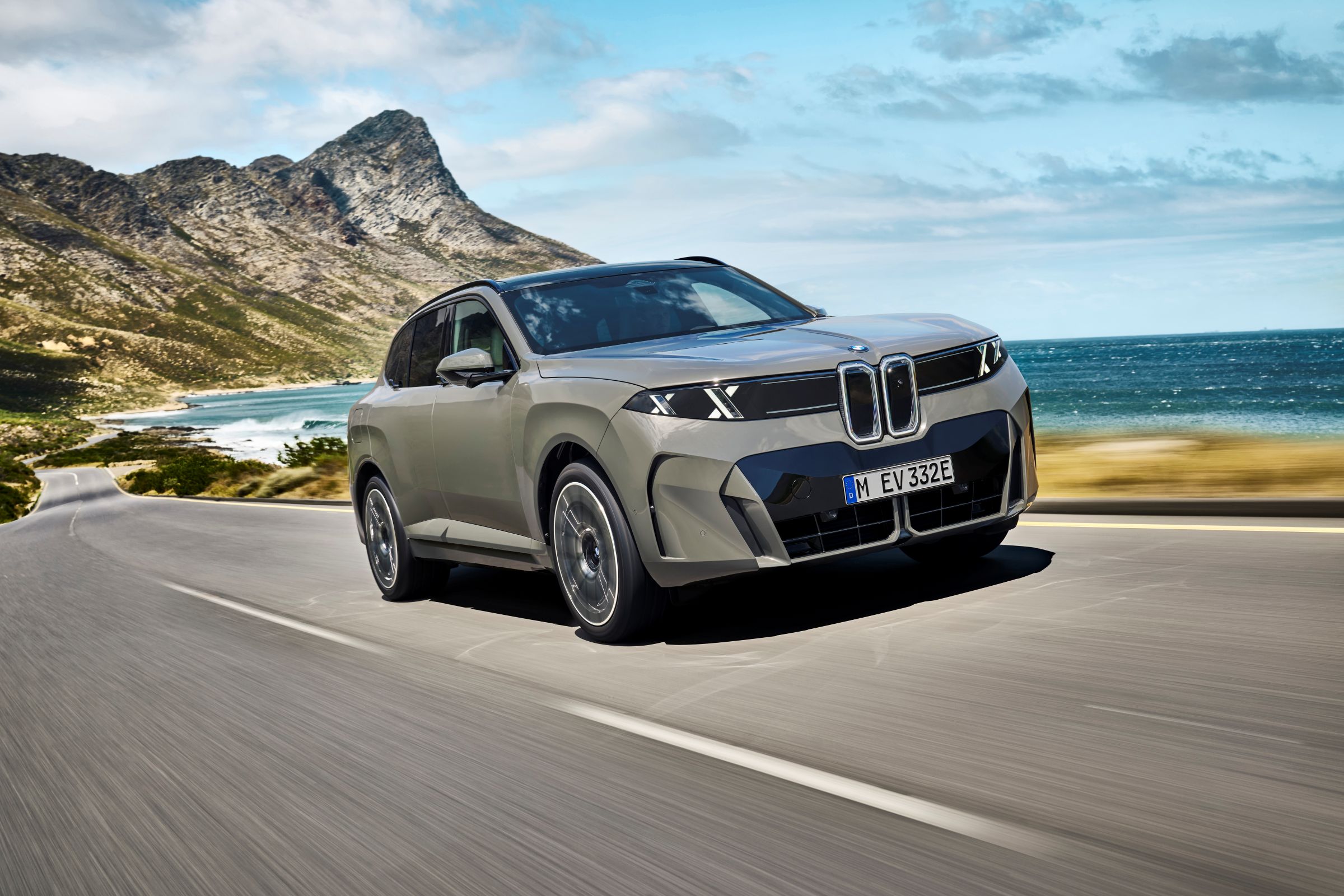
A new direction for BMW? That may be the case with the 2027 X5 which will be offered with a wide range of powertrain options – including gas, PHEV, EV and even hydrogen. Headlight.News was there for the new SAV’s debut.
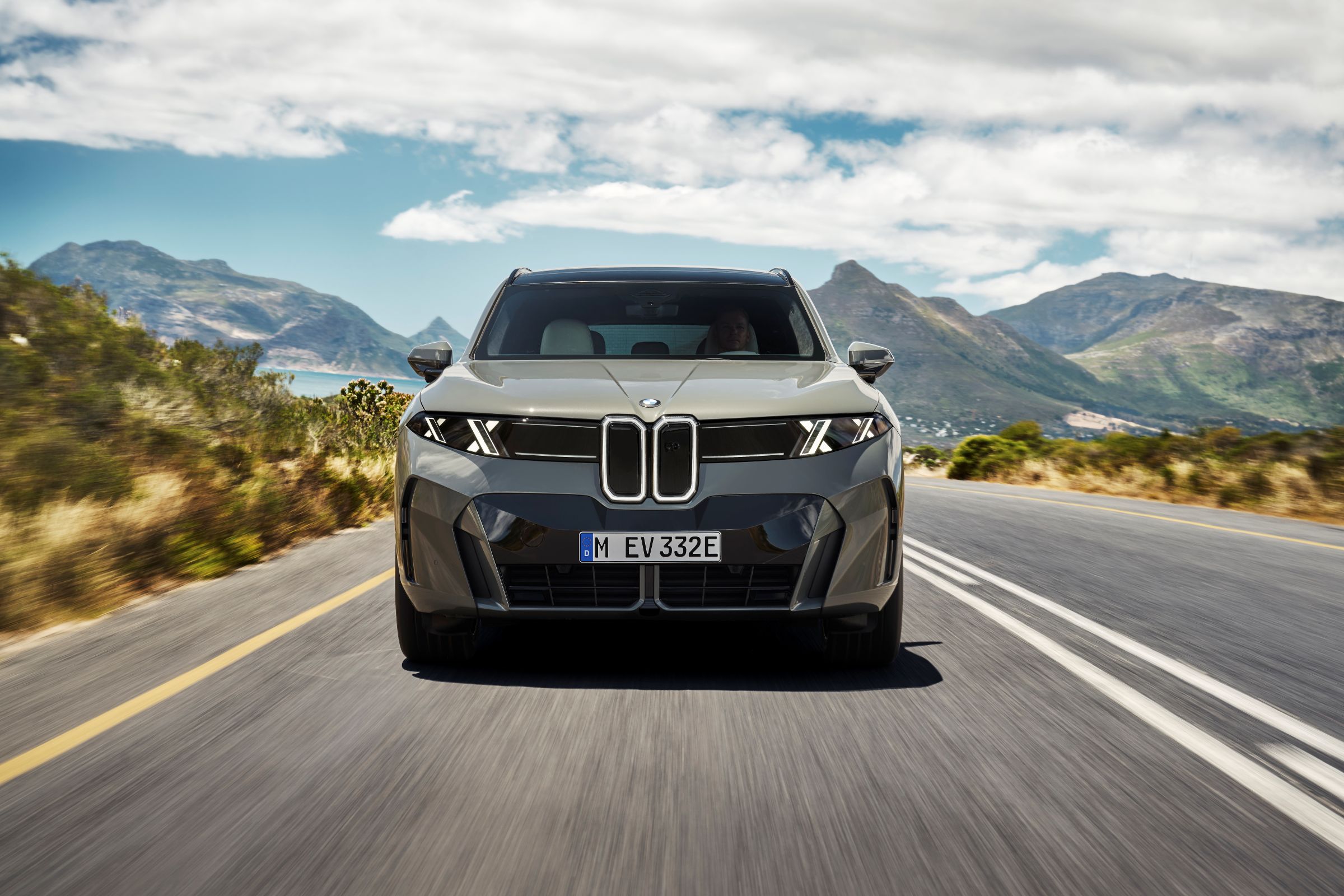
The 2027 BMW X5 will be offered with a wide range of powertrain options.
The 2027 BMW X5 represents more than the next generation of the company’s best-selling luxury SUV. It illustrates BMW’s commitment to a product strategy that embraces multiple propulsion technologies rather than committing exclusively to a single path. As much of the industry continues to debate the pace of electrification, BMW is preparing to offer the X5 with gasoline, plug-in hybrid, battery-electric, and eventually hydrogen fuel-cell power.
Production begins in October with the X5 40 xDrive. During the first quarter of 2027, BMW will add the rear-wheel-drive X5 40, the X5 50e xDrive plug-in hybrid, and the all-electric iX5 60 xDrive. A V8-powered M Performance model is scheduled to follow later in the model year, while the long-awaited iX5 Hydrogen is expected to become BMW’s first series-production hydrogen fuel-cell SUV.
Pricing reflects the breadth of the lineup. The X5 40 starts at $69,800, while the X5 40 xDrive begins at $72,100. The plug-in hybrid X5 50e xDrive carries a base price of $77,500, and the battery-electric iX5 60 xDrive starts at $79,800. Destination adds $1,450 to each model.
As with previous generations, every X5 sold worldwide will be assembled at BMW’s Spartanburg, South Carolina, manufacturing facility. Since production began there in 1999, the plant has become the global center for BMW’s X models and one of the company’s most important manufacturing operations.
Evolution Rather Than Reinvention
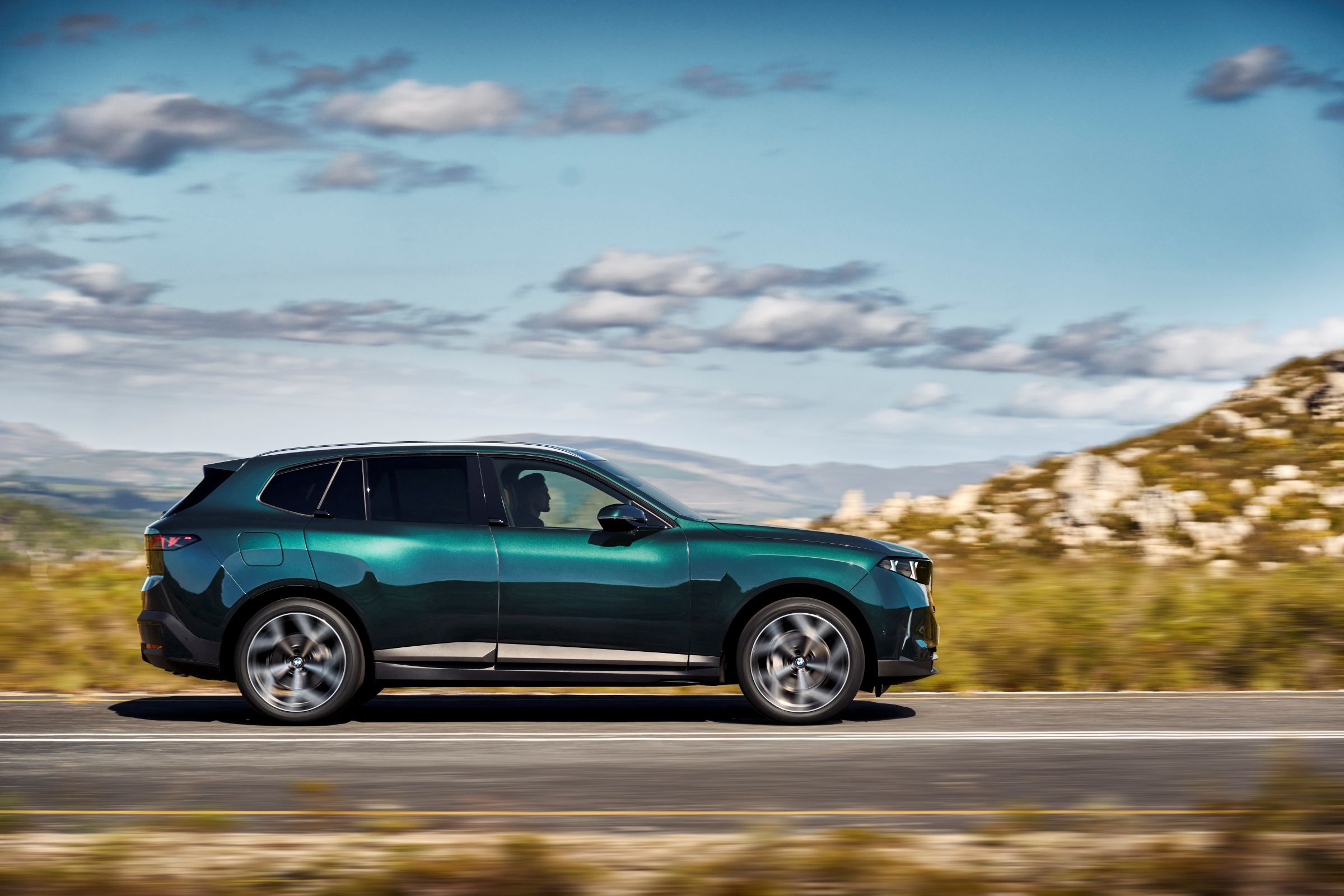
The new X5 design is evolutionary, rather than revolutionary.
Although the redesigned X5 adopts BMW’s latest Neue Klasse design language, it remains immediately recognizable.
The front fascia is more upright, featuring an illuminated kidney grille and a new double-X lighting signature that integrates the headlamps, daytime running lights, turn signals, and side markers into a single visual element. Buyers who prefer a more understated appearance can deactivate the illuminated grille accents.
The profile is cleaner than before, with fewer character lines and smoother body surfaces contributing to a more contemporary appearance. Wheel sizes range from 21 to 23 inches, while conventional door handles have been replaced by touch-sensitive controls integrated into the B- and C-pillars. Slimmer rear lighting emphasizes the vehicle’s width and aligns the X5 with BMW’s latest sedan designs.
A Digital Interior
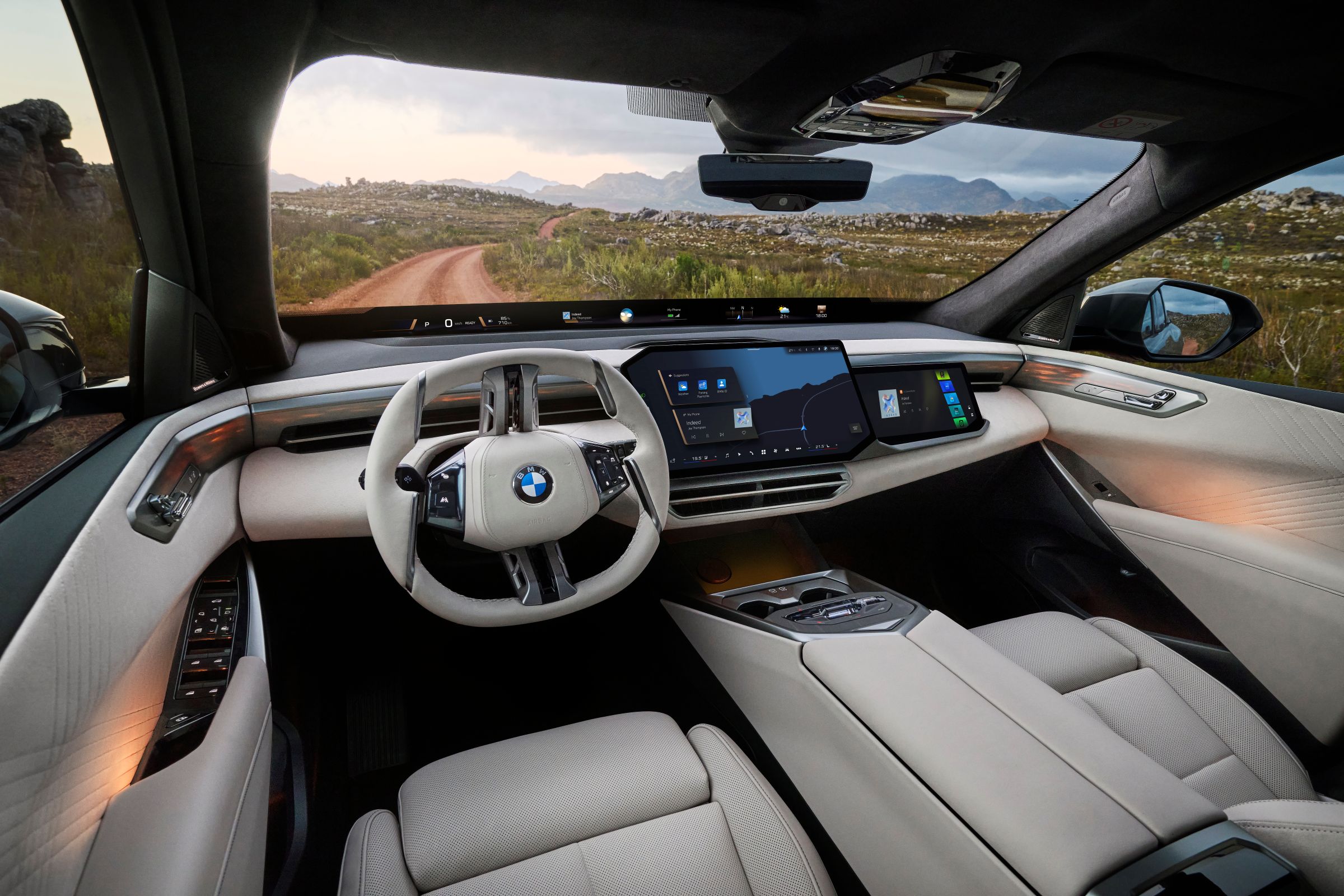
BMW has opted for an extremely high-tech interior on the 2027 X5.
The most significant changes occur inside.
BMW has replaced the traditional instrument panel with its new Panoramic Vision display, which projects information across the lower portion of the windshield. Essential driving information remains directly in front of the driver, while additional content can be customized across the display.
A 17.9-inch central touchscreen serves as the primary interface for BMW’s latest Panoramic iDrive system. An optional passenger display, head-up display, wireless Apple CarPlay, and Android Auto are available, while voice commands are enhanced through Amazon’s Alexa+ integration.
The cabin also introduces new materials and controls. Glass switchgear replaces many traditional buttons, slate trim adds visual texture, and redesigned steering wheel controls rely on touch-sensitive surfaces with haptic feedback.
More Auto News
- Is BMW’s South Carolina Plant the Factory of the Future?
- Prepare for a Shock Next Time You Shop for a New Vehicle
- Even as Sales Surge, Tesla Falls Further Behind China’s BYD
Multiple Powertrains Reflect Market Reality
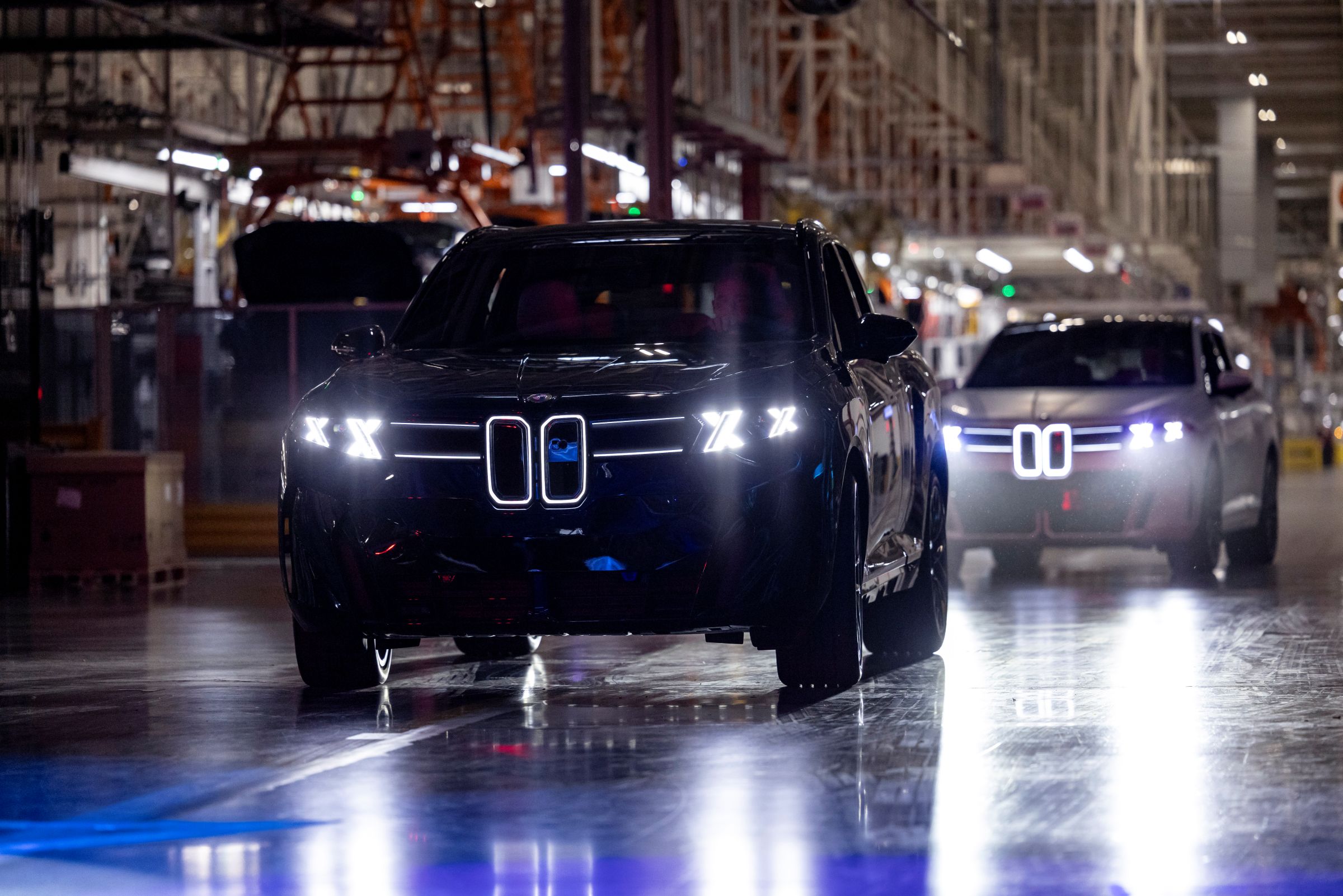
The 2027 BMW X5 is seen here rolling out of the Spartanburg, SC assembly plant.
The redesigned X5’s most notable feature may be its broad range of propulsion choices.
The X5 40 and X5 40 xDrive use BMW’s revised 3.0-liter turbocharged inline-six employing the Miller combustion cycle. Output increases to 394 horsepower and 428 pound-feet of torque, with a projected 0-60 mph time of 5.1 seconds.
The X5 50e xDrive combines that engine with an electric motor to produce a total of 483 horsepower and 516 pound-feet of torque. BMW estimates the plug-in hybrid will reach 60 mph in 4.6 seconds while offering improved electric-only capability over its predecessor.
Leading the technological transition is the iX5 60 xDrive. Built on BMW’s sixth-generation 800-volt electric architecture, it produces 570 horsepower and 593 pound-feet of torque. BMW projects an EPA driving range of approximately 435 miles and estimates a 0-60 mph time of 4.4 seconds.
Supporting every version is BMW’s new centralized computing architecture, which coordinates propulsion, steering, braking, charging, and regenerative braking. Available features include adaptive two-axle air suspension and Highway Assistant, allowing hands-free driving on approved highways at speeds up to 85 mph.
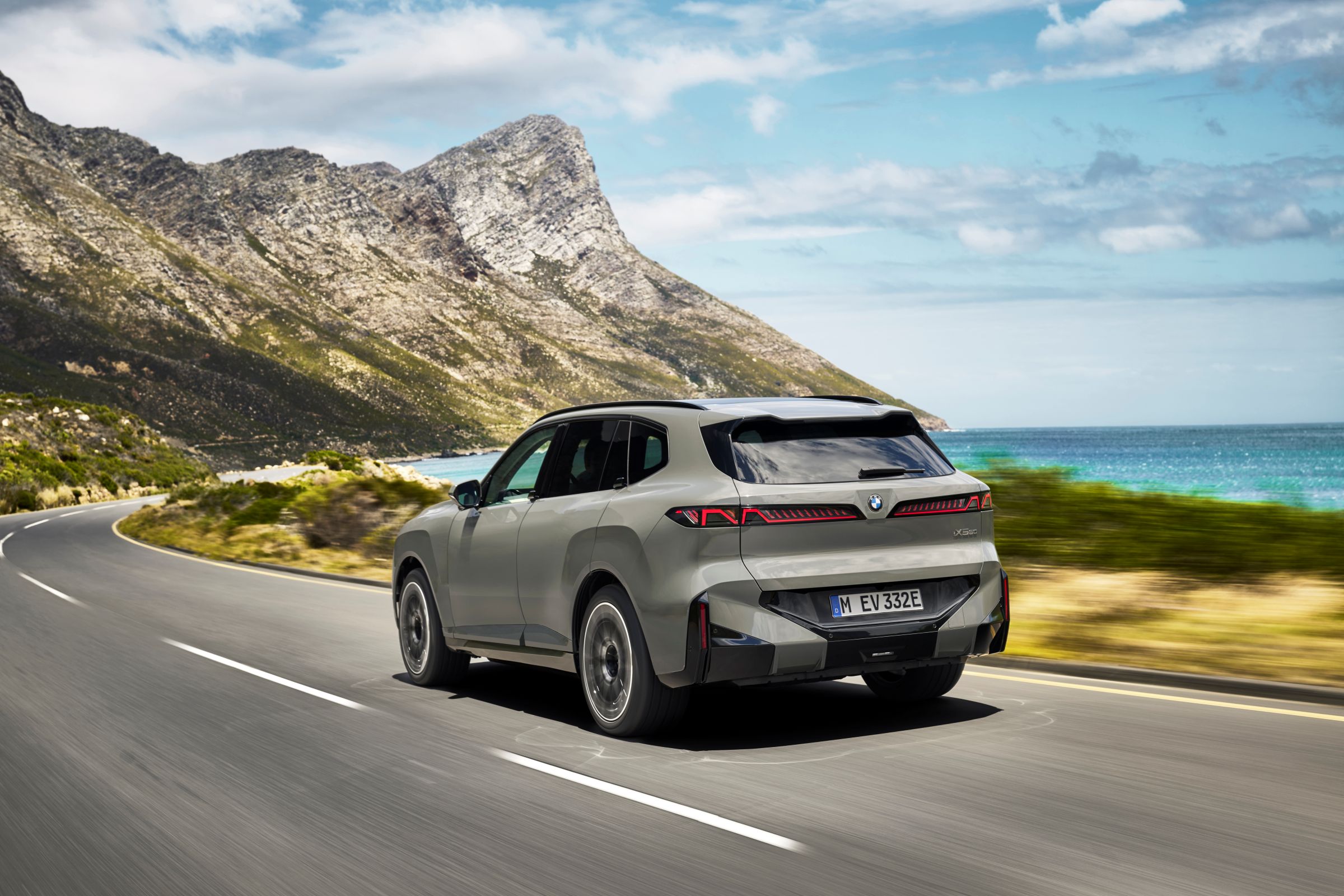
Though not BMW’s best-seller, the X5 is a critical product for the brand in the U.S. market.
Looking Ahead
Rather than viewing gasoline, hybrid, battery-electric, and hydrogen propulsion as competing technologies, BMW is positioning them as complementary solutions for different customers and markets.
Whether that strategy proves more successful than competitors’ more narrowly focused approaches remains to be seen. What is clear is that the 2027 X5 serves as BMW’s strongest statement yet that flexibility—not exclusivity—will define its approach to the next decade of luxury vehicle development.




0 Comments