
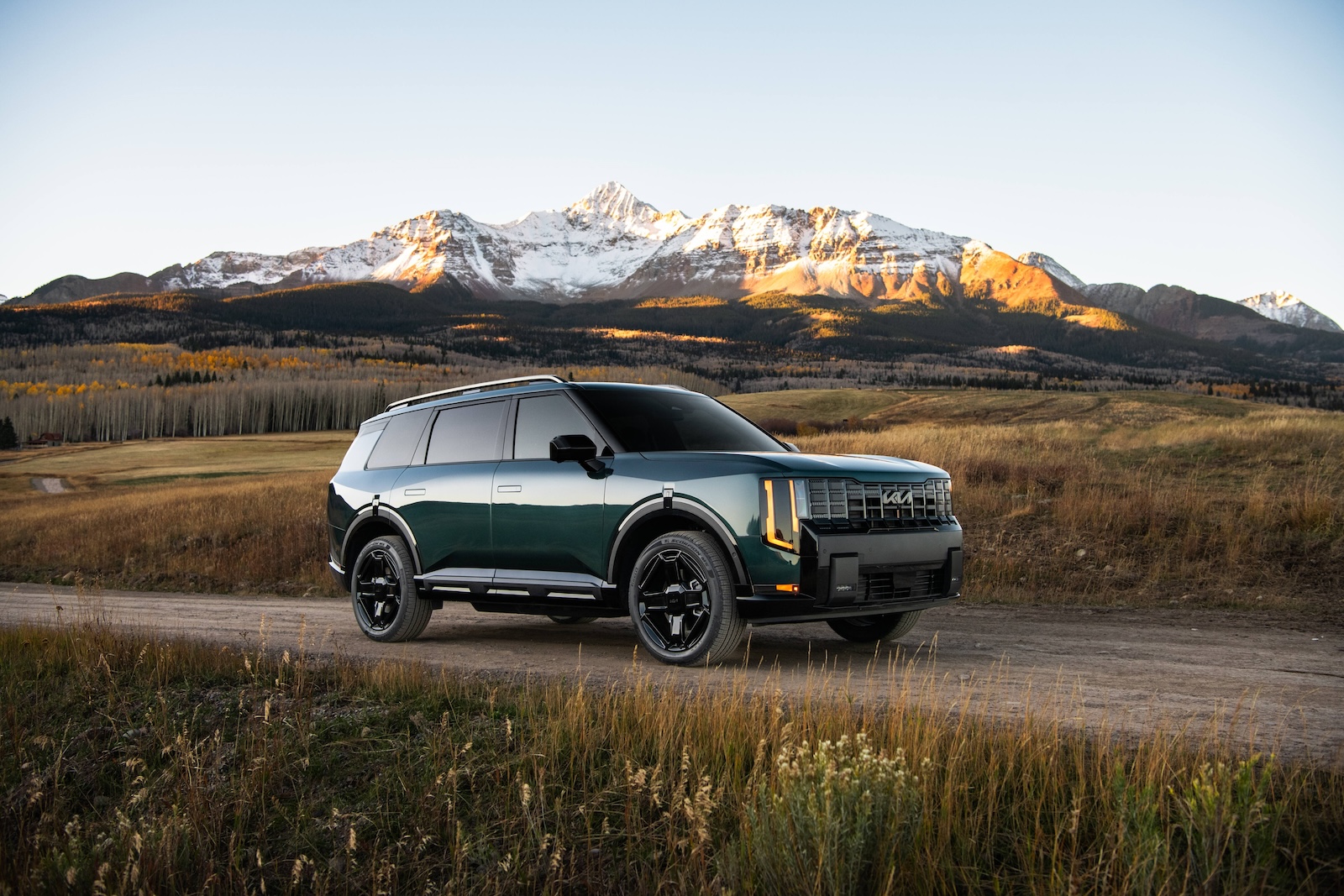
It’s become an almost daily occurrence, new vehicle prices setting a new record only to have it topple in short order. And that’s likely to keep at least one million potential buyers out of the market this year. Still, bargain hunters can find some deals, reports Headlight.News.

New vehicle prices are setting record highs almost daily this year.
New vehicle prices ended the first half of 2026 setting a new record of $51,974, according to the Automotive News/Catalyst IQ Vehicle Price and Inventory Tracker, breaking the previous all-time high set just four days earlier.
That was a full $2,421, or 4.9% than the average marketed price for a new vehicle on June 30, 2025, noted Rick Wainschel, vice president of analytics at tracking firm Catalyst IQ. And it reflects a variety of factors pressuring the cost of vehicles seemingly ever higher, including higher production costs and Pres. Donald Trump’s tariffs.
“There are no inexpensive vehicles on the market anymore and that’s pushing more and more people into the used vehicle market,” said Sam Fiorani, lead analyst with AutoForecast Solutions. The research firm’s data suggest “at least 1 million people” a year have been abandoning the new vehicle market for previously owned products.
Stretched to the limits

A record number of buyers are stretching loans out to as much as 84 months.
The Vehicle Price and Inventory Tracker reports on the figures dealers market their vehicles at – which means the figures may change each time a sales transaction is completed.
Other tracking services look at average transaction prices, or what customers actually pay once MSRP, options and discounts are rolled into the equation. Those figures have also been setting new records in recent months, surpassing the previous highs set during the COVID pandemic when shortages of chips and other components led automakers to limit production. Short of inventory, dealer frequently marked up the vehicles they did have, often by thousands of dollars.
What’s clear is that buyers are being stretched to the limits in many cases. A record 36.5% of all financed new-vehicle purchasers in the second quarter took on loans of 73 months or longer, reported Edmunds. That was up from 27.3% a decade prior. Fully 23.9% of Q2 financers signed on for loans of 84 months or longer, another record.
The average monthly payment on new-vehicle purchases hit a new record of $777, slightly above last quarter’s record $773 per month.
What’s behind the run-up in prices

Pres. Trump — shown meeting with senior leaders of the U.S. auto industry in December — has pushed vehicle prices higher with his auto import tariffs.
Several factors have contributed to the huge jump in vehicle prices – an average 46% increase compared to a decade ago, according to Kelley Blue Book.
Experts point to:
- Regulatory mandates covering safety, mileage and emissions. Today’s vehicles feature a suite of sensors, more advanced software and upgraded hardware;
- Increases in production costs, including higher wages and benefits for factory workers
- Material shortages continued, albeit to a lesser degree, after the pandemic. Today, automakers have to compete with data centers for semiconductor chips, for one thing;
- Trump Tariffs on imported autos and auto parts run as high as 100%, depending upon the trading partner. Separate tariffs have driven up prices for foreign made steel and aluminum.
In a case of chicken-and-egg, automakers have responded to shifting market demographics by focusing more on high-end models while reducing the number of entry-level packages they once offered.
More Auto News
- Review: A Week With Toyota’s “Final Edition” Supra
- Next Hyundai Elantra Gets a Radical Makeover
- Feds Ban Polestar from U.S. Market as of 2027 Model Year
Some deals remain
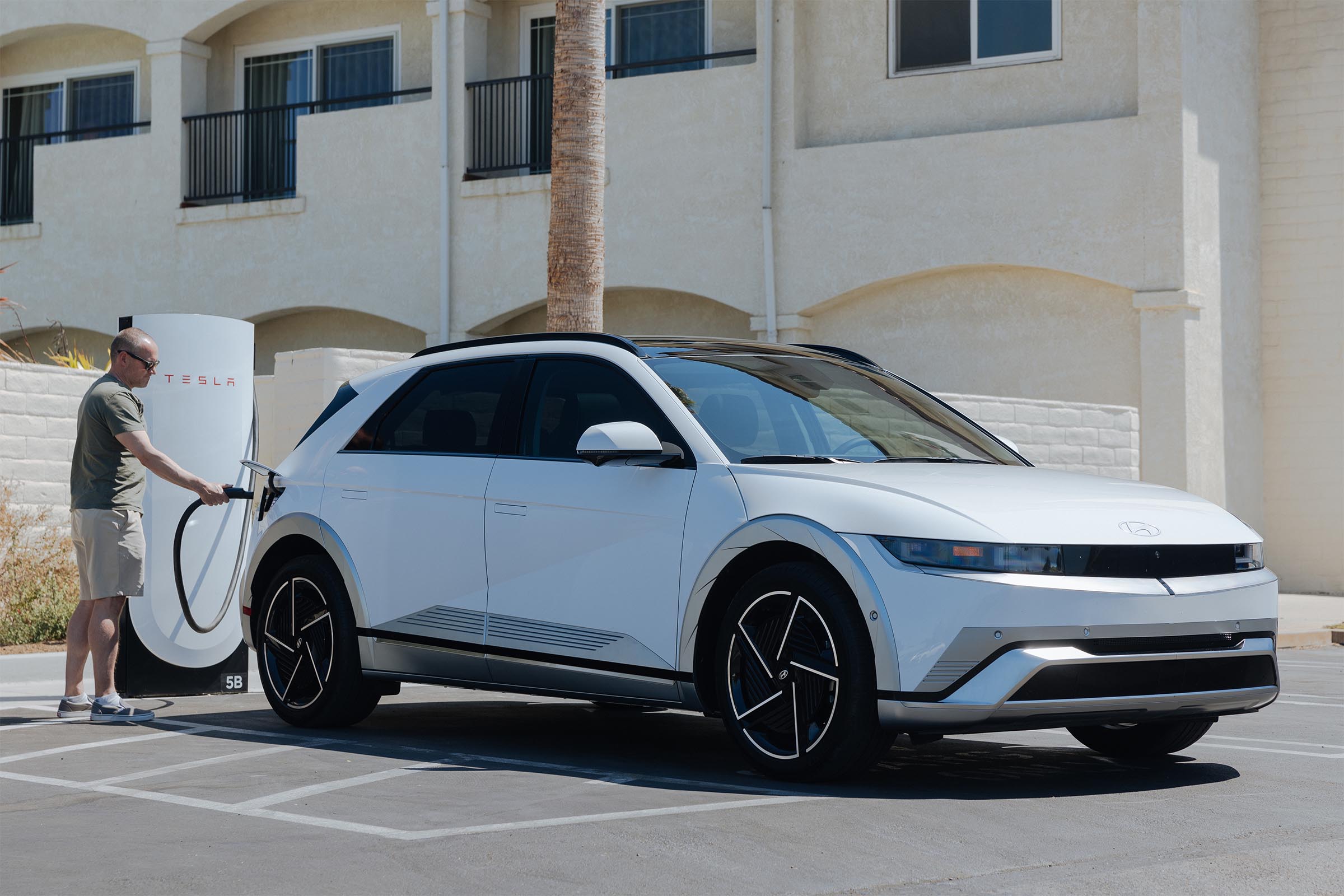
The Hyundai Ioniq 5 has experienced a 17% price decline this year.
Prices have gone up in the majority of product segments, noted Automotive News, but in “no segment more than compact sedans, where average marketed prices have risen $2,869, or 12 percent, from the end of the first half of 2025.”
While automakers have dropped a number of popular budget-friendly models, such as the Nissan Versa, there are still some bargains out there.
Five segments have experienced year-over-year price reductions, notably low-demand convertibles, where the marketed price is down 9.8% since mid-2025. Minivans were down 3.2%, according to the Vehicle Price and Inventory Tracker, and full-size and extra-large luxury SUVs and vans also dipped from a year ago.
Of 133 nameplates the study tracks, 99 saw price hikes over the past 12 months – the Kia Telluride topping the chart at 16.4%. The other 34 were flat or experienced price reductions. The Hyundai Ioniq 5 EV was down the most of all those models, declining 17%. Several automakers have tried to address pricing concerns, including Stellantis – which bumped MSRP numbers up sharply several years ago and then ran into a wall of consumer resistance. It’s cut prices on several models, including the Jeep Wrangler which is down 4% from a year ago.






0 Comments