
If you’re put off from buying an EV because you worry its batteries will need to be replaced every few years you could be in for a pleasant surprise: a new study showing today’s lithium-ion and lithium-iron-phosphate batteries are lasting substantially longer than even auto industry optimists had forecast.
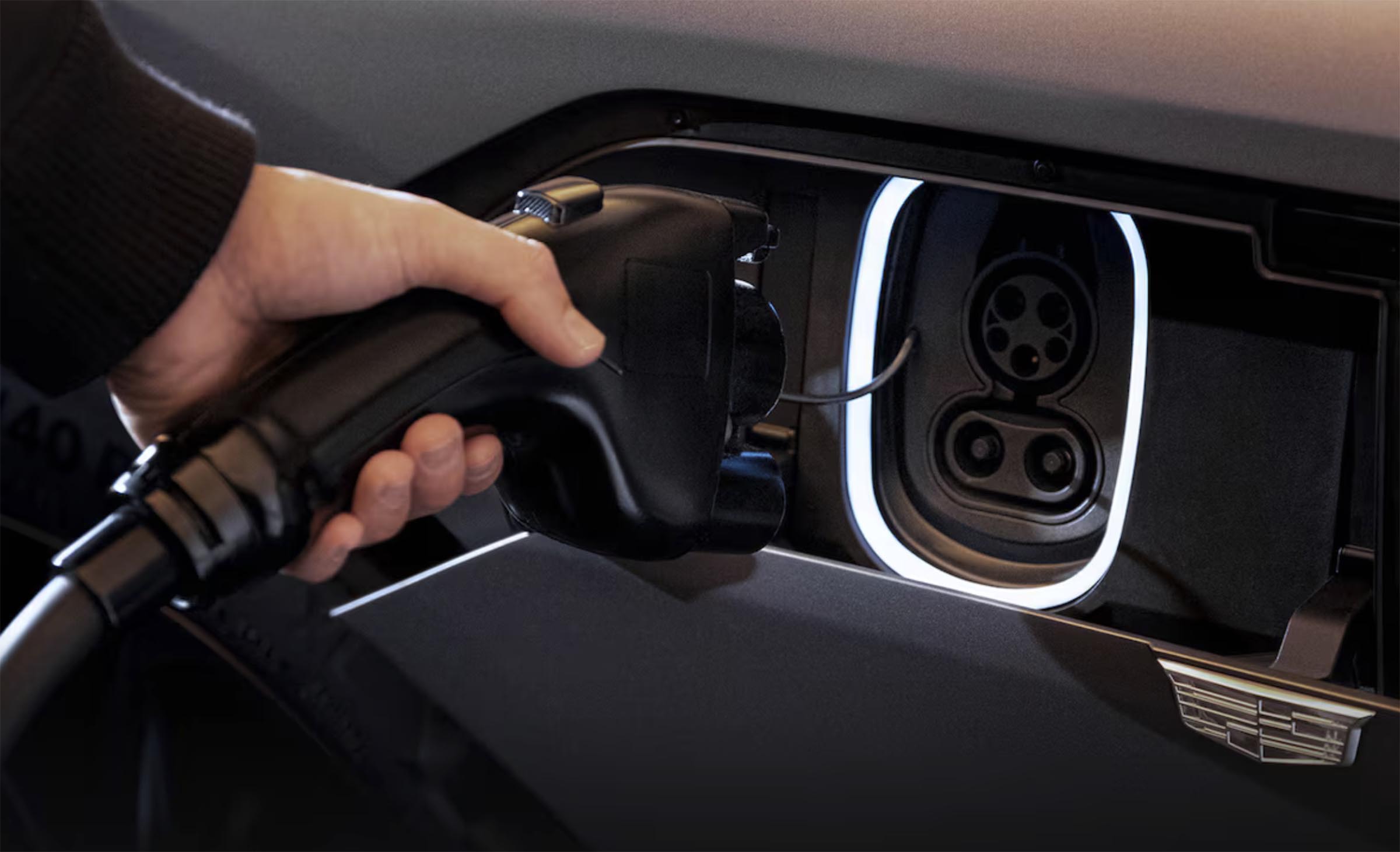
A 2026 Cadillac Lyriq-V charging.
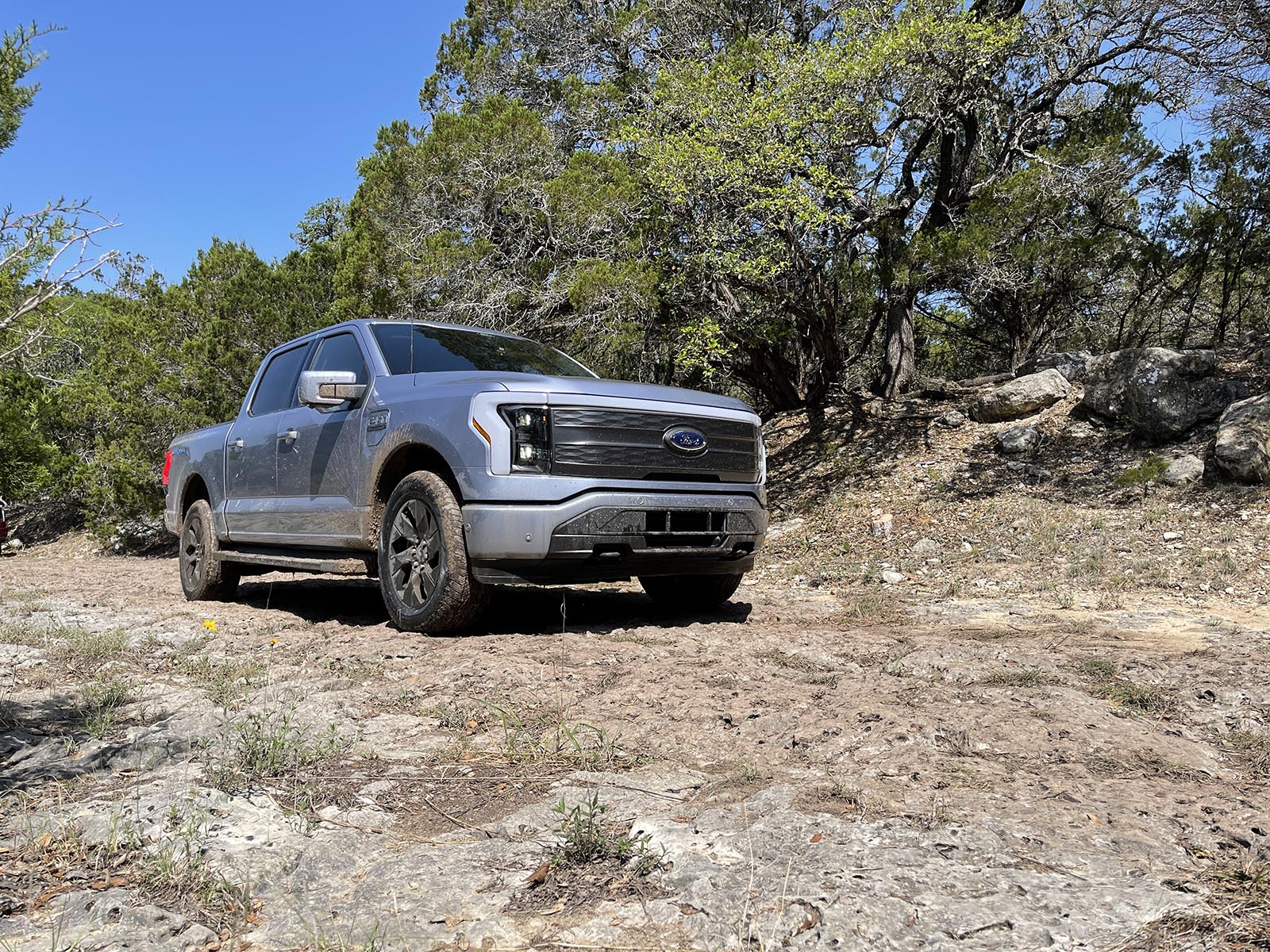
The F-150 Lightning sitting in my driveway isn’t babied very much. It’s used for carrying heavy loads, towing our boat and, in just the last few months, running extended drives. Yet, coming up on four years since we purchased the all-electric pickup, we still see a projected range of 320 miles whenever we set the software to 100% charge.
Actually, that’s a bit better than Ford originally claimed, our Platinum edition supposed to get 20 miles shorter range than the 320-mile rating for lighter Lightning packages.
That’s been one of the most pleasant surprises of owning an all-electric vehicle: discovering we aren’t experiencing the dreaded battery degradation that many EV skeptics – and even some industry proponents – had been fearing. Indeed, a new study reveals that even after five years, today’s battery tech is holding virtually all of its original capacity, even after five years – or longer – on the road.
Journey to the moon

An EV heading cross country on I-80 in Wyoming.
Richard Symons has driven his five-year-old Tesla Model 3 far enough to have reached the moon, were there chargers along the way. A UK auto dealer, he has seen essentially no loss of range and confidently traveled recently on a 260-mile journey without having to charge along the way.
The Tesla’s batteries “are proving themselves to be exceptionally reliable,” Symons told The Wall Street Journal which looked at a new study by the battery analytics company Recurrent.
It found that relatively recent EVs – particularly those produced from 2022 onward – can expect to retain at least 95% of their battery life after five years of normal use.
Early troubles
The first mass market EV, the 2011 Nissan Leaf, did have issues with its batteries, as did early versions of the Tesla Models S and X. The Japanese automaker went so far as to offer a warranty on Leaf’s pack starting in 2013. If the batteries couldn’t maintain at least 70% of their original capacity it would repair or replace the pack. Tesla, meanwhile, was reported to have replaces thousands of early packs that had “bricked,” failed so catastrophically they could no longer be recharged.
Early EVs suffered from a variety of problems with software, hardware and design. To hold down pricing, for example, Leaf’s battery pack was air cooled. Virtually all EVs since have adopted liquid cooling systems capable to maintaining the temperature sweet spot, even on hot days and under aggressive driving.
Recurrent found that fully one of every 12 EVs built between 2011 and 2016 ultimately needed to have batteries replaced. In some cases that meant individual cells. In others, however, that meant full pack replacements.
More Auto News
- Tesla Sales Surge – But BYD is Now #1 for EVs
- Is BMW’s South Carolina Plant the Factory of the Future?
- Prepare for a Shock Next Time You Shop for a New Vehicle
Addressing the problems
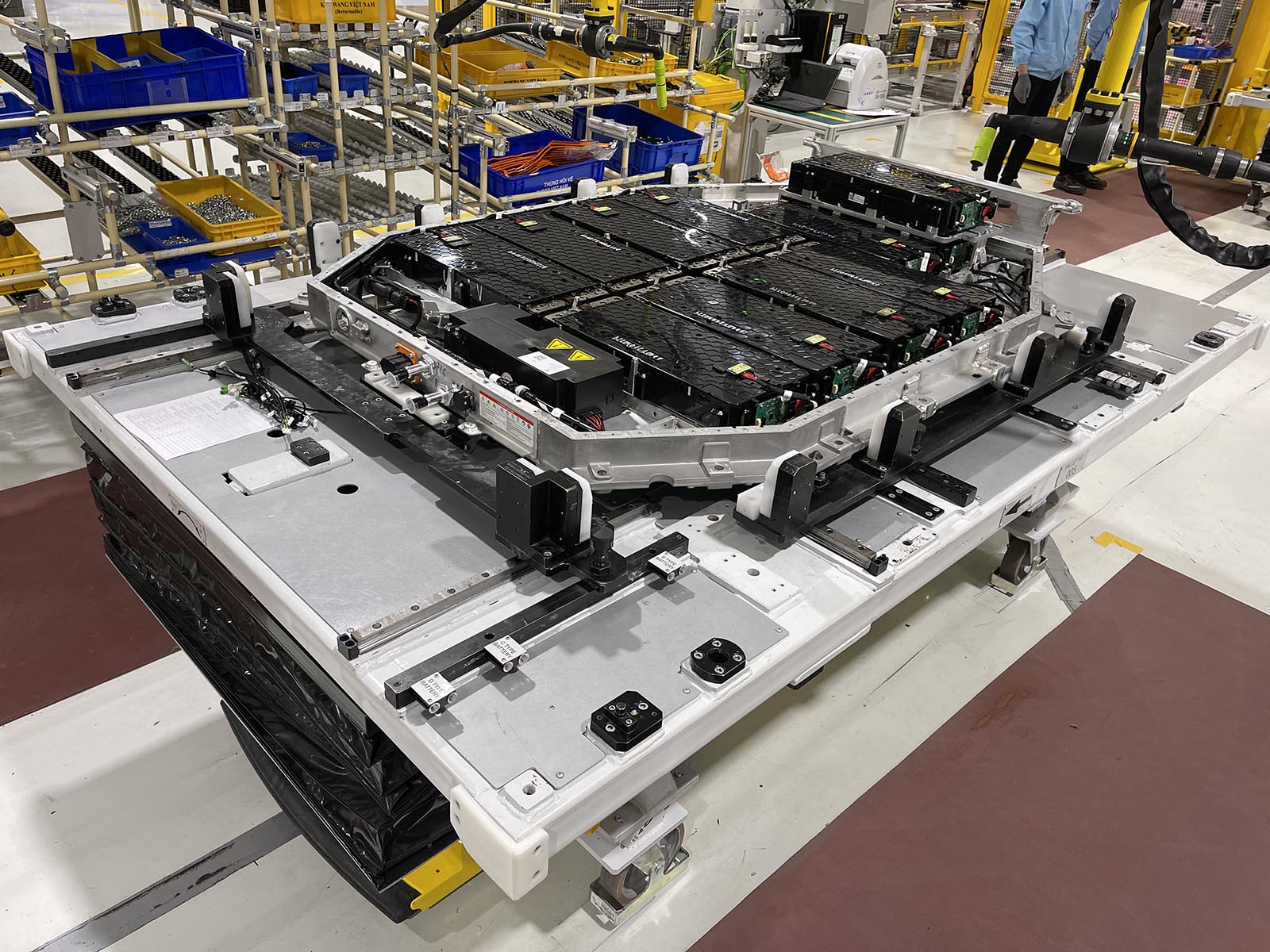
The industry is racing to develop new battery technology that will not only offer longer range but last ever longer.
Since 2022, however, the number of EVs that have needed battery replacements has all but dried up. The research firm puts the percentage among EVs on the road for five years at just 0.3% percent, or three per thousand.
It’s not just the climate control systems that have been updated, however. Overall pack design has changed. So have the battery chemistries manufacturers – and their suppliers – use. They’ve also revised software to optimize battery use while driving and the charging process when plugged in. Several Toyota models now will automatically optimize battery temperature when you get ready to plug in. That has the added benefit of reducing charge times.
That should be good news for those who might want an EV but find the high cost of a battery replacement putting them off. That was the number one concern for prospective buyers, rather than range or charger anxiety, according to a 2025 study by AutoPacific, Inc.
Do’s and Don’ts
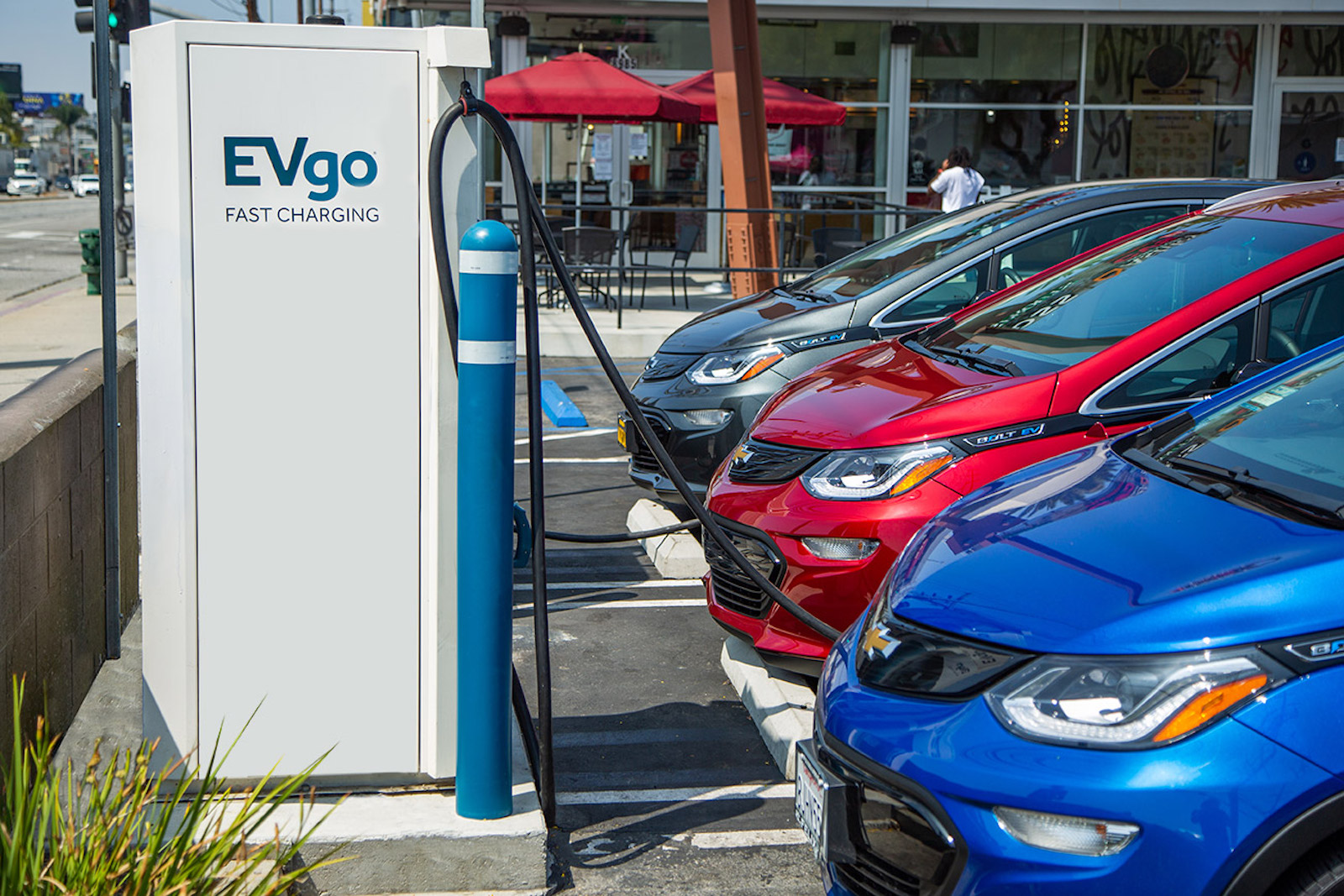
Fast chargers can degrade battery life when used too often.
Factory changes have certainly been critical to improving battery life. But owners have also learned that they can play a role. For one thing, most EVs can be pre-heated or cooled remotely while still connected to their chargers, bringing cells into their optimal operating range.
Most automakers also now recommend that buyers set their onboard software to charge packs only up to 80%. Frequently going above that is believed to speed up cell degradation, according to industry studies. Owners are strongly advised not to completely drain their packs. Given a choice, several experts have told me, you want to recharge when the vehicle is down to 20% state-of-charge.
The Journal also noted that frequent use of 400-volt DC fast chargers can accelerate battery degradation when compared to using the standard 240-volt AC chargers EV owners are likely to install. Vehicles that rely on DC fast charging much of the time retained an average 89.7% of battery capacity after five years, compared to 94.9% for vehicles using Level 2 240-volt chargers.
Taking steps to protect an EV’s battery pack can be a smart move considering that when the cells do begin to degrade a full replacement can cost as much as $16,000, depending upon the manufacturer and the size of the pack.




0 Comments