
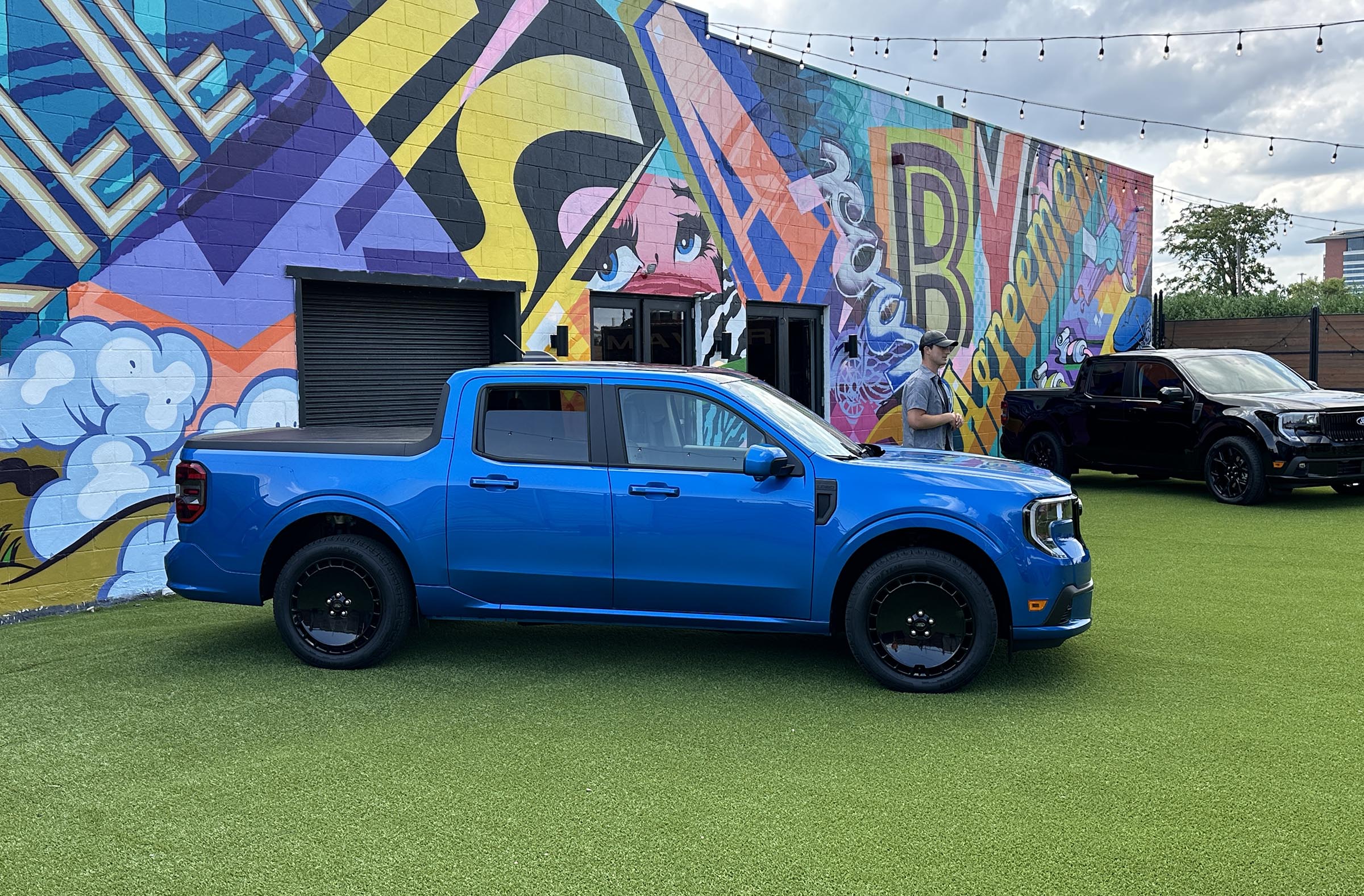
After ordering an all-time industry record 153 recalls in 2025, Ford Motor Co. hoped to bring its problems with quality and reliability under better control this year. But with three more service actions announced this week the automaker has already had to recall another 7.4 million vehicles to address potential safety problems. More from Headlight.News.
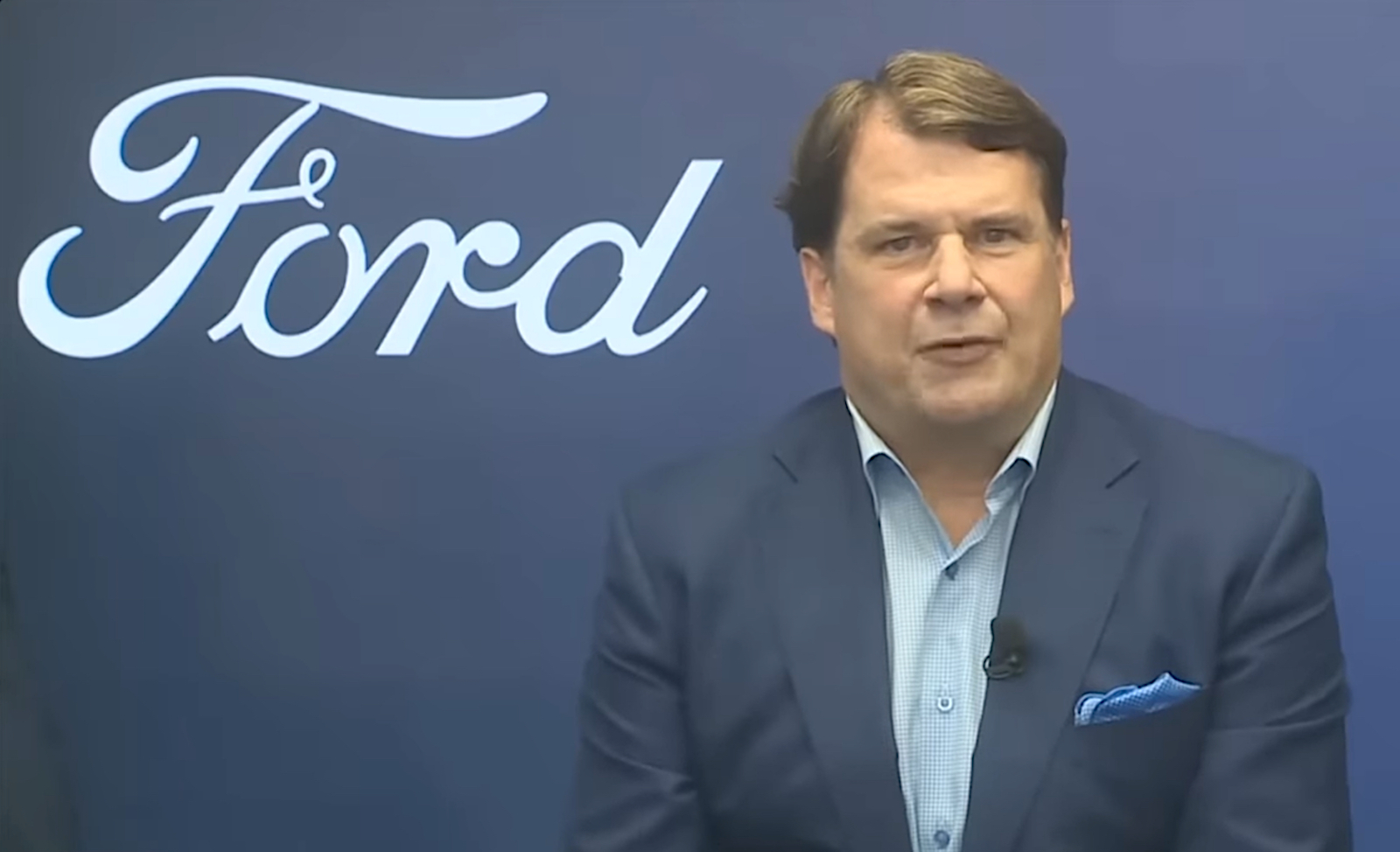
Ford CEO Jim Farley has struggled to get Ford’s quality, reliability and recall problems under control.
Since his ascension to the role of Ford Motor Co. CEO in October 2020, Jim Farley has frequently promised to address the company’s quality issues. However, talking about it and making it happen haven’t been a simple task.
That’s particularly true when it comes to safety-related problems. In 2025, the second-largest Detroit automaker ordered 153 separate recalls covering nearly 13 million vehicles, an all-time industry record with nearly twice the previous high set by General Motors in 2014, according to the National Highway Traffic Safety Administration.
If Ford had hoped to get a better handle on its problems this year it is clearly off to a bad start. This month alone saw the automaker announce eight separate service actions involving about 2.4 million more sedans, SUVs and pickups. All told, about 7.4 million Ford products have now been recalled since the beginning of 2026 through 18 separate service actions.
What’s new
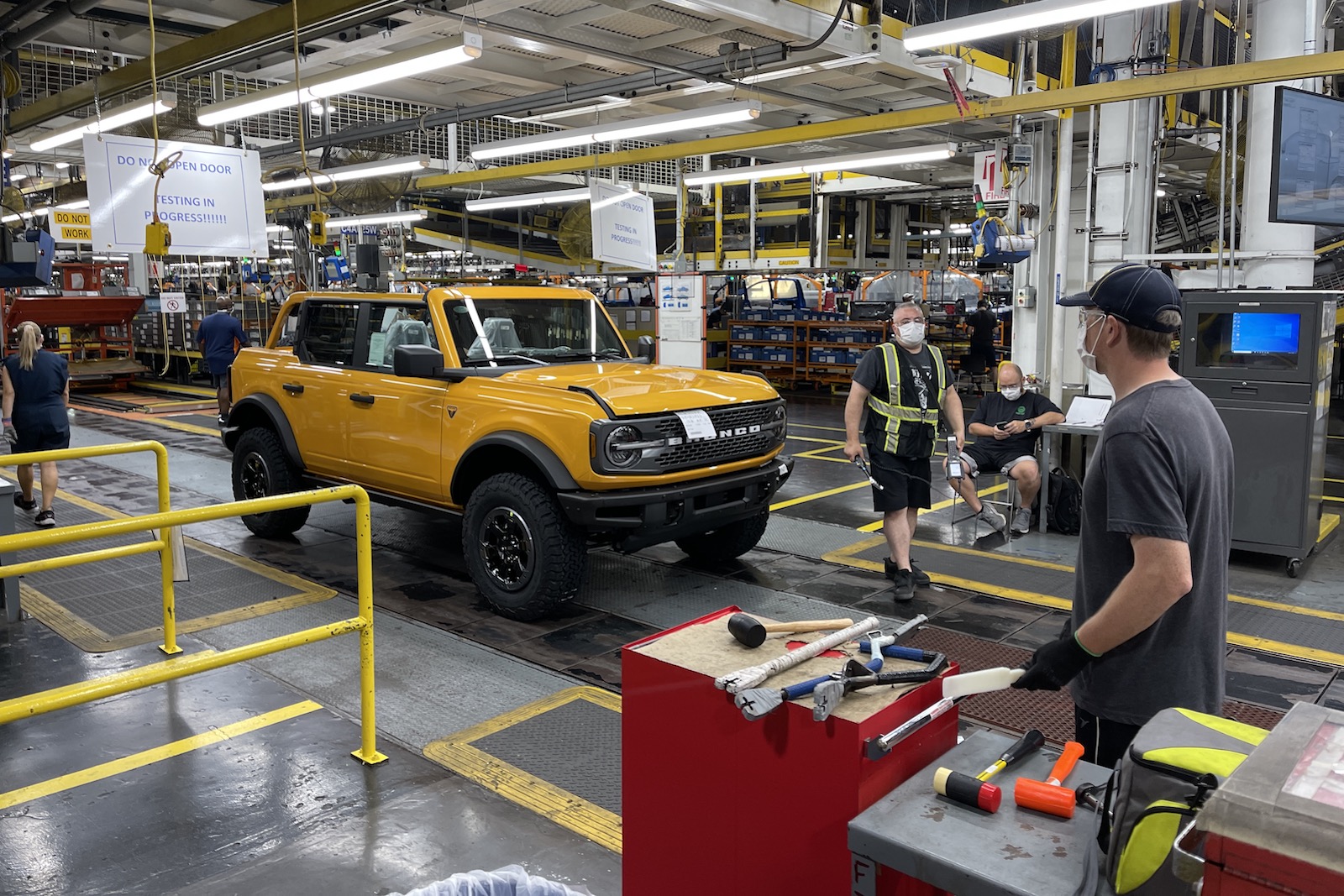
A 2025 Ford Bronco on the assembly line. The SUV was targeted by one of this month’s recalls to address potential loss of engine power.
The latest batch of Ford recalls impacts a diverse mix of vehicles such as the Focus sedan, the Maverick pickup, the Explorer, Bronco and Lincoln Corsair SUVs, and Maverick and Super Duty pickups.
The breadth of issues underscores the variety of issues Ford keeps struggling to deal with. More than 604,000 products could have their windshield wipers fail unexpectedly. More than 1.3 million are equipped with potentially faulty backup cameras. EGR valve problems with nearly 48,000 vehicles could cause their engines to suddenly lose power. The recent batch of recalls also were ordered to address problems with driveshafts, headlights, backup alarms even power driver seats that could move unexpectedly.
Recalls announced in January February address several potential issues that could lead to vehicle fires, faulty brake lights, engine crossmembers improperly secured and windshields not properly sealed.
Recalls generate billions in losses
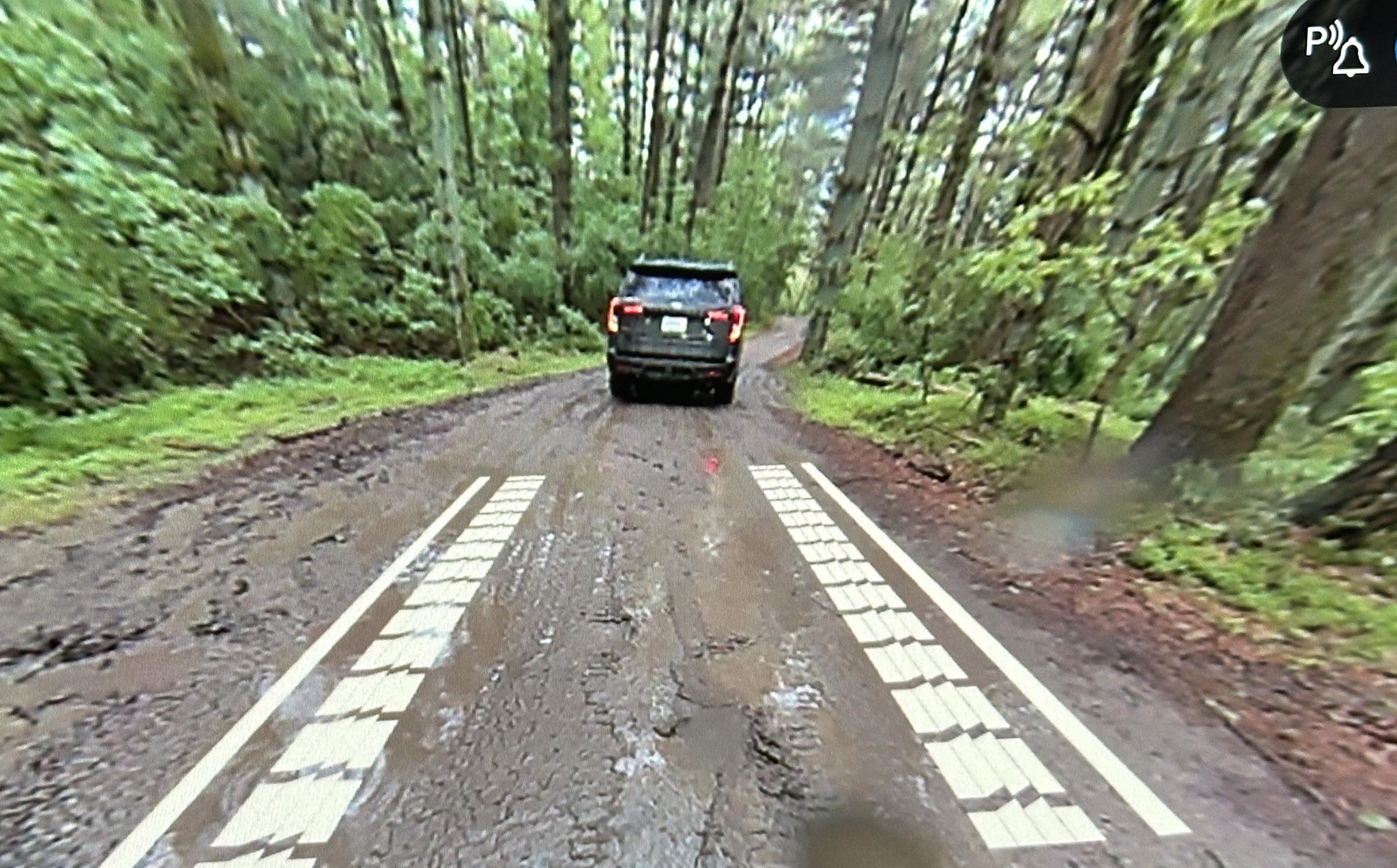
Ford has had an ongoing series of recalls involving its backup cameras.
Even small recalls — like the one announced in February covering 98 e-Transit vans whose batteries could catch fire – can run up millions of dollars in repair costs.
One of last year’s larger recalls involved 700,000 vehicles due to faulty fuel injectors that could lead to fires. The cost of that service action alone pushed well into nine figures, Ford said in a Form 8-K filing with the U.S. Securities and Exchange Commission. “We estimate the aggregate cost of the action, based on the remedy options we are evaluating, to be about $570 million and will be reflected in our second quarter 2025 results.”
Recall costs may have been dwarfed last year by the write-offs Ford took after making a major U-turn in its EV program, but they’ve still been substantial, $2.3 billion during the second quarter of 2025 alone, while generating annual deficits of as much as $5 billion over the past decade.
More Ford News
- Recalls Soared in 2025 – and These Brands Topped the List
- Hyundai Orders Stop Sale of Some Palisade SUVs Following Child Fatality
- Ford Recalls 1 Mil Vehicles for Faulty Backup Cameras
Ford isn’t alone
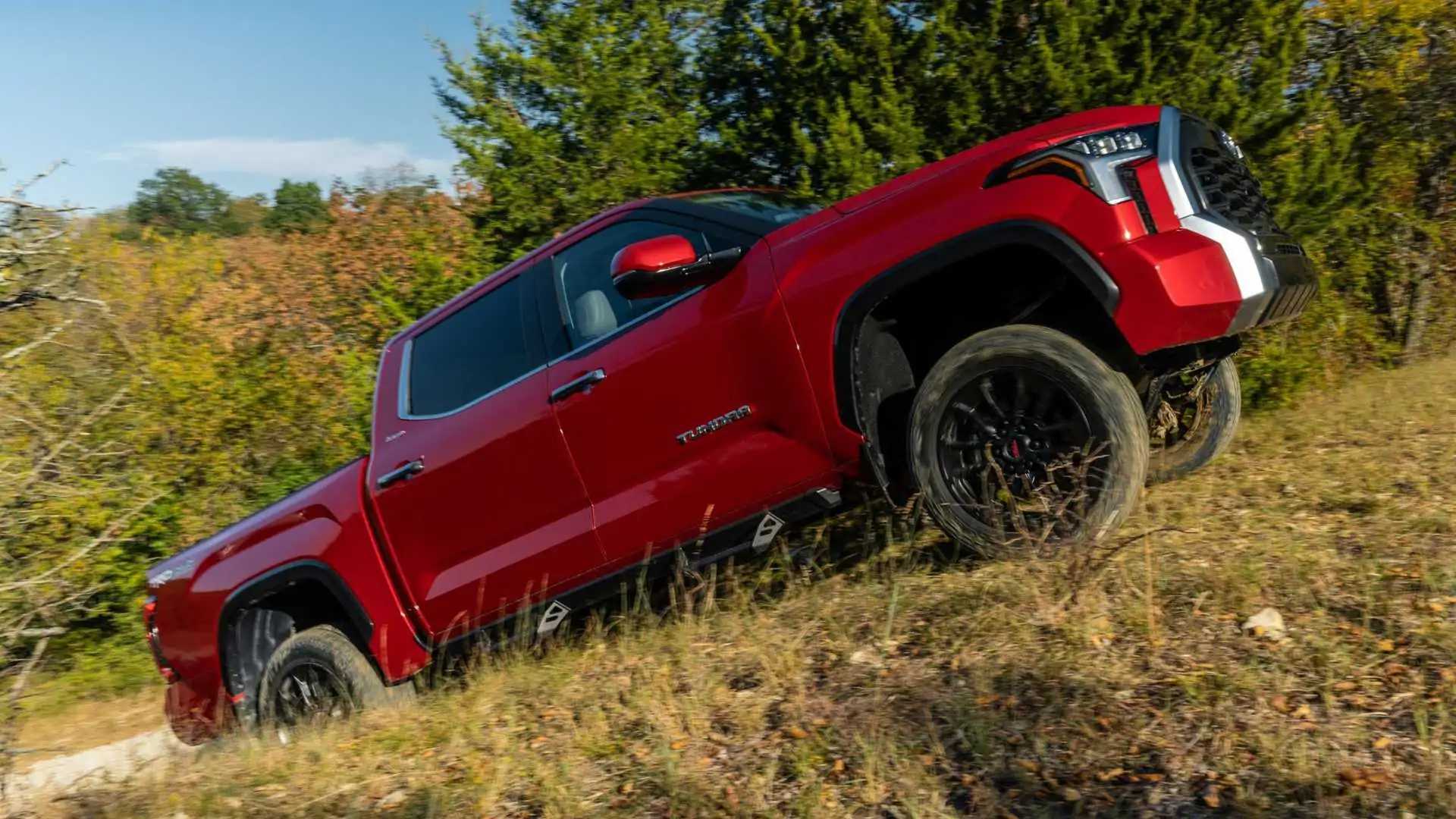
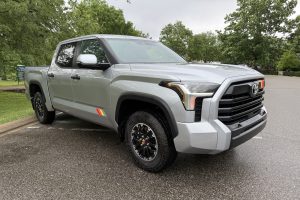
Toyota last November expanded a recall for faulty twin-turbo V-6 engines in products like this 2024 Tundra.
The number of recalls by the auto industry have, in general, gone up sharply over the past decade. The 78 recalls GM announced in 2014 – the previous industry record – reflected pressure manufacturers were under to stop burying potential safety issues. It had long been common, critics argued, for companies to avoid recalls, even faced with known problems, instead quietly telling dealers to make free repairs for customers who complained about those issues.
Ford, in particular, came under harsh pressure to address safety-related problems without delay when NHTSA levied a $165 million fine in November 2024 for delayed service actions.
The complexity of today’s cars has contributed to the increase in recalls. The latest quality and reliability surveys from J.D. Power reveal that issues with electronic systems now far outnumber those involving mechanical issues, whether leaker fuel injectors or faulty engines. That’s reflected by the latest Ford service actions involving backup cameras. Volvo, Nissan, Nissan, Chrysler and Mitsubishi have also had recent recalls for backup camera problems.
Then there’s the fact that automakers have pushed to commonize components, everything from steering wheels to engines, in as many vehicles as possible. That enhances economies of scale. But the savings can go out the window. In May 2025 GM recalled about 600,000 full-size trucks and SUVs equipped with its naturally aspirated 6.2-liter V-8 because of potentially catastrophic engine failures. Last November, Toyota added 127,000 vehicles to an early recall covering potential failures of its twin-turbo V-6. All told, that brought the number impacted to 229,000.
Another record?
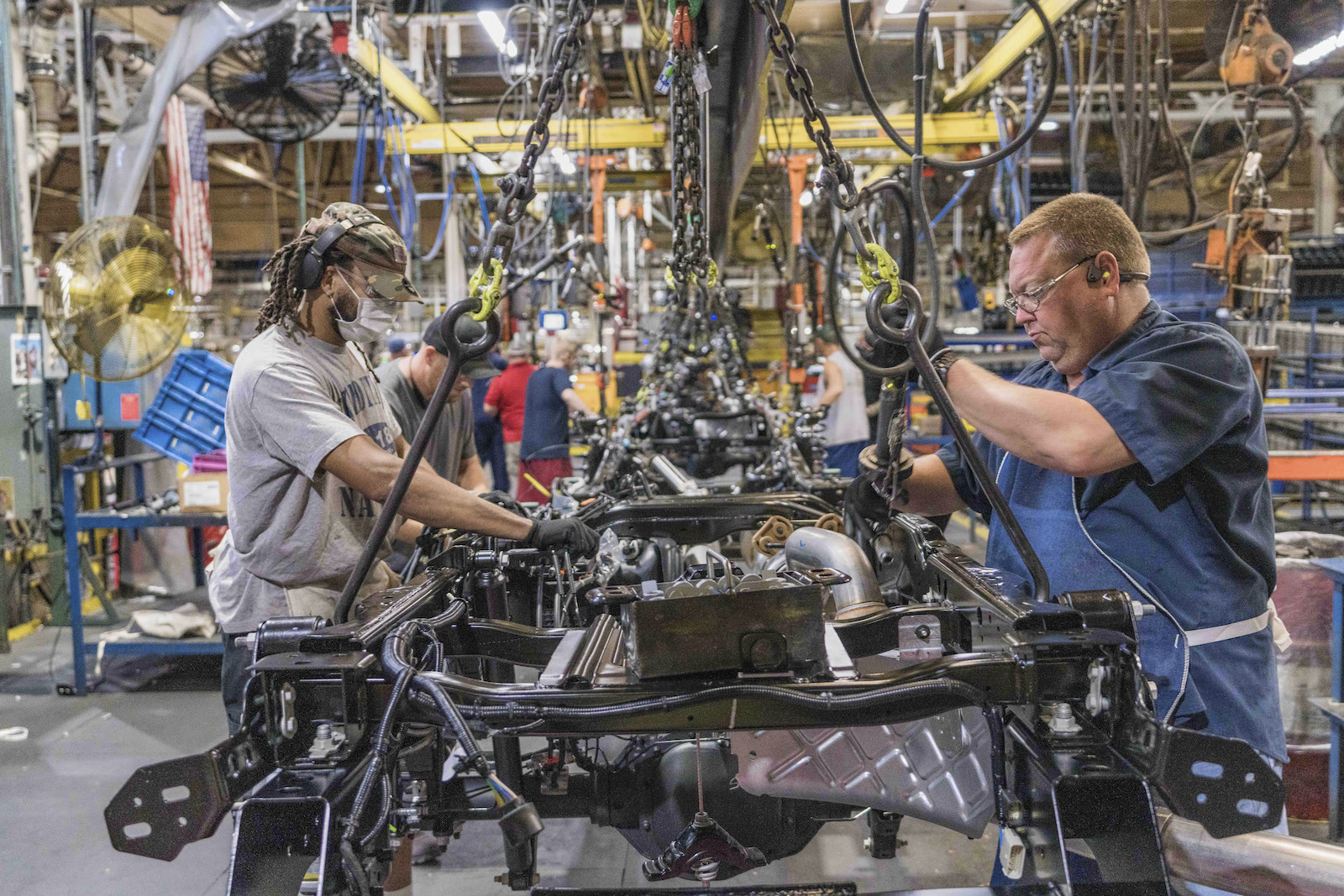
Employees at Kentucky Truck Plant work on the frame of the Ford Super Duty.
But Ford’s recall of 1.45 million vehicles for backup camera failures last November was the year’s largest service action. And several of the latest moves push into similarly high numbers. In terms of individual recalls, Ford is running at a lower pace this year. But on an annualized basis, the number of vehicles affected could match, even exceed the 2025 total if the pace continues.
For his part, Farley has taken a number of steps to address Ford’s quality and reliability issues. In December 2024, for one thing, he ousted Jim Baumbick from his role as corporate quality chief. The company, responding to the $165 million NHTSA fine, issued a statement claiming “Wide-ranging enhancements are already underway with more to come, including advanced data analytics, a new in-house testing facility, among other capabilities.”
A senior company insider, speaking on background, stressed that it could take some time before these and other efforts pay off. Often, safety-related problems can take years before they become obvious enough to require a recall. But Ford clearly has to take a proactive stance. As winner of a record it would prefer not to have the company not only is saddled with high recall costs but the potential damage to its reputation that such quality lapses are causing. That makes it more difficult not only to win over new customers but also to keep those who currently have Ford products.


There are Engineers and there are Engineers.