
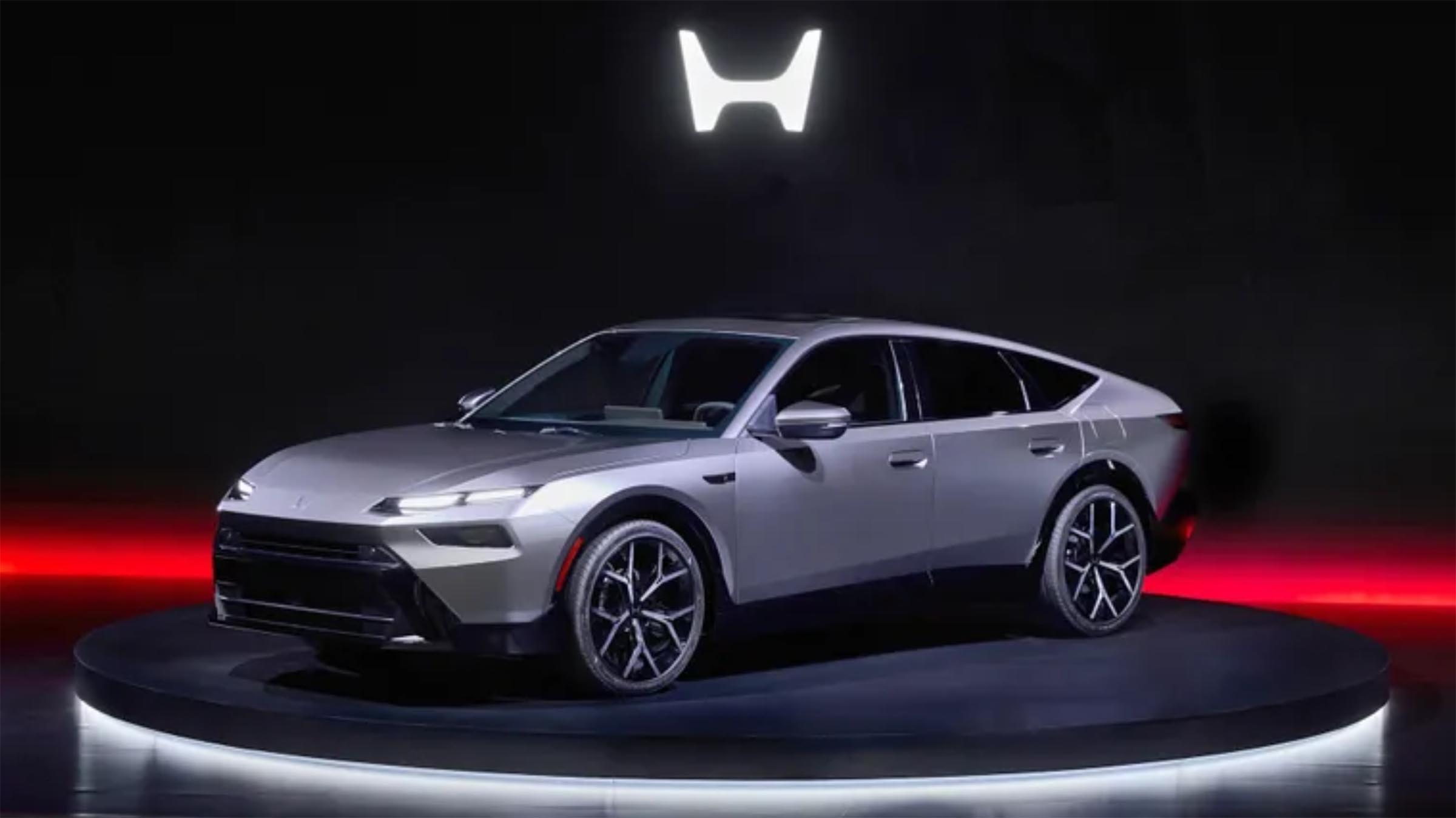
Honda reported its first loss in seven decades, largely due to major cuts in its EV program. But the automaker plans a major ramp-up of its hybrid line-up, its CEO revealed. Mazda is following a similar strategy, albeit on a smaller scale, as Headlight.News reports.
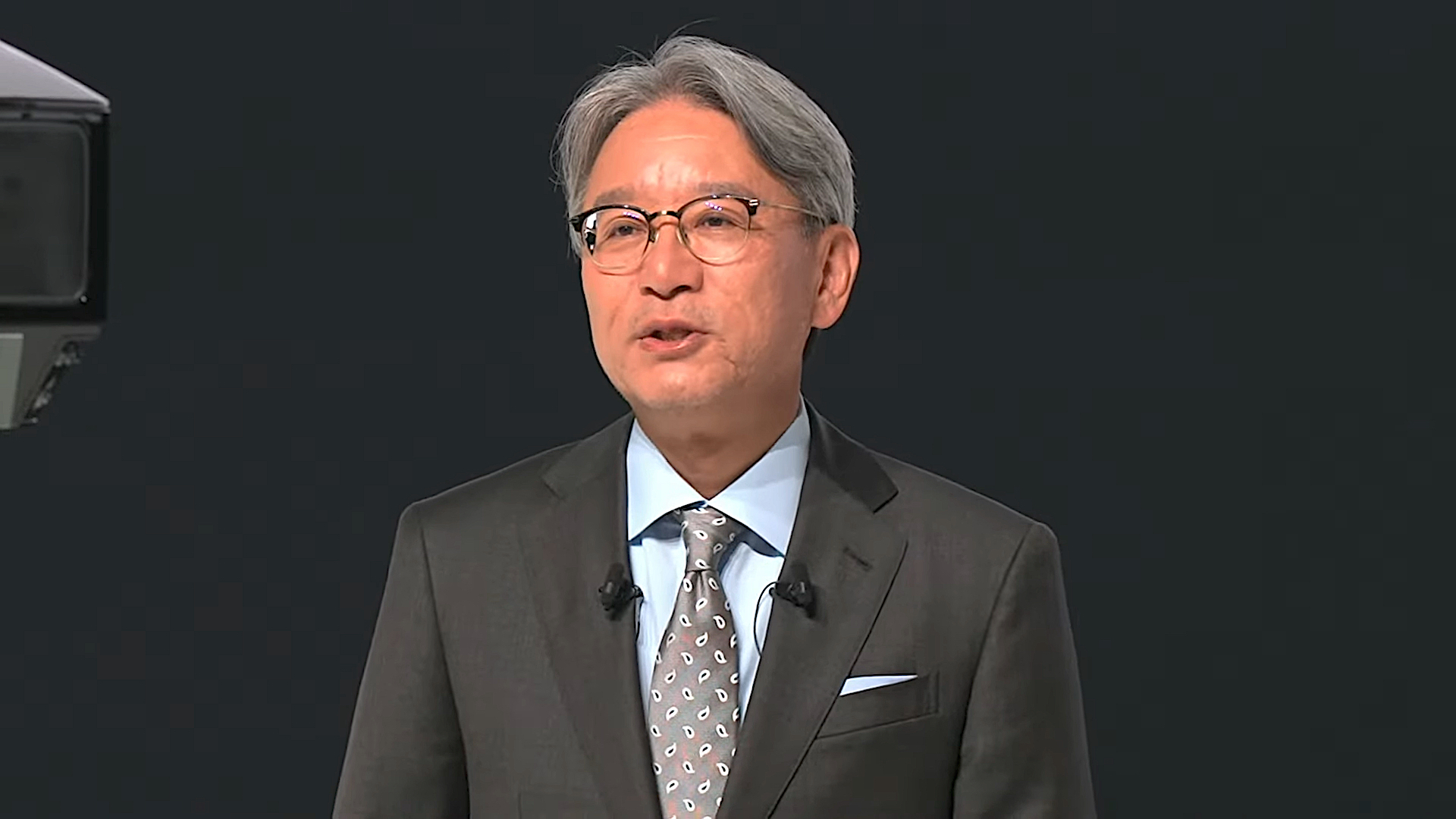
Honda CEO Toshihiro Mibe.
Honda had big plans to go electric, developing a new lineup of EVs and setting up a major new “hub” in Ohio to build them. It’s now scrapped much of that project, resulting in the company’s first annual loss since going public in 1957.
Mazda, meanwhile, has also shaken up its own EV program, though the company was able to finish its fiscal year in the black.
But the two automakers aren’t walking away from electrification entirely. They’re now announced plans to sharply ramp up production of hybrids – following other major manufacturers including Toyota, Hyundai and Kia.
What’s new
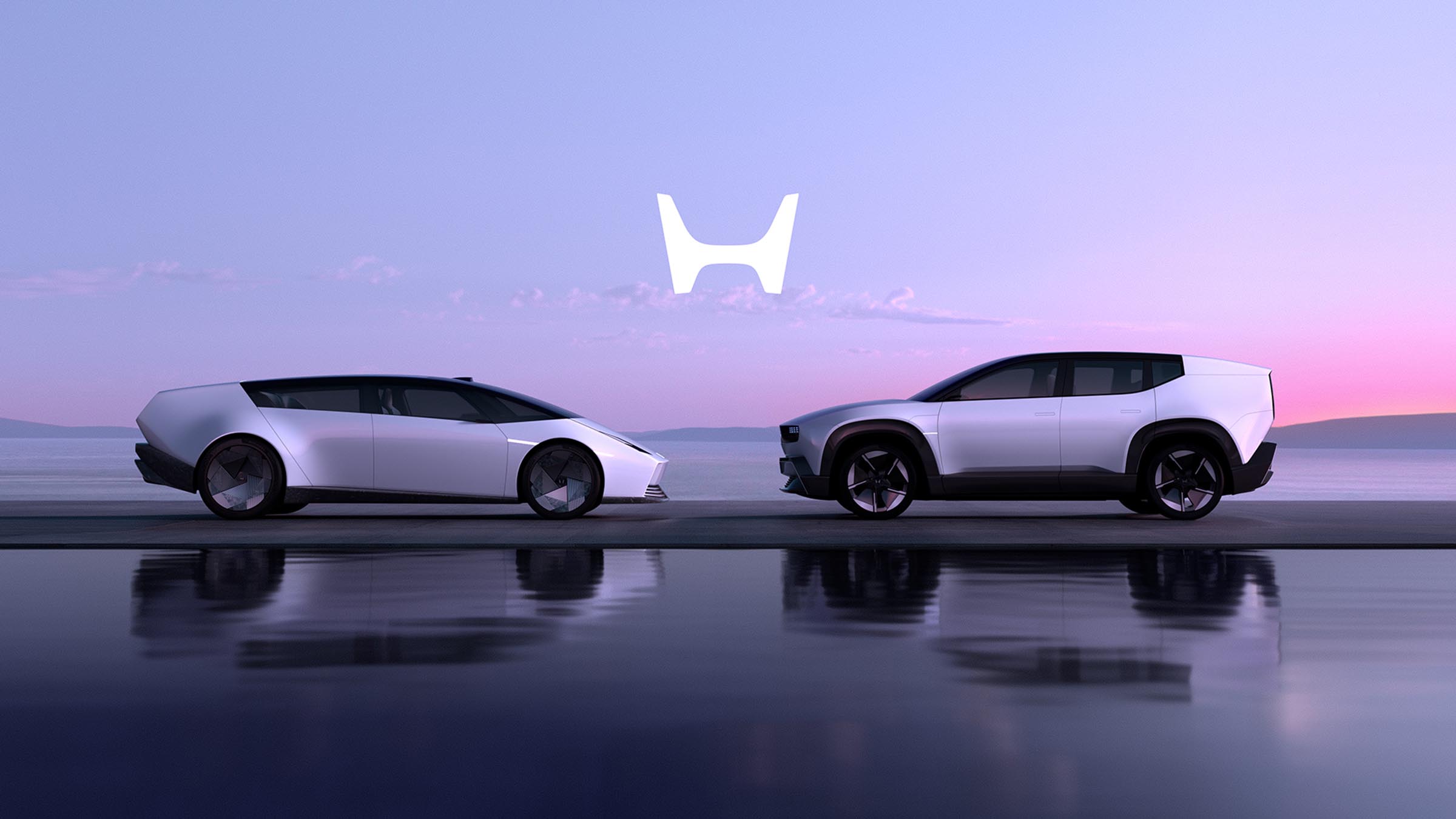
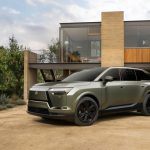
Honda scrapped U.S. plans for its 0 Series.
Like every automaker, Honda has had its ups and downs since going public in 1957 but never reported a full-year deficit – until now, the company going $2.6 billion into the red for the fiscal year ending March 31, CEO Toshihiro Mibe announced. A year ago, the company had an operating profit of $7.6 billion.
Blame its overly ambitious EV program which was intended to bring a variety of new products to market based on the new 0 Series technology, including models for both the Honda and Acura brand. Honda has now pulled those from the U.S. market while also canceling plans to consolidate an assortment of mid-Ohio plants into a high-tech “EV hub.”
For its part, Mazda managed to stay in the black for the recently ended fiscal year, though its operating profit of $323.2 million was down 72% from the prior year. Still, the automaker is delaying its next EV launch from 2027 to 2029.
“Stop the bleeding”
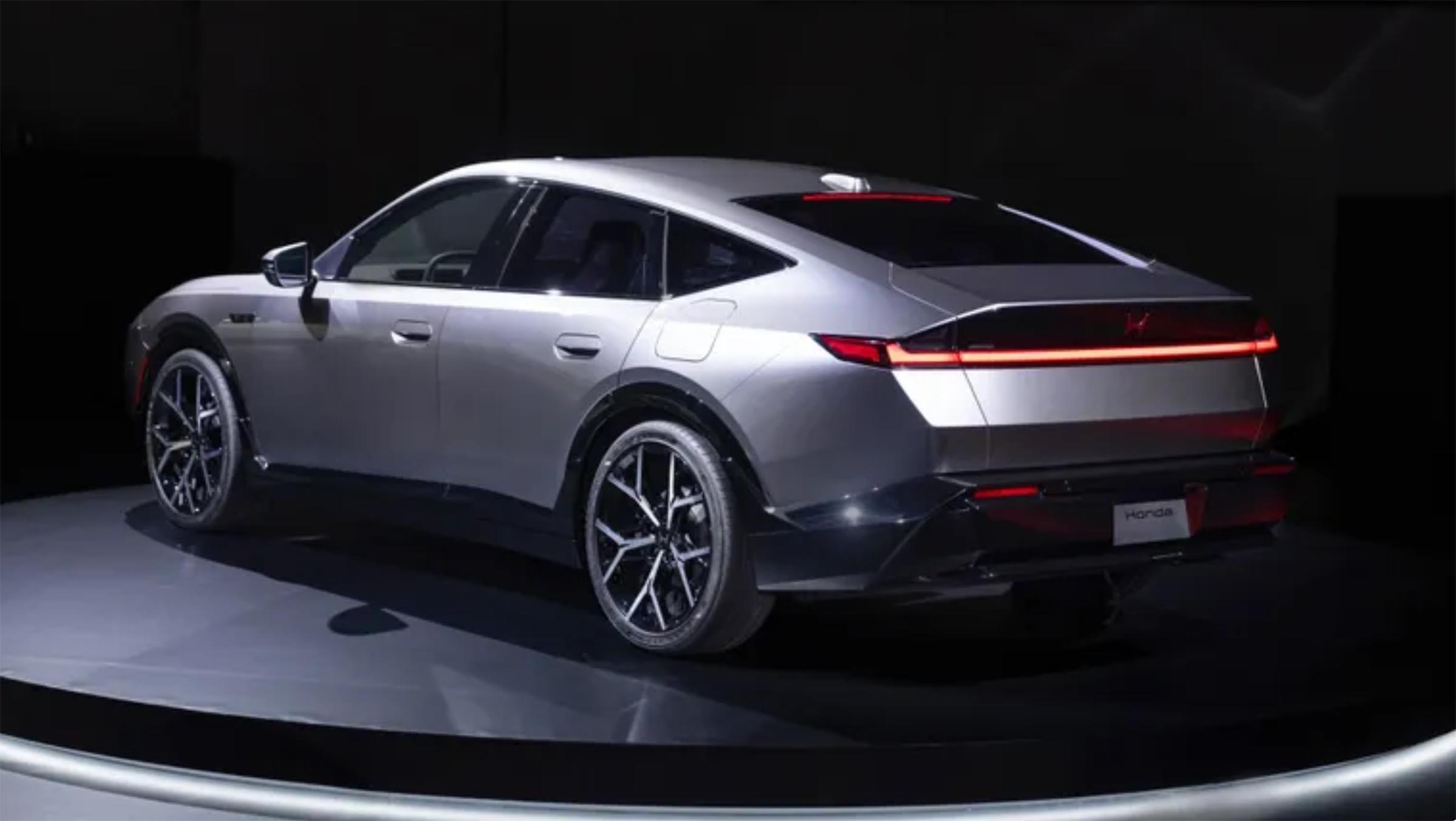
Honda showed off a hybrid concept that could preview a next-gen Accord.
As a result of the global slowdown in EV demand – and particularly due to the sharp slump in the U.S. market – both manufacturers are shifting direction. While they won’t abandon EVs entirely, they’re trimming back on their prior commitments.
Mazda, for example, expected to have EVs account for as much as 40% of its worldwide sales by 2030. It’s now cutting that target to roughly 15%, or somewhere between 200,000 to 250,000 all-electric vehicles. Between now and the end of the decade, meanwhile, it will cut its investment in electrification 40%, from $12.5 billion to $7.5 billion.
Honda is likewise pairing back on EVs after running up write-offs and impairments of $9.9 billion on the technology during the last fiscal year. “We have to stop the bleeding as soon as possible and pave the way for future growth. That is the biggest responsibility I have,” said Mibe. “We are facing a very harsh business environment.”
More EV News
- America is Falling in Love With Hybrids
- Hyundai Metaplant Focusing on EVs and Hybrids
- Might Trump Open the Door to Chinese EVs?
Shifting plans mean more hybrids
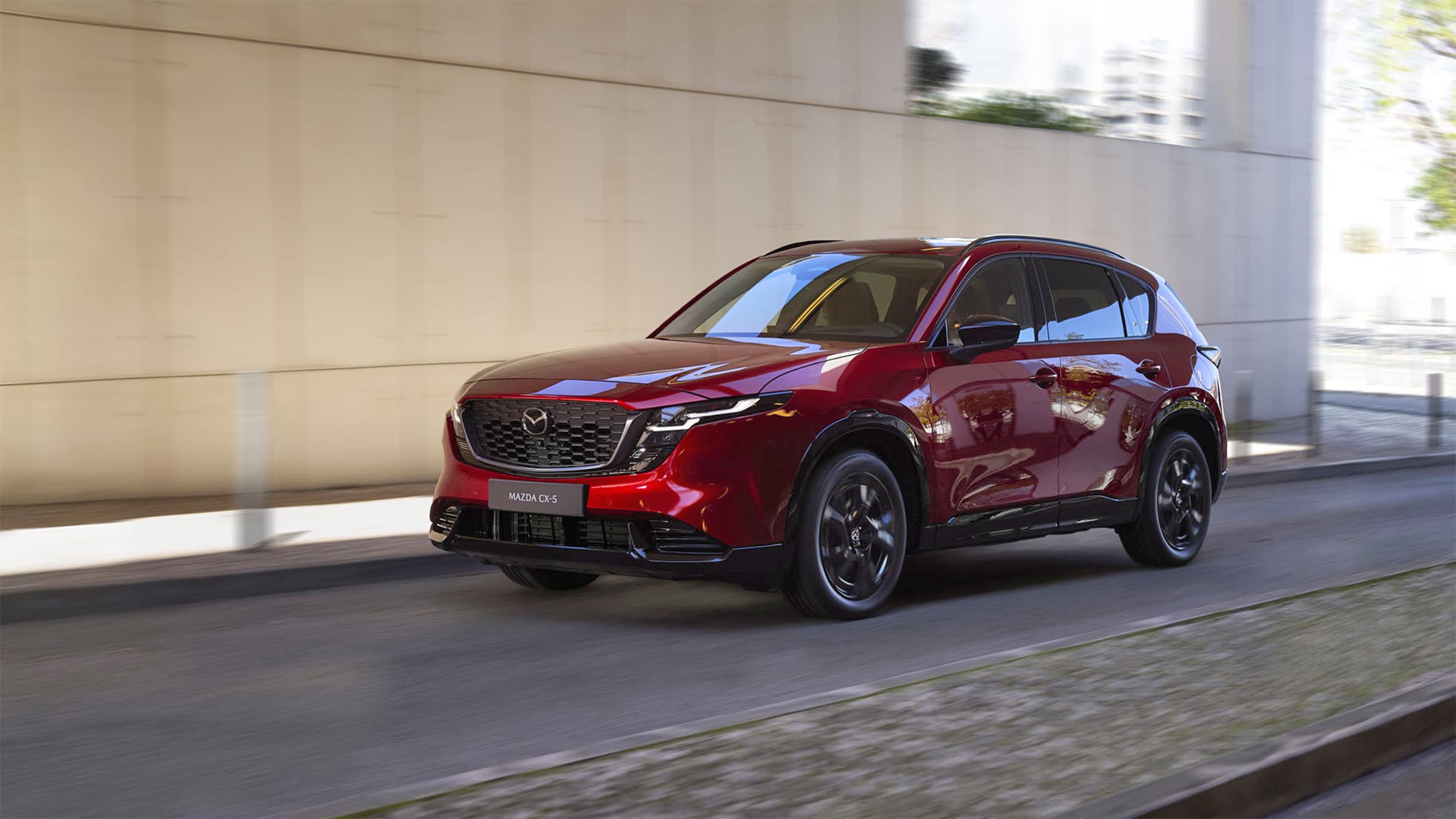
The 2026 Mazda CX-5 is Mazda’s first model set to offer a homebrew hybrid option.
While cutting back on EVs, the two manufacturers plan to sharply ramp up on hybrids.
Honda, in particular, was an early pioneer of hybrid technology and now plans to catch up to its arch-rival Toyota, introducing 15 new hybrids by the end of the decade, according to CEO Toshihiro Mibe. It showed off several prototypes during an earnings event in Tokyo last week. It appears some of the new hybrids will be versions of existing product lines but reports from Japan suggest we’ll be seeing some entirely new products, as well.
Notably, Honda took a page out of the Toyota playbook with the recent launch of the reborn Prelude, offered only in hybrid form. It’s arch-rival has several models, including the Camry, Prius, Sienna minivan, Land Cruiser, Crown Signia and Crown sedan are offered only with hybrid powertrains.
As for Mazda, “We are shifting resources back from electric vehicle-related work to internal combustion engines and hybrid vehicles,” said CEO Masahiro Moro last week.
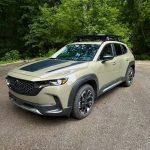
The company is getting ready to roll out a new hybrid system for the CX-5, the first developed in-house. (The HEV driveline for the CX-70 and CX-90 is borrowed from Toyota.) It plans to add as many as three more hybrid models by decade’s end.
I wonder if EVs will fade into the sunset or they will remain a niche powertrain. I bet on ‘fade.’
Nope…sales actually showing momentum again. Demand growth may have slowed in other key markets but still well into double-digits in Europe and China. And there’s room to grow as price gap narrows, better tech and next-gen batteries come out. Meanwhile, loyalty is among the highest in the market.
Anti-EV sentiment is largely politically motivated. As an EV owner (who started as a skeptic), I’m not going back.
Paul E.