
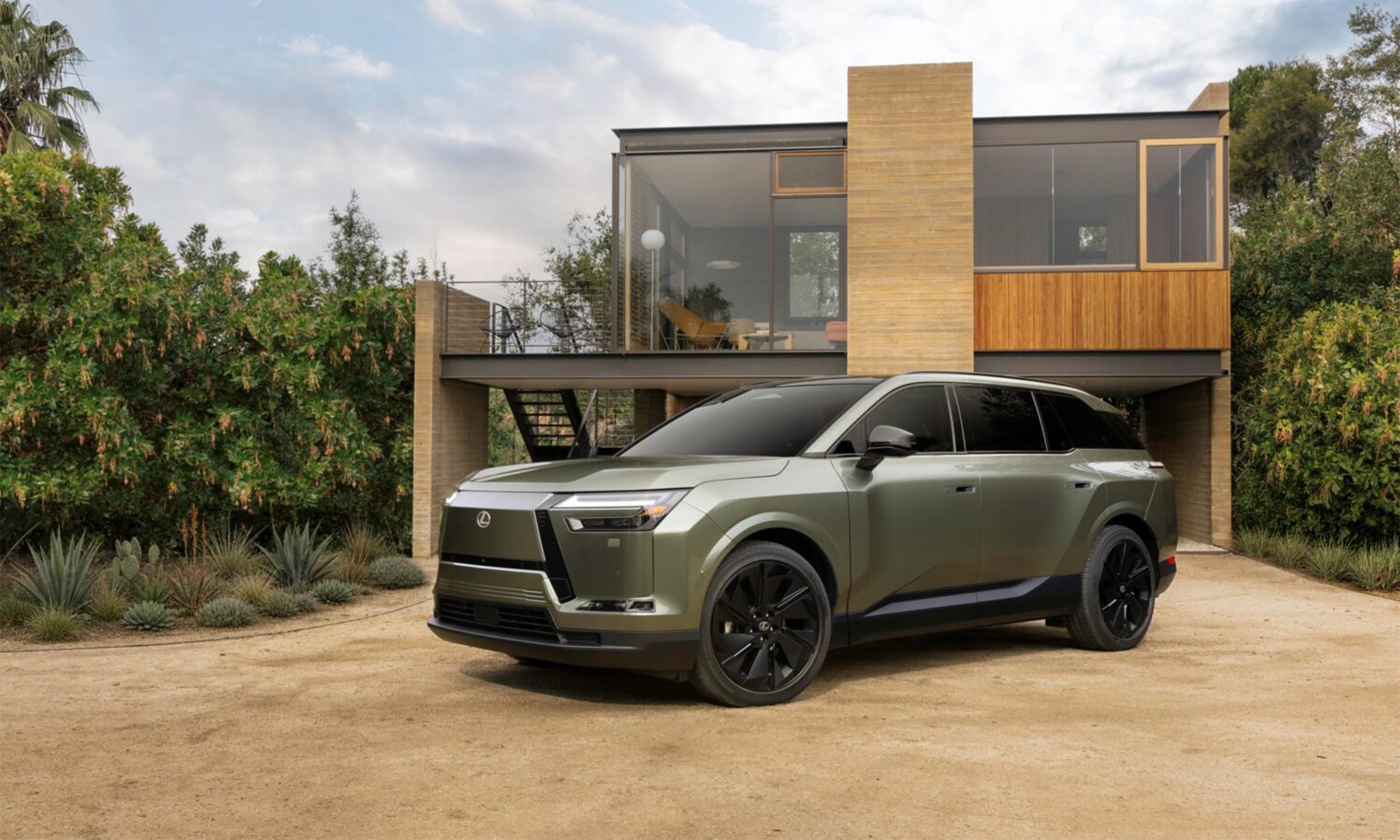
While most automakers are cutting back on their EV plans, Toyota Motor Co. is ramping up. And it’s taken the covers off the latest addition, the Lexus TZ set to become the luxury brand’s third all-electric model. Headlight.News has more.
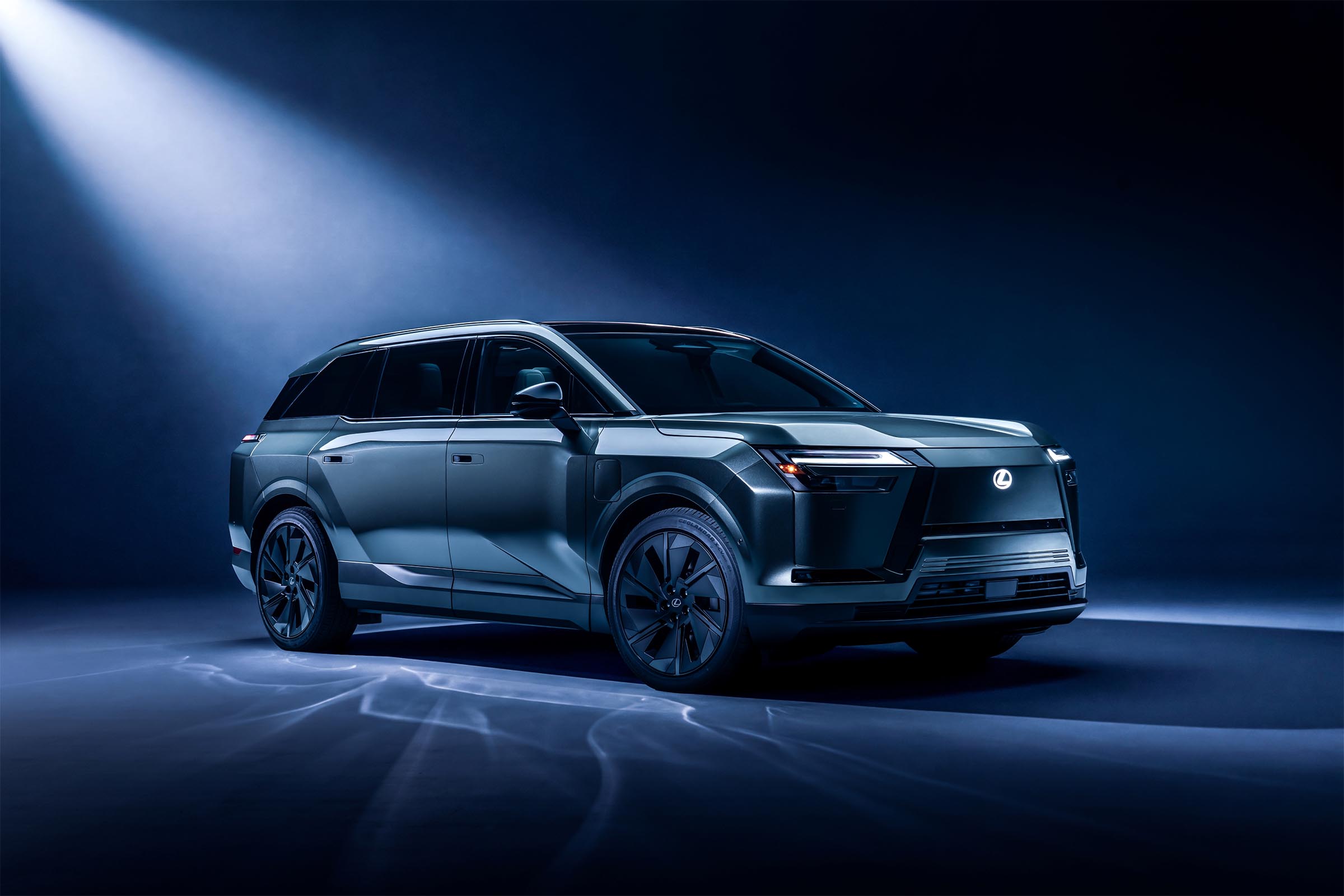
The Lexus TZ will be the brand’s third EV and first 3-row model.
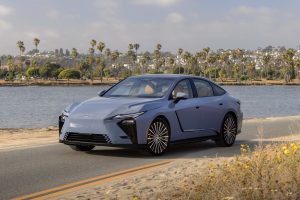
Lexus plans to add a new EV crossover to its line-up late this year, the TZ set to become the luxury brand’s third all-electric model.
The move comes in sharp contrast to what’s happening across the U.S. market where most manufacturers are either cutting or delaying their own EV expansion plans.
The 2027 Lexus TZ is the brand’s first three-row model and, the automaker said, will deliver over 300 miles range, even while offering enough power to launch from 0-60 mph in about 5 seconds. All trims will feature all-wheel-drive.
What’s new
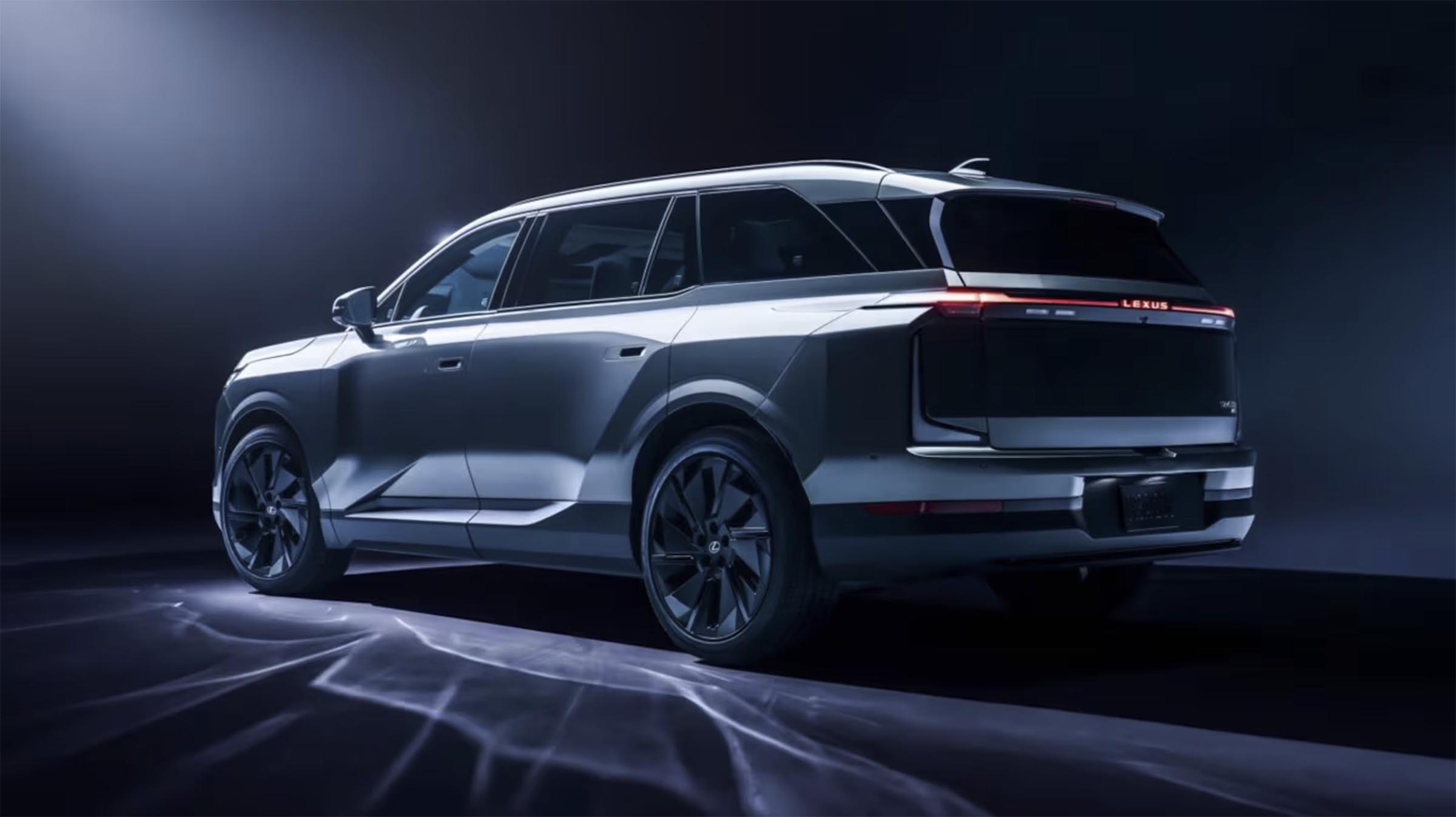
The 2027 Lexus TZ will offer Direct4 four-wheel steering.
The 2027 Lexus TZ joins the RZ, the brand’s first long-range EV, as well as the new ES which is just getting ready to roll into U.S. showrooms. (Headlight.News will have a review of the ES later this month.) The TZ shares much of its underpinnings with the also-new Toyota Highlander EV expected to reach the U.S. later this year, but it will offer more luxurious features.
Lexus will import its newest EV from Japan, meaning it will be subject to a 15% tariff on Japanese auto imports. Final pricing hasn’t been announced but the TZ is widely expected to come in starting somewhere between $60,000 and $70,000.
It’s positioned to go up against a small group of three-row EVs that includes the Rivian R1S, Lucid Gravity and Volvo EX90. Cadillac and Mercedes-Benz also compete in the segment, while BMW is expected to follow up in 2027. For its part, Tesla has dropped the three-row Model X.
Design
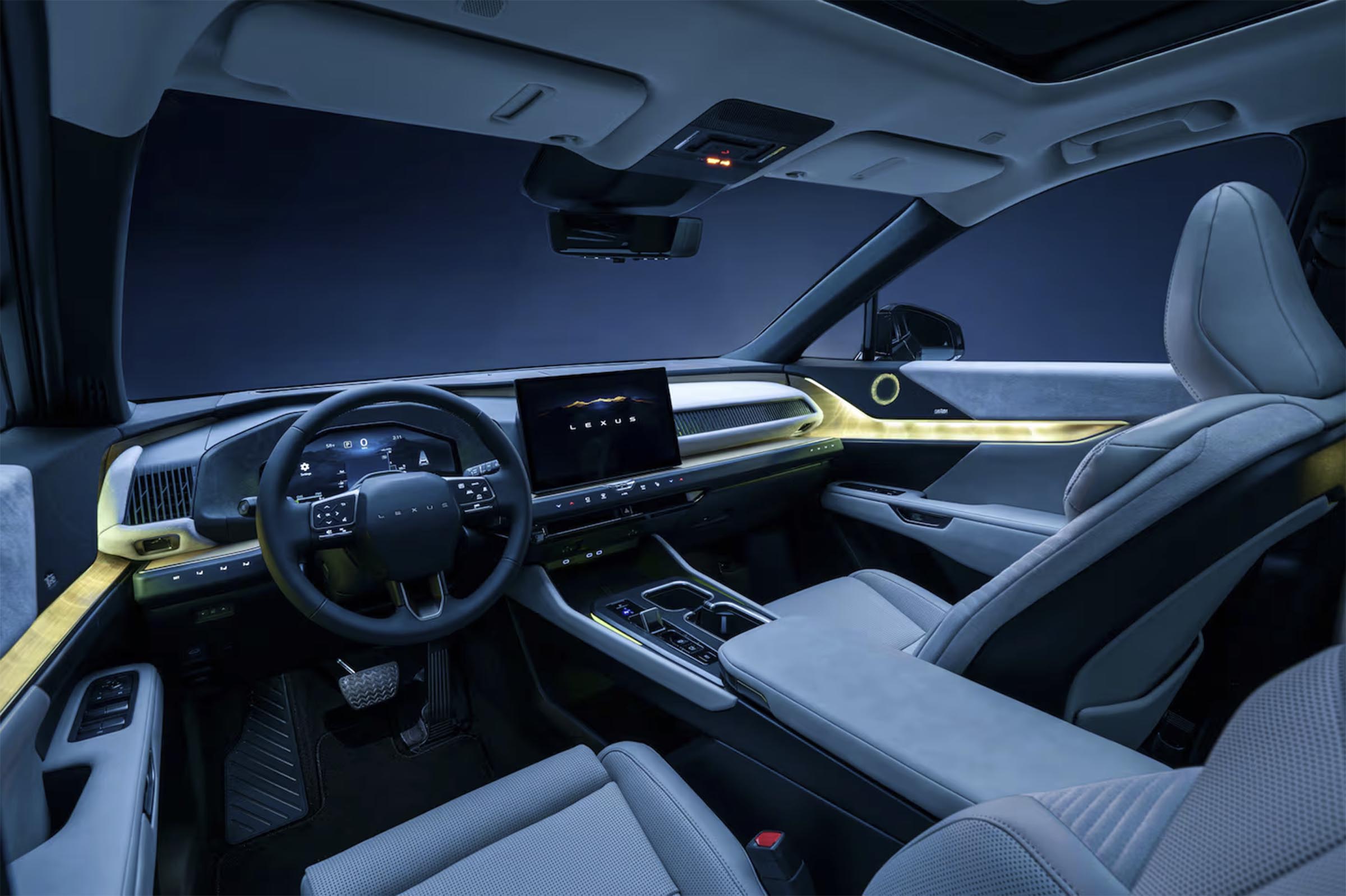
A “driving lounge” interior.
The Lexus TZ boasts an upright nose without a traditional grille – though there’s a modest air intake under the front bumper to help cool the crossover’s electric powertrain system. It features a sweptback windshield and flush door handles, among other details, to reduce aerodynamic drag, helping improve both range and performance.
Lexus didn’t offer many details about the underlying componentry beyond noting it features “a newly developed platform having a low center of gravity and long wheelbase.”
The cabin is referred to as a “Driving Lounge” by the automaker, “where occupants feel at ease both driving and parked. The vehicle offers exceptional smoothness, advanced posture control, selectable drive modes, and a comfortable driving experience for passengers in all three rows.”
A “sensory concierge” will allow occupants to adjust interior lighting and, among other things, activate a system dispersing any of five fragrances into the cabin, including one mimicking the scent of a bamboo forest.
More Auto News
- BMW Pulls the Plug on the iX but Moves Forward with Newer EVs
- We Get an Inside Look at Ford’s Universal EV Project
- First Look: All-Electric Toyota Highlander
Handling and Performance
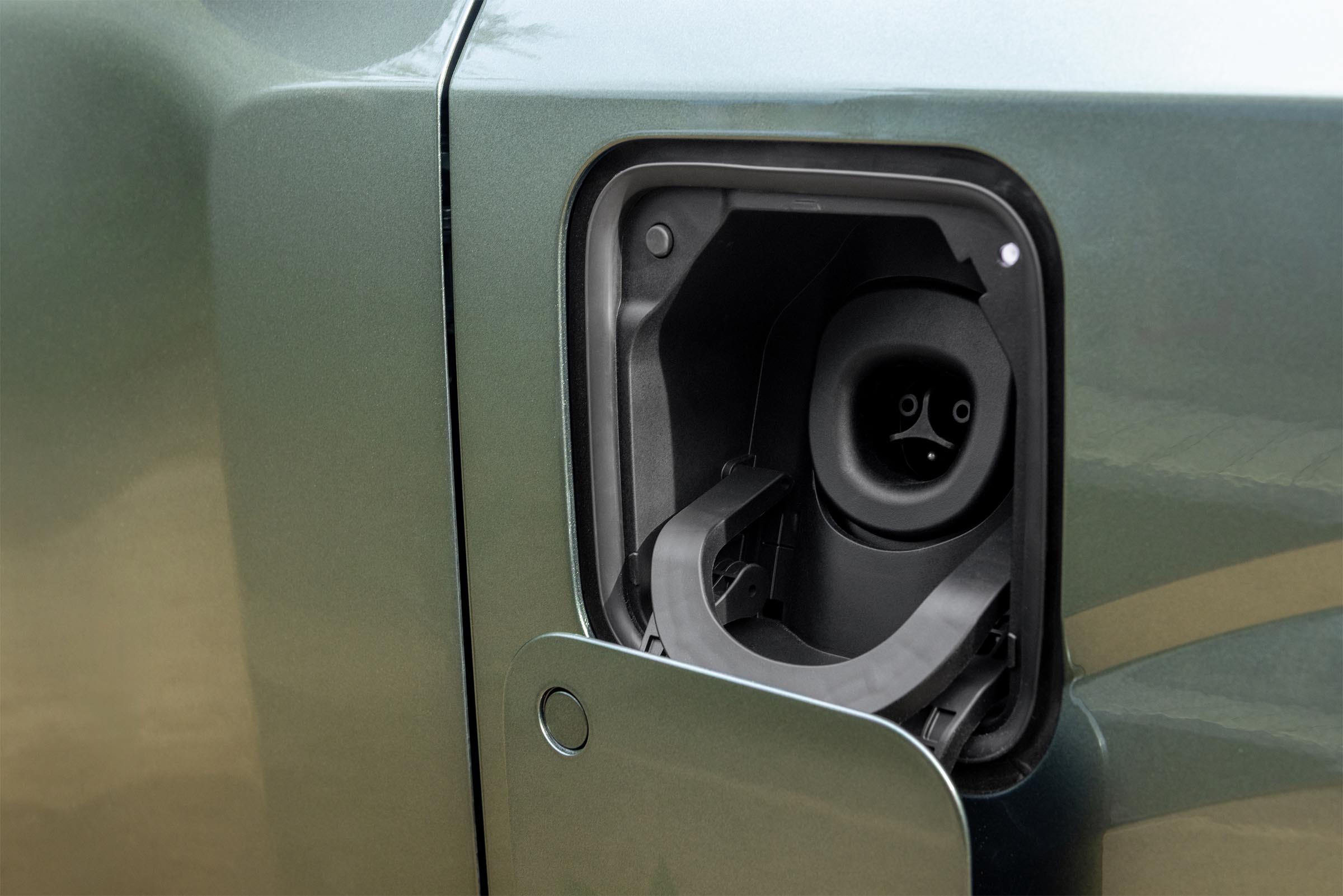
The 2027 Lexus TZ adopts a Tesla-style NACS charger port.
TZ uses a variety of approaches, including laser screw welding and high-rigidity adhesives, the automaker added, to reinforce the body structure for a firmer, more planted ride. There’s a MacPherson strut suspension up front and a multi-link layout in the rear.
The new crossover also features Dynamic Rear Steering, the back wheels able to turn up to four degrees. They turn counter to the front tires at slow speeds to enhance parking and urban maneuverability, and in sync with the front at higher speeds for better handling.
Twin electric motors, one per axle, will deliver up to 167 kw – with combined output peaking at around 400 horsepower. During a preview in Tokyo, Lexus officials said that will allow TZ to launch from 0 to 100 kmh, or 0-62 mph, in just over 4 seconds. At various times, the Direct4 AWD system can send up to 80% of the vehicle’s torque to the front axle, or as much as 100% to the rear.
Towing capacity is rated at 3,500 pounds.
Range and charging
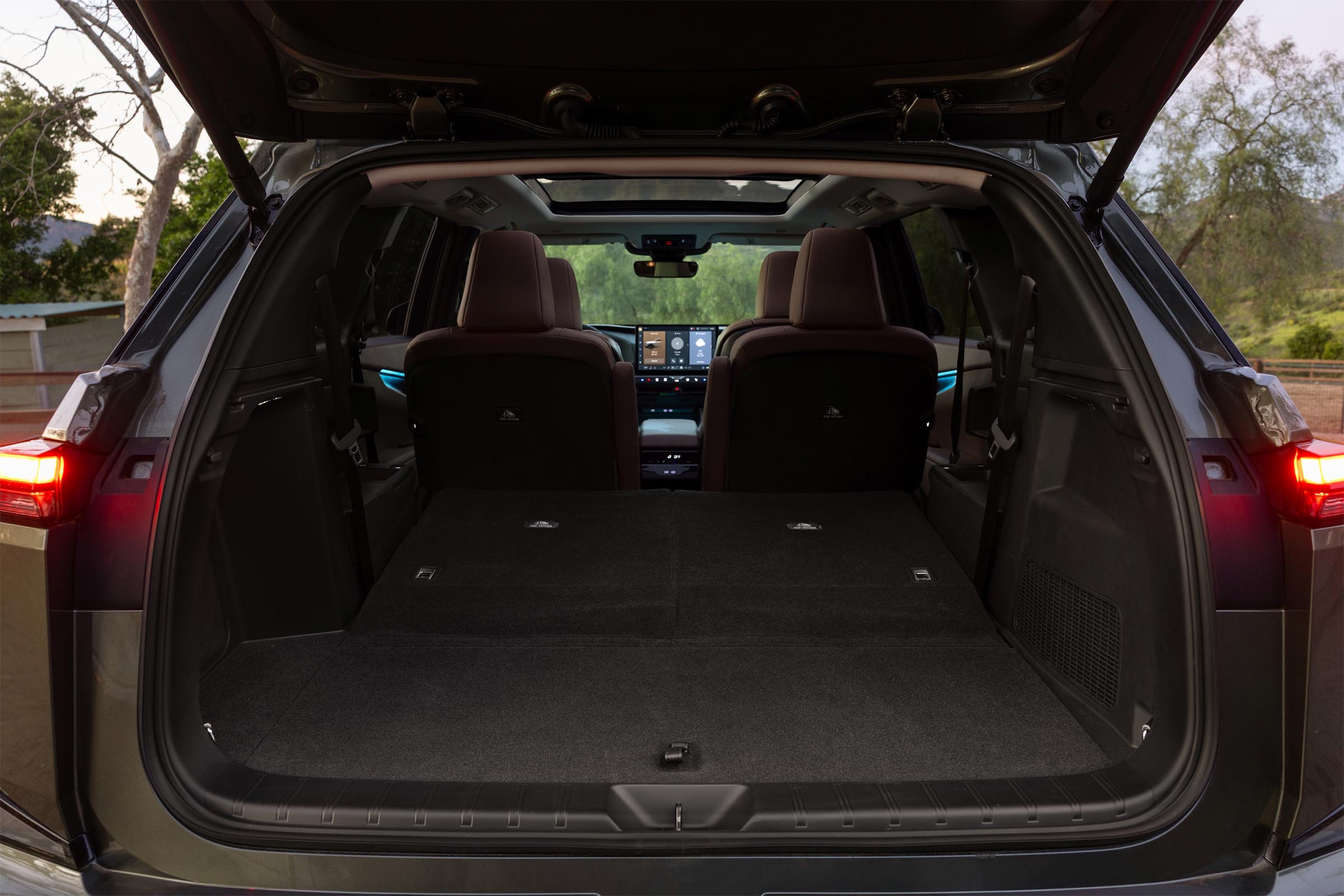 A 96 kWh lithium-ion battery will provide 530 km range using the global WLTP standard – and about 300 miles using the stricter U.S. EPA test cycle.
Like the other new models launched by Toyota and Lexus this year, the 2027 TZ will migrate to the NACS charger port introduced by Tesla. That will give the new Japanese EV the ability to plug into its rivals expansive Supercharger network.
Using a public DC quick charger of at least 150 kilowatts, Lexus said, the TZ will be able to go from a 10 to 80% state-of-charge in 35 minutes. The crossover features a battery preconditioning system that can automatically adjust the temperature of its pack to improve charging speeds on cold days.
TZ also will be offered with an adapter allowing owners to draw energy from the pack – what’s known as Vehicle-to-Load, or V2L – which can be used to power up appliances or other electrical and electronic devices at a home, work or campsite.
Bucking the trend
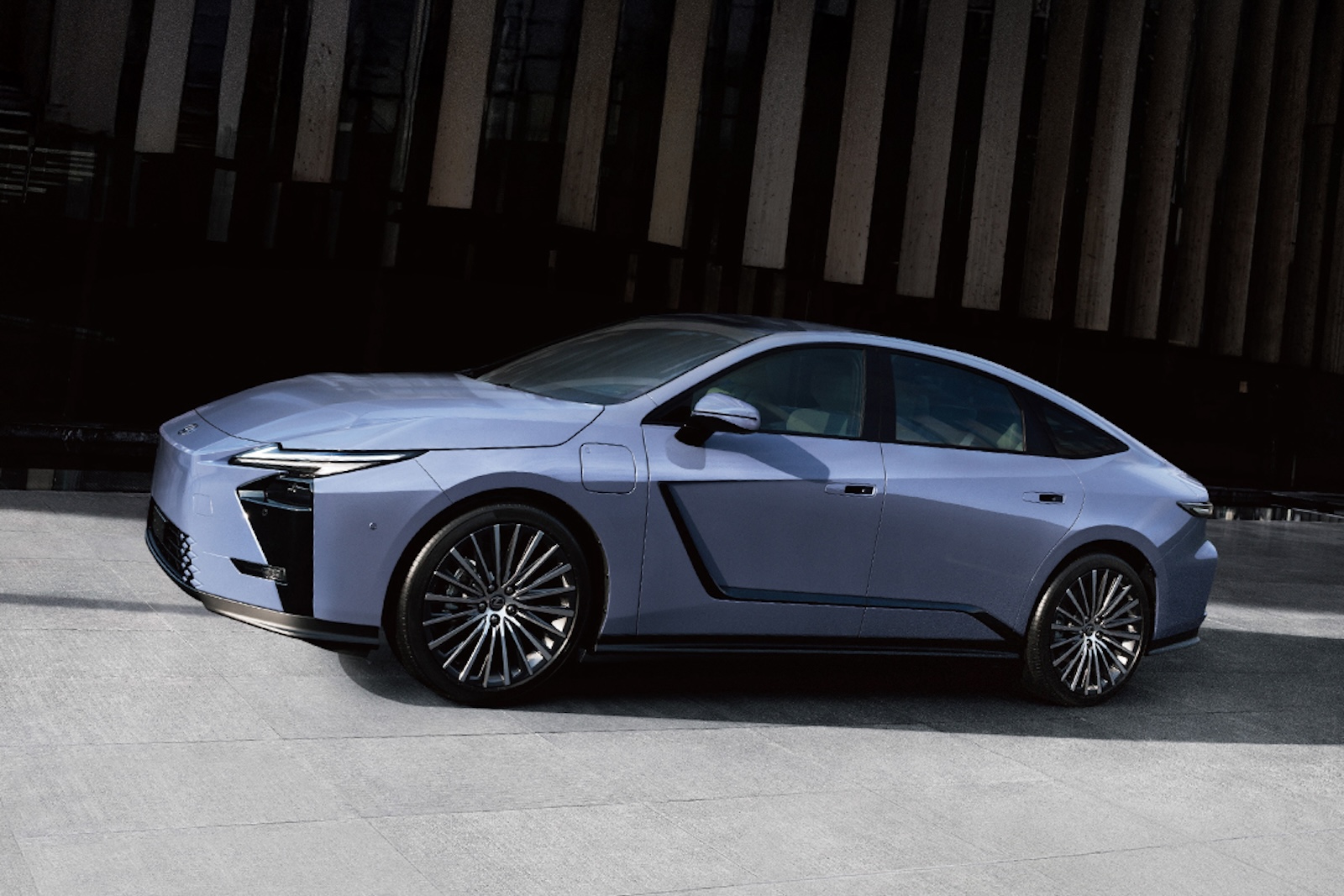
The new TZ will follow the all-electric version of the Lexus ES into U.S. showrooms.
Lexus expects to begin delivering the 2027 TZ late this year or early next. It comes at a time when a number of manufacturers, such as Ford and Volkswagen, are trimming back their EV plans – especially for the U.S. market.
Along with its mainstream sibling, Toyota, Lexus recorded record EV sales last year and hopes to build momentum by adding more options to its line-up.
David Christ, head of the Toyota division in the U.S., told Headlight.News earlier this year that the Japanese giant is convinced there’s a market for EVs and that the company can build on interest its buyers have already shown in its expansive line-up of conventional and plug-in hybrids. But it’s critical to give those buyers a wide range of EV options, rather than trying to focus on a one-size-fits-all strategy.





0 Comments