
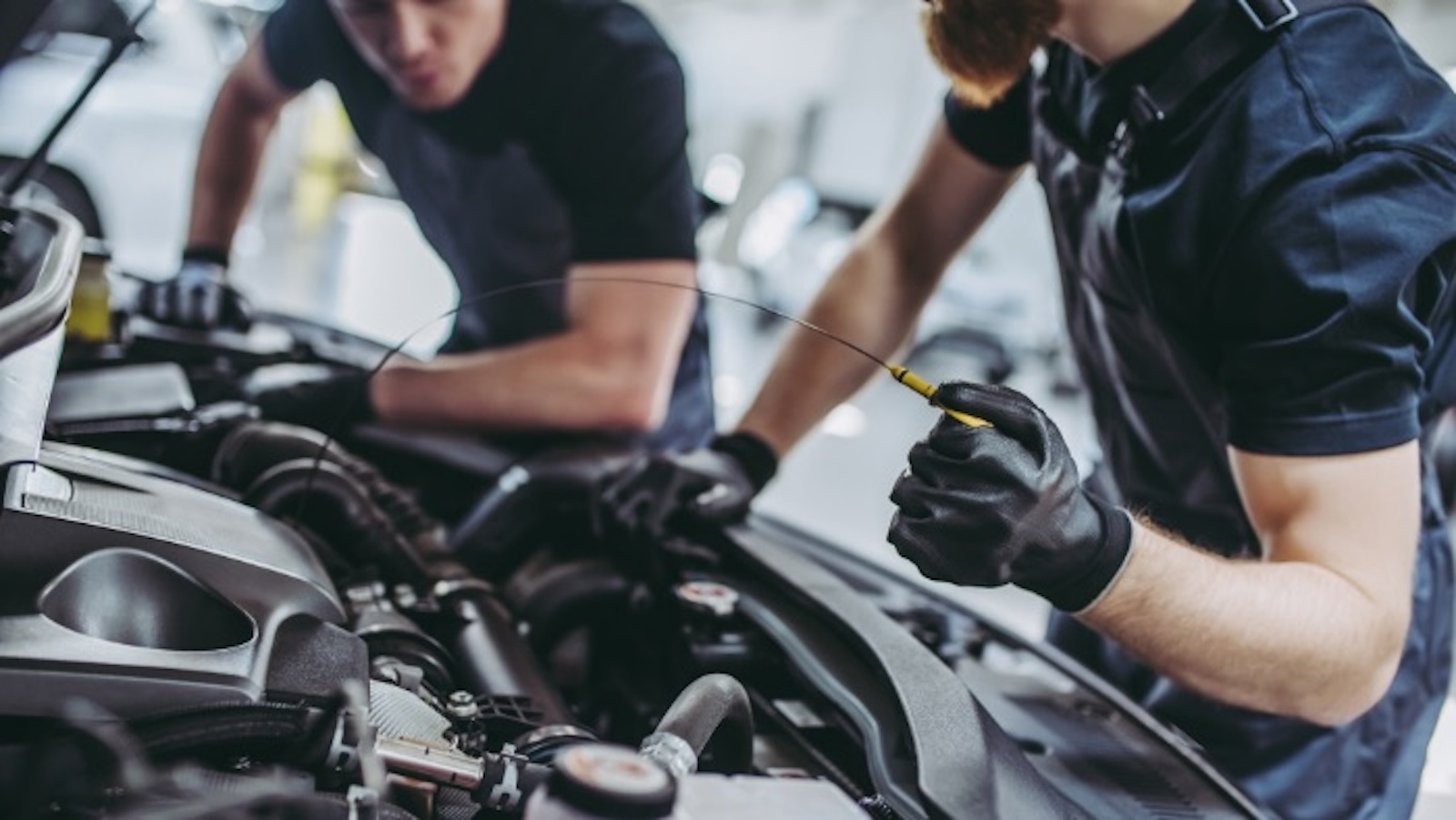
The ongoing war with Iran poses plenty of automotive-related problems, including higher gas prices, but there is a looming crisis when it comes to lubricants, which will only add to the draw on the bank accounts of Americans.
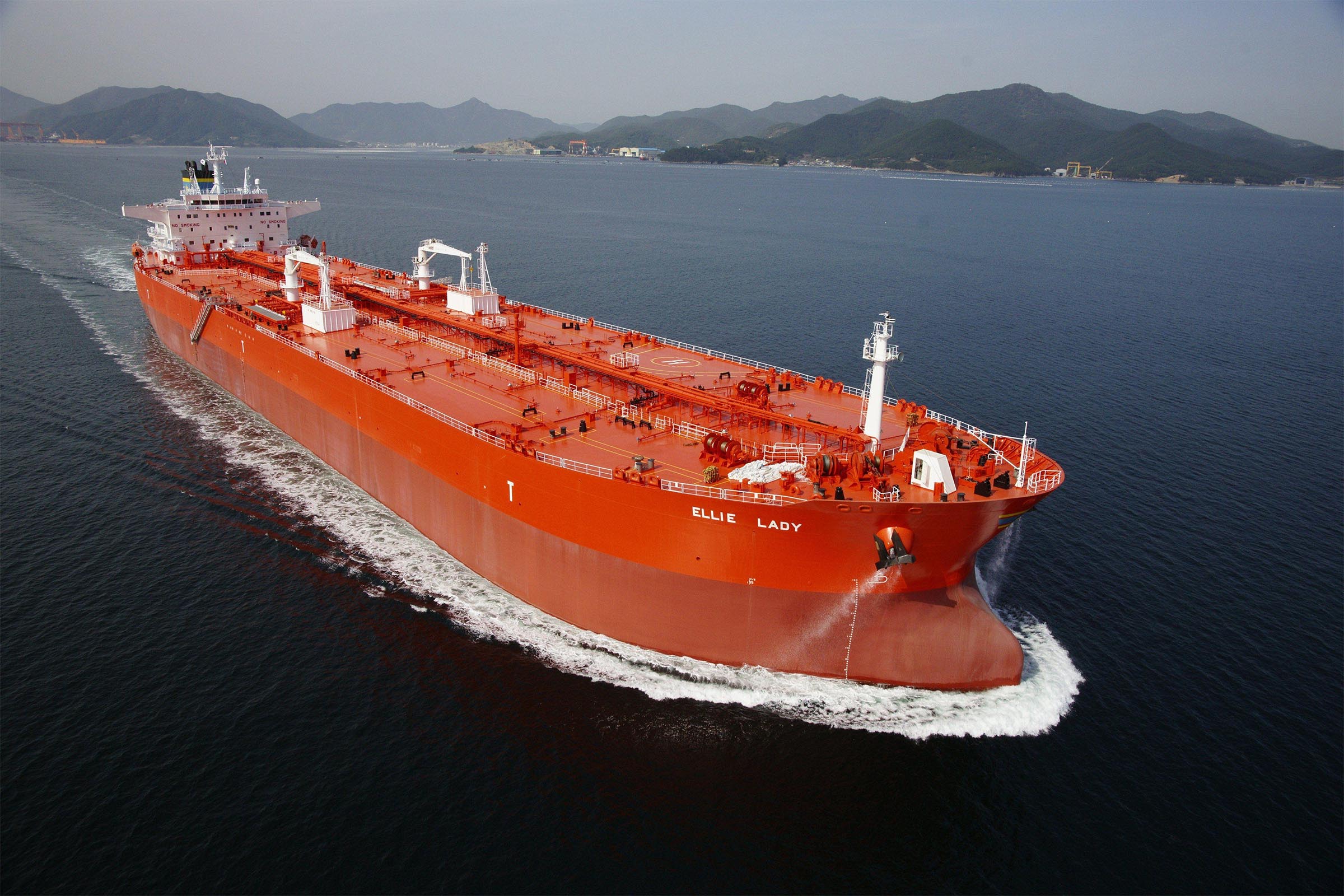
Hundreds of tankers are currently cannot transit the Strait of Hormuz, causing prices of all oil-based products to rise.
Last month, the Independent Lubricant Manufacturers Association (ILMA), a group of its representatives met with the U.S. Department of Energy recently to discuss rising concerns about shortages of base oil supplies.
Base oils are used as lubricants and are categorized in four groups. However, it’s Group III base oils that are preparing to put a bigger crimp on American consumers.
Group III base oils are used by automakers to lubricate the insides of car engines in the form of synthetic oil, and they are most affected as the Strait of Hormuz remains closed due to the war with Iran. Sixty percent of Group III base oils are used in automotive applications, i.e. synthetic oils.
Paying up
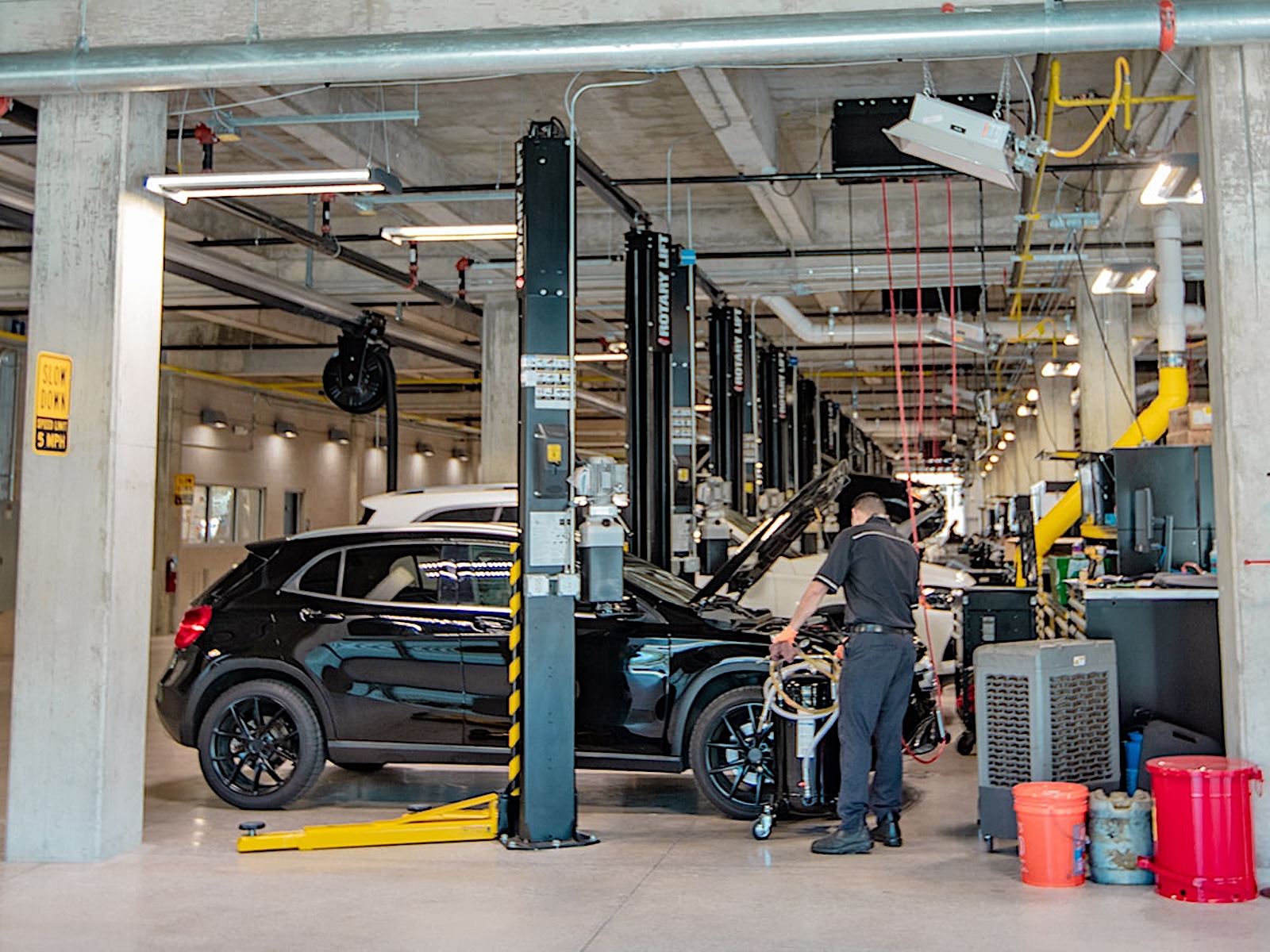
Oil changes are soon going to cost more.
If producers cannot get adequate supplies, prices rise and that means oil changes are going to cost more. Lubricants for automotive components will also see increases that will be transferred directly to consumers.
Nearly 45% of Group III base oils comes from the Persian Gulf, either the tankers unable to use the Strait of Hormuz or from production facilities currently offline in the region. The ILMA points out there are no simple ways to resolve the problem.
“Compounding the issue, South Korea — responsible for about 30% of U.S. Group III imports — relies heavily on crude oil shipments from the Persian Gulf. While Korean refiners may pivot to alternative crude sources, lower yields are expected,” the group wrote in a recent report.
MORE AUTO NEWS
- Might Trump Open the Door to Chinese Autos
- Inside the New Hyundai Metaplant
- America’s Falling in Love With Hybrids
Impact spreading
Initially, it was trucks impacted by the shortages. General Motors was the first affected as its Dexos oil products rely on Group III base oils, meaning GM product owners may find it hard or expensive — or both — get the right Dexos product for their vehicles.

Once the conflict between the U.S. and Israel with Iran ends, it’s going to take some time before prices drop.
But now Nissan is preparing to warn dealers about its moves to deal with dwindling supplies of synthetic oil. It created a bulletin intended for dealers to inform them that starting May 1 it was shrinking allocations of Nissan Genuine Oil by 45%, according to a report by TheDrive.com. The same bulletin notes a price adjustment, driven by suppliers, is coming, but does reveal how much.
However, the deadline has come and gone, and Nissan officials told TheDrive the bullentin wasn’t sent to dealers — yet. However, the alarm was sounded last month when the ILMA appealed to GM to allow for “temporary flexibility” for Dexos licensees so they can adjust the blends used to produce Dexos products.
The company offered sympathy, but no flexibility, saying in a letter to the organization, “We recognize that Group III supply constraints may continue for some time, and we encourage additive companies and oil marketers to submit technically justified alternative group III base oils for evaluation.”


0 Comments