
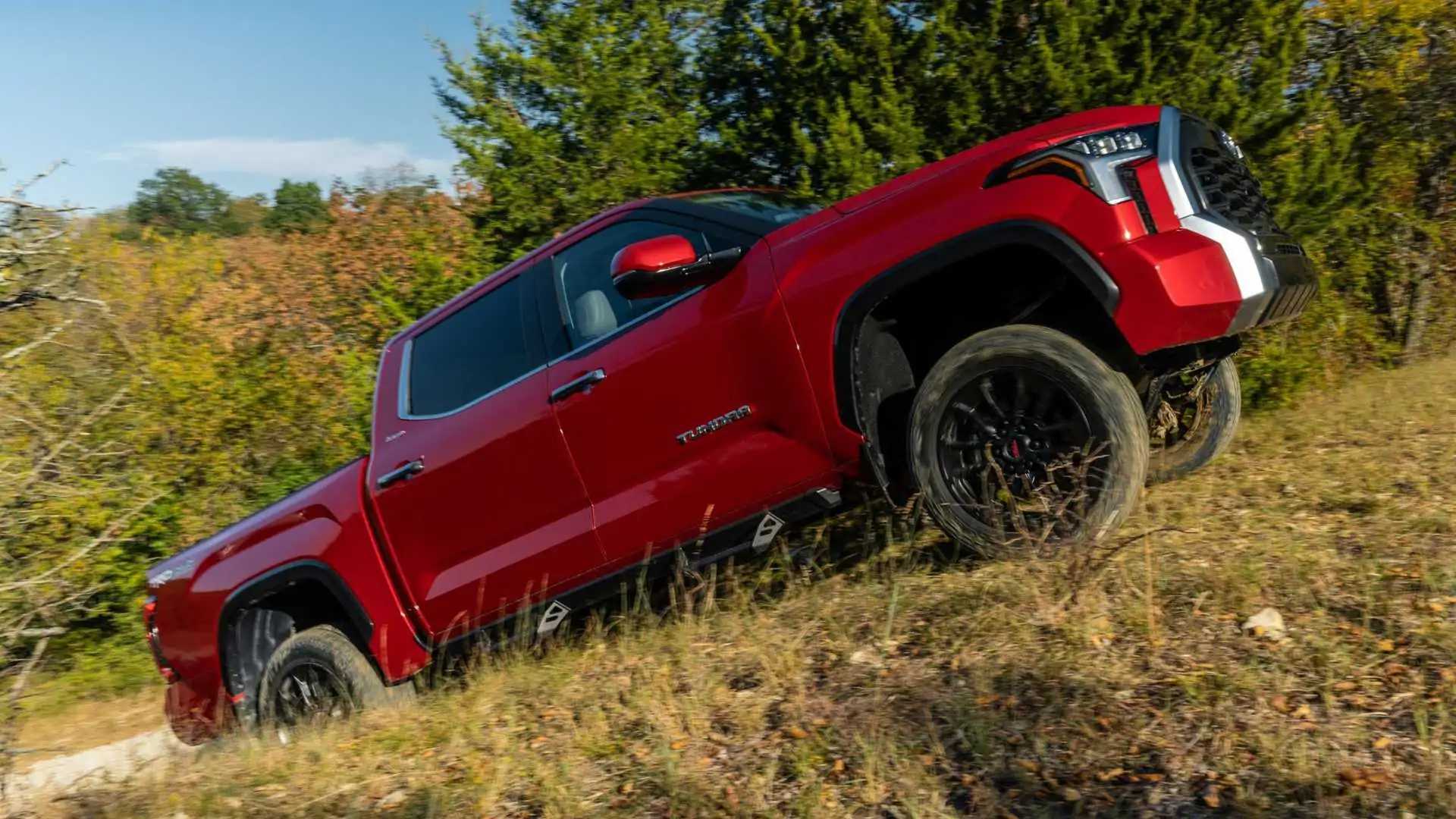
Call it a “whale” of a plan. Documents filed with Texas regulators show Toyota is ready to build a new, $2 billion assembly line alongside its existing truck factory in San Antonio. But the automaker is first seeking financial support from the state for what it has codenamed “Project Orca.” More from Headlight.News.
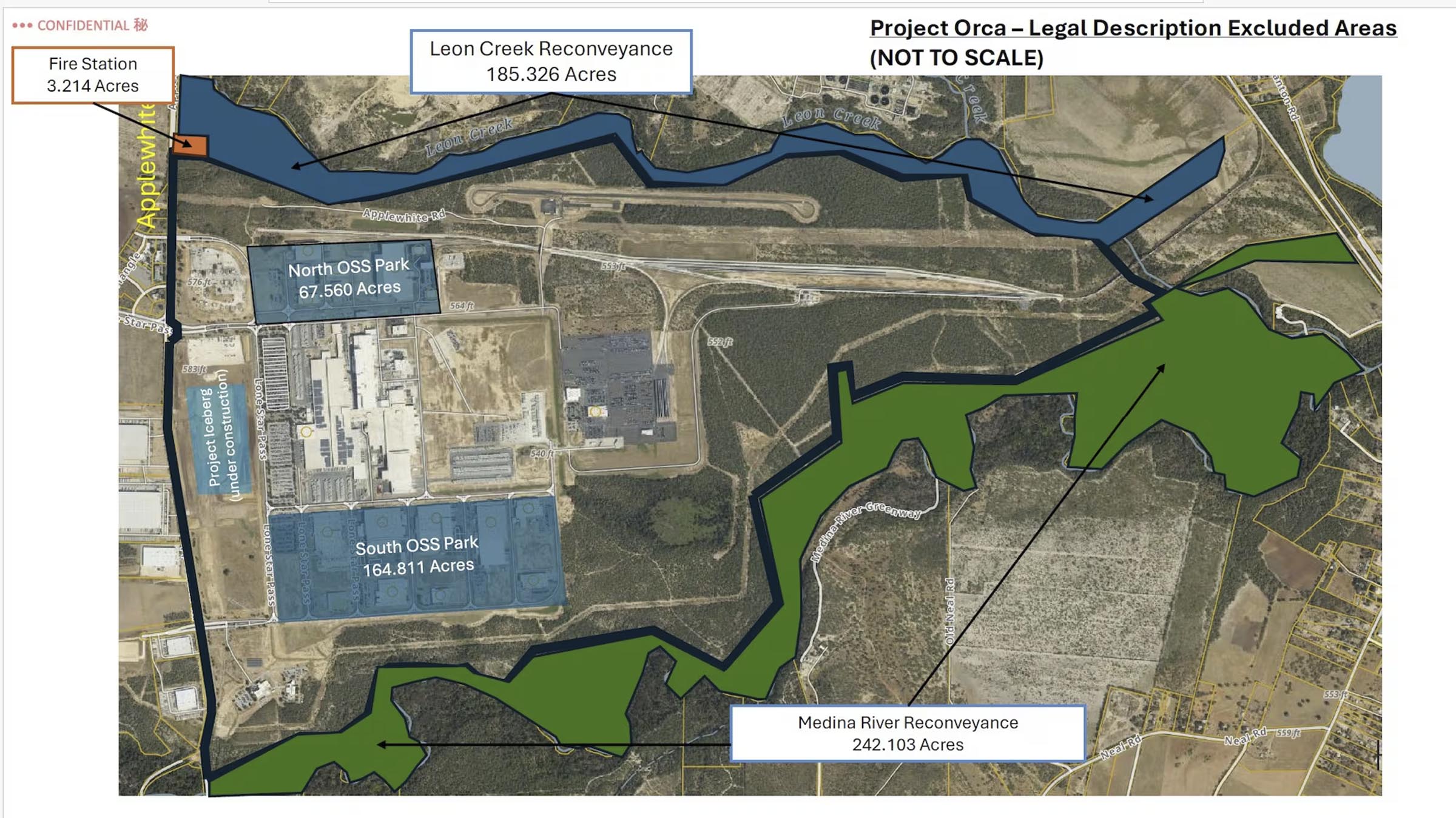 As part of its pledge to invest $10 billion in the U.S. market, Toyota is working up plans that could see it open a second assembly plant in San Antonio, Texas.
Dubbed “Project Orca,” the plan is detailed in an application filed with the Texas comptroller’s office for state and local tax incentives. As many as 2,000 jobs would be created once the plant were to begin production by around 2030, reported Automotive News.
The application makes it clear that Toyota is still shopping around for the best deal it can get, noting, “Project Orca involves a highly competitive and ongoing site selection process. At the highest level, Toyota is focused on selecting a location and site which offers significant financial incentives and ongoing operating efficiencies.”
What’s new
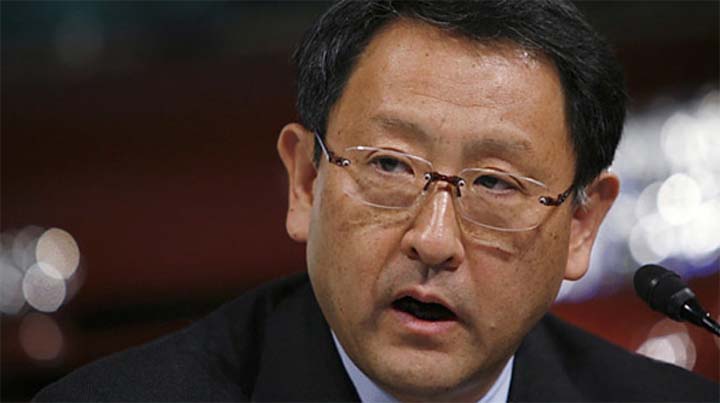
Toyota Chairman Akio Toyoda announced plans to invest $10 billion more in the U.S. last year.
Nearly two-thirds of the vehicles Toyota now sells in the U.S. are already produced here, including such familiar models including the Camry, Corolla, Highlander and Tundra. It still imports models such as the Mexican-ade Tacoma, RAV4 from Canada and GR Corolla from Japan.
It does not indicate in its application what product – or products – it would assemble in the new plant. But it is under pressure to reduce dependence on imports due to the Trump administration’s hefty tariffs. And there is an increased sense of urgency as the White House prepares to renegotiate the U.S.-Mexico-Canada agreement that had allowed many vehicles to enter the States from those neighboring countries duty-free.
After Chairman Akio Toyoda met with Pres. Donald Trump in Japan last year the automaker indicated it would invest $10 billion in the U.S. by 2030. It was widely expected that would include not only an expansion of existing production operations but an entirely new assembly plant.
Critical timing
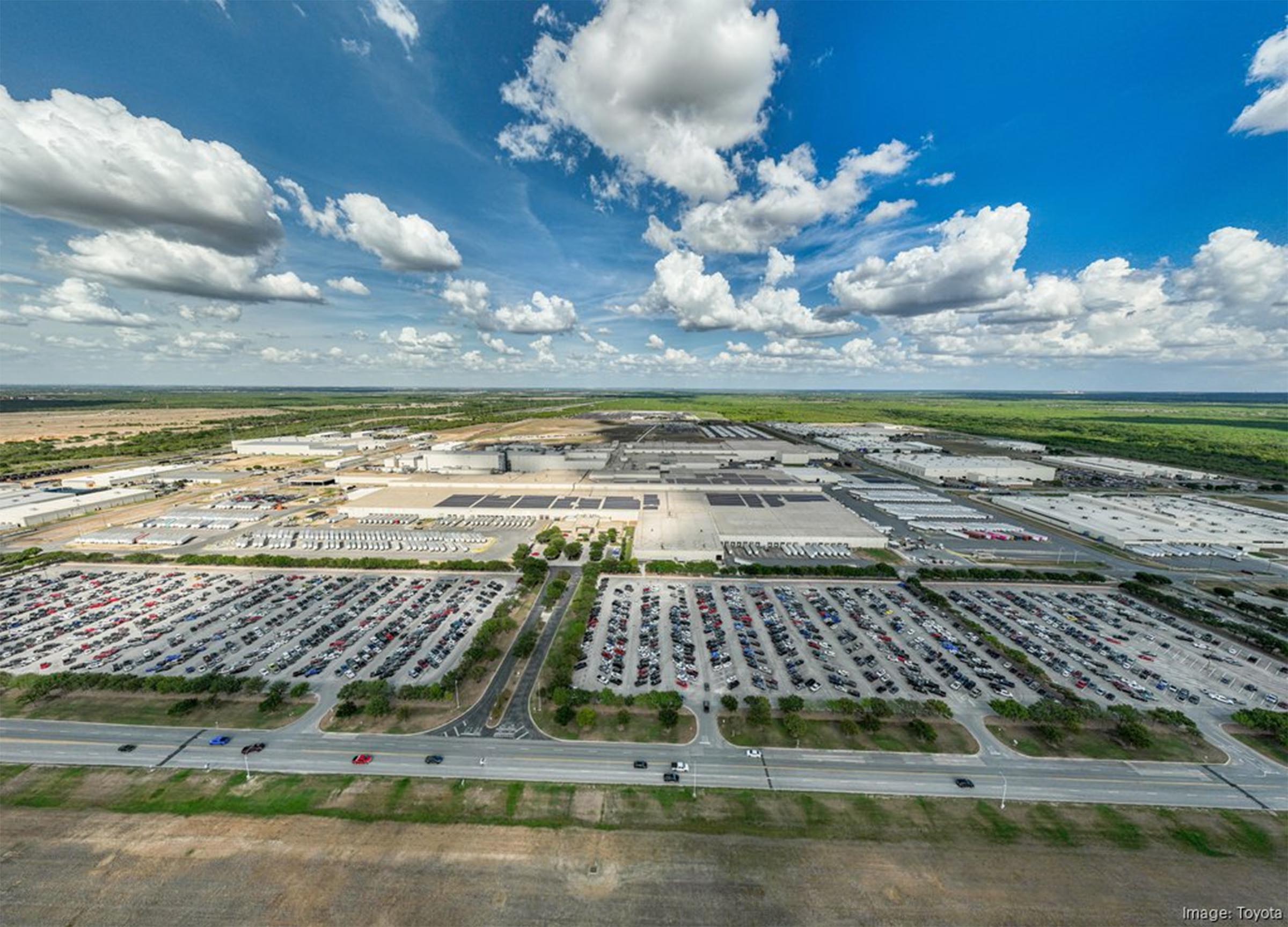
Toyota’s current San Antonio plant.
Specific details are in short order, notably any mention of which models could come out of a new plant in San Antonio – or wherever the factory finally goes in. In an April interview, however, U.S. CEO Ted Ogawa told Automotive News there has been interest in possibly adding two new compact models, including a pickup to rival the popular Ford Maverick.
What is clear is that Toyota wants to move fast, whatever the factory ends up assembling. “Importantly, due to the critical path milestones that must be achieved in order for construction to commence in 2026 (with production commencing in 2030), Project Orca would necessarily need to be co-located at, or in close proximity to, an existing Toyota manufacturing facility that has (or will have) access to sufficient transportation infrastructure,” the application noted.
Toyota’s current operation in San Antonio covers about 2.2 million square feet and focuses on body-on-frame products, specifically the Tundra pickup and Sequoia SUV. It directly employs 3,700 on the Toyota payroll. But a number of suppliers are collocated on the campus and provide about 5,600 additional jobs.
More Auto News
- Might Trump Open the Door to Chinese Autos
- Inside the New Hyundai Metaplant
- America’s Falling in Love With Hybrids
Toyota’s not the only one
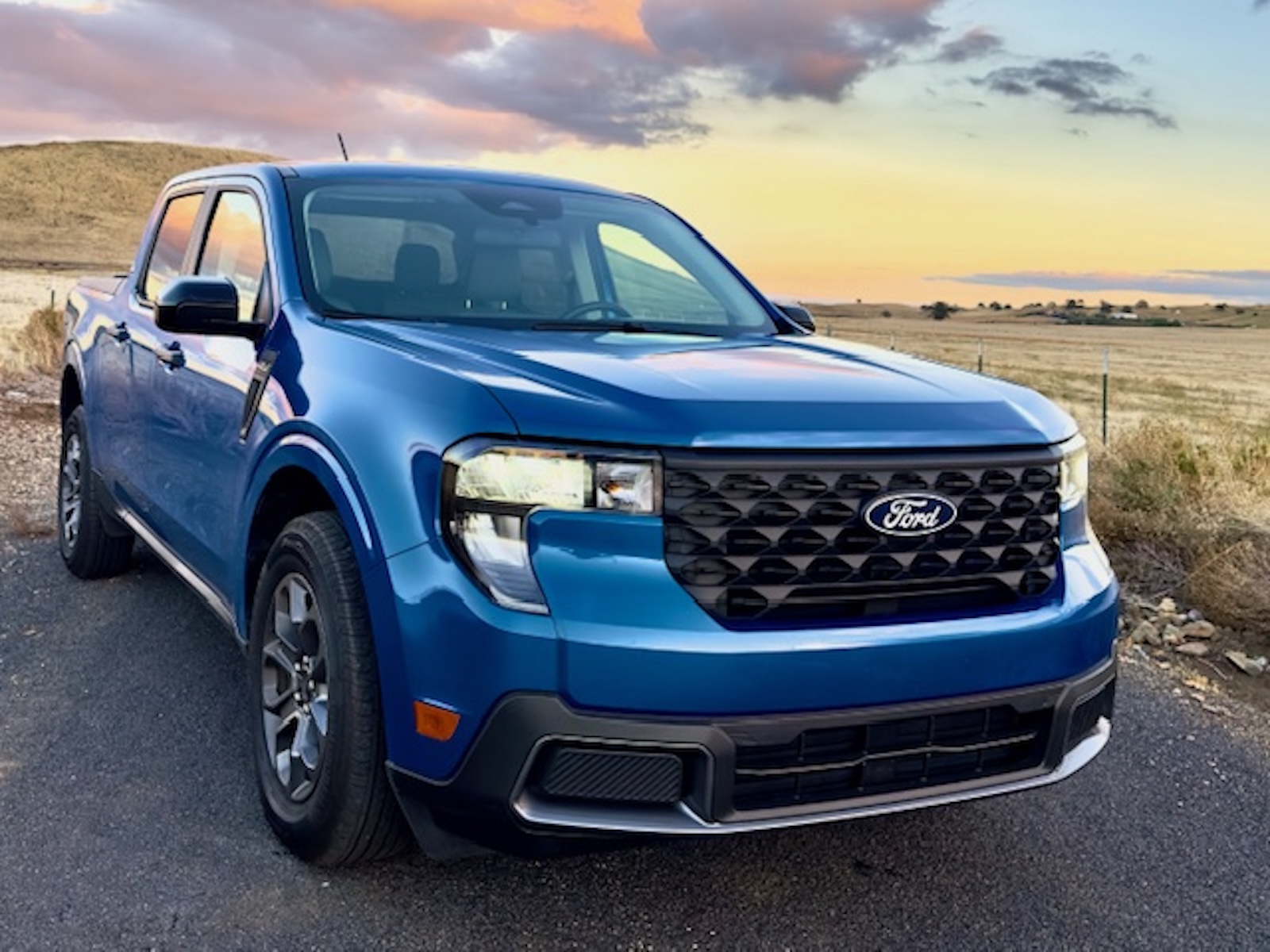
Toyota has been pressed by dealers to come up with a competitor to the popular Ford Maverick.
The Trump administration’s push to bring home more automotive manufacturing jobs has so far had mixed results. Last year saw the loss of about 29,000 jobs in that sector, according to federal labor statistics.
But there are signs that at least some manufacturers are moving in the desired direction. Along with Toyota, Hyundai Motor Group has announced it will boost U.S. operations. Its $26 billion commitment will include expansions at its three current assembly plants, as well as a likely new factory. Hyundai also plans to build a steel mill in Louisiana, as well as a plant to produce its humanoid Atlas robot.
Depending upon how the USMCA negotiations go, many analysts expect manufacturers like General Motors, Honda and Volkswagen could shift some Canadian and Mexican production back to the U.S., as well.

0 Comments