
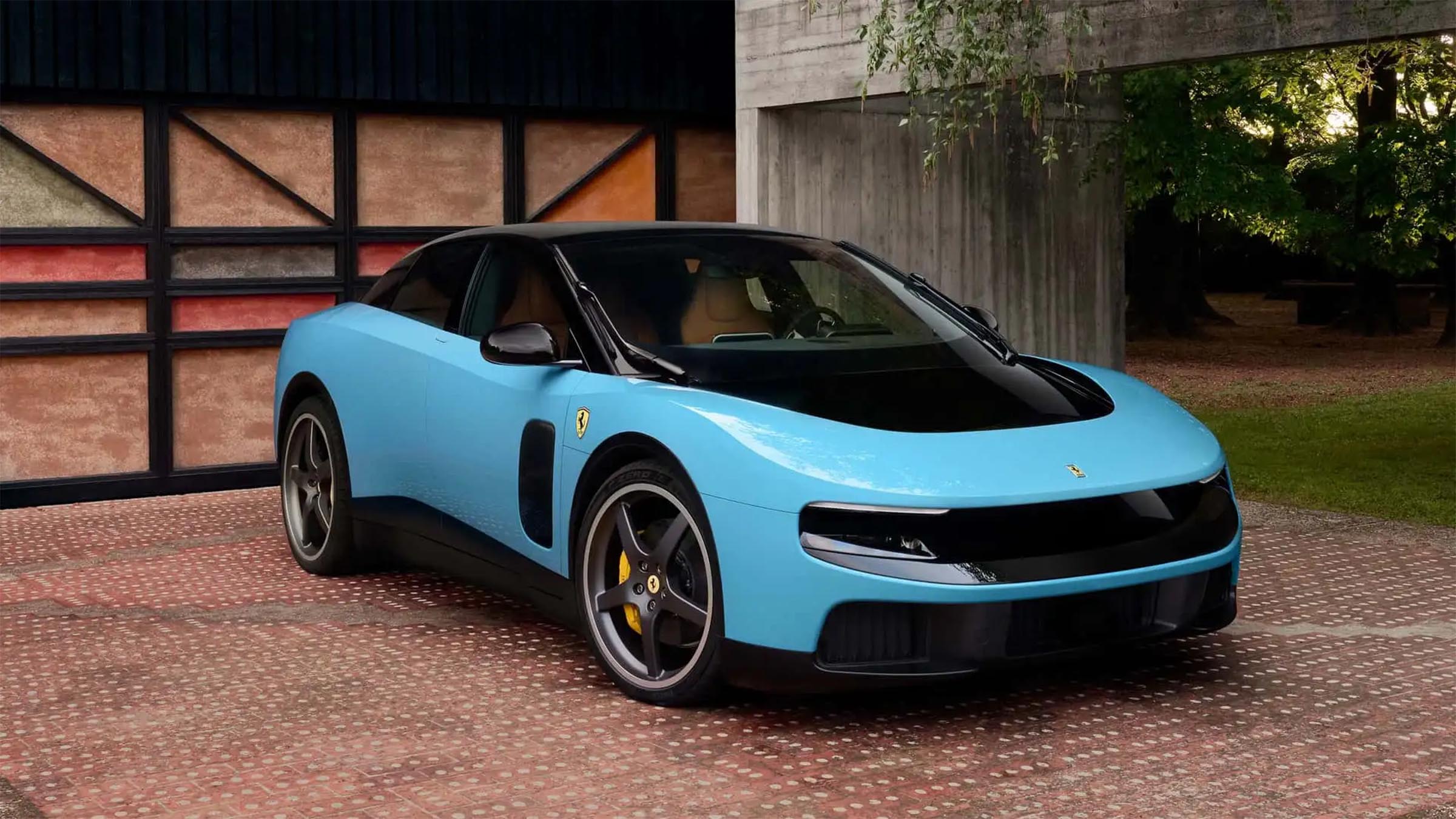
Ferrari officially pulled the covers off the Luce, its first-ever battery electric vehicle. Despite some kind words from Pope Leo, however, the reaction to the $640,000 was largely unflattering. Is this the product that brings the house of the “prancing pony” crashing down? Headlight.News has more.
 The plan was controversial right from the start, and only grew more so when Ferrari revealed the first details about the new Luce battery-electric supercar during its Capital Markets Day event last October. But nothing prepared the world for the full-on shock delivered this week with the formal unveiling of the Ferrari Luce.
The $640,000 EV has generated a fierce backlash from Ferraristas – loyal buyers and fans – as well as investors who sent the company’s normally high-flying stock tumbling immediately after its debut.
There were a few positive comments, from Pope Leo XIV, among them. But former Ferrari Chairman Luca di Montezemolo was particular fierce in his criticism, warning that, with Luce, “We’re risking the destruction of a legend.”
What’s a Luce?
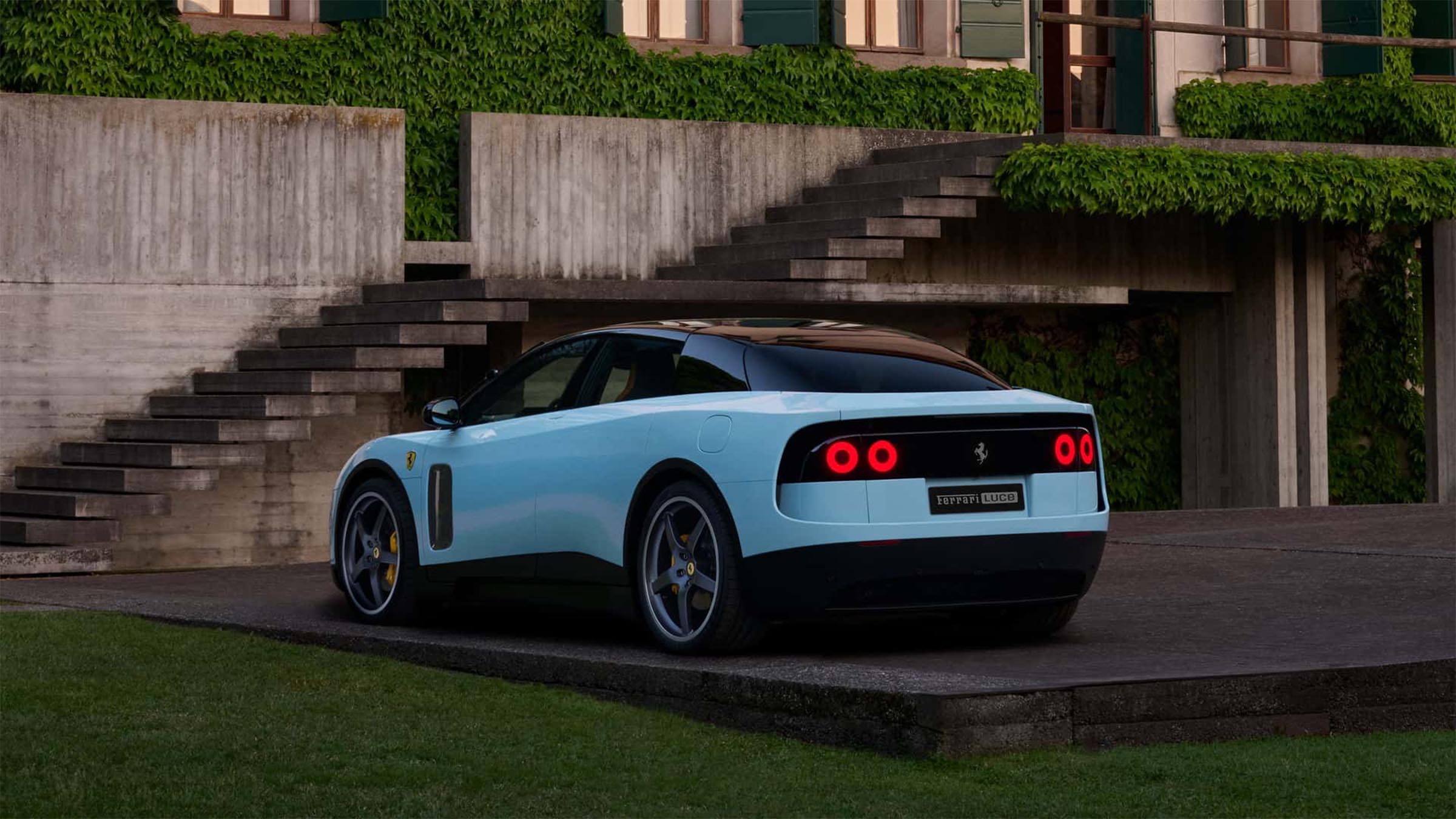 To start with, the name of the new EV is pronounced “Loo-chay,” not “loose,” though some critics might suggest Ferrari is playing fast and loose with its storied history. The name, in Italian, translates into “light.”
At one level, it’s a fitting new entry, pushing the technological boundaries with four electric motors developing a combined 1,050 horsepower. With the instant torque electric motors can deliver, Luce launches from 0-100 kmh (0-62 mph) in 2.5 seconds, while hitting 200 kmh (125 mph) in 6.8 seconds.
The “Torque Shift Engagement” system’s paddle shifter allow a driver to instantly adjust both torque delivery and regenerative braking. Meanwhile, the 122-kilowatt-hour lithium-ion battery pack can muster up to 329 miles per charge – assuming you don’t floor the throttle too often. Thanks to an 800-volt electrical architecture, Luce can charge in as little as 20 to 25 minutes using a 350 kilowatt DC fast charger.
Breaking the design DNA
 From the beginning, Ferrari found itself in the middle of controversy after announcing plans to bring out an all-electric model – though it has used hybrid technology in models like the SF90 Stradale to help boost performance. It is by no means the only exotic brand to move in that direction, though competitors such as Lamborghini and Aston have cancelled, pared back or delayed their own programs due to slumping EV demand.
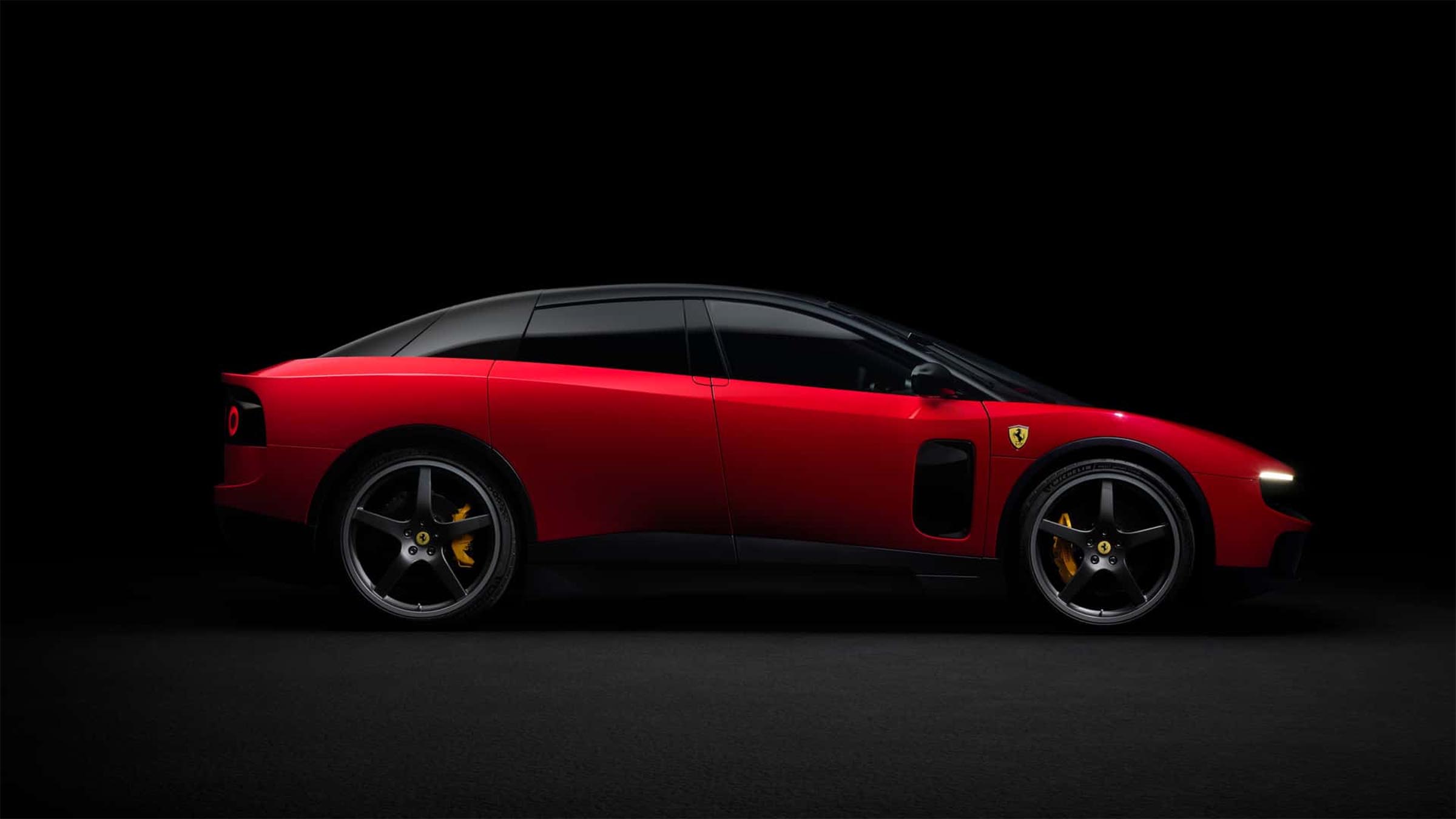
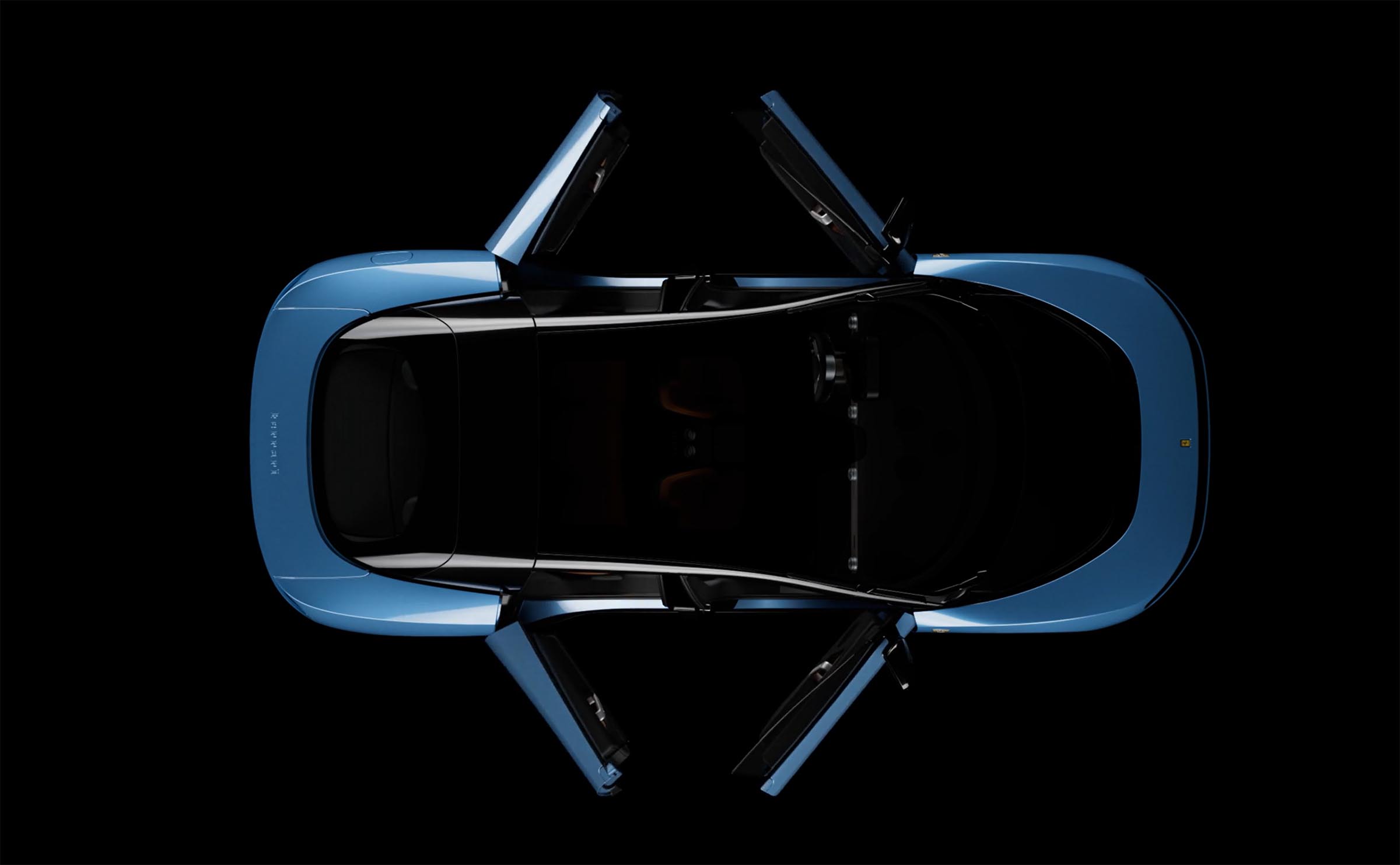
But what has really set tongues wagging – and the memes flying – has been Luce’s design. In a series of unusual moves, Ferrari decided not to go the normal in-house route towards design or turn to more traditional partners like Pininfarina. Instead, it turned to LoveFrom, an agency formed by former Apple design chief Marc Newsom in 2019. The final product breaks Ferrari’s historic mandate with four doors. It also features the largest wheels ever on one of its products, staggered 23 and 24-inch rubber front to back.
Some are comparing the results to the little Nissan Leaf for which you could by 20 for the cost of one Luce.
More Auto News
- Iran War Could Be Adding $700 or More to Your Gas Bill
- Honda Idling Ridgeline Production Until 2028
- The Winners and Losers in the Stellantis Fastlane 2030 Shake-Up
Buyers aren’t the only ones balking
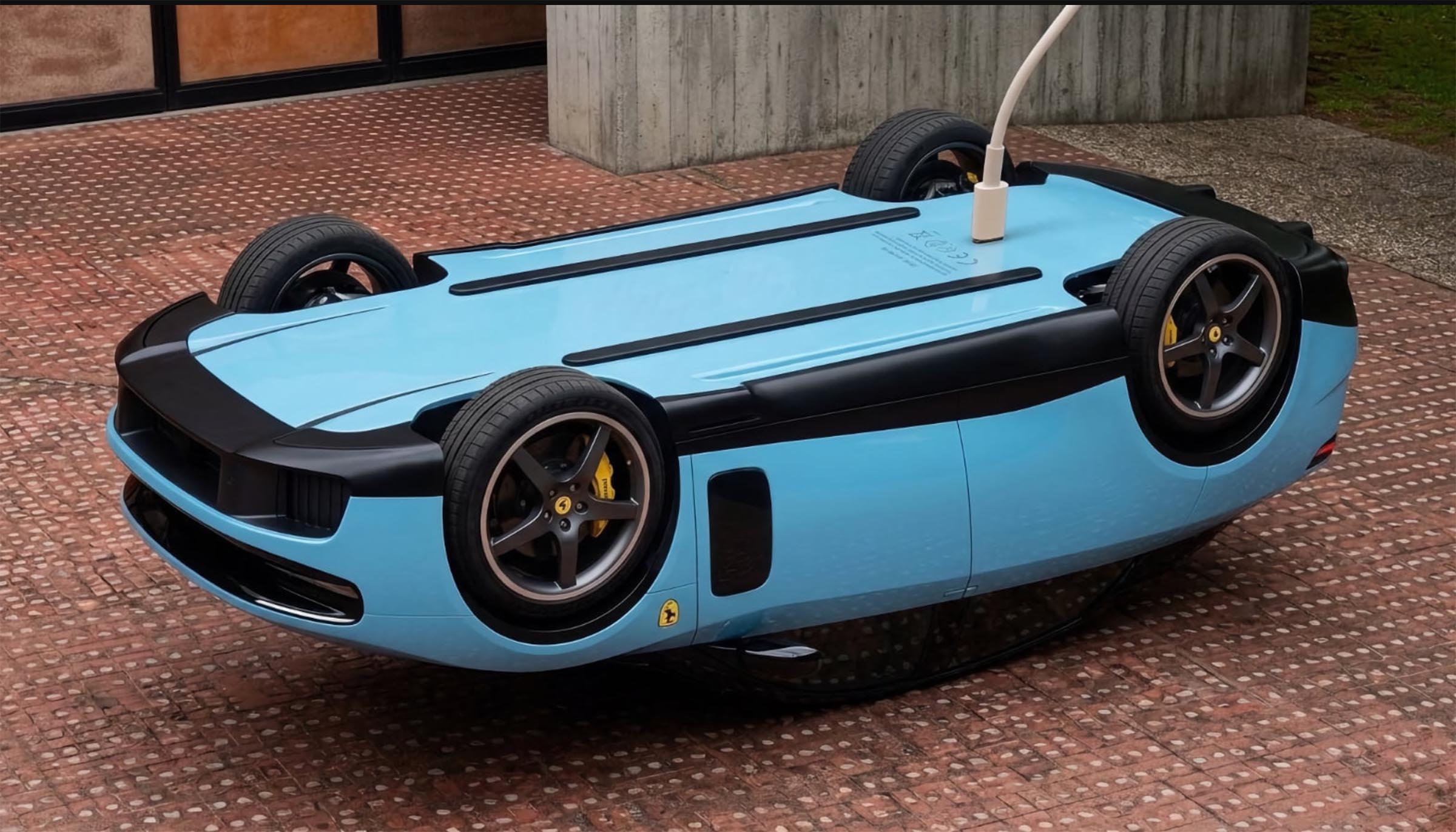
One of many critical memes mocked the design of the Ferrari Luce by comparing it to an iPhone charger.
Even before Luce was revealed, Ferrari was clearly getting pushback from potential buyers. When the automaker first announced plans to add EVs to its line-up in 2022 it forecast they would account for 40% of its total sales by 2030. That target has been trimmed to 20% now. (Ferrari still expects hybrids to generate 40% of its business by decade’s end. It currently has three in its line-up.)
The automaker’s once stellar stock was already taking heat in recent months, but it’s been hammered since Luce debuted, falling 8% by the end of Wednesday trading in Milan and 5.3% on the New York Stock Exchange.
“Ultimately many fans are disappointed that Ferrari is embracing the EV concept, believing it dilutes the supercar brand, which has modelled itself around classic design and raw, combustion-engine power,” Michael Field, chief equity strategist at Morningstar, told CNBC.
But there were some more upbeat comments, among them from the Pope who met with John Elkann, chairman of the automaker, at the papal residence, Castel Gandolfo on Tuesday. It remains to be seen if the pontiff offered to use his connections to help Ferrari’s bold gambit succeed.


My guess is it is a great car. It is not very attractive, though. It kind of looks like a computer mouse you buy in the Ferrari gift shop.