
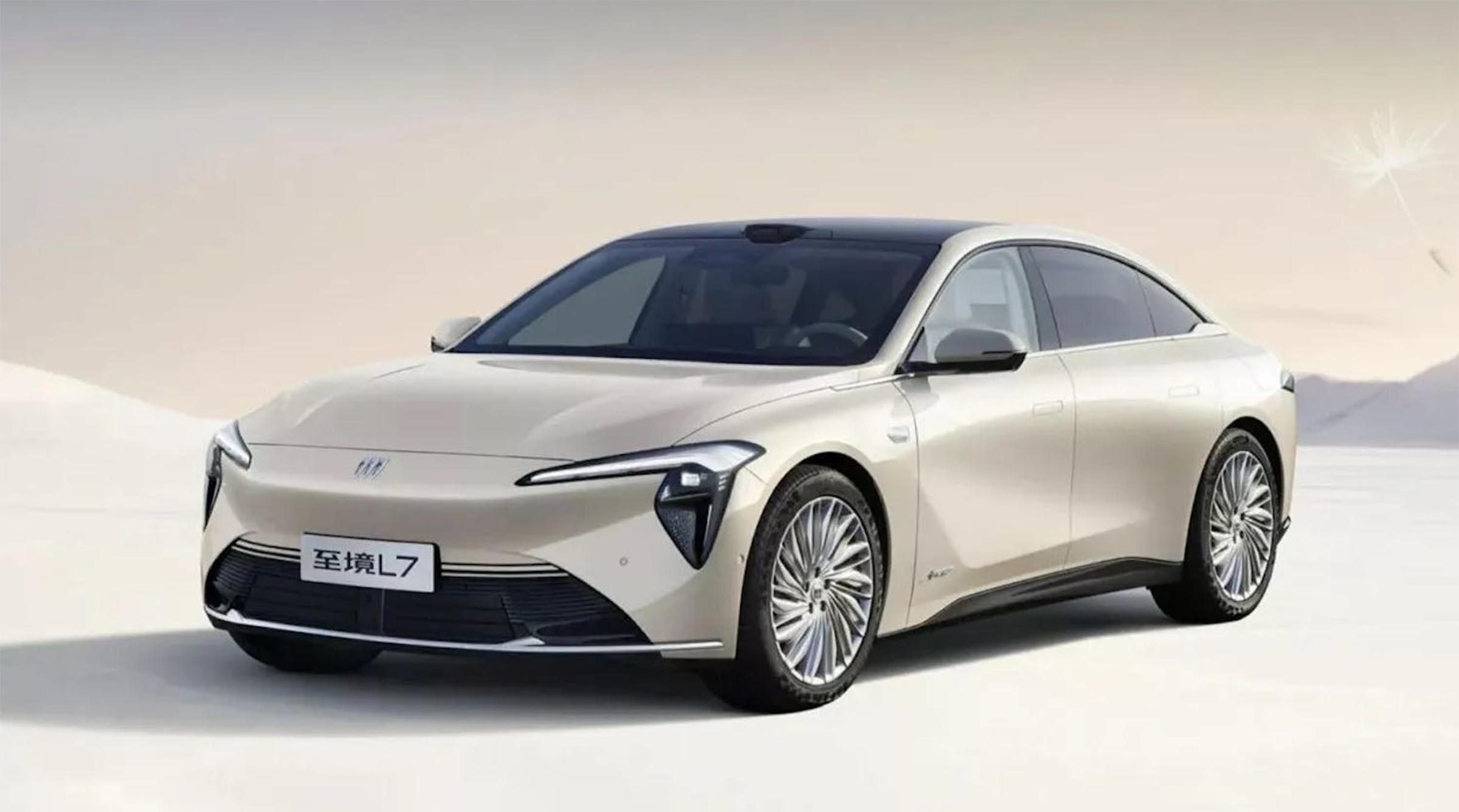
Sedans. Remember them? They once overwhelmingly dominated the American automotive market. Today, they’re little more than afterthoughts for most buyers – and have been dropped from the line-up by a number of brands. But several manufacturers appear ready to bring sedans back. Look for new entries from both Buick and Chevrolet – and possibly Ford — reports Headlight.News.
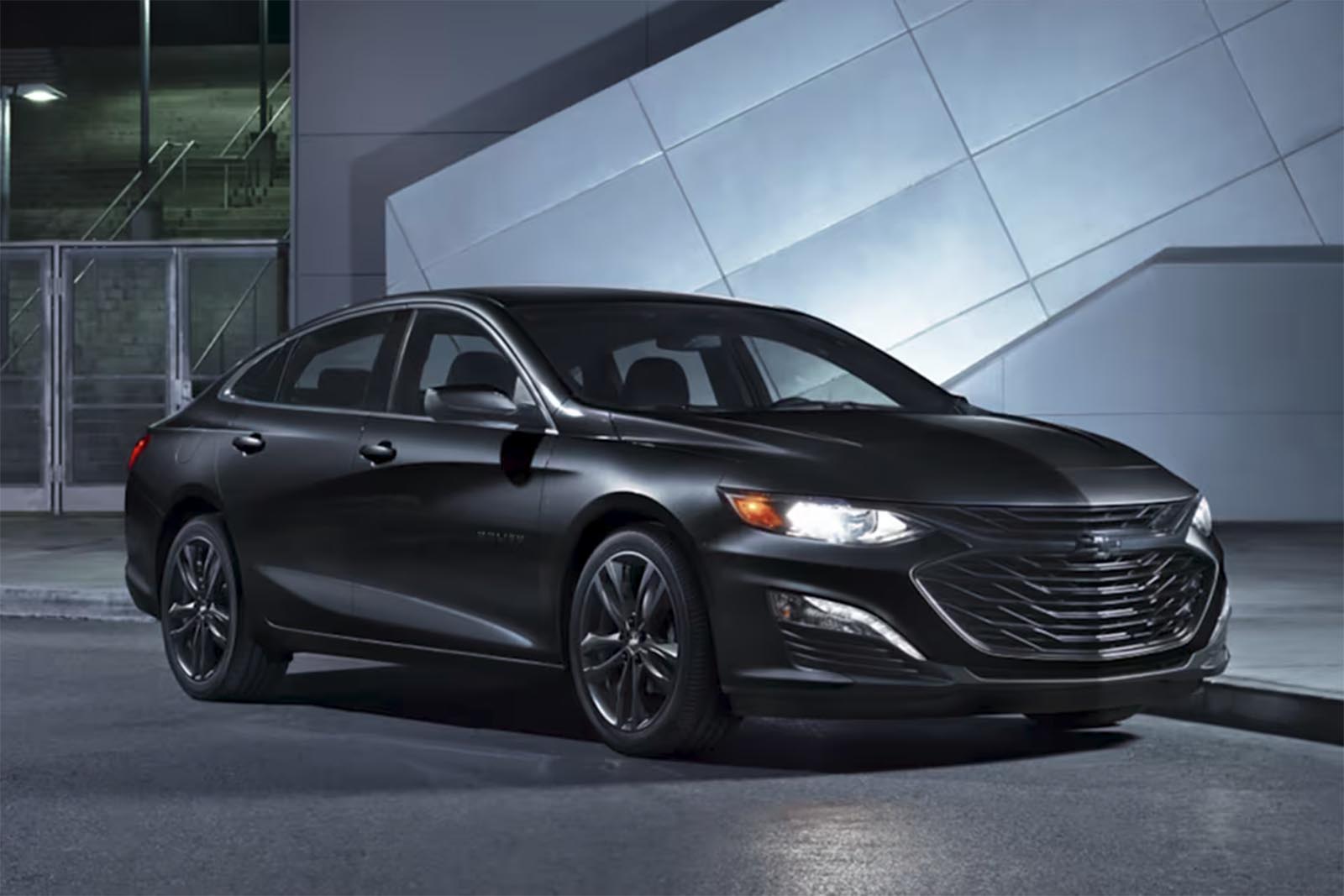
Chevrolet exited the sedan market as it killed off the midsize Malibu in 2024.
General Motors is looking to fill a gap in its line-up, bringing new sedans back for both the Buick and Chevrolet brands, several industry sources have told Headlight.News.
The automaker appears to be betting that at least some customers are getting tired of the SUVs and CUVs that today dominate the American market. They’ve also been watching the sales numbers of key import rivals, like Toyota and Hyundai, who have stuck with sedans, despite declining sales and market share.
And GM isn’t alone. Ford Motor Co. CEO Jim Farley has hinted on several occasions that the second-largest of the Detroit automakers may be ready to add a sedan for the first time since it ended production of the Fusion model in mid-2020.
Changing directions
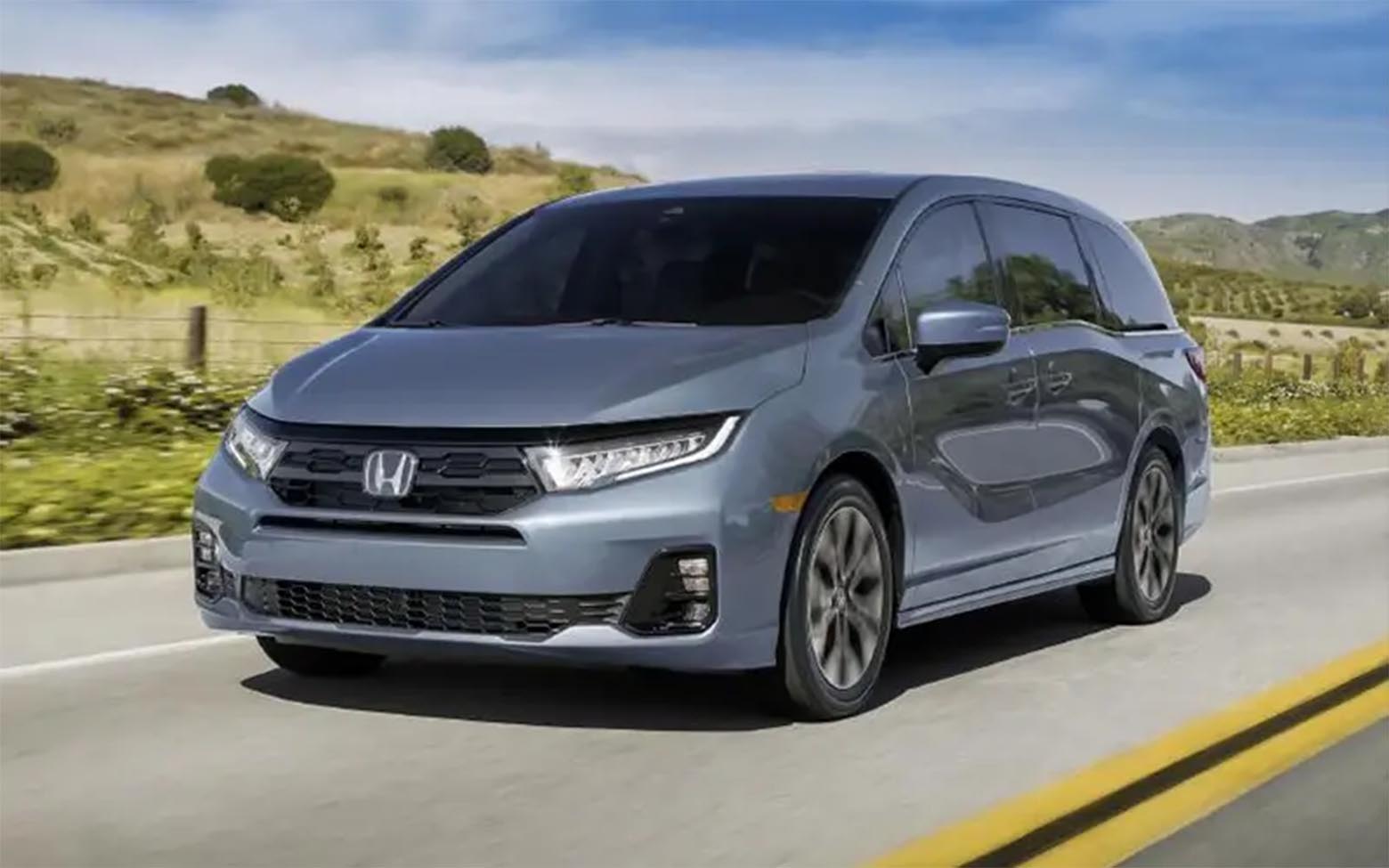
Each generation seems to reject the products their parents favored, such as minivans like this Honda Odyssey.
The industry is in the midst of strategic turmoil. That is, in part, due to changing federal policies on battery-electric vehicles, marked by last September’s phase-out of federal EV tax credits, several analysts noted.
That’s led a number of manufacturers to scrub or delay plans to add new EVs. But it’s also encouraging them to find alternative products for their line-ups.
Add the fact that industry researchers are finding signs of a potential generational shift. Historically, each new generation has pulled back from the products that their parents loved. The station wagons of the 1960s gave way to the minivan when Baby Boomers started having families. In turn, their kids opted for the sport-utility vehicles and crossover-utility vehicles that today account for the majority of U.S. new vehicle sales.
A fading market
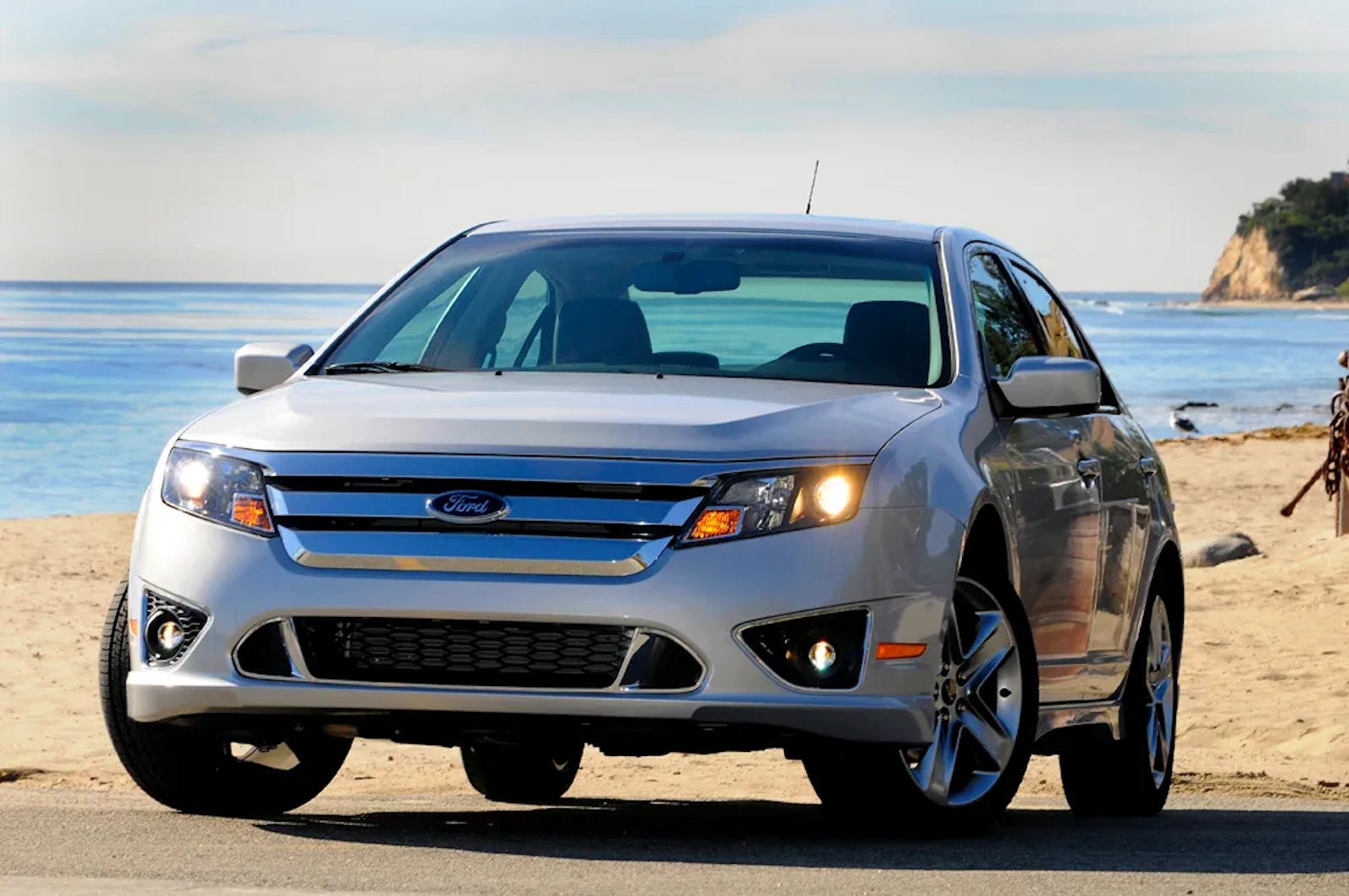
The Fusion was Ford’s last U.S. sedan.
Through the late 1980s, passenger vehicles – including sedans, wagons, hatchbacks and sports cars, accounted for more than two of every three products sold in the States. Sedans overwhelmintly dominated the list, but they began to lose momentum as the 20th Century drew to a close.
As late as 2005, they still accounted for 36% of U.S. sales, about 6 million sedans annually, according to Mobility Global. Last year, however, that slipped to a mere 13%, or roughly 2.2 million vehicles. Measured another way, there were 110 sedan models available in 2005, dipping to just 60 this year.
But -“SUVs are so dominant,” said Global Mobility Associate Director Stephanie Brinley, “I think people are getting tired of them.”
More Auto News
- New Rivian R2 is the Result of “Creative Subtraction”
- With Lucid Facing Potential Bankruptcy, Could This Mark the End of the EV Start-Up Era?
- Polestar, It Was Nice Knowing You
Rising from the dead?
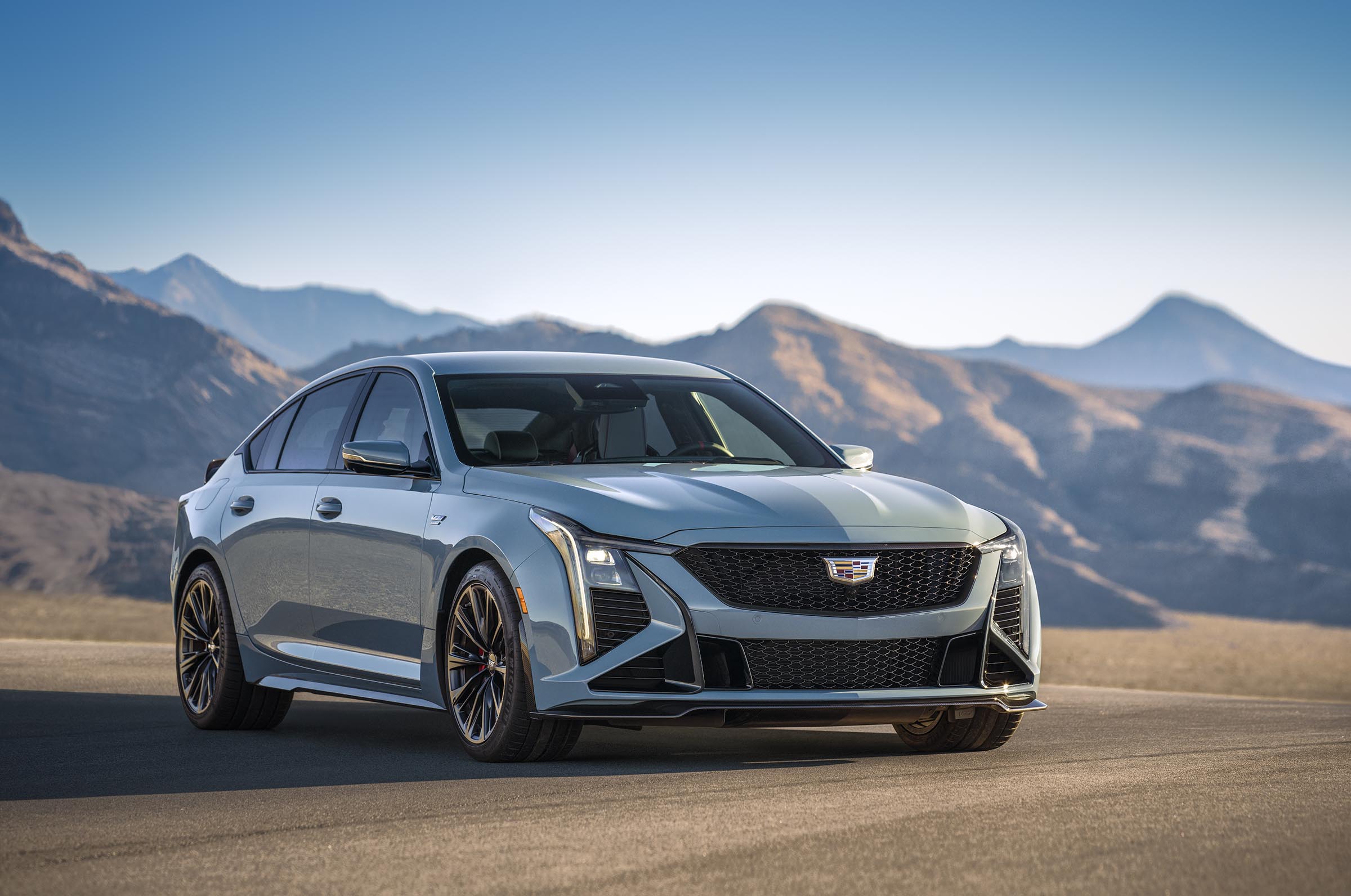
The new Buick and Chevrolet sedans will share underpinnings with the next-generation Cadillac CT5.
“Sedans won’t go back to what they were in the old days,” cautioned Brinley, but she expects to see more start coming to market.
Chevrolet, for one, is expected to introduce its first sedan next year since the Malibu was phased out in 2024. (It also dropped the Camaro that year and currently produces just one passenger car product line: the Corvette.) It’s expected to be a midsize offering, several sources indicated, and likely will be more sporty than Chevy sedans of the past – possibly reviving the Camaro name. That approach isn’t as surprising as it might seem as rival Dodge offers both coupe and sedan versions of its Charger muscle car.
The planned Chevy is expected to be produced at a plant in Lansing, Michigan and it will share the same architecture as both the next-generation Cadillac CT5, as well as a new Buick sedan.
That would mark the first time the Buick brand has had a sedan in its line-up since the long-running Regal ended production in 2020.
More to come
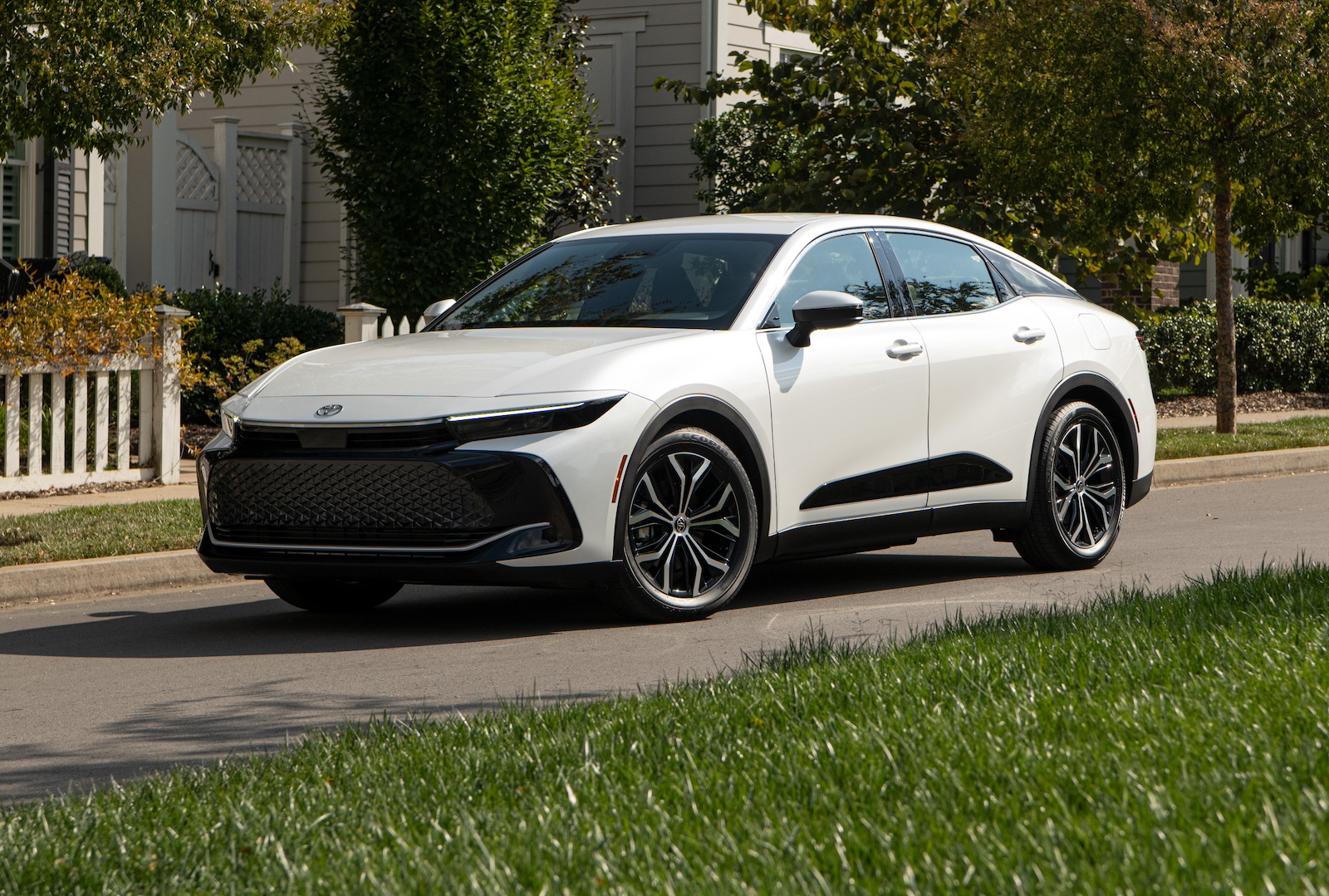
Future sedans may adopt a very different approach to styling, much as Toyota did with the Crown.
Ford is also expected to add a sedan to its line-up, though it’s unclear if it will replace Fusion or fill another niche in the line-up.
Detroit manufacturers clearly have reason to reconsider the four-door market. Key competitors like Toyota, Hyundai and Honda have retained a presence in the sedan segment despite lower segment sales. They’ve been able to hold on by attracting sedan customers effectively orphaned by the domestic brands.
A lot has happened over the past quarter century that will make it easier for manufacturers to revive sedans. For one thing, the use of flexible architectures makes it easier to share basic underpinnings with a variety of different “top hats,” to use industry lingo. In other words, new sedans may have platforms also used in SUVs after relatively minor modifications.
Future potential
We may also see some newer approaches to sedan designs, much as Toyota opted for with its Crown line, striking a halfway point between a traditional sedan and a crossover.
Either way, don’t expect sedans reach the same level of demand seen in decades past, warned Brinley. In fact, Mobility Global still sees the market segment continuing to decline – to about 11% — by 2030. But, as more new sedans come to market, she added, we could then see the first rebound in sedan sales and market share in decades.


0 Comments