
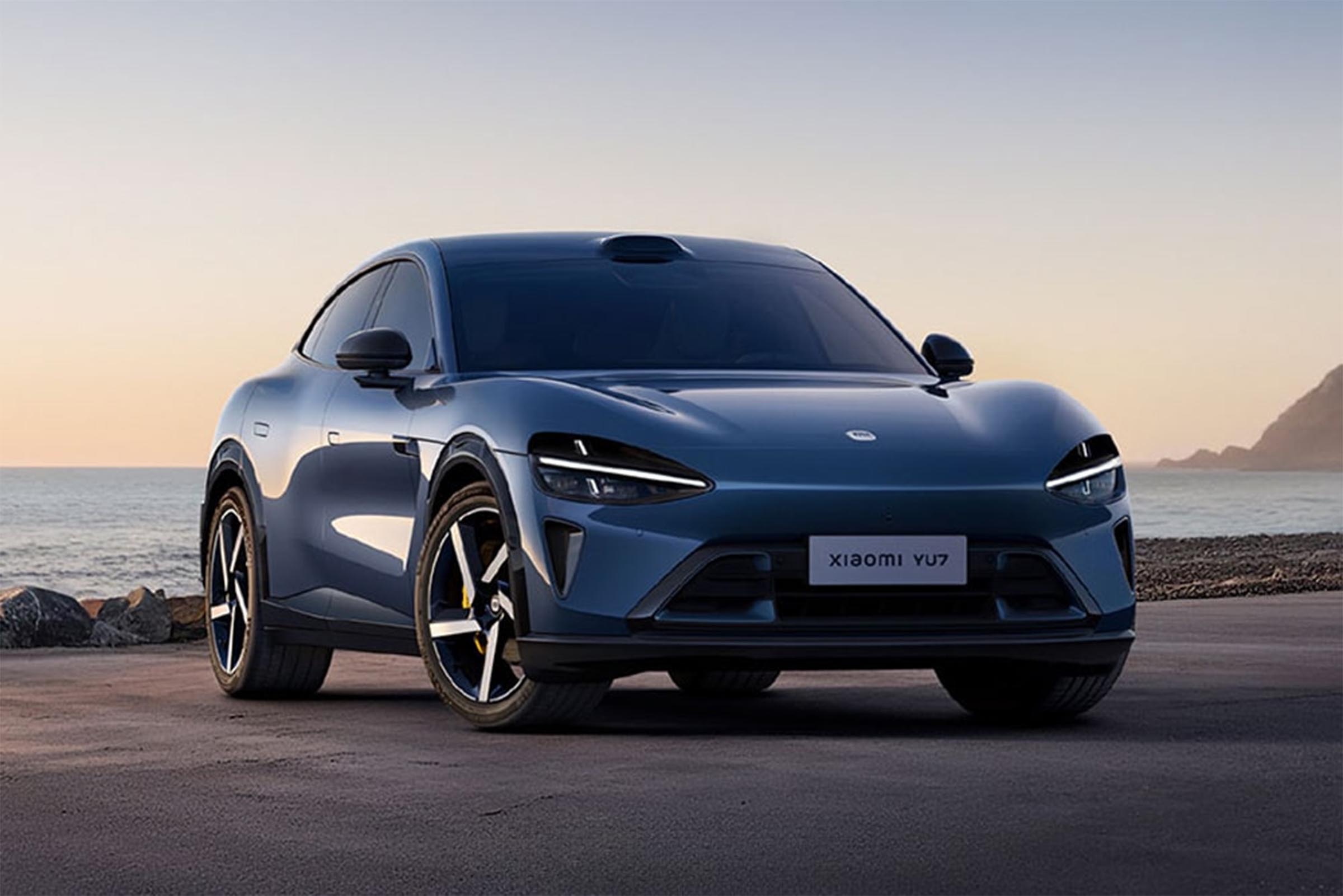
The growth of China’s auto industry is posing a threat to long-established automakers, who are looking for protection even as consumers, pressured by the rising price of new vehicles, take a serious look at what brands like BYD, Geely and Zeekr have to offer. How long can they remain locked out of the American market? More from Headlight.News.
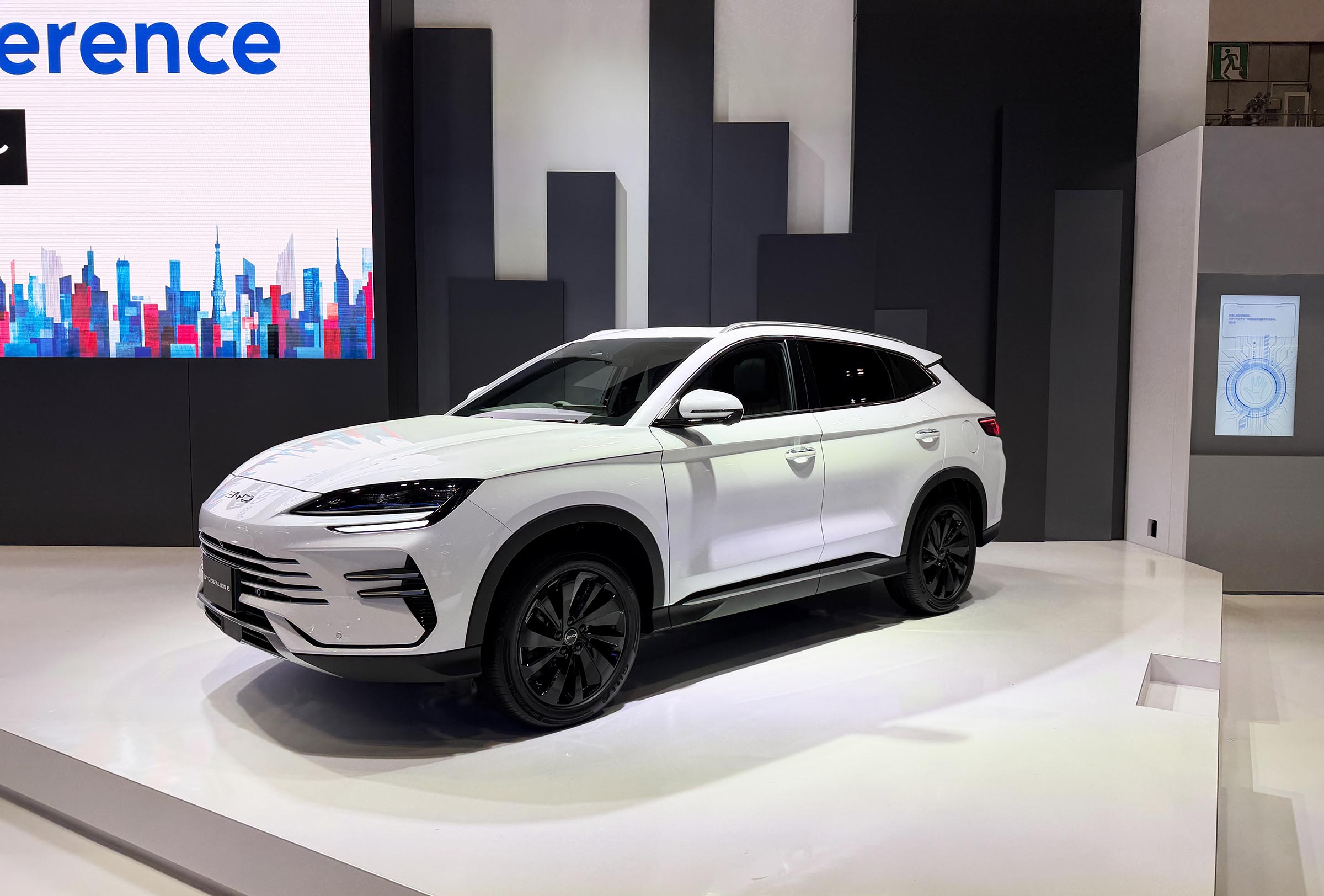
The BYD Sea Lion 6. Affordable Chinese products have rapidly gained market share around the world.
The swift rise of China’s automobile industry is reshaping the car business worldwide in ways unforeseen only a few years ago, pushing even the largest manufacturers onto the defensive as the consumers are tempted by a mixture of low prices and great features.
The problem is twofold. Global manufacturers, such as General Motors, Toyota and Hyundai, meanwhile, have seen their business in China drop as the domestic carmakers have rapidly gained market share.
Meanwhile, China has become the world’s largest exporter of new vehicles, collectively shipping 7 million vehicles abroad in 2025, up from barely 1 million in 2020. Even mighty German manufacturers such as Volkswagen, BMW and Mercedes-Benz have been sent reeling by growing power of China’s upstart carmakers, which have yet to reach maturity. So far, Chinese brands have been locked out of the U.S. market but it’s far from certain how long this modern-day Great Wall can remain standing.
Chinese vehicles make a good impression
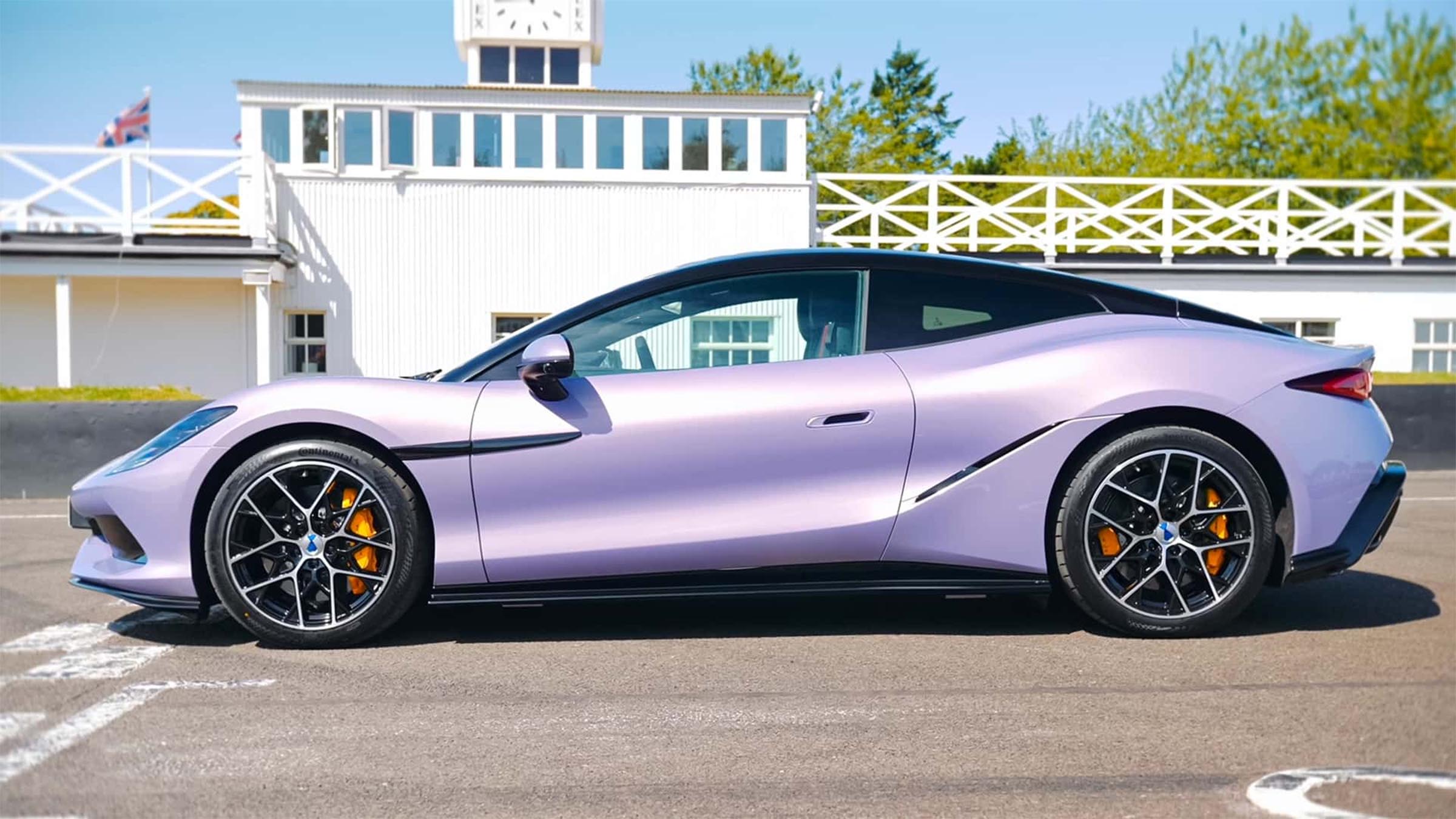
The “base” Denza Z starts out at more than 1,500 hp.
Now, a new study by Center for Automotive Research indicates the potential audience for Chinese vehicles is growing as the prices of the typical car sold in the United States as climbed to $50,000, according to analysts.
The report, released as part of CAR’s annual Management Briefing Seminars, noted that American consumers have had little chance to check out Chinese-made products like the Xiaomi YU7. “Only 20% of seminar attendees had previous experience riding in a Chinese-branded vehicle. The experience made a difference, with consumer purchase interest increasing following the ride,” CAR said.
According to CAR, the attendees, who participated in a demonstration of the YU7 and subsequent survey, were impressed “by the vehicle amenities, digital integration, ride quality, performance, and finishes.” The MBS seminars invariably attract a large array of industry insiders familiar with new vehicles.
“The findings indicate first-hand experience improved perceptions and purchase interest by nearly 40%, suggesting that future market acceptance may depend as much on exposure as on geopolitics or brand origin, according to CAR’s analysis of the results of its unscientific survey.
China’s barred from the U.S. – for now
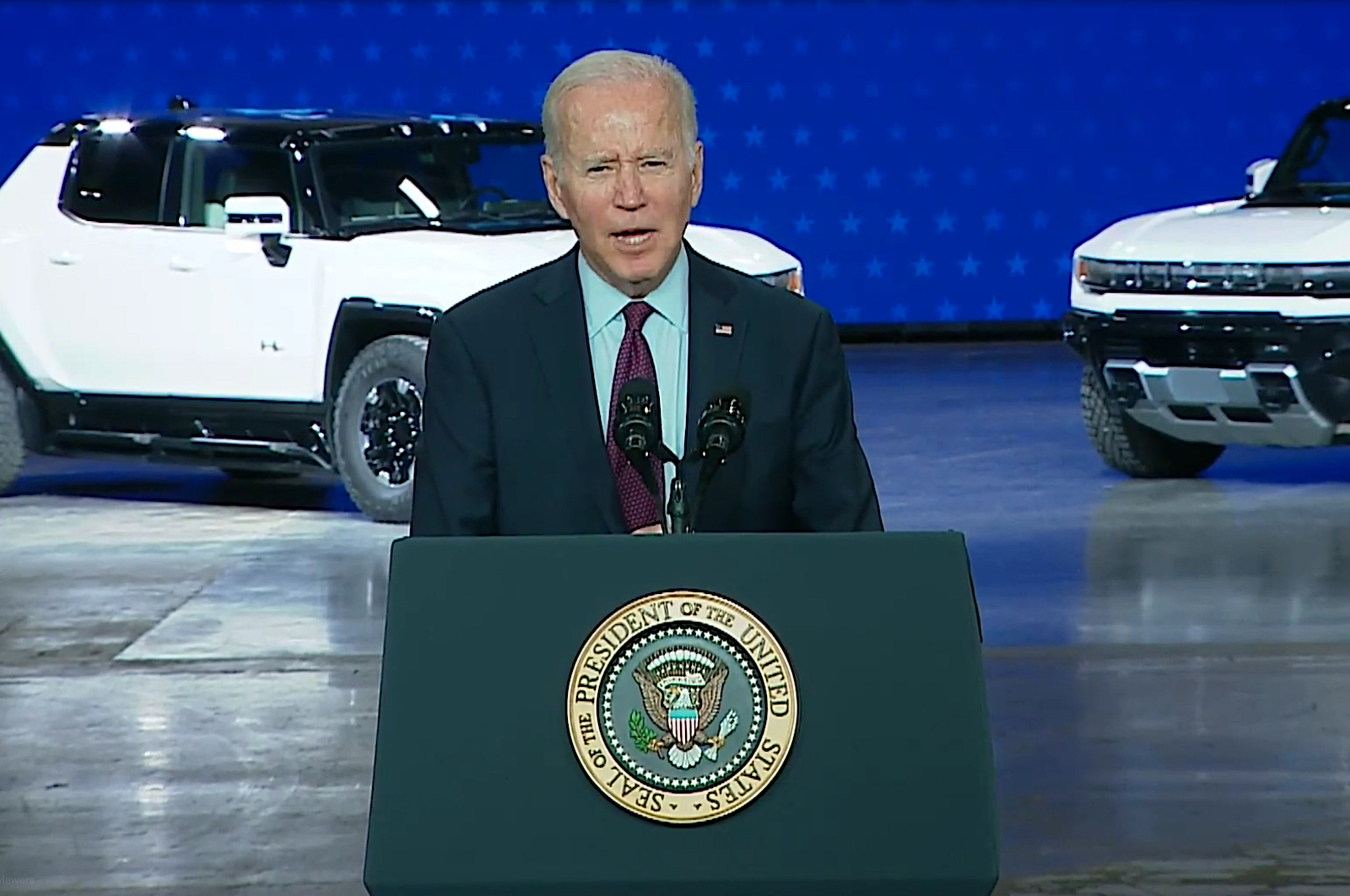
Former Pres. Joe Biden upped the tariff on Chinese EV imports fourfold – to 100%.
“The U.S. auto industry may view Chinese vehicles as an existential threat, but it remains to be seen whether consumers feel the same way,” the CAR study noted.
President Joe Biden effectively barred imports of Chinese-made vehicles from the U.S. market with hefty new tariffs. And regulations restricting the use of Chinese connected car technology has added a second barrier – forcing the Polestar brand, owned by mega-manufacturer Geely, to pull out of the U.S. at the end of the 2026 model year.
Chinese carmakers have staked out space just over the border in Mexico and Canada. The Trump administration is attempting to use the talks around the current U.S. Mexico and Canada trade agreement, which replaced NAFTA during the first Trump administration, to keep Chinese carmakers from gaining a wider foothold in North America.
But Bill Ford, executive chairman of the Ford Motor Co. told a conference organized by Axios that Chinese cars are going to eventually find their way into the U.S. market.
More Auto News
- With Lucid Facing Potential Bankruptcy, Could This Mark the End of the EV Start-Up Era?
- Polestar, It Was Nice Knowing You
- VW Turnaround Plan Gets Thumbs-Down
Protectionism doesn’t protect
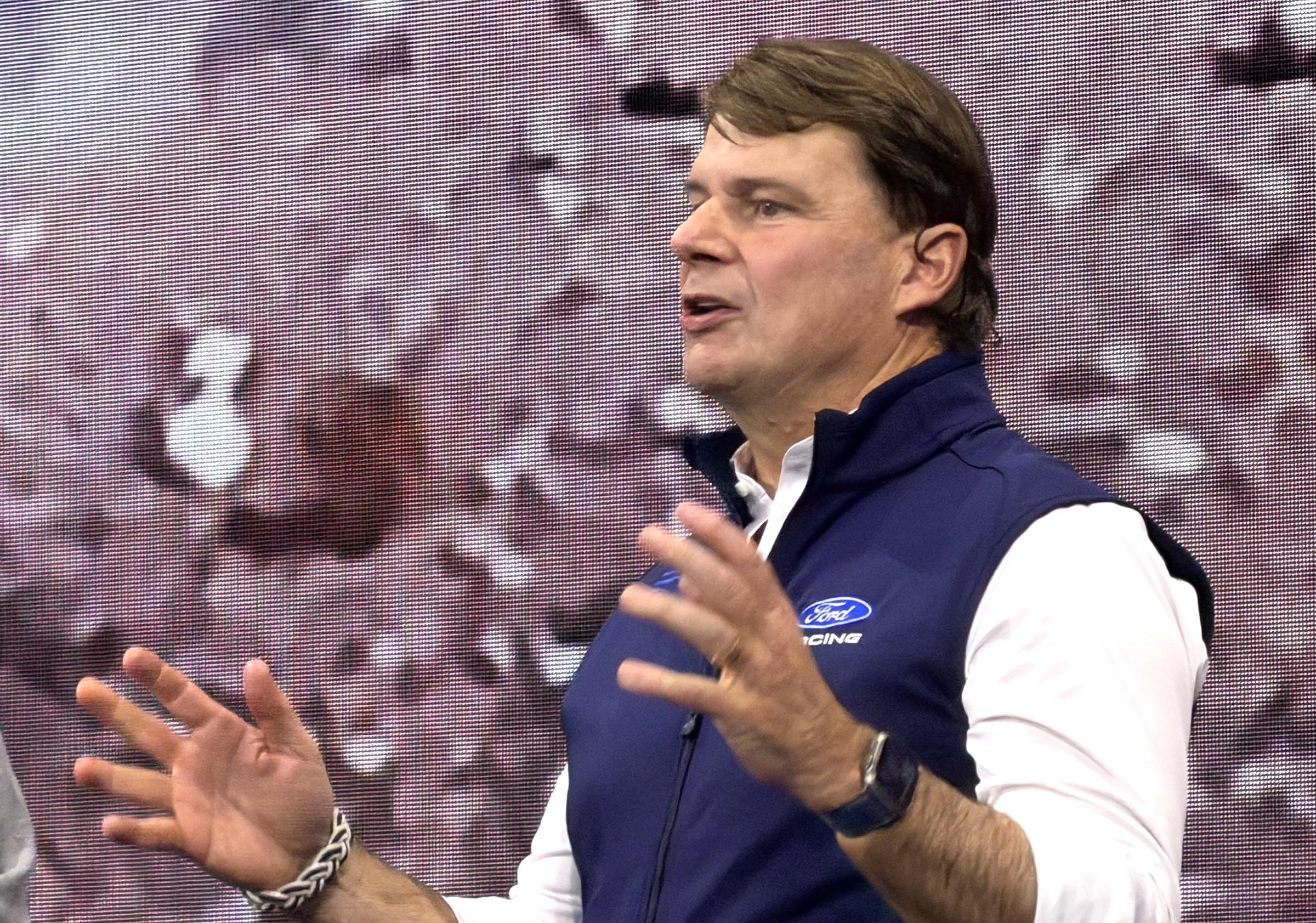
Ford CEO Jim Farley has warned that Chinese automakers could pose an “existential threat” to established automotive brands.
Jeremy Robb, an analyst with Cox Automotive, noted recently, the US has had a strong automotive industry for many decades, but the market is global with production, sourcing, and sales occurring all over the world.
Protectionist trade policies can help but typically those gains are more short-term, he stressed.
Protectionism can function like a boomerang; meaning it could come back and present some risks to our automotive industry in future years.
“The global economy is vast and dynamic, and some big players will continue to knock on our borders and want to be let in,” wrote Robb. “There are long-term risks to how that plays out, and we ALL need to be part of the conversation – both on where we are now, where we are going in the future, and how we can lead on a global stage.”

0 Comments