
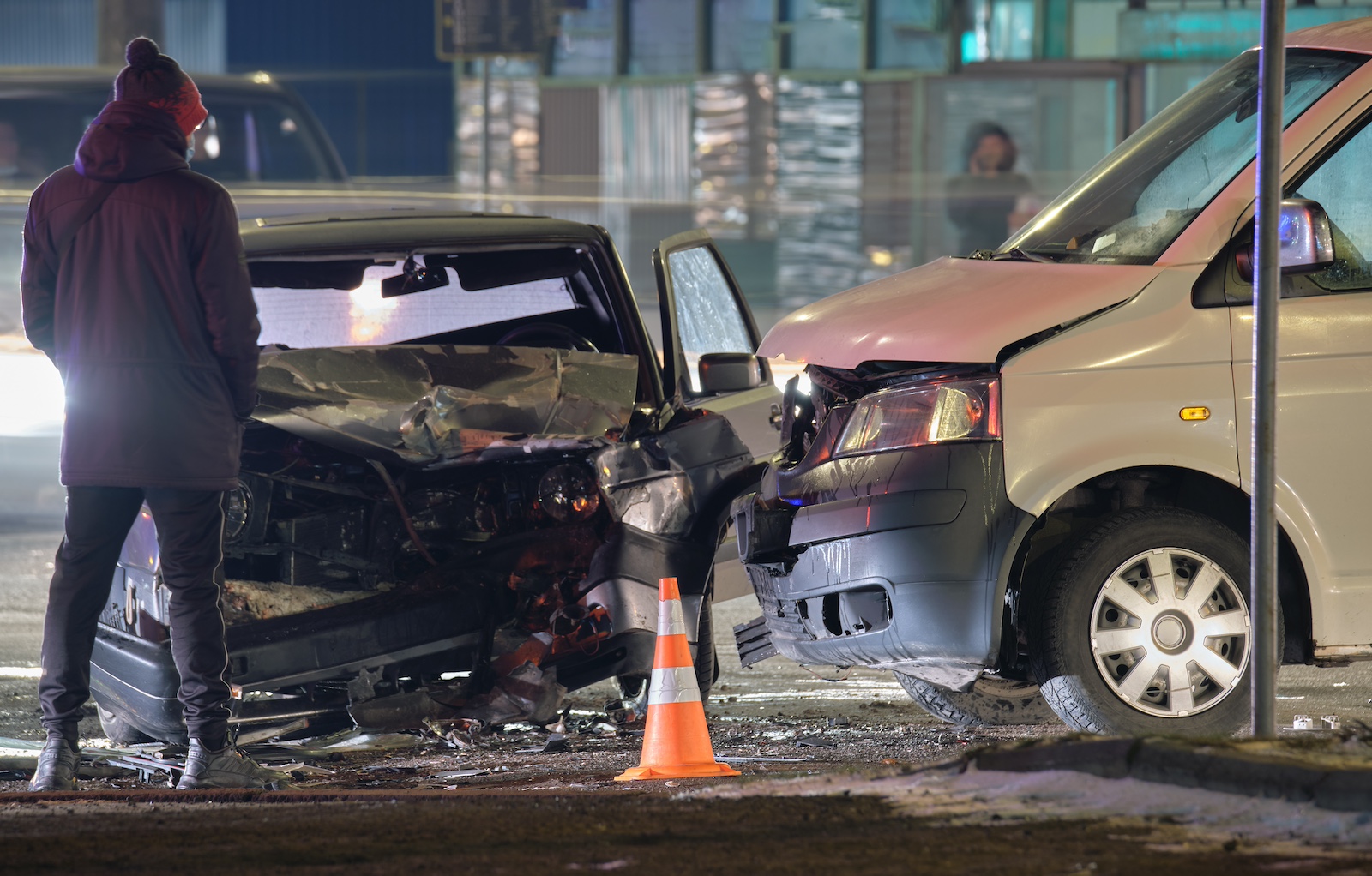
Call it a big batch of “no kidding,” but a new study from the Insurance Institute for Highway Safety (IIHS) shows that drivers small cars and sports car face a greater chance of dying in crash than those behind the wheel of larger vehicles.
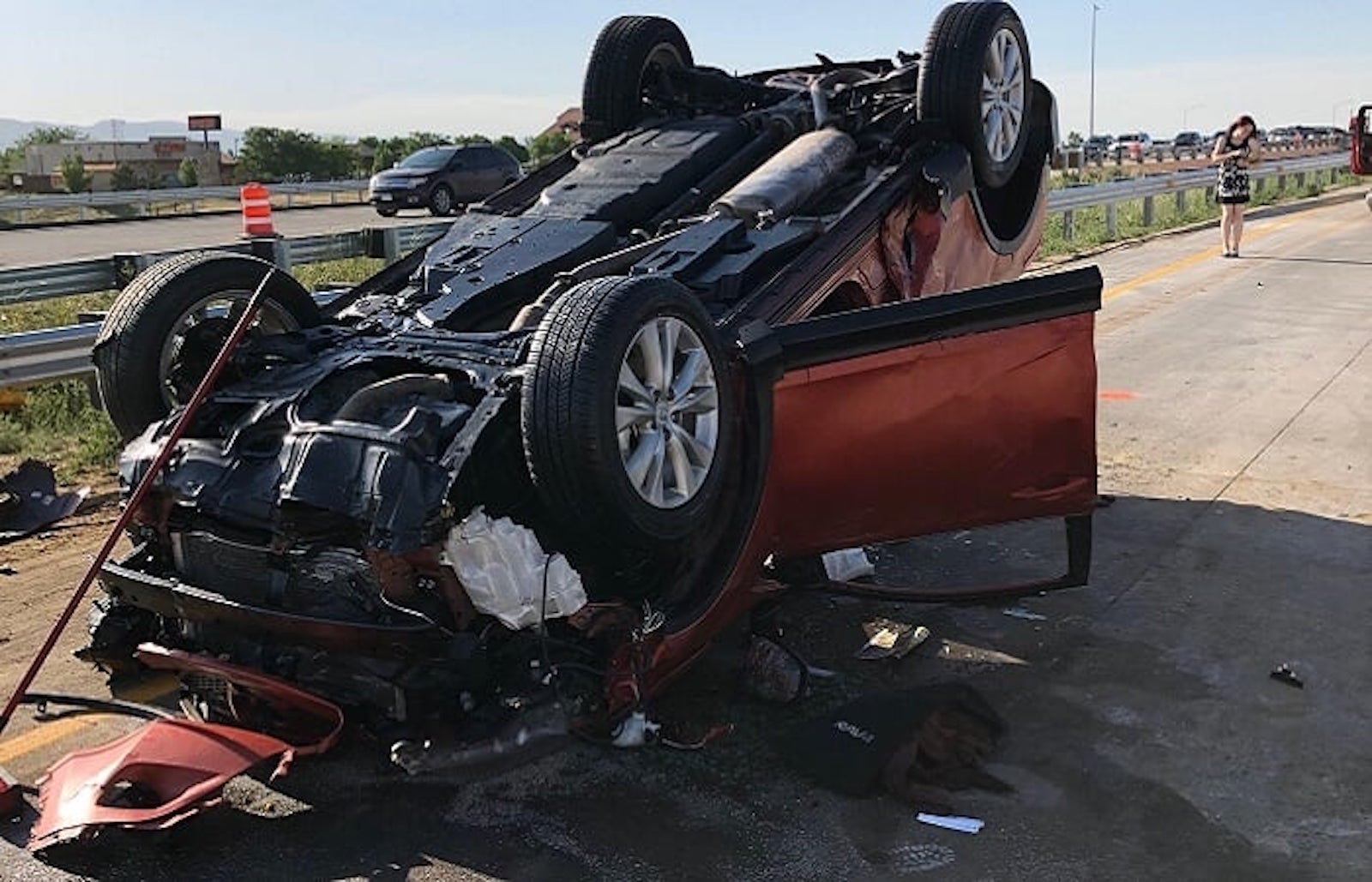
A new IIHS study confirms what many have felt was true for decades.
According to the latest data analyzed by the safety group, more than half of the 2023 model-year vehicles with the highest driver death rates are smaller cars. The Kia Rio topped the list with 170 deaths per million registration years.
As for the vehicle that’s most likely to kill the other driver, well, that’s the Ram 3500 crew cab long bed four-wheel-drive. it had the highest other-driver death rate, at 204 deaths per million registration years.
“Even the safest small cars don’t fare well in crashes with large pickups and heavy SUVs,” IIHS President David Harkey said. “Powerful engines and marketing that attracts aggressive drivers is the issue for sports cars and muscle cars. They’re dangerous mainly because of how they’re driven.”
In the mutually assured destruction category, the Chevrolet Camaro, Chevrolet Malibu and the two-wheel-drive versions of the Dodge Charger and Dodge Charger Hemi feature among both the models with the highest driver death rates and those with the highest other-driver death rates.
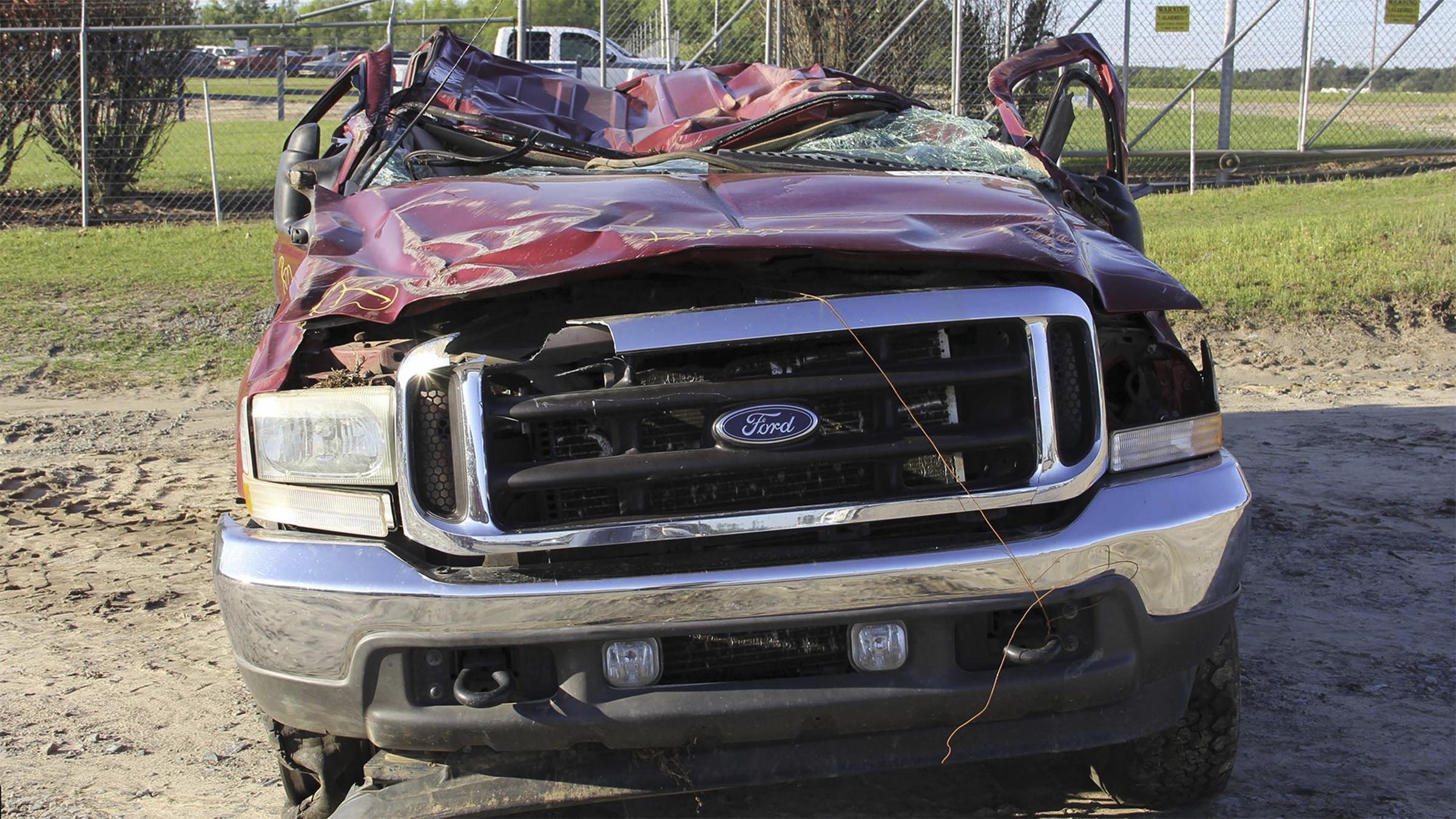
Typically, heavy duty truck drivers fare well in crashes.
About the numbers
IIHS has been calculating driver death rates approximately every three years since 1989. This year marks the second time IIHS also calculated the “other-driver death rate” — the number of drivers in other vehicles killed in crashes with each model. The average driver death rate was 37 drivers per million while the average other driver death rate was 53 drivers per million.
The latest rates are based on fatalities that occurred from 2021 to 2024 for vehicles from the 2023 model year as well as earlier models with the same designs and features, IIHS noted.
The numbers represent the estimated risks for 2023 models, but the data include models from as far back as 2020 if the vehicles were not substantially redesigned over the intervening period. Including these older, equivalent vehicles makes the sample size larger and therefore increases the reliability of the results.
Several vehicles finished with zero deaths, including the Audi Q7 4WD, BWM X7 4WD, Chevrolet Tahoe 4WD, Mercedes-Benz GLB-Class 4WD, Mercedes-Benz GLE-Class 2WD, and Toyota Tundra CrewMax 4WD. And while most of those vehicles would be classified as large by most people, and mass plays a role the final tally, IIHS experts noted that how a person drives is critically important in the final numbers as well.
We’re all gonna be all right
When it came to incidents where the drivers of both vehicles came out all right in a crash, there was a lot of crossover of the same names. Additionally, luxury SUVs generally carried the category, using IIHS numbers.
All but one of the six models that feature among the vehicles with both the lowest driver and other-driver death rates are luxury SUVs.
The models on both these lists are the BMW X5 four-wheel-drive, BMW X7 four-wheel-drive, Porsche Cayenne four-wheel-drive, Volkswagen Atlas four-wheel-drive, Volvo XC60 four-wheel-drive and Volvo XC90 four-wheel-drive. The rates include only driver deaths because all vehicles on the road have drivers, but not all of them have passengers or the same number of passengers.
“Size and power matter, as do vehicle crashworthiness and effective crash avoidance systems,” Harkey said. “But these results are also a reminder that a big part of how safe you are behind the wheel depends on how safely you drive.”



Second part of the study found that rain made the roads wet.