
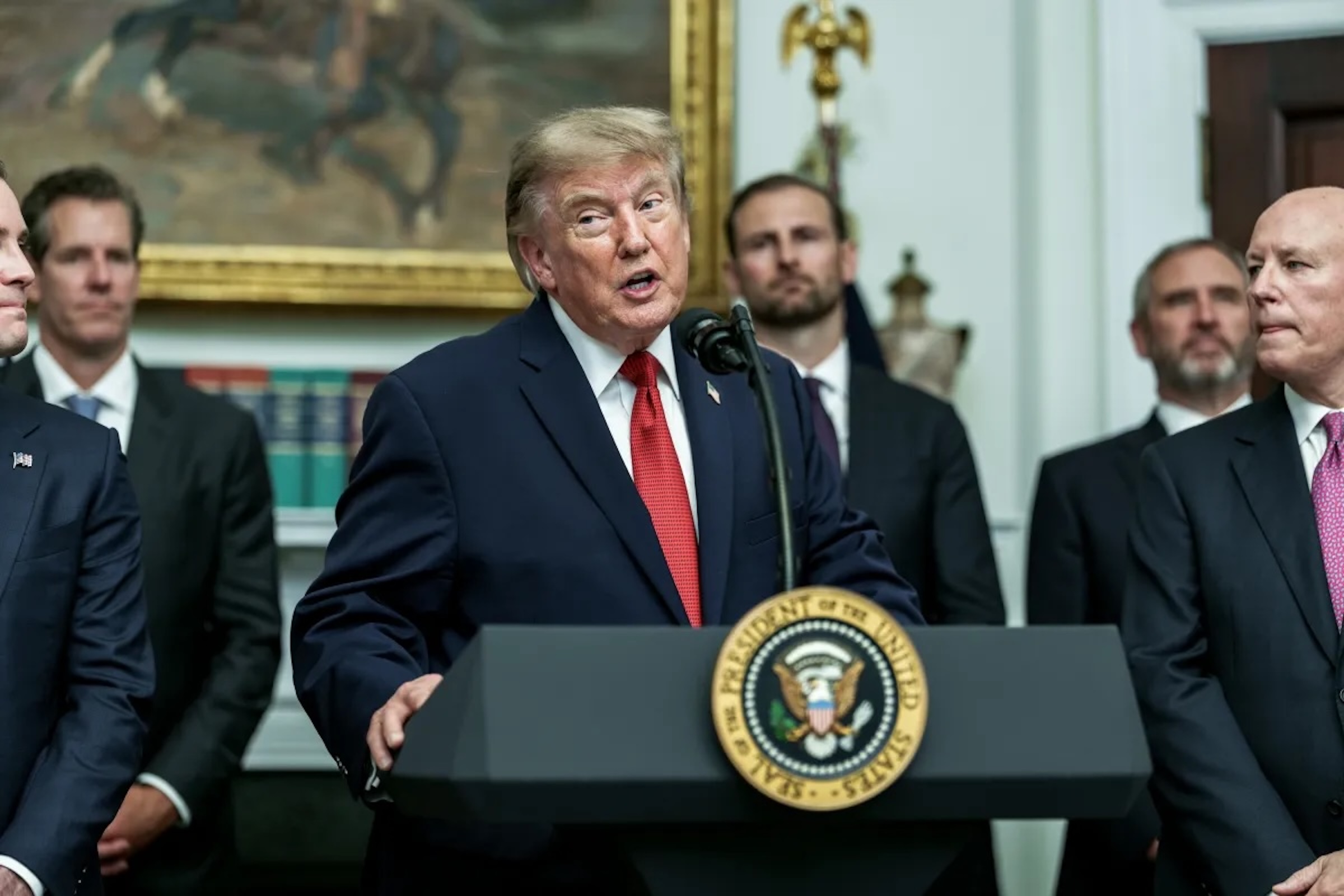
It’s fair to say that the author of “The Art of the Deal” is working in finger paint when it comes to the current round of talks with our neighbors — mostly — to the north, Canada.
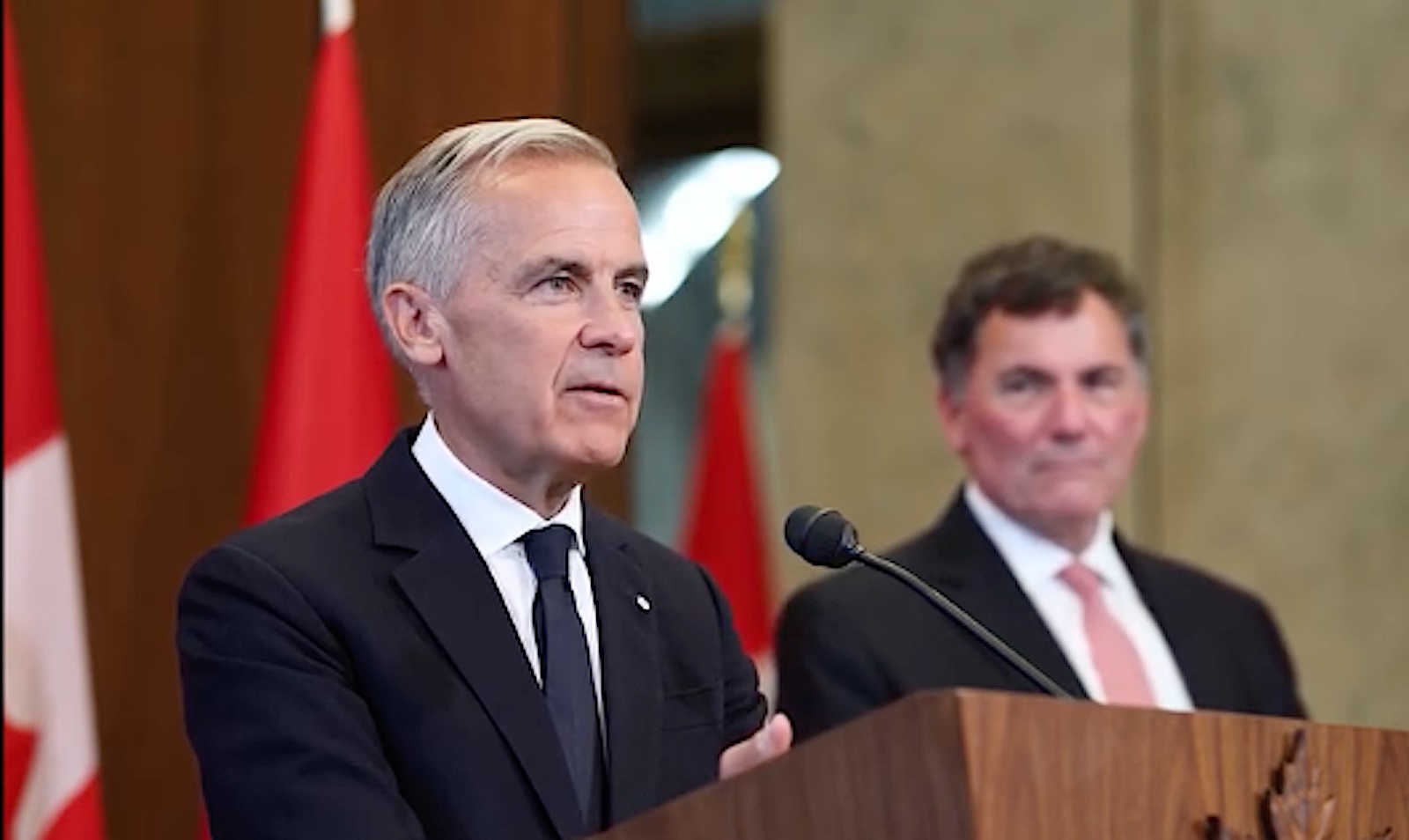
Canadian Prime Minister Mark Carney told Trump and his team the latest trade deal was unacceptable and would respond in kind with tariffs.
President Donald Trump’s current negotiation strategy remains his only negotiation strategy: Demand too much and then when told it’s too much, implement a new round of tariffs that are likely illegal. As we all know, push came to shove with Canada’s Prime Minister Mark Carney and he pushed back.
“They asked too much and offered too little,” Carney told the media.
Not only did Carney meet Trump where he stood on a new round of tariffs, 50% on $20 billion in goods, he did him one better by telling him they would be implemented Sept. 8, while Trump’s new levies don’t start until Jan. 1
Who will pay
When this game of tariff chicken is played, there are plenty of losers, but the first ones that will get hurt will the auto companies, in particular those based in the Midwest. Bernard Yaros, lead U.S. economist at Oxford Economics, was quick to point out that auto industry margins are already tough in a recent report.
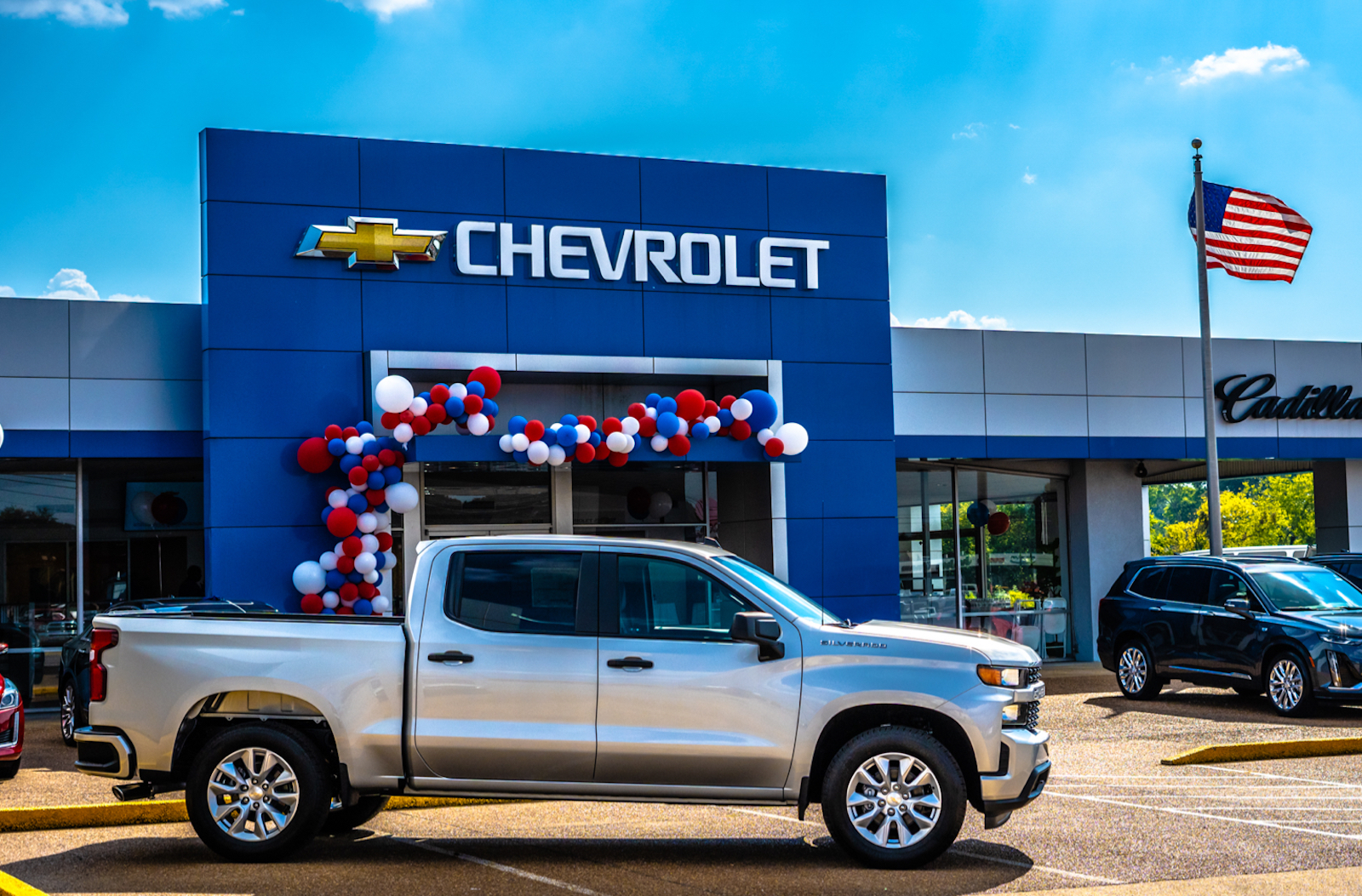
Automakers and dealers are unlikely to eat the majority of the tariff-related costs as they did last time, which will push prices that are already elevated even higher.
He said the 50% tariffs will “disproportionately hurt” Michigan, Ohio and Indiana whose auto sectors depend on Canadian-made components.
“But that cushion is wearing thin,” he added in the report. “The recently threatened 50% tariffs on Canadian autos, trucks, and car parts would feed through to consumer prices more readily than before.”
Higher costs on imports to the U.S. could put an industry focus on vehicles with the highest margins — and the highest price tags: luxury vehicles and full-size pickups. This will affect the same segments in the used car market as well. In short, the last time this happened, automakers and dealers ate a large portion of the cost increases resulting from tariffs — not this time.
Those rising prices will have a broader impact, according to Yaros.
“If the U.S. imposes 50% tariffs on Canadian autos, the inflationary fallout is unlikely to be benign,” Yaros noted, warning that thinning margins could push more costs on to consumers and drive buyers toward the used car market.
MORE AUTO NEWS
- Hybrids Charged Up U.S. Auto Sales
- Has SRT Found the Answer to Turbo Lag?
- Dodge Debuts Charger Super Bee — But There’s More Coming
Get out your checkbooks
By all accounts, affordability is the number one issue consumers are dealing with when it comes to buying a new car, truck or crossover. It’s safe to say that getting a good deal is at or near the top of all shoppers’ minds when it comes to purchasing a new vehicle in any climate, but much more so in these precarious times.

Millions of buyers are finding themselves priced out of the new vehicle market.
The price of a new car was nearly $50,000 in July, which comes to a monthly payment of $763 — a 2.3% increase from the same time last year. While on the surface, prices are going up a just a bit — instead of a lot — it’s because it’s tougher to find cheaper cars. New vehicle sales are expected to drop 8.5% compared to last August.
Affordability is influencing more purchase decisions, Cox Automotive analysts noted. Vehicle prices remain elevated, and affordability has become an increasingly important consideration across the market. And while automakers were optimistic earlier this year because of billions of dollars in tariff-based refunds are supposed to be coming to their bottom lines, the Trump administration is digging deep for this round of tariffs.
Not so fast
While Trump was critical of the Supreme Court’s February ruling saying the original tariffs he levied exceeded his authority, he’s also smart enough to not make the same mistake twice … or at least the exact same mistake.
“Canada is easily the most difficult and unreasonable. They feel entitled, but they are not a State, and will be entitled no longer!” he said in a release. “Canadian leadership chose retaliation over partnership — and America is no longer willing to carry them.”
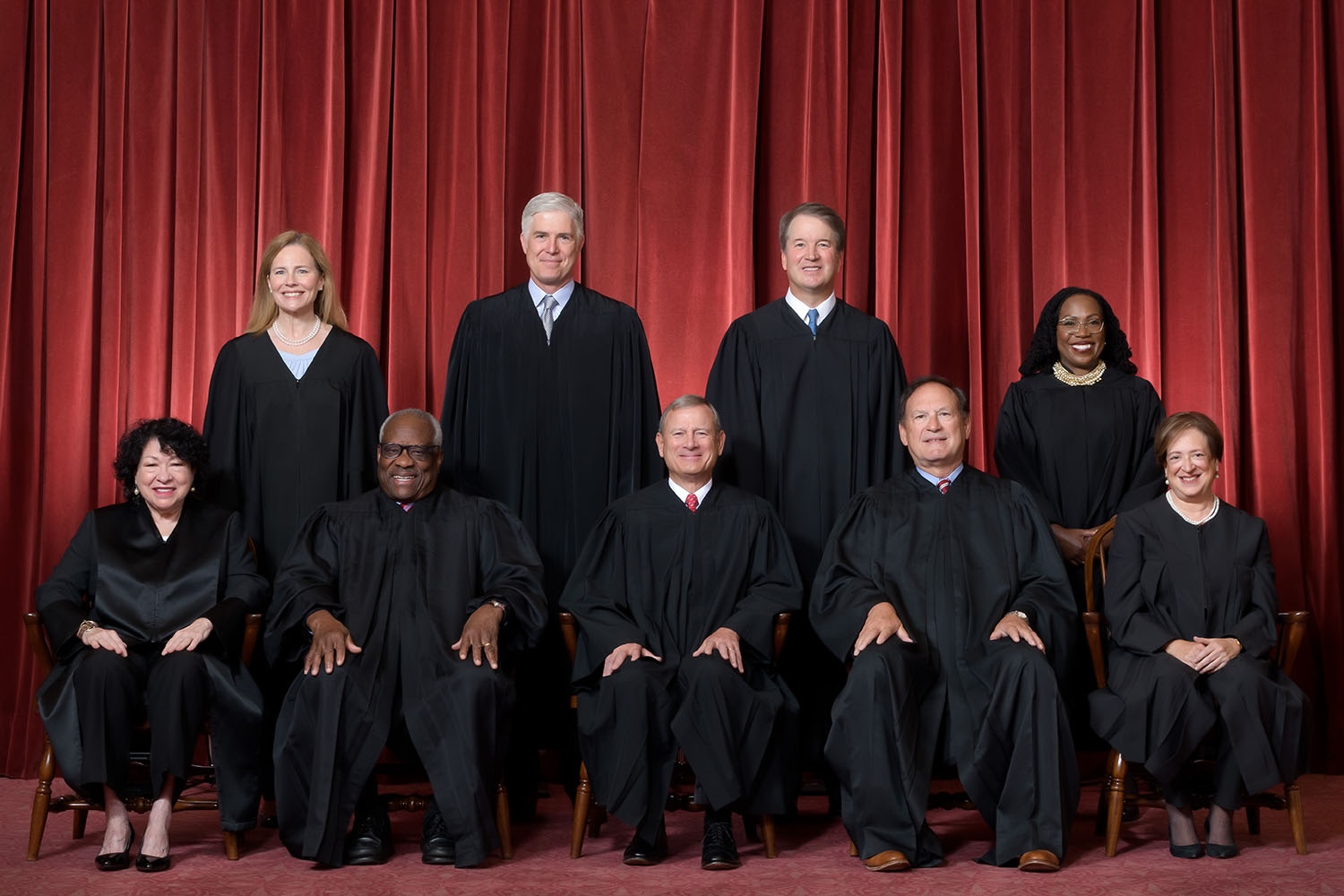
The U.S. Supreme Court voided the Trump administration’s last attempt to levy tariffs. Will they do so again this time around?
Trump made this known after he and his advisers looked for — and found — other legal authority to justify this round of tariffs: Section 338 of the Tariff Act of 1930. The U.S. Congress passed the 1930 tariff law, better known as the Smoot-Hawley tariffs, imposing taxes on imports from around the world.
Section 338 has never been used before to impose tariffs, but it authorizes the president to slap import taxes of up to 50% on imports from countries that have discriminated against U.S. businesses. No investigation is required to justify the levies. Nor is there any limit on how long they can stay in place. It should be noted that the Smoot-Hawley tariffs are blamed by economists and historians for limiting world commerce and exacerbating the Great Depression.
Also noteworthy is that no lawsuits have been filed challenging the new tariffs, but the Liberty Justice Center, which represented challengers in the previous suits against the tariffs that were struck down by the Supreme Court, is reportedly seeking plaintiffs.
Just the prelude
It should be noted that the talks between the U.S. and Canada are designed to “clean up” niggling little issues about trade. America’s trade representatives are engaged in similar discussions with Mexico, and they seem to be going along just fine — despite Mexico virtually agreeing with Canada on the same issues.
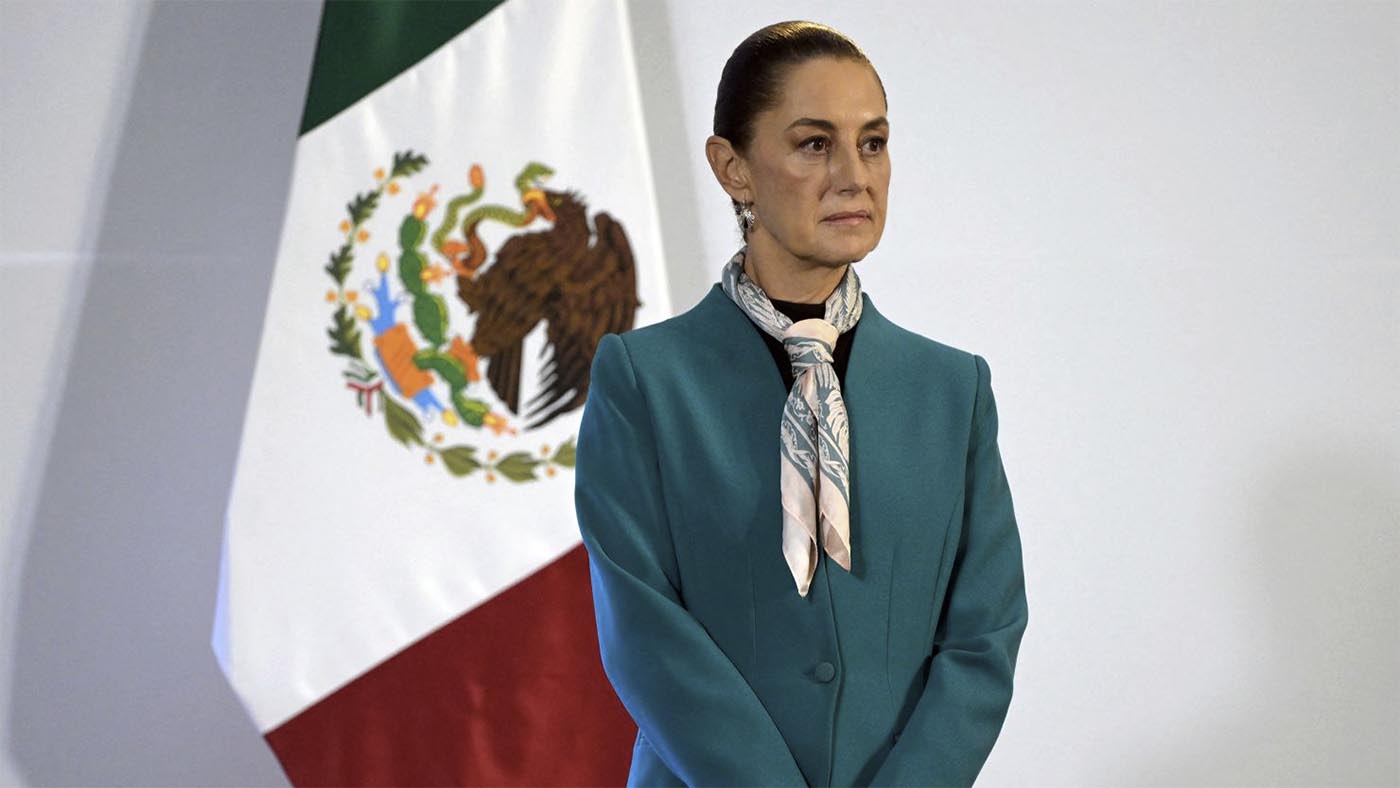
Many of the most affordable models on the U.S. market are assembled in Mexico, and President Claudia Sheinbaum continues to calmly say the two sides can reach an agreement.
The difference? Mexico’s strategy of mollification seems to be working — for now. All three parties need to get together in trilateral discussions to hammer out the next version of the USMCA or CUSMA or MUSCA — depending upon which country is writing the press release.
In the interim, Trump continues to pursue a trade negotiation strategy that’s failed once already. Even if it is successful this time, victory in this battle will come at what cost? The war? In the meantime, automakers scramble to figure out how best to deal with rising costs for production and prices for consumers.
Car sales have been tough this year, and the uncertainty his strategy brings is likely to highly impact — negatively — the car companies’ and dealers’ bottom lines and crimp an economy that is already seeing some red flags that you don’t want more of in the midterm elections. Polls continue to show Americans disagree with his tactics when it comes to tariffs, yet he continues fiddling …



0 Comments