
This story first appeared on TheCarCollective on Substack. You can read it there…and subscribe…by Clicking Here.
The Fed’s interest rate hike further squeezes both automakers and auto buyers facing rising costs and other headaches triggered by Trump administration policies including tariffs and the war in Iran.
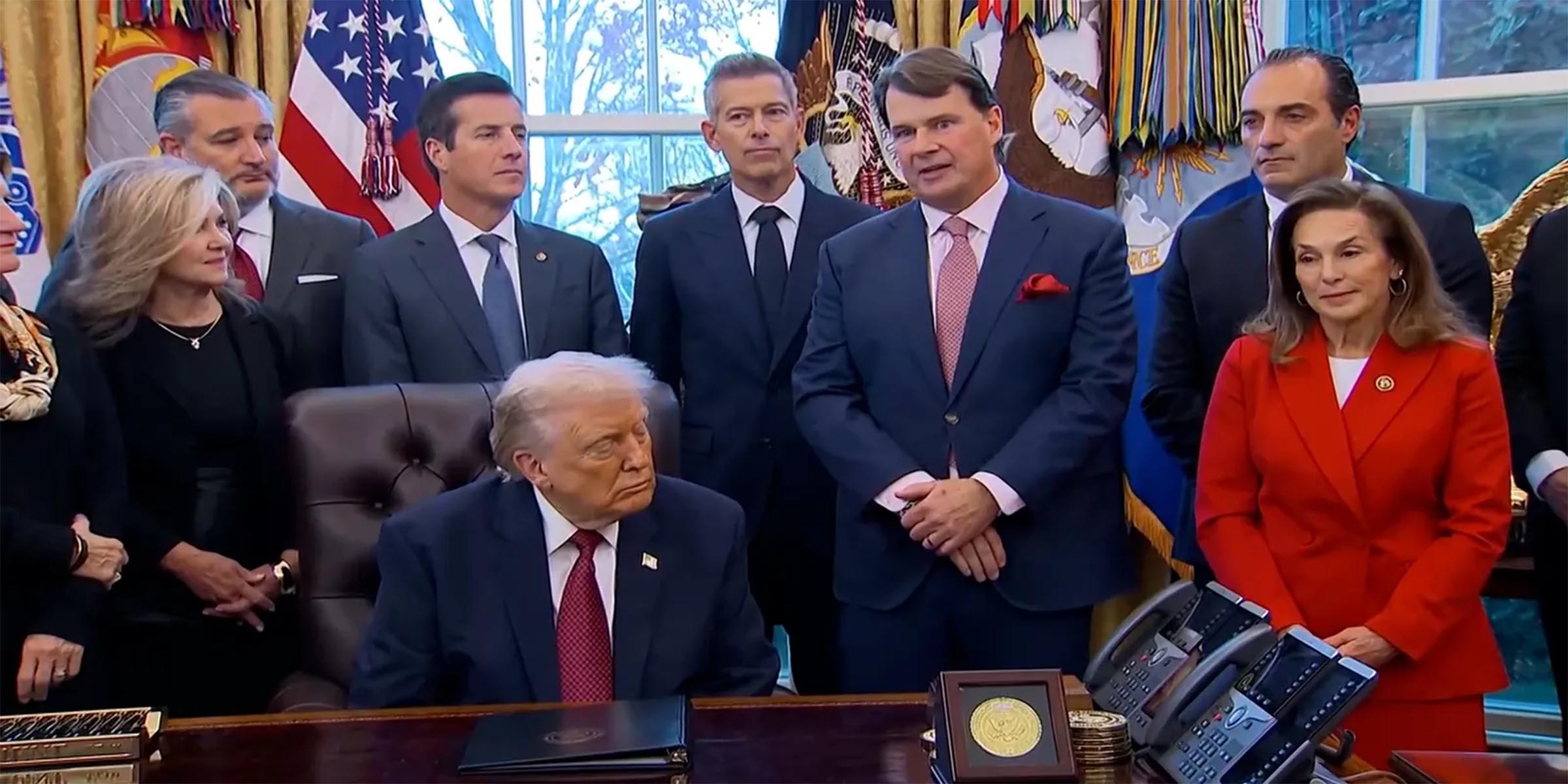
Pres. Trump met with auto industry leaders, including Ford CEO Farley, last December.
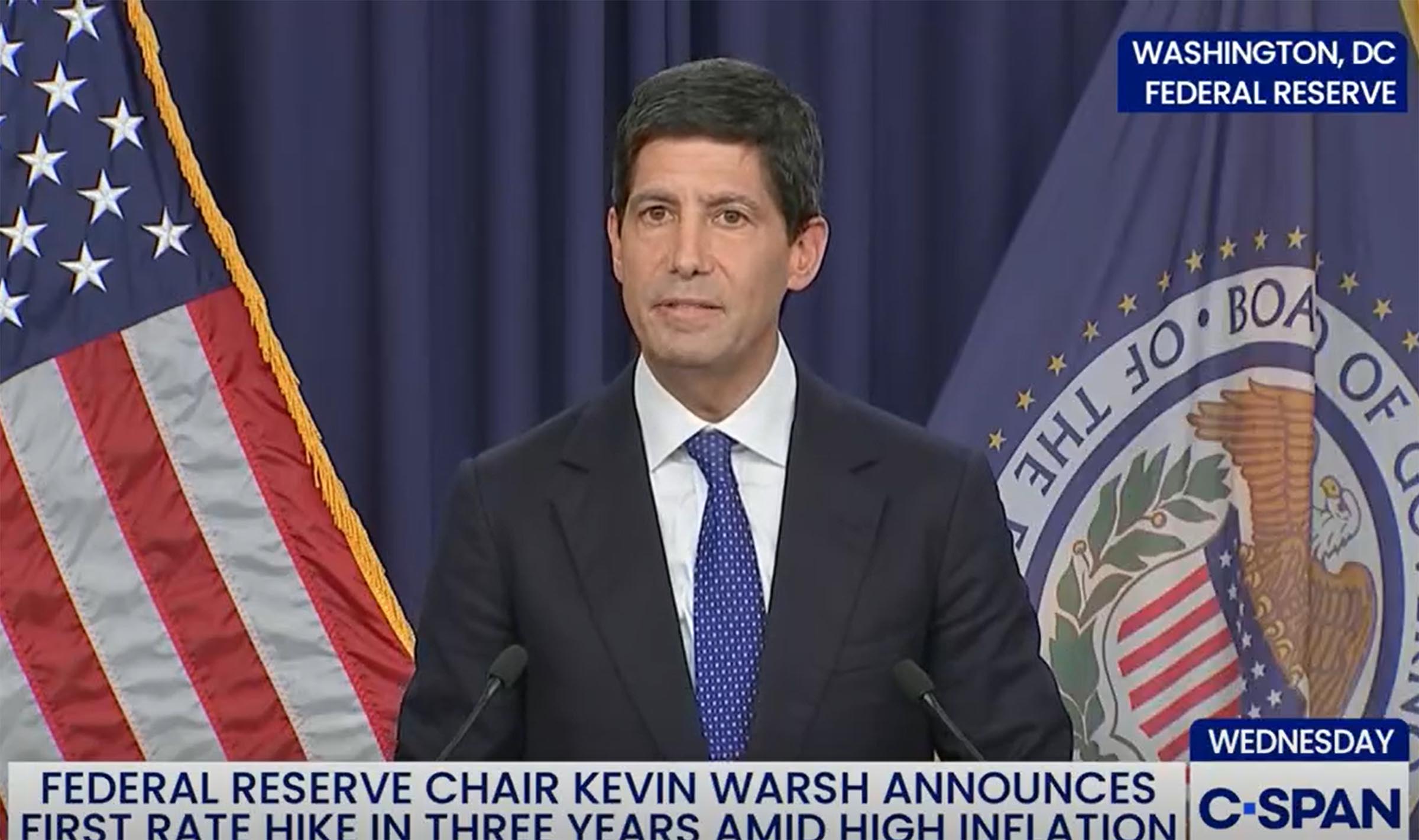
The Federal Reserve on Wednesday raised interest rates for the first time since 2023, while signaling further increases could follow in a bid to rein in rising inflation.
That move is likely to add to the pain of automakers and auto buyers alike. Though a variety of factors play a role, analysts expect it will translate into higher interest rates on automotive loans and put a further squeeze on consumers already facing record transaction prices. Add the higher cost of gas motorists are paying due to the disruptions caused by the Iran War and analysts warn millions of potential buyers may be forced out of the new vehicle market.
That’s enough to create panic in automotive boardrooms. But automakers, meanwhile, also face higher costs for the billions of dollars they routinely borrow for both long-term investments and day-to-day operations. That would lead to further increases in production costs they’d have to pass onto consumers. They’re already struggling under the weight of the tariffs on auto imports, as well as on foreign made aluminum and steel. And, if that’s not enough, uncertain federal policy guidelines, notably when it relates to Canada and Mexico, are making it nearly impossible for industry planners to move forward with billions of dollars in investments.
If there’s a single thread running through all of this it can be followed back to the Oval Office.
Mounting Misery for Builders and Buyers Alike

Auto buyers could see a sharp increase in loan costs coming.
To be clear, the president does not set federal interest rates, though he clearly thought he would have a strong say in the matter when he appointed Kevin Warsh to be the new Federal Reserve Chairman, a position he moved into on May 22, 2026. Warsh soon began signaling more independence than Trump apparently anticipated, however. That led the president earlier this month to warn he might respond to any rate hike by cutting trade with countries where the U.S. runs a trade deficit.
Whether Trump pulls the pin on that hand grenade remains to be seen but he’s made plenty of other moves when it comes to U.S. trade policies that are hammering automakers and auto buyers alike. Trump can’t be blamed for all of the headwinds they face. Even before he returned to office in January 2025, after four years on the sidelines, new vehicle transaction prices were fast on the rise, going from an average $33,993 in January 2015 to $48,641 the month Trump was sworn in for a second term. Twenty months later, however, the figure is $50,089, according to tracking data from Kelley Blue Book.
If anything, experts warn, automotive inflation is likely to accelerate under the weight of Trump administration policy moves. “I can’t say the sky is falling but the pressures on affordability are not easing up,” said Stephanie Brinley, associate director at Mobility Global.
Buyer Beware
New vehicle prices have gone up 47% since 2015, with a particularly sharp rise since Trump took office in January 2025.
Average transaction prices – which factor in sticker prices, discounts and options – have risen 47% since January 2025, well ahead of not only the overall rate of inflation but the pace of consumer income growth. That’s driven millions of motorists out of the new vehicle market, and another million or more could find themselves priced out this year, cautioned Sam Abuelsamid, lead analyst with Telemetry Research.
Even before the new Fed rate hike automotive interest rates stood at a challenging 6.35% APR for new vehicles, up from a low of 4.1% in 2015. (Used vehicle customers could expect a rate of 11.26% — if they had good credit.) The typical new vehicle buyer is now saddled with financing of $43,920, reports Experian, that debt stretched out over an average 60 months. The average monthly car loan is $748, said Experian, though 20.3% of customers now pay over $1,000 a month. And fully 23.9% of new vehicle loans now are stretched out for 96 months or more.
Expect to see all those figures increase – perhaps substantially – in the very near future. “Auto loan rates tend to track the 10-year Treasury notes and longer-term market rates, and those have been moving higher lately,” Jeremy Robb, chief economist at Cox Automotive, wrote in a recent report. The Fed rate hike is about to provide even more upward momentum, however, Robb warning in a report that buyers could soon see the average loan bill rise by $6 a month. And that doesn’t factor in further increases in the actual vehicle price.
More Auto News
- White House Takes Aim at Ford Over China Ties
- Has SRT Found the Answer to Turbo Lag?
- Dodge Debuts Charger Super Bee – But There’s More Coming
Pain at the Pump
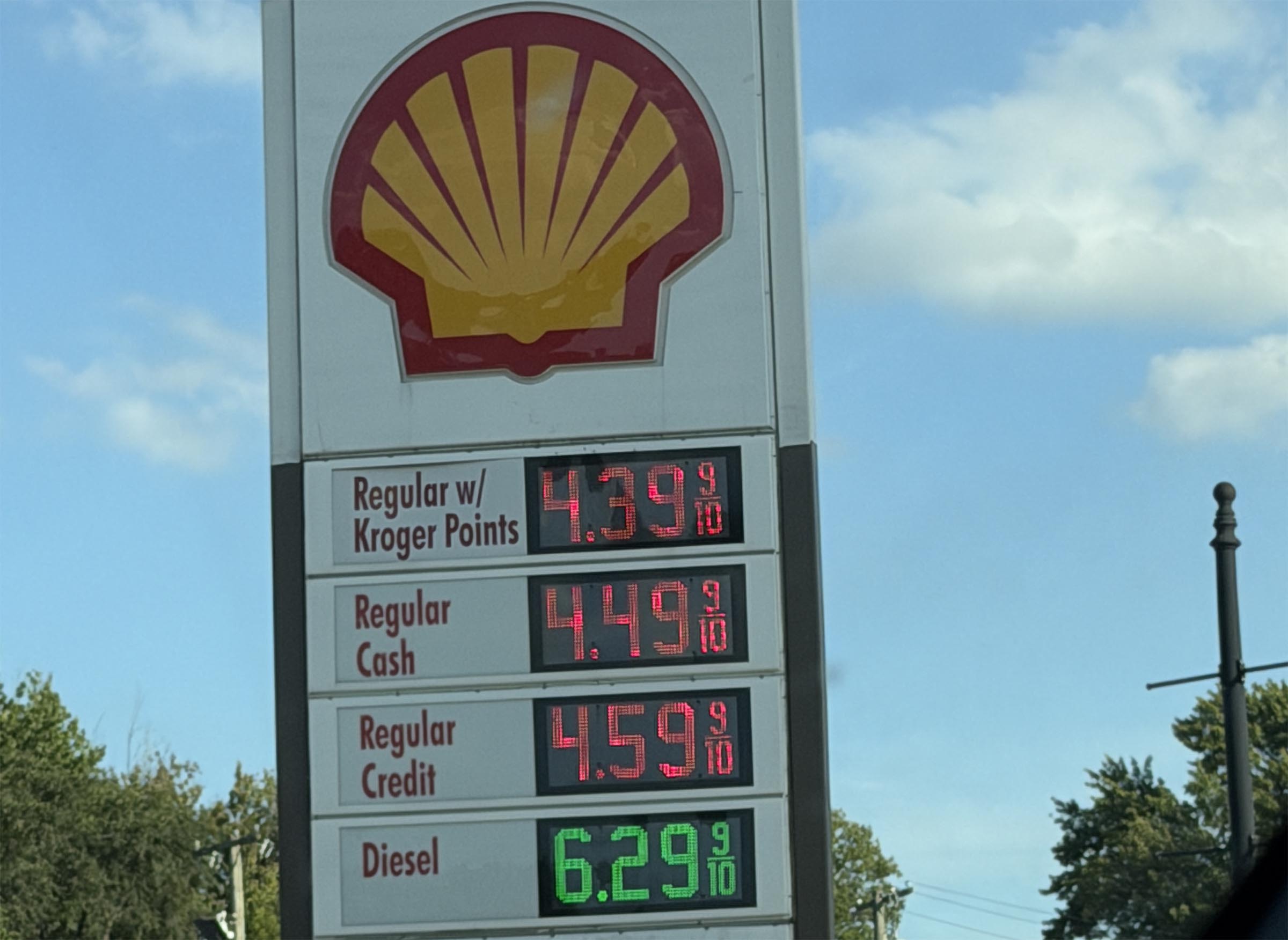
Gas prices are approaching new highs, while diesel is already well past its previous record.
If there’s any good news it’s the fact that the price of regular self-service gasoline has a long way to go before matching the $5.0165 per gallon all-time high set on June 14, 2022. But the gap is closing fast. As of Thursday morning, September 17, GasBuddy.com reports a national average of $4.444 per gallon. That’s up 15.2 cents from a week ago and compares with $2.88 a gallon on February 27, 2026, the day before the bombs started falling on Tehran.
While Trump has tried to downplay the impact, insisting higher gas prices are a “very inexpensive price to pay” for national security, one only has to check out social media – or stop at a gas station – to get a sense of what this means for the average consumer. They’re making fewer unnecessary trips and consolidating errands to reduce fuel consumption, according to various surveys. But a study by research firm Upside also finds American consumers cutting back on groceries. “More than a third of shoppers stopped buying ‘extra’ items like snacks and specialty foods, and a similar share switched from name brands to store brands,” Thomas Weinandy, principal research economist with Upside wrote in a study for website GroceryDive.com. Other research has suggested Americans are even cutting back on necessities at the grocery store.
While it’s the price of gasoline that consumers are likely to pay the most attention to, the cost of diesel may actually have an even bigger impact on their lives, if less obviously. On September 4, the price of that fuel hit an all-time high of $5,82 a gallon. And it’s been rising fast ever since, hitting a new record of $6.3956 as of Wednesday morning, September 17. As I reported on TheCarCollective last weekend, diesel moves America. Diesel is used to move 76% of the freight shipments in the U.S. – whether by truck, rail, ship or barge, according to federal data. And fuel makes up anywhere from 15% to 30% of the cost of the food we eat, reports the Independent Grocers Alliance, covering farming, processing, transport and refrigeration.
“Pay No Attention to the Man Behind the Curtain”
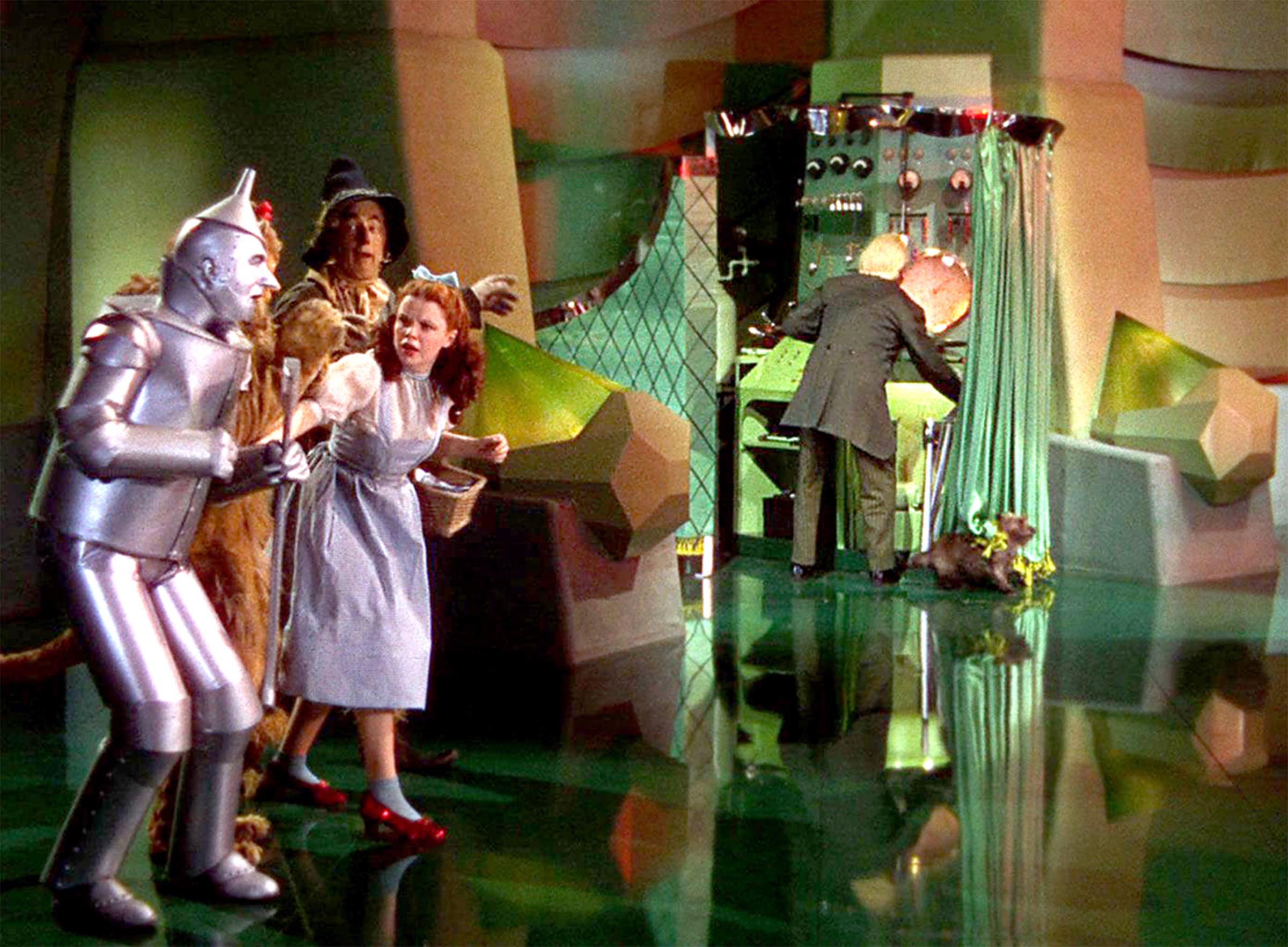
Behind the curtain in The Wizard of Oz. Photo courtesy: MGM.
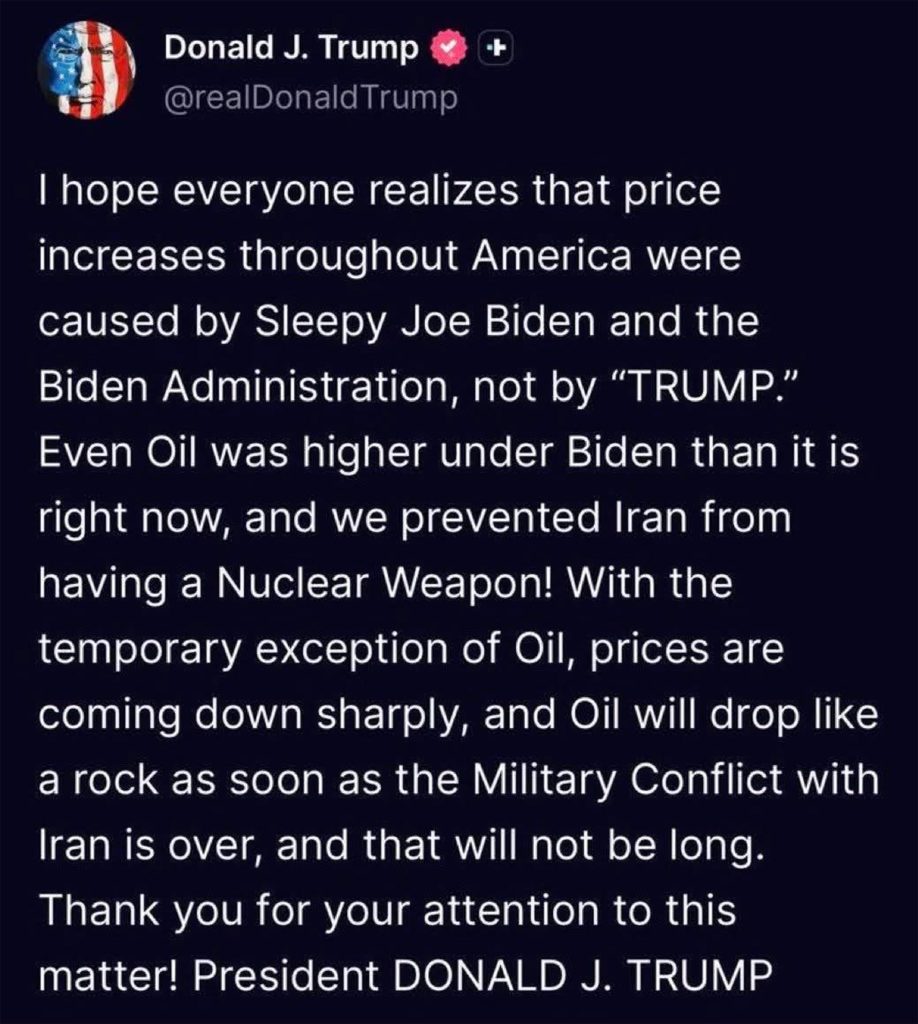
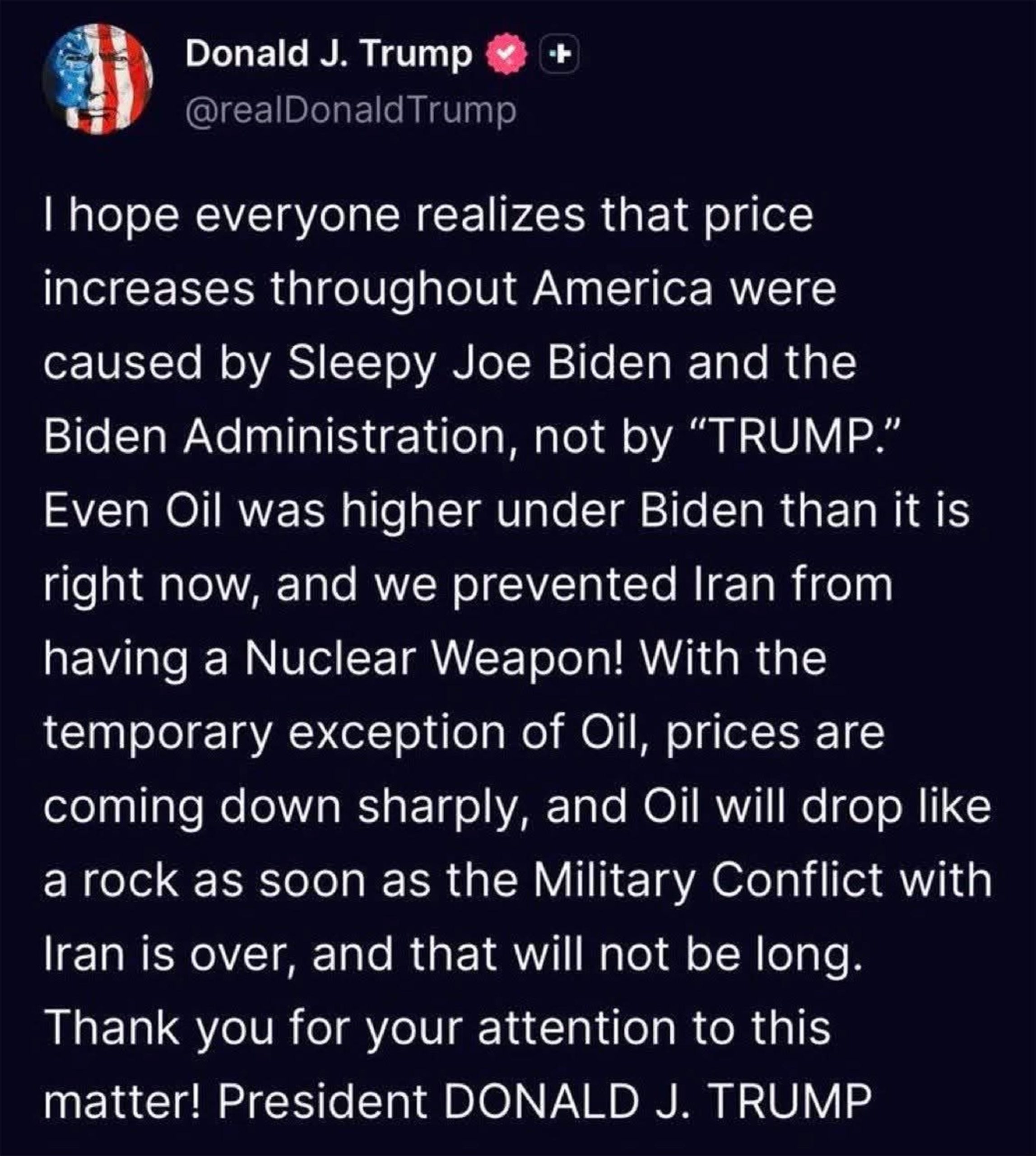
Pres. Trump continues to downplay the impact of policies like the Iran War. And when faced with realities, such as record diesel prices, he has either dismissed them or promised they will “come tumbling down” after the mid-terms. In fact, there’s a growing consensus fuel prices will remain high – if not at record levels – well into 2027.
If anything, the situation could “get ugly” before it gets better, Eugene Lindell, head of refined products at consultancy FGE NexantECA, recently warned in an interview with Bloomberg. The worsening situation in the Mideast, with Yemen’s Houthi rebels threatening to block Saudi Arabian oil shipments through the Red Sea, underscores such pessimism.
But it’s not just consumers who are feeling the pinch. If anything, the situation may be even more problematic for the auto industry.
 Automakers Under the Gun
Early on, many automakers lent support to the Trump administration and appeared to be rewarded through a variety of favorable policy moves:
- The rollback of federal fuel economy standards and the decision not to collect fines from manufacturers who have missed mileage standards – something that has saved Stellantis, for example, about $590 million;
- Backing away from strict federal EV mandates – while also barring California from setting its own unique quotas;
- Providing new tax credits under the One Big Beautiful Bill;
- Tightening trade restrictions limiting Chinese access to the U.S. auto market.
But the flip side has proved far less favorable. For one thing, the industry has booked roughly $55 billion in write-downs due to Trump’s EV policies. Here Stellantis had to write down $26.5 billion for scrapped product plans and payments to suppliers.
Uncertainty is the Biggest Enemy
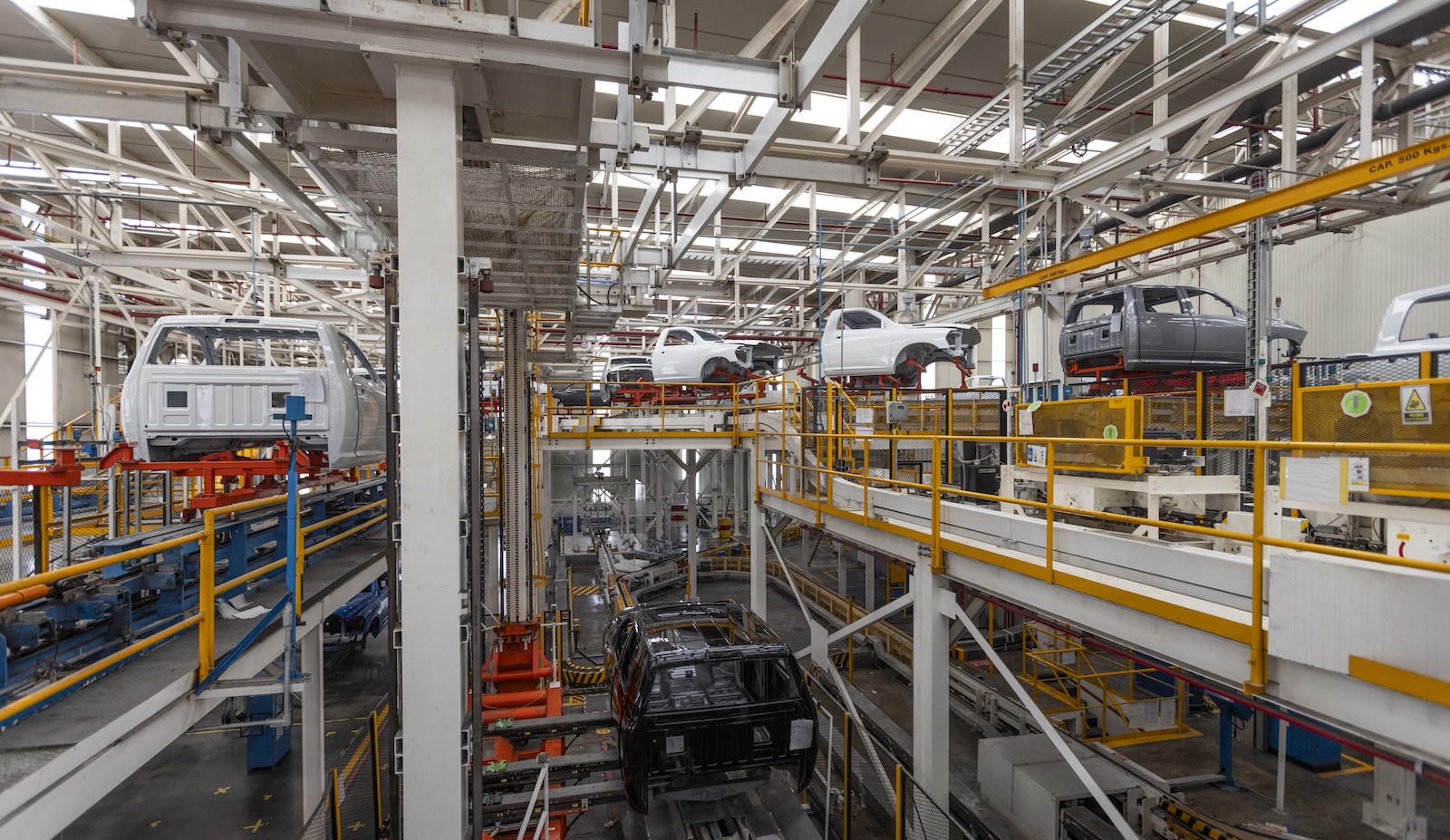
The trade war threatens to unravel a continent-wide manufacturing network, a Stellantis plant in Mexico seen here.
Arguably the biggest challenge for the auto industry is uncertainty. Yet that’s the environment manufacturers face today. Again, it’s not entirely the president’s fault. But he has introduced a level of ambiguity not seen in the business in decades. Trump’s trade policies, in particular, have created “a lot of cost and a lot of chaos,” lamented Ford CEO Jim Farley.
Even during his first term in office, Trump spoke favorably of the impact of tariffs. Since returning to office he has made trade policies a cornerstone of his administration. The U.S. Supreme Court stepped in to block some of those tariffs. But others have been left standing and they fall hard on the auto industry. That includes duties on imported aluminum and steel, About 60% of the aluminum and 30% of the steel used by automakers based in the U.S. come from foreign sources and are subject to Section 232 tariffs.
As one C-level executive recently told me on background, “We can live with clear tariff policies. But the administration is making my life difficult by constantly changing the rules.” That’s particularly troublesome when it comes to trade with Canada and Mexico. Since Bill Clinton signed NAFTA into law in 1993 the auto industry has created a deeply interwoven manufacturing network linking the three North American nations. Indeed, goods, and even vehicles, can often cross borders multiple times without duties before reaching dealer showrooms.
Moving All the Pieces
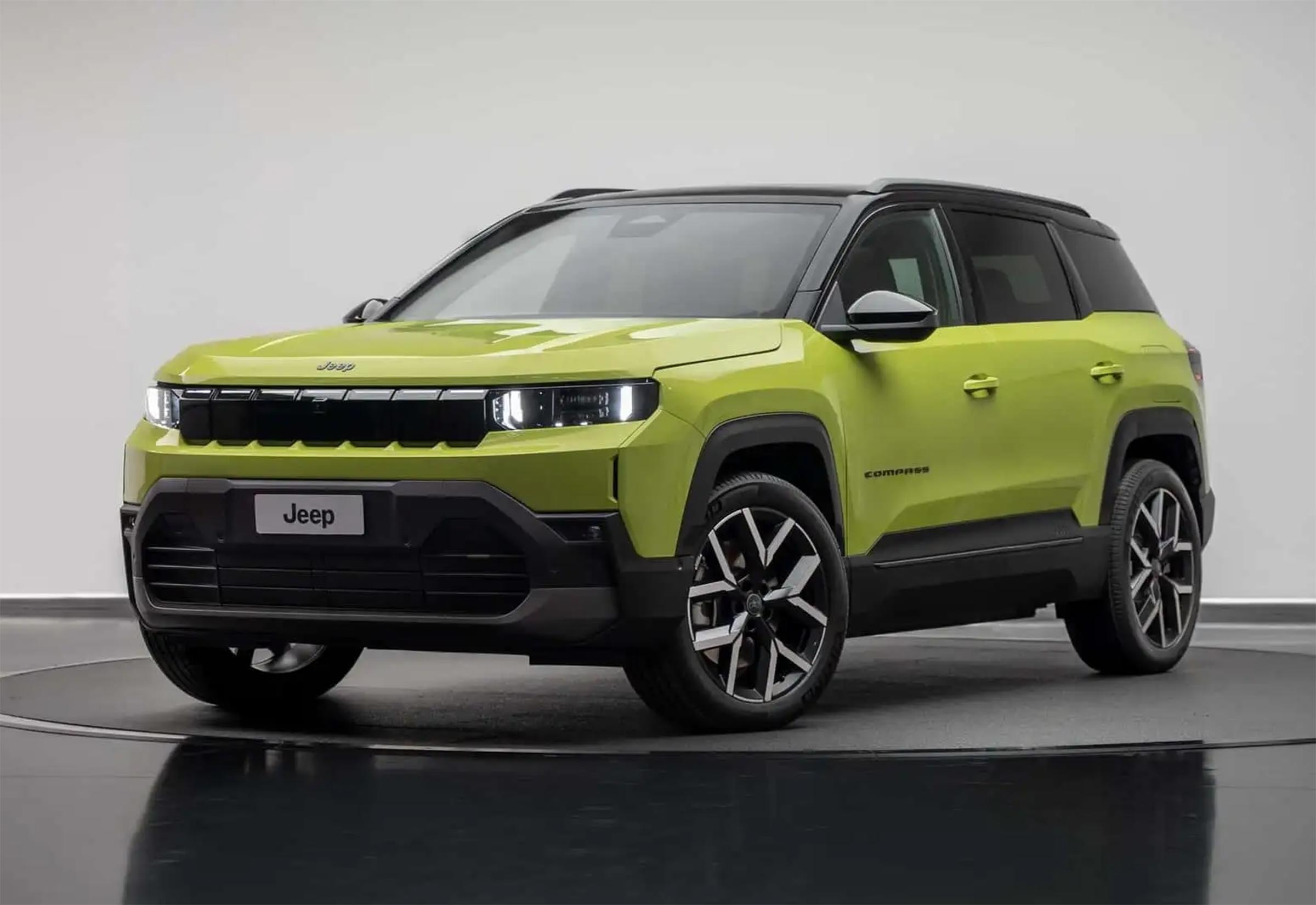
Stellantis plans to move Jeep Compass production from Canada to the U.S.
That may not be the case much longer, especially as Trump has turned the trade issue into a personal battle with Canada. His administration has sharply criticized the United States-Mexico-Canada Agreement that replaced NAFTA – a trade deal Trump himself hailed and signed during his first term. The plan now is to let it expire, at least as is, though that won’t happen until July 2036. In the meantime, Trump has cited “unfair treatment” as justification for putting in place 50% tariffs on Canadian-made autos and auto parts starting this coming New Year’s Day.
Across the industry, automakers cite the ongoing trade disputes touched off by the president as reason why billions of dollars in investments have been put on hold. In some instances, however, they’re starting to move the pieces around the map, fearing that we may have reached the end of the continent-wide manufacturing network that took decades to assemble. A number of automakers are reportedly looking at moving production back to the U.S., Stellantis set to relocate the Jeep Compass from a plant in Brampton, Ontario to one in Belvidere, Illinois. It may also move heavy-duty versions of the Ram pickup from Mexico to the States.
The result of all this? Significant disruption to manufacturing operations while automakers wait for clarity from the White House and then adjust production. They’re facing potentially billions of dollars in investments for new plants and warehouses. And this is likely to result in lower economies of scale since they won’t be able to use plants to satisfy demand in multiple markets. One possibility, cautioned analyst Abuelsamid, is a reduction in the number of model lines available to U.S. consumers – especially at the low end of the market.
China Could Get the Green Light
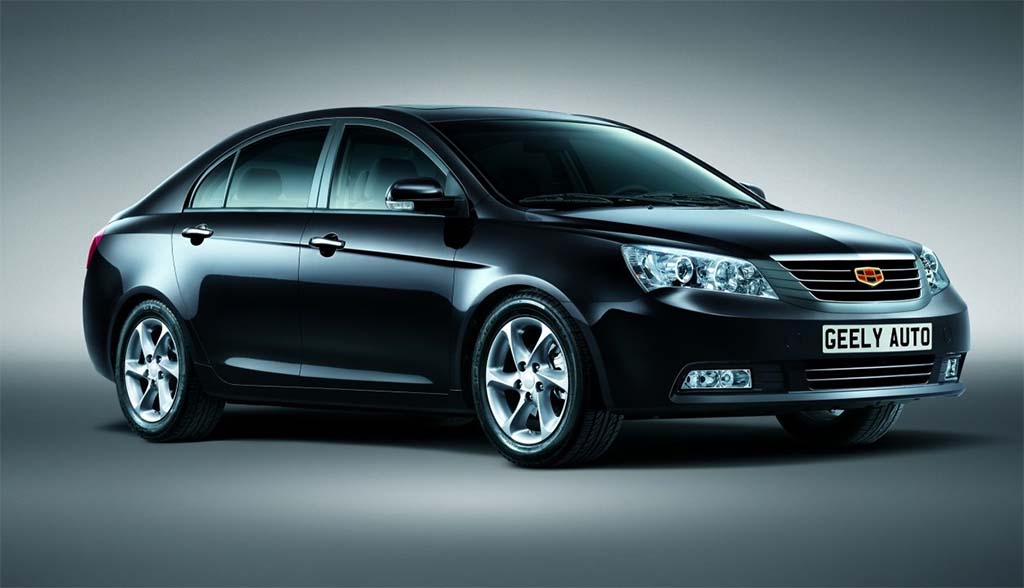
A Geely Emgrand.
On September 23, Trump is expected to personally welcome his Chinese counterpart, Xi Jinping, to the U.S. for a potentially critical summit meeting, troubled trade relations at the heart of their discussions.
Until now, Trump has firmly shut the door on the import of Chinese vehicles. And the administration has taken an aggressively negative stand on seemingly anything involving Chinese autos or auto parts. Earlier this month, U.S. Transportation Secretary Sean Duffy expressed “profound concern” about Ford’s ties to various Chinese companies, including its use of technology from CATL at a new battery plant in Marshall, Michigan.
When it comes to imports, that position isn’t likely to change, he said during a Fox News interview last week. But the president also left open the possibility of encouraging Chinese automakers to set up their own assembly plants in the U.S. “Now, if China wanted to come in, and open a plant to build their cars here, I’d be OK with it — Japan does it — but they hire our people,” Trump said. “The big thing is they hire our people, they use our people.”
That’s set off alarm bells across the industry where the arrival of Chinese automakers has routinely been described as an “existential threat,” and for good reason. With a flood of, new low-priced products, the Chinese have already captured 11% of the European new vehicle market and at least twice that much in key Latin American markets. But such a move could trigger a rare pushback from Capitol Hill where an unusual bipartisan coalition has come behind the proposed Connected Vehicle Security Act of 2026, or CVSA. It codifies a rule put in place by former president Biden in 2024 banning the sale of any vehicle using connected car hardware or software sourced from China. It also would ban not only the sale of Chinese-made vehicles in the U.S., but also any Chinese manufacturing operations on American soil.
What Now?
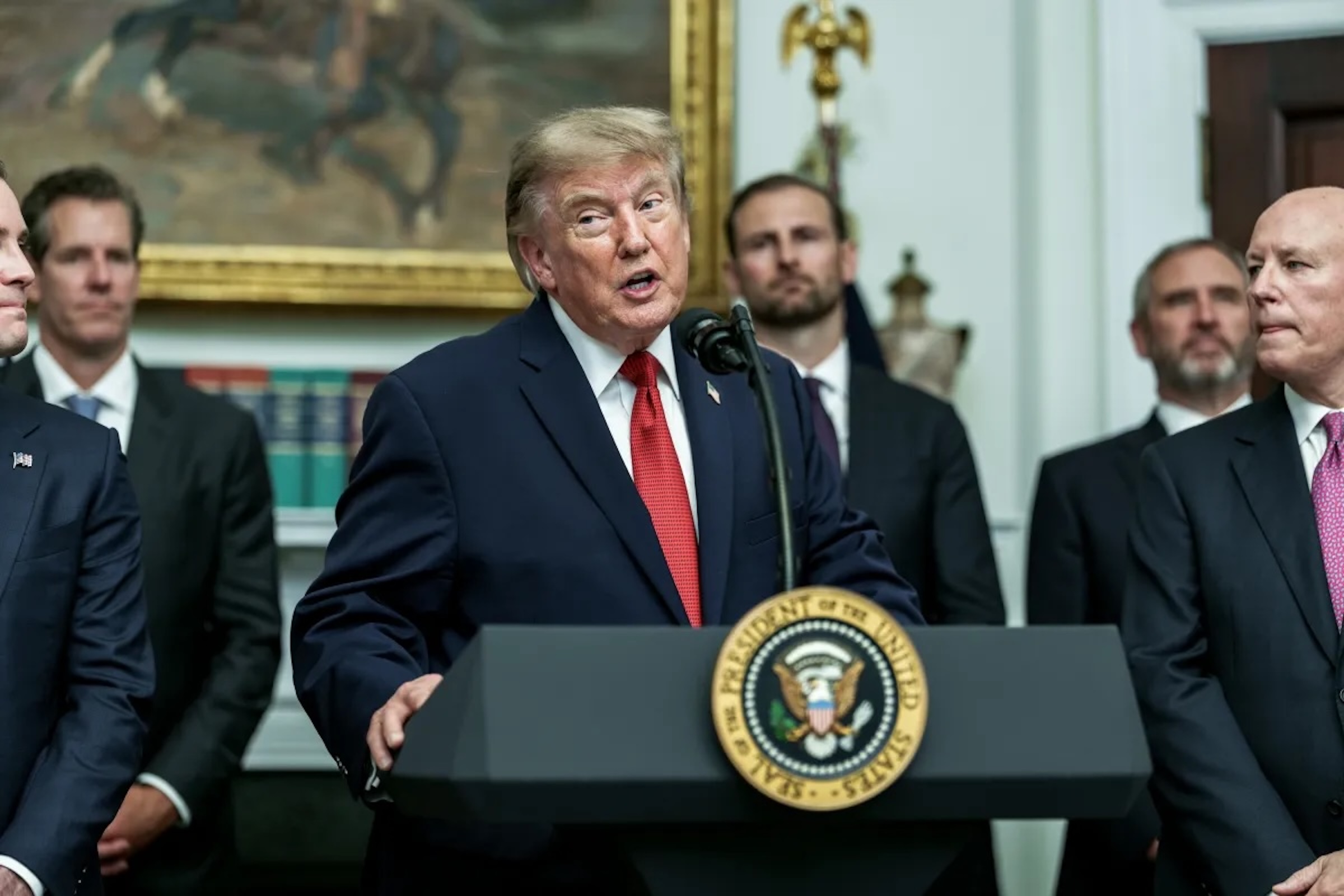
Trump has promised gas prices will drop after the midterm election.
What happens in the coming months is far from certain. As the rate hike by the Federal Reserve made clear, there’s growing concern about runaway inflation. The Fed will meet again in five weeks and there is belief by many observers that regulators will raise rates again this year.
That could mean further hikes in auto loans are in the offing, as well as still higher costs for automakers. In a vicious circle, that would almost certainly mean higher vehicle costs – but lower sales.
Meanwhile, the industry will continue to struggle to cope with the president’s changing strategy on tariffs and trade. That could slow investments further, even while adding to production costs and consumer prices.
Like the rest of the country, automakers will also be watching to see what happens when American go to the polls in less than two months, wondering what the impact might be on administration policies. One concern is the potential chaos that could follow, depending not only on which party emerges on top but how the president will respond to the vote.

0 Comments