
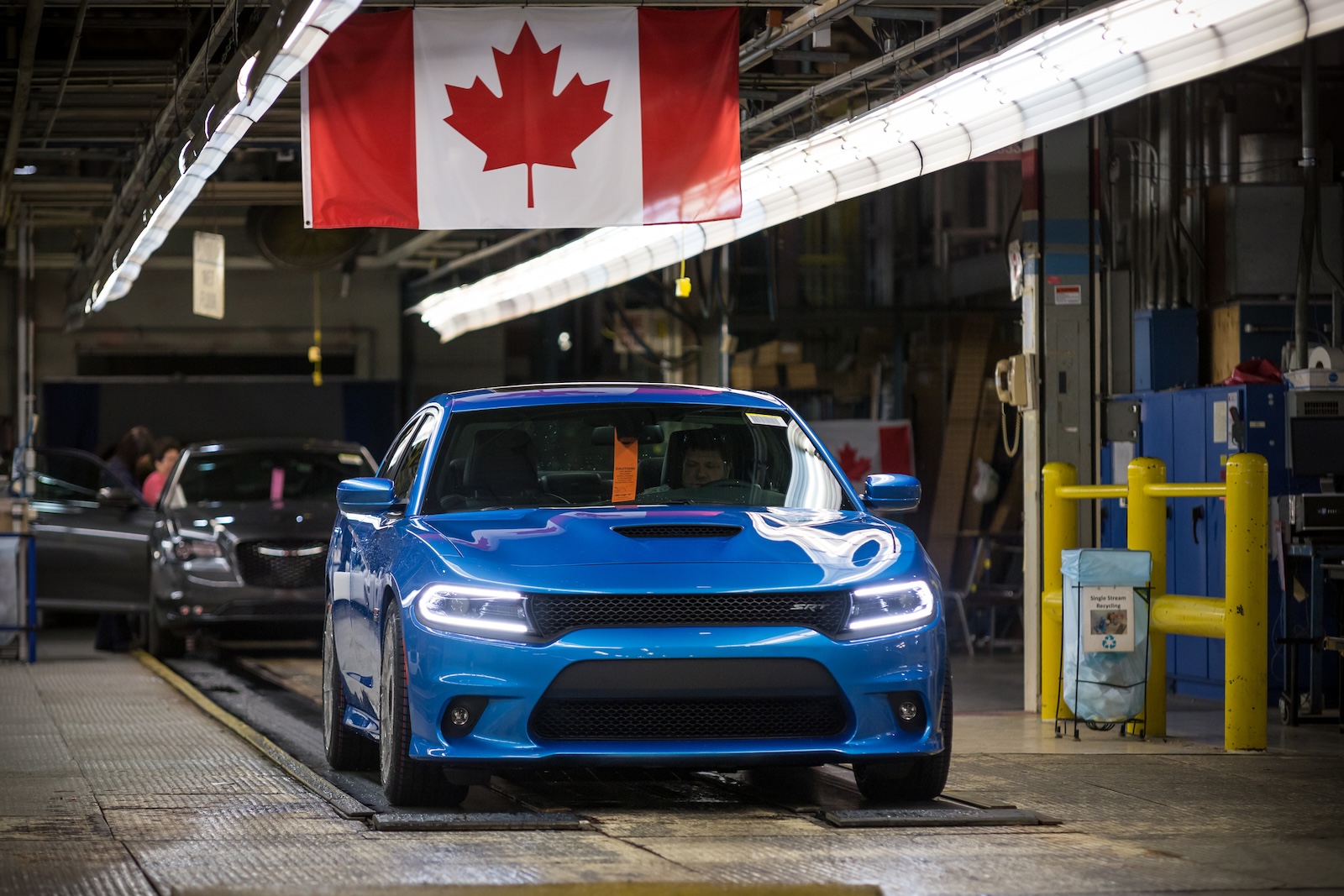
The ax has fallen on as Stellantis has announced it is selling its underutilized assembly plant in Brampton, Ontario to a Canadian defense contractor.
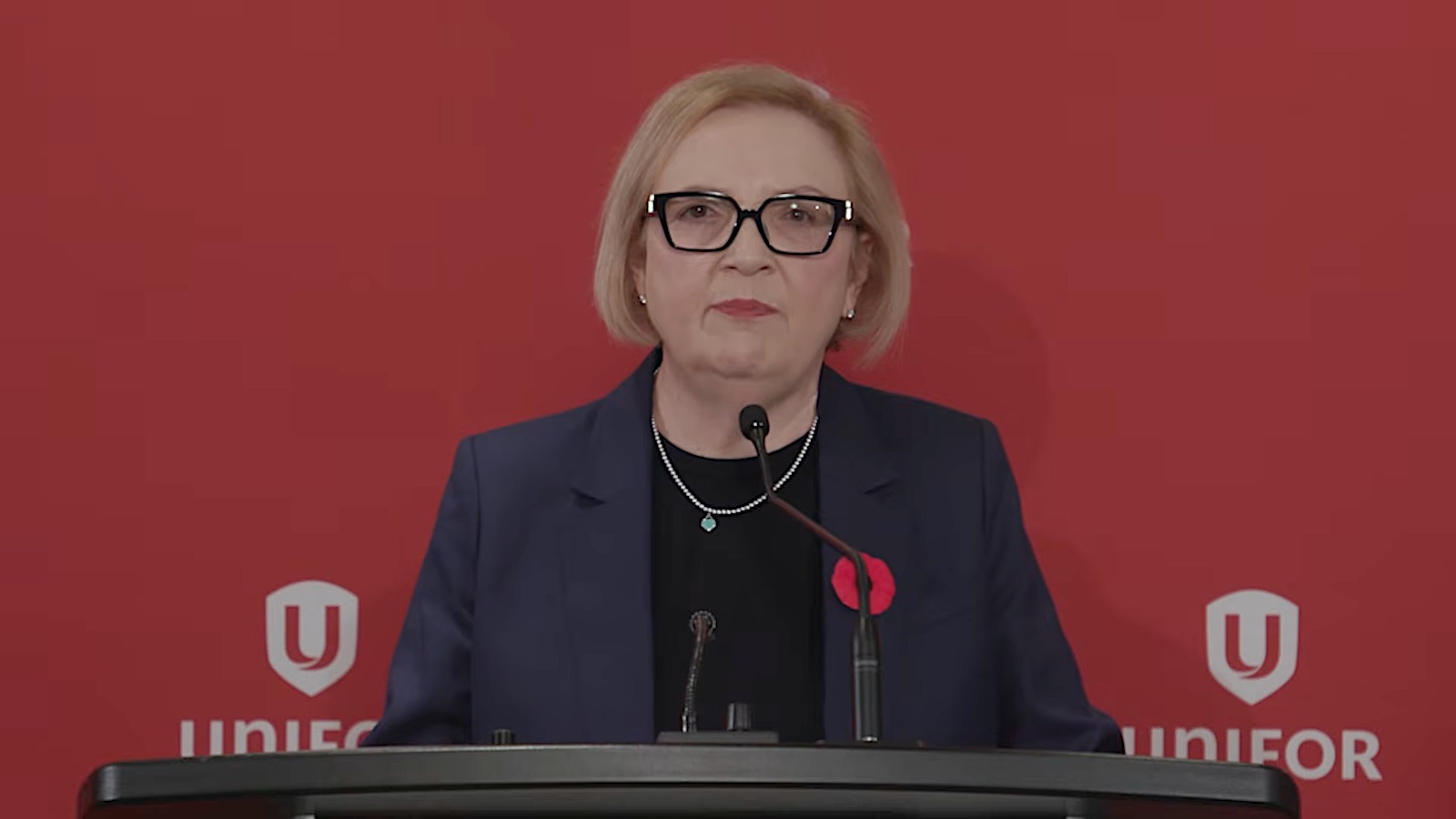
Unifor’s president, Lana Payne, said Stellantis is selling the Brampton, Ontario plant in violation of its agreement with the union.
Lou Ann Gosselin, head of Canada Communications, Stellantis, said the automaker has no additional details about the sale, such as the price or when the deal is expected to close, to disclose. Beyond the announcement the plant was being sold.
The buyer is Canadian defense contractor Roshel Inc., which is headquartered in Brampton. Roshel said it specializes in the design, engineering, and manufacturing of smart armored vehicles.
Unifor’s objections to the deal quickly emerge
The decision drew an immediate protest from Unifor, the union that represents Canadian auto workers and has been fighting to keep the plant open.
“Stellantis has betrayed our members with an underhanded deal to sell the plant and walk away from its commitments to our members,” said Unifor National President Lana Payne. “Allowing the sale to move forward is a critical failure of the national auto strategy and breaks the federal government’s promise to protect autoworkers in the U.S. trade war.
Payne, who was critical of both Ontario’s provincial government as well as the federal government led by Prime Minister Mark Carney, added, “Brampton’s closure will be a trophy for Donald Trump to wave around.”
The Trump administration has been engaged in a fierce trade battle with Canada over the last several months, which has seen the U.S government discard the USMCA trade agreement negotiated during Trump’s first term.
Sale downsizes Canadian auto industry
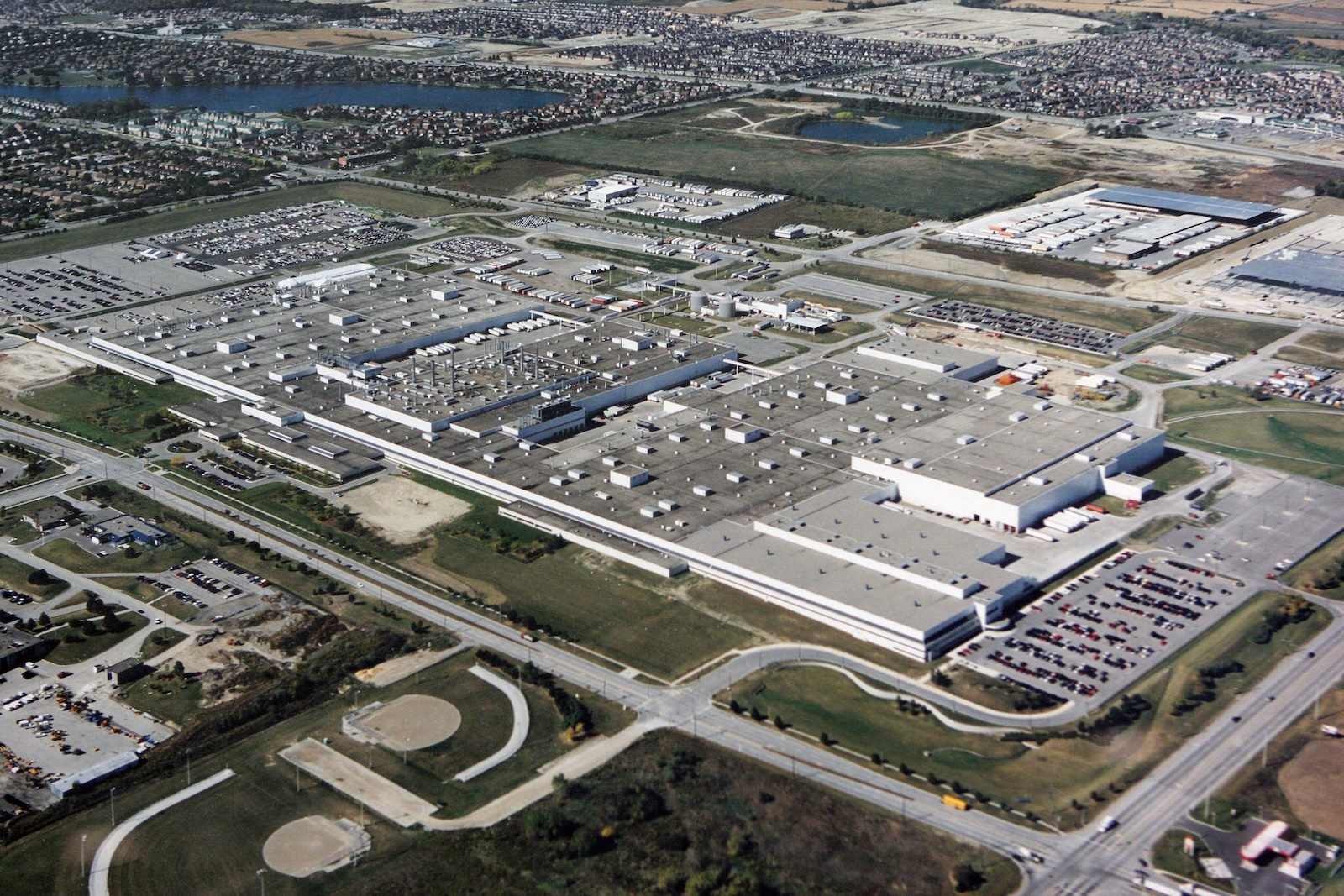
Stellantis’ Brampton Assembly Plant last produced vehicles in 2023.
Payne said the impending sale of the plant will reduce Canada’s automotive production capacity by 10% and ripple through the supply chain feeding the plan.
She added that the company proceeded with the sale despite being in violation of the collective agreement and in breach of commitment to the federal government. Unifor’s position is that the closure and sale of the Brampton plant constitutes a continued breach of these commitments.
“This was not an inevitable outcome. A plan to keep the plant as part of Canada’s auto footprint was possible had the company been committed to finding it and governments applied every measure to prevent the sale,” said Payne.
“Selling the Brampton Assembly Plant to a defense contractor is a significant step backwards for Canada’s industrial economy. Over and above the thousands of high-paying jobs that will be lost at Stellantis, Canada will also lose thousands more in its auto parts supplier base.”
While Stellantis and Unifor are currently attempting to negotiate a new labor agreement, Payne stopped short of threatening walking at the automaker’s other Canadian plants. “A strike is a last resort,” Payne said.
Stellantis said deal offers benefits all the way around
Stellantis officials said the deal will benefit the company, Brampton employees and the Canadian industrial base.
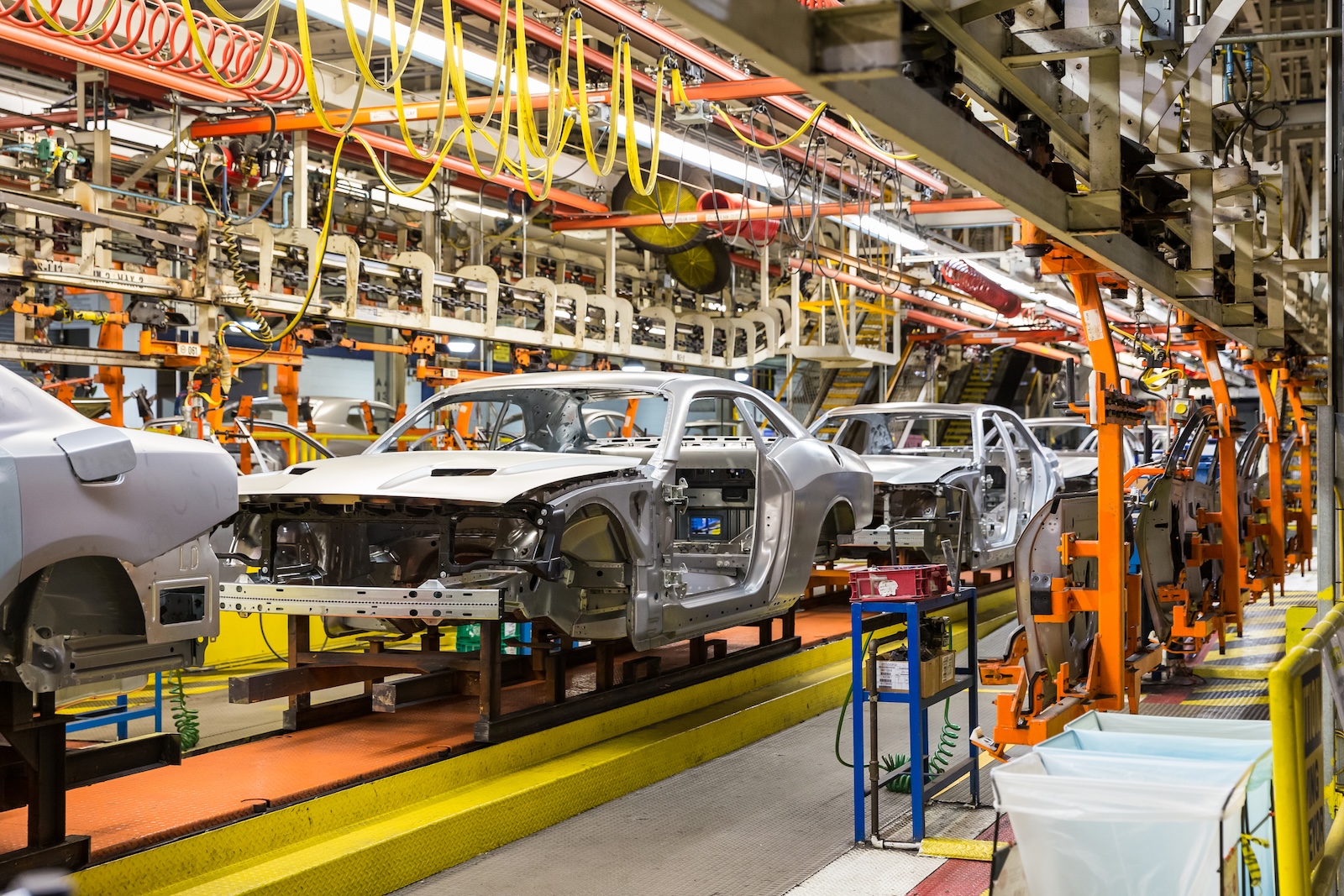
The impending sale of the plant will reduce Canada’s automotive production capacity by 10%.
The transaction is aligned with Stellantis “Fast Lane” strategy to strengthen long-term competitiveness through disciplined management of its manufacturing footprint with the goal to achieve approximately 80% capacity utilization across North America in 2030, according to the Stellantis announcement.
“Brampton employees have made lasting contributions to Stellantis, and we take our responsibilities to them and their families seriously. After three years of paid layoff, we remain committed to working with Unifor on a fair resolution,” said Antonio Filosa, Stellantis CEO.
“With this announcement, we are driving forward our broader strategic goals, opening new opportunities for Stellantis in the defense industry and creating a path to return the Brampton facility to productive industrial use.”
Filosa also said Stellantis is aware of its ongoing obligations to employees under the collective agreement and applicable laws. The company remains prepared to engage with Unifor to negotiate a settlement to assist union-represented employees.
Stellantis continues to maintain a significant Canadian presence across vehicle manufacturing, casting, research and engineering, and automotive components, including Windsor Assembly Plant, Etobicoke Casting Plant, the Automotive Research and Development Centre in Windsor and its CpK operations. In addition to Brampton Assembly Plant, Stellantis employs more than 10,000 Canadians.
Vehicle production at Brampton, Ontario, stopped in late 2023 when Stellantis retired the Dodge Challenger, Charger, and Chrysler 300, which had been the plant’s last models. The planned retooling for the next‑generation Jeep Compass was cancelled in 2025, with that model’s production moved to Belvidere, Illinois where it now expected to launch in the first half of 2028.


0 Comments