
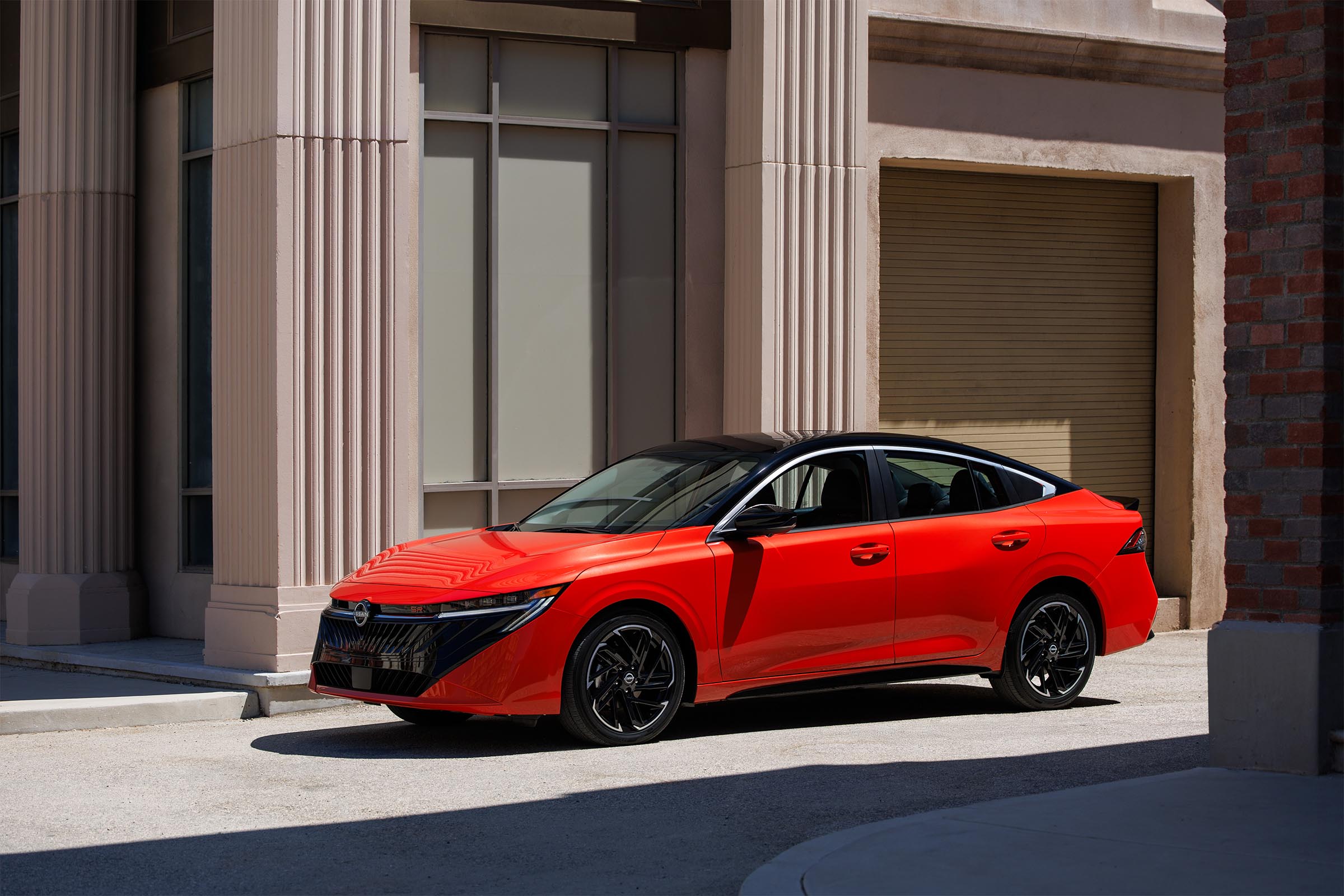
Sentra is a critical model line for Nissan in the U.S. and the automaker is betting big on the 2026 makeover. But while it’s still being positioned as an affordable entry, the new model’s price rises by as much as 4%. It’s the latest new model to see a big jump as the industry copes with rising costs and the impact of the Trump auto tariffs. More from Headlight.News.
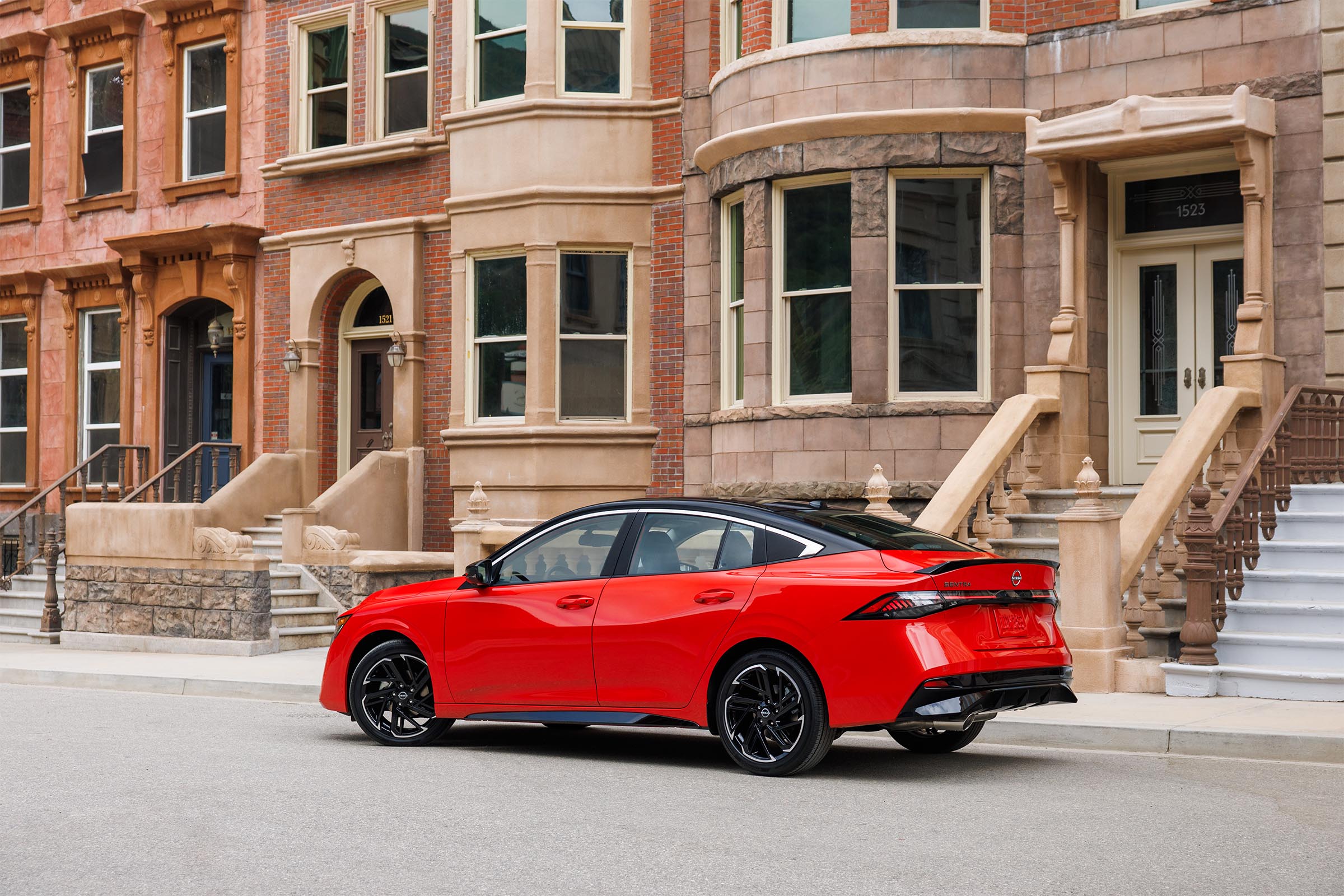
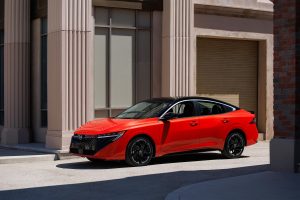
The ninth-generation Nissan Sentra.
Since its launch in 1982, the Nissan Sentra has been a reliable compact offering – not just for customers but for Nissan itself, where it’s the second best-selling model line after the smaller Rogue.
A ninth-generation Sentra goes on sale next month after undergoing a major makeover designed to give it fresher and more up-market styling. It adds some welcome features, such as wireless Apple CarPlay and Android Auto and a 12.3-inch infotainment display.
Nissan continues to position the 2026 Sentra as an affordable compact option and, at a starting price of $23,645, it does come out at the low end of its segment. That said, Nissan is raising prices on the new line-up by as much as $880, or nearly 4%. How much of that reflects higher content and manufacturing costs, and how much is due to the impact of the Trump administration’s auto tariffs hasn’t been disclosed. But automakers across the industry are again hiking prices sharply for 2026.
What’s new for 2026
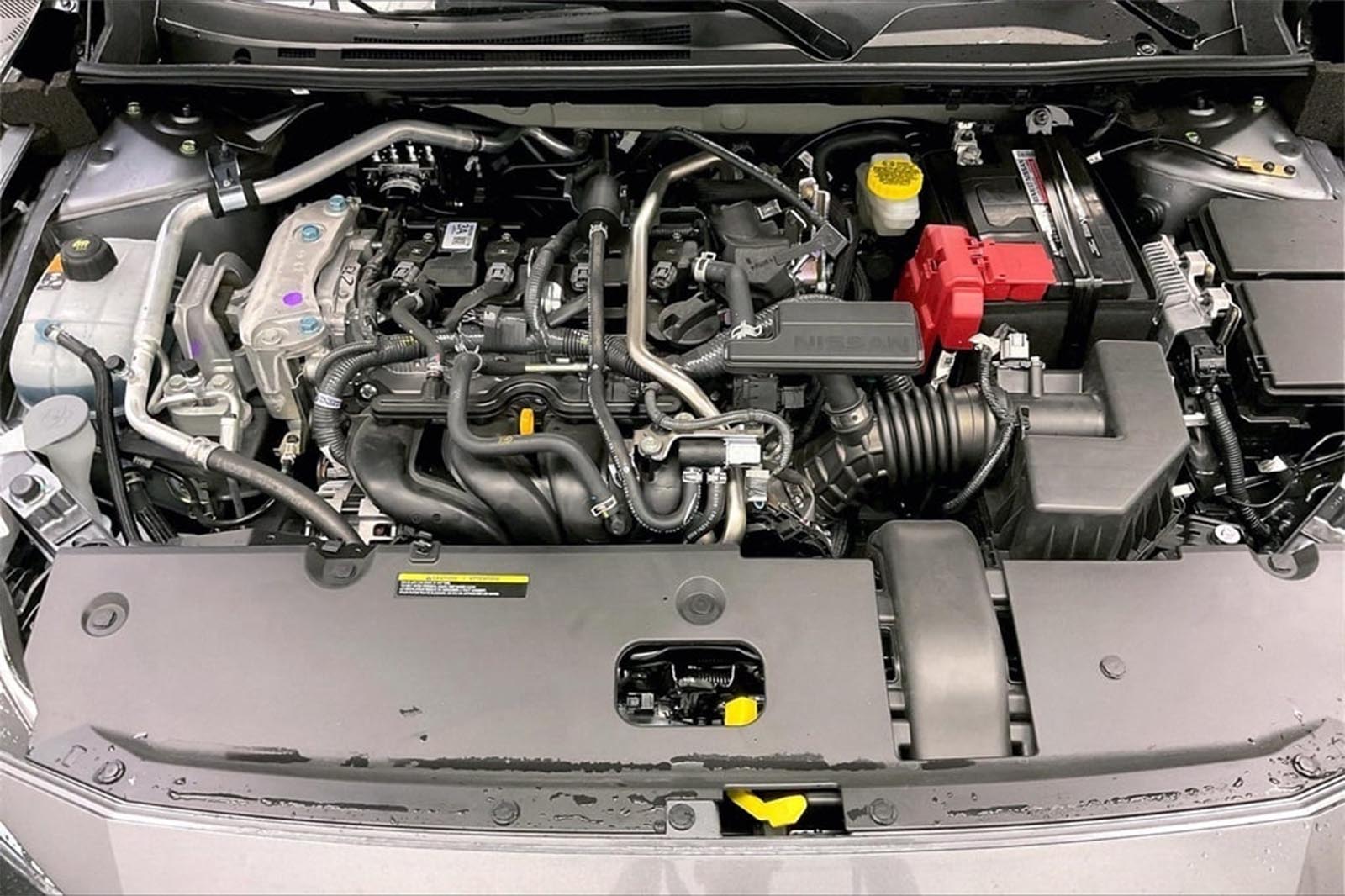
The 2026 Nissan Sentra’s 2.0-liter powertrain. For now, no hybrid.
The 2026 Nissan Sentra adopts an entirely new look, one that downplays its traditional positioning as a bargain option. With its fastback styling, it boasts a fresher and sexier design than the dowdy Toyota Corolla which, along with the Honda Civic, make up its primary competition.
The interior gets a newer, more modern – meaning more high-tech – look, with twin 12.3-inch screens and capacitive-touch controls for the climate control system. There’s plenty of updated technology, in fact, including LED headlights and the ProPilot Assist program.
A downside: a lack of a hybrid powertrain which could limit Sentra’s ability to conquest buyers drawn to that high-mileage option offered by the two key Japanese rivals.
Big jump in pricing
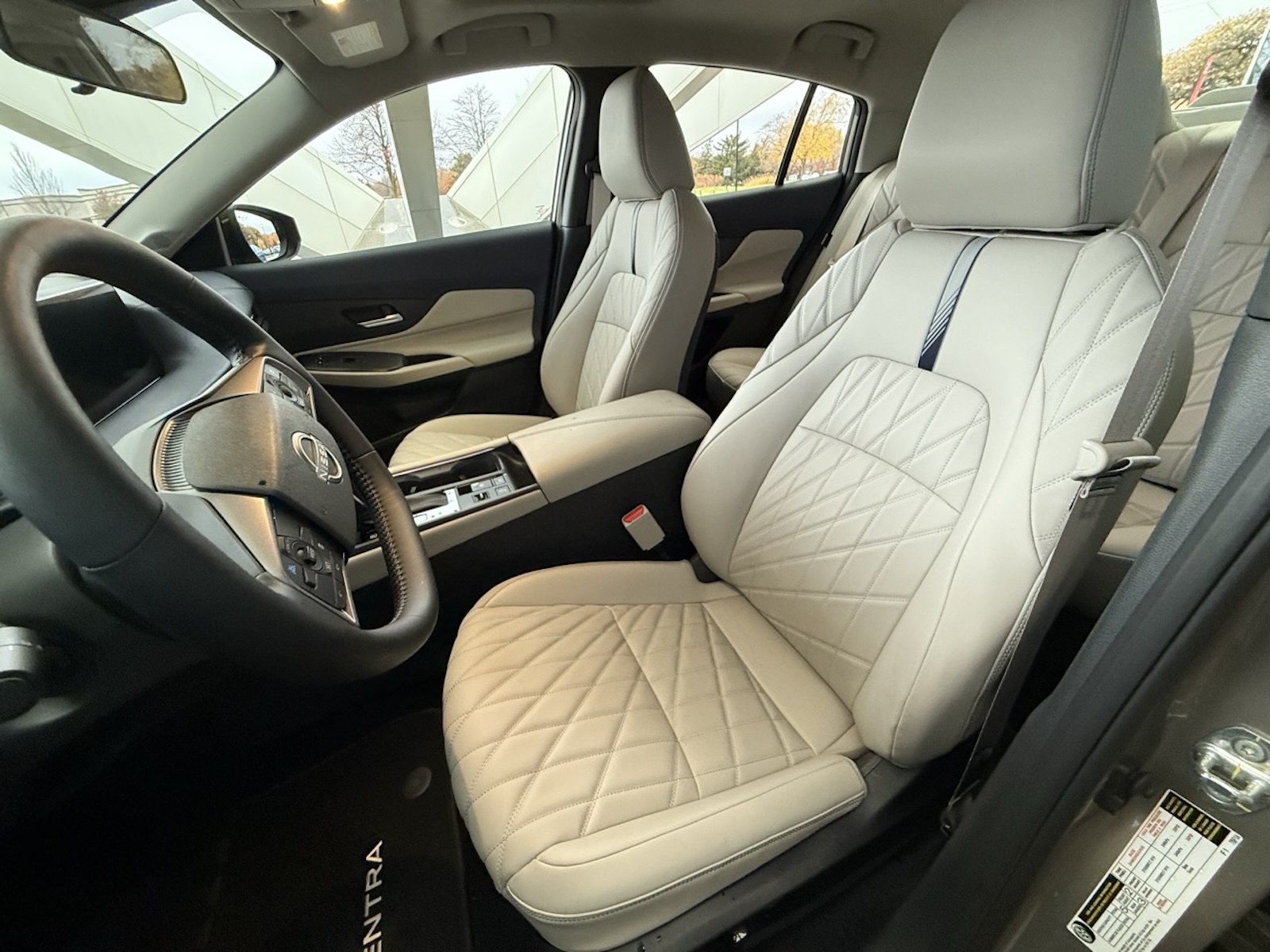
The 2026 Nissan Sentra SR front seats.
While the new design is likely to be the first thing to draw a shopper’s attention, buyers are likely also to notice that Sentra’s prices are up by as much as 3.9% for the 2026 model year:
- The base Sentra S now starts at $23,654 – including delivery fees – an $810 increase from the outgoing 2025 model;
- The Sentra SV now starts at $24,415, adding features such as remote engine start, a smart key and 16-inch alloy wheels. That’s up $880;
- The Sentra SR, the sportier package in the line-up, climbs $410, to $26,245, adding a unique front fascia, 18-inch alloy wheels, ambient lighting and sport cloth seats;
- The Sentra SL, the most upscale trim, now starts at $29,235, including $1,245 in delivery fees. It adds luxurious touches like a dual-zone climate control, a heated steering wheel and hands-free ProPilot.
More Nissan News
- First Look: 2026 Nissan Sentra Shows Why Sedans Aren’t Dead
- First Drive: 2026 Nissan Leaf Gets a New Look, More Power, More Range – and an Affordable Price
- Nissan Ariya EV Won’t Be Back for 2026 – But Could Return Later
A top seller
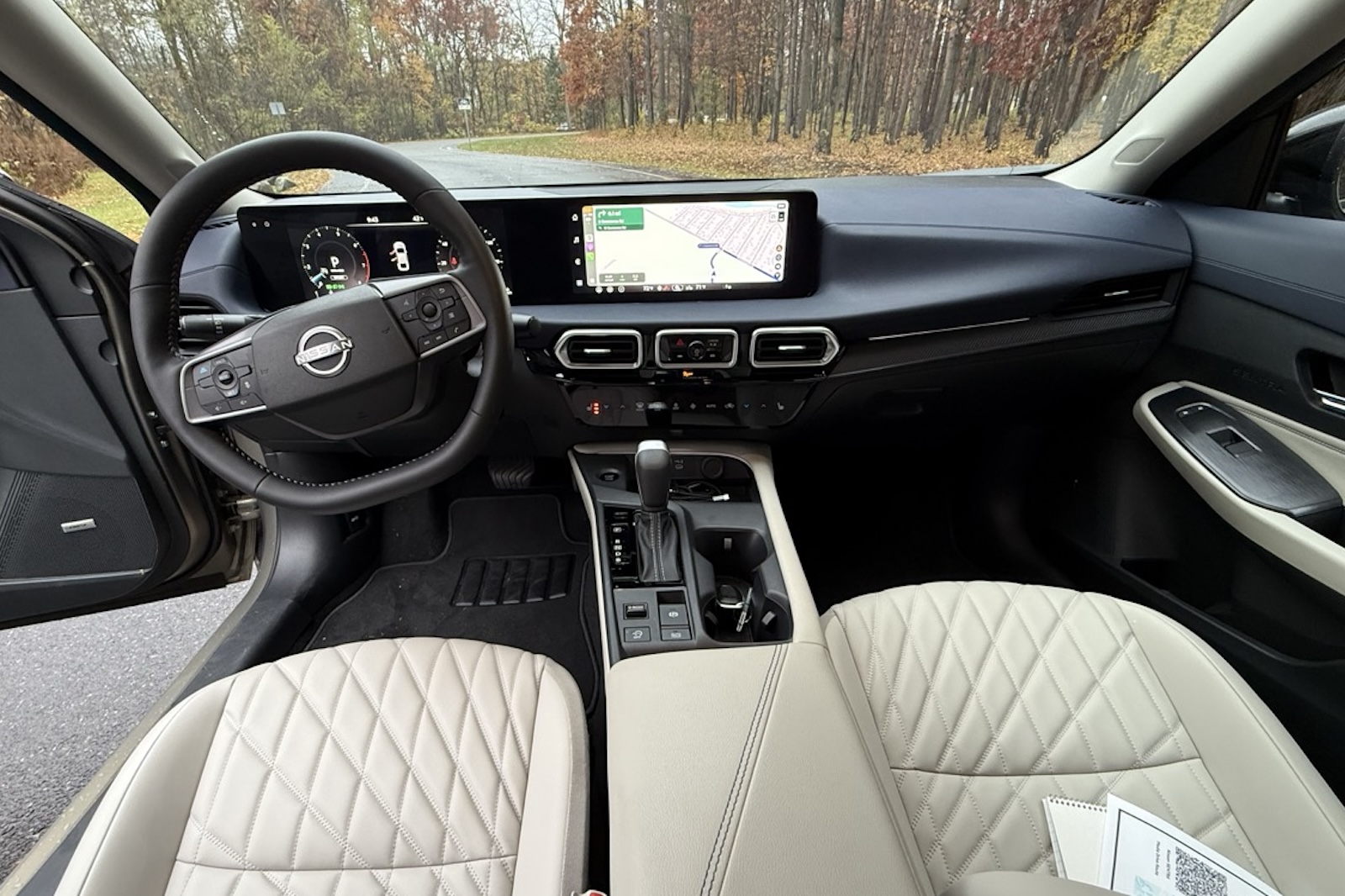
The 2026 Nissan Sentra SR interior features twin 12.3-inch displays.
Nissan has sold more than 6.5 million Sentras in the U.S. since it debuted in 1982. Significantly, it moved 125,741 of the sedans during the first three quarters of this year – a 1.6% increase – even in its final model year. Demand usually tapers off as manufacturers prepare for a major makeover.
Sentra is second among Nissan’s U.S. line-up, behind only the little Rogue. It is, however, just third in its segment, trailing the Toyota Corolla and Honda Civic. Nissan clearly is hoping the 2026 makeover will enhance its appeal, but Sentra does have the disadvantage of not offering a high-mileage hybrid, something available on both those Japanese rivals. Meanwhile, Toyota previewed a “concept” version of the Corolla during the Japan Mobility Show that suggests it is also planning to up the model’s visual appeal when a production version launches.
How much impact the price hikes will have on the 2026 Sentra remains unclear. Costs are going up across the industry. Manufacturers have pointed to a variety of reasons, including higher content and manufacturing costs. There’s also the line-up of tariffs put in place by Pres. Donald Trump. These are impacting even U.S.-made models like Sentra – which rolls out of plants in Canton, Mississippi, as well as Aguas Calientes, Mexico – because of its use of foreign-made parts and components, along with imported steel and aluminum.

Revised headline:
“Because of Nissan’s use of foreign made components, price for Sentra increases 3.4% to compensate for jobs saving tariff.”
LMAO…
No jobs saved. Look at latest unemployment numbers.