
(This story first appeared in TheCarCollective Substack. You can subscribe by clicking here.)

The 83 Building, Seoul’s first skyscraper.
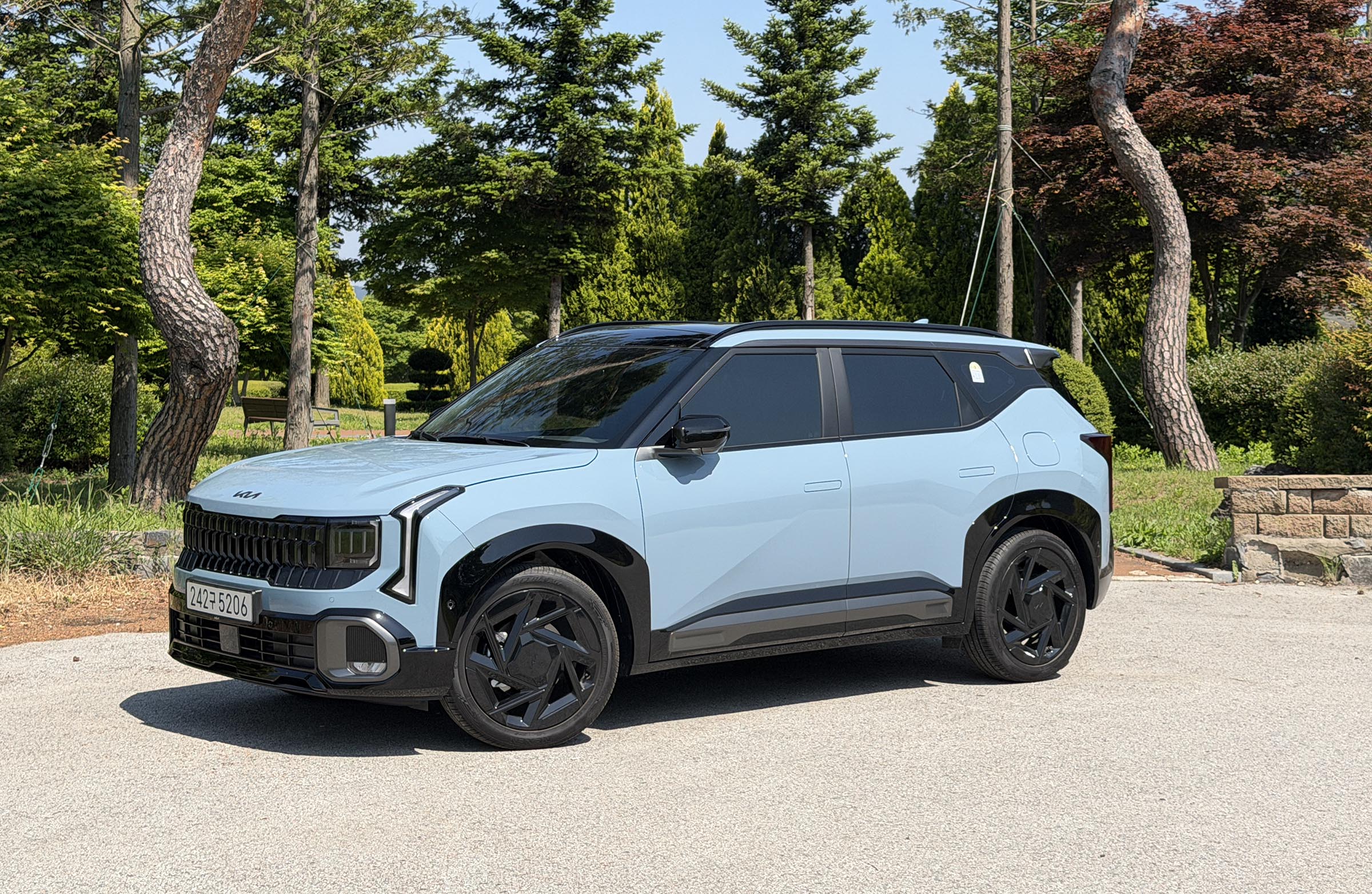
It started out as a nearly invisible, “cheap and cheerful” brand. Today, Kia is one of the fastest-growing brands on the U.S. market and challenging not only competitors like Nissan but its own Korean sibling Hyundai. The redesigned 2027 Kia Seltos is a reason why.
There was still rubble from the Korean War on the ground in the fields near Itaewon the first time I landed in Seoul, and just one modern skyscraper, the 83, standing along the Han River. That was 41 years ago and, to resort to a tired cliché, a lot has changed since then. The old shopping district is today one of Asia’s hottest night spots and that 83-story building has blended into a skyline of high-rises stretching endlessly in a city of nearly 10 million people.
If I’d asked almost anyone in the U.S. to tell me about South Korea back then I’d as likely as not drawn a blank stare. Even the Korean War itself was largely forgotten by most Americans. In 1985, Korean cars had yet to reach an American showroom. They were just landing in Canada. The first Hyundai dealership in the States was still a year away from opening.
Yet again, a lot has changed in just four decades.
Taking on the world
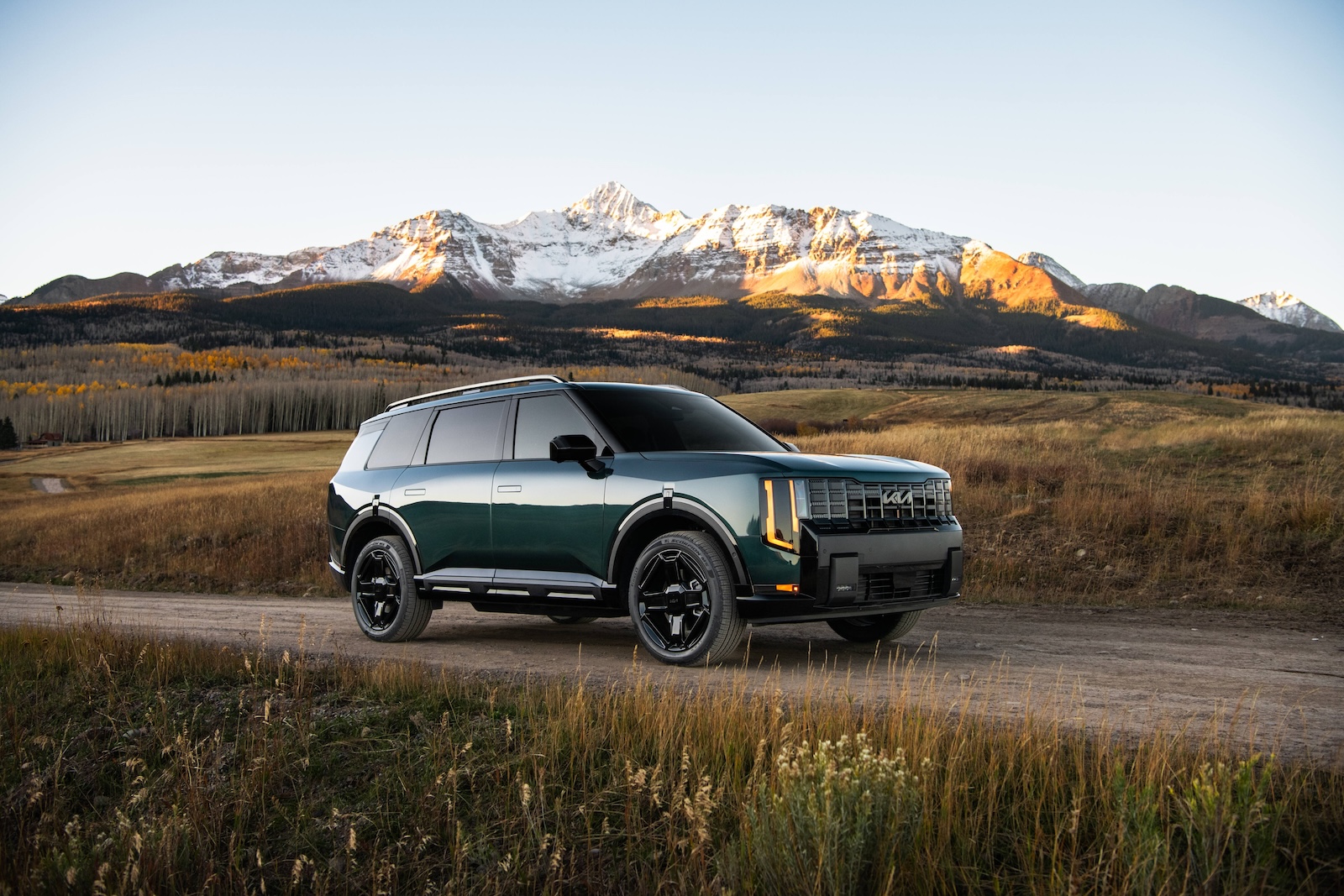
The 2027 Kia Telluride.
Today, what has become the Hyundai Motor Group is now the third largest automaker in the world – second last year, if you’re measuring it by profitability. In the U.S., the group now has just over an 11% market share, just two points behind Ford Motor Co. and three more than Stellantis. No surprise, then, that the name, Hyundai, is now one that most Americans know, from an automotive perspective, right up there with the tech giants LG and Samsung. But the reason I flew over to Seoul earlier this month wasn’t to visit the leader in the Korean auto industry. I went to spend time with the “other” mainstream brand.
Not all that long ago, its name might still have drawn blank stares. But, today, Kia has become one of the fastest-growing automotive brands in the U.S. market. In 2025, sales hit 852,155, a 7% year-over-year increase compared to just a 2.4% increase for the American auto industry overall. To stick with the numbers for a moment, Kia’s market share has more than doubled since the beginning of the millennium and now stands at 5.2% — just a half-point short of Nissan. And, to put things into perspective, it’s rapidly breathing down the neck of its big brother, Hyundai, which itself surged to a 6.1% share last year.
“The world has come to realize Korean cars are generally as good as anything being built anywhere,” said Sam Abuelsamid, lead analyst with Telemetry Research. “And Kias are as good as Hyundais, (with) their own distinctive flare.”
“Cheap and cheerful”
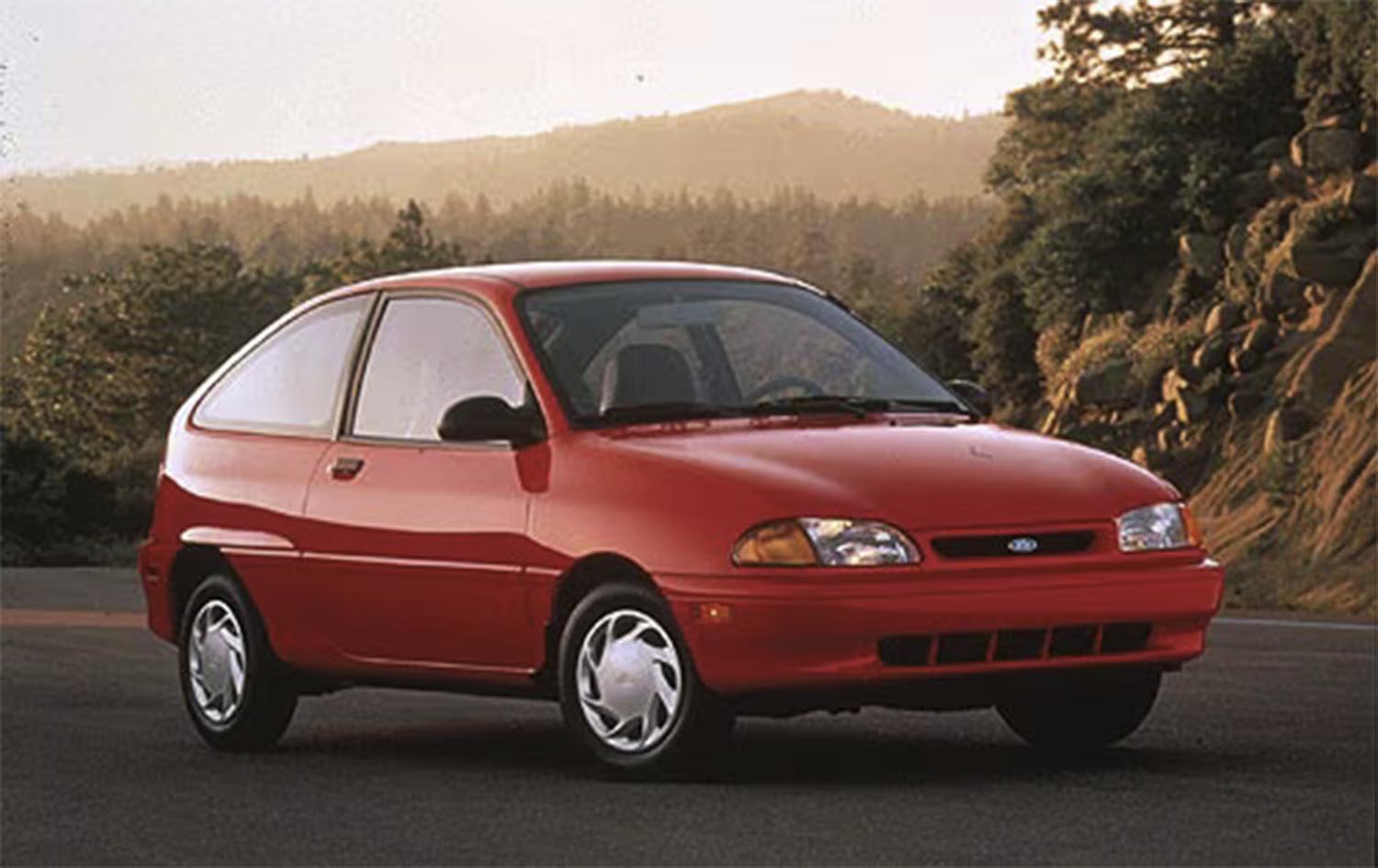
The 1994 Ford Aspire.
It might not have worked out that way if disaster hadn’t nearly crushed the Korean auto industry. For decades, Kia was a largely unknown brand. Even though it set up a small U.S. dealer network of its own in 1992, it was largely a feudal vassal to the Ford Motor Co. which rebadged Kia vehicles for buyers on the tightest of budgets. In the popular euphemism, they were “cheap and cheerful,” There was good reason the Kia-sourced 1994 Ford Aspire was derisively nicknamed the “Perspire.” It was grossly underpowered and lacked anything close to a distinctive personality.
When the broader Asian economy went into meltdown in July 1997, the Korean auto industry nearly collapsed. Kia was effectively bankrupt and seemed likely to be swallowed up by Ford – much as General Motors subsumed its crosstown rival, Daewoo. But, when the dust of a bidding war settled, Kia was effectively taken over by Hyundai. And, initially, it seemed likely it would remain a bargain-basement brand without, said Abuelsamid, “any character of their own. Their products could have come from any of 100 different brands”
A game-changer
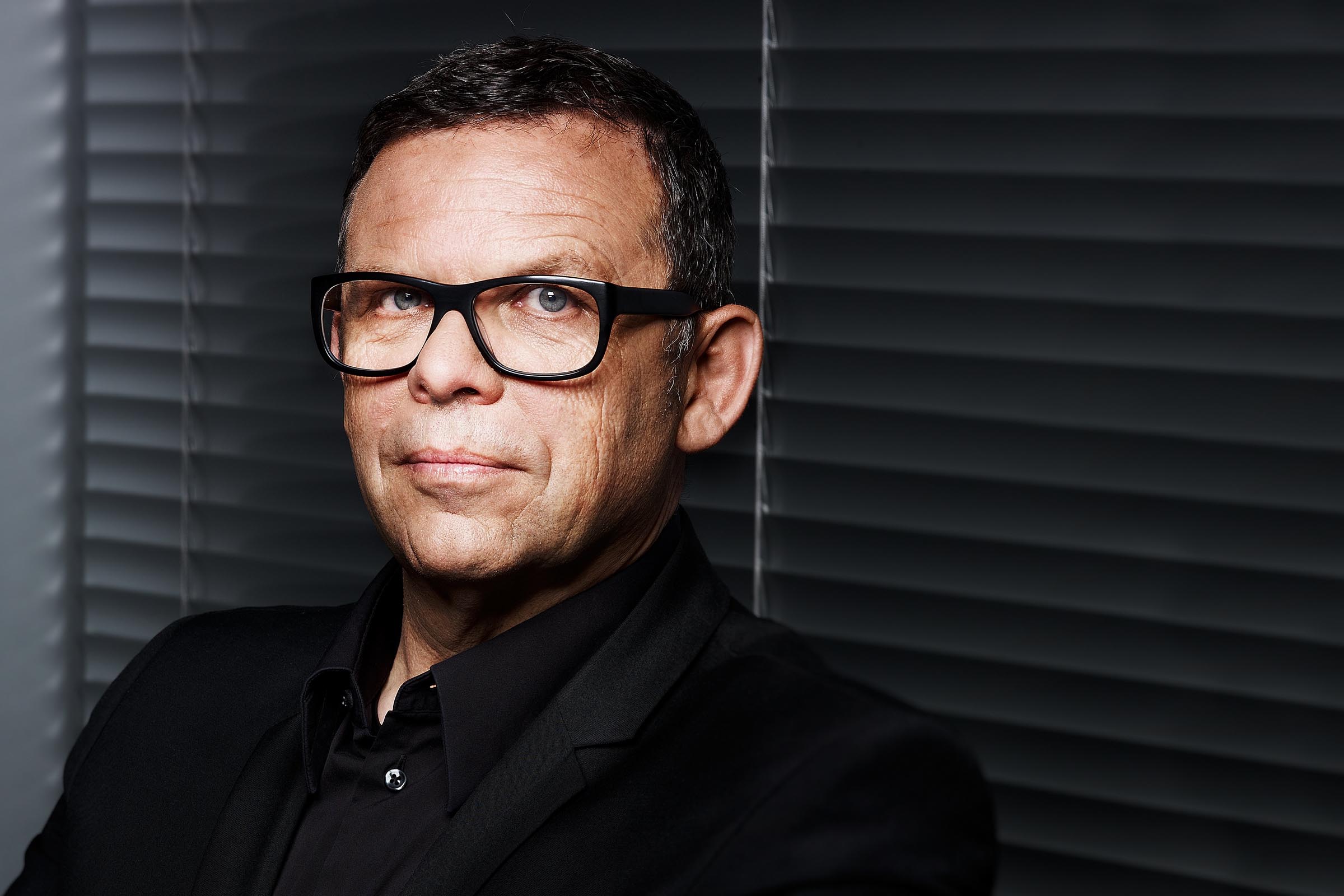
Former Audi and VW designer Peter Schreyer was brought in to transform Kia design.
All that began to change in 2006 when Kia made an unexpected – and unorthodox – move, hiring Peter Schreyer, the legendary German designer perhaps best known for penning the original Audi TT (which, that very year, had been described by Car Design News as “the most influential automotive designs in recent time”).
“The Korean culture expects something new all the time (which is) the good thing about the Korean mentality, the desire to try something new,” Schreyer told me in 2015 as his duties expanded to the Hyundai Motor Group as a whole. But he spent his first years focused on Kia, helping it carve out a decidedly different look and feel its Korean sibling, Hyundai.
“They’ve figured out you can share all the distinctive underlying mechanical bits but you have to make them pretty much distinct from the consumer-facing elements,” explained Abuelsamid, noting that today, “Kias tend towards the sporty side, Hyundais towards the more conservative.”
Taking home the gold
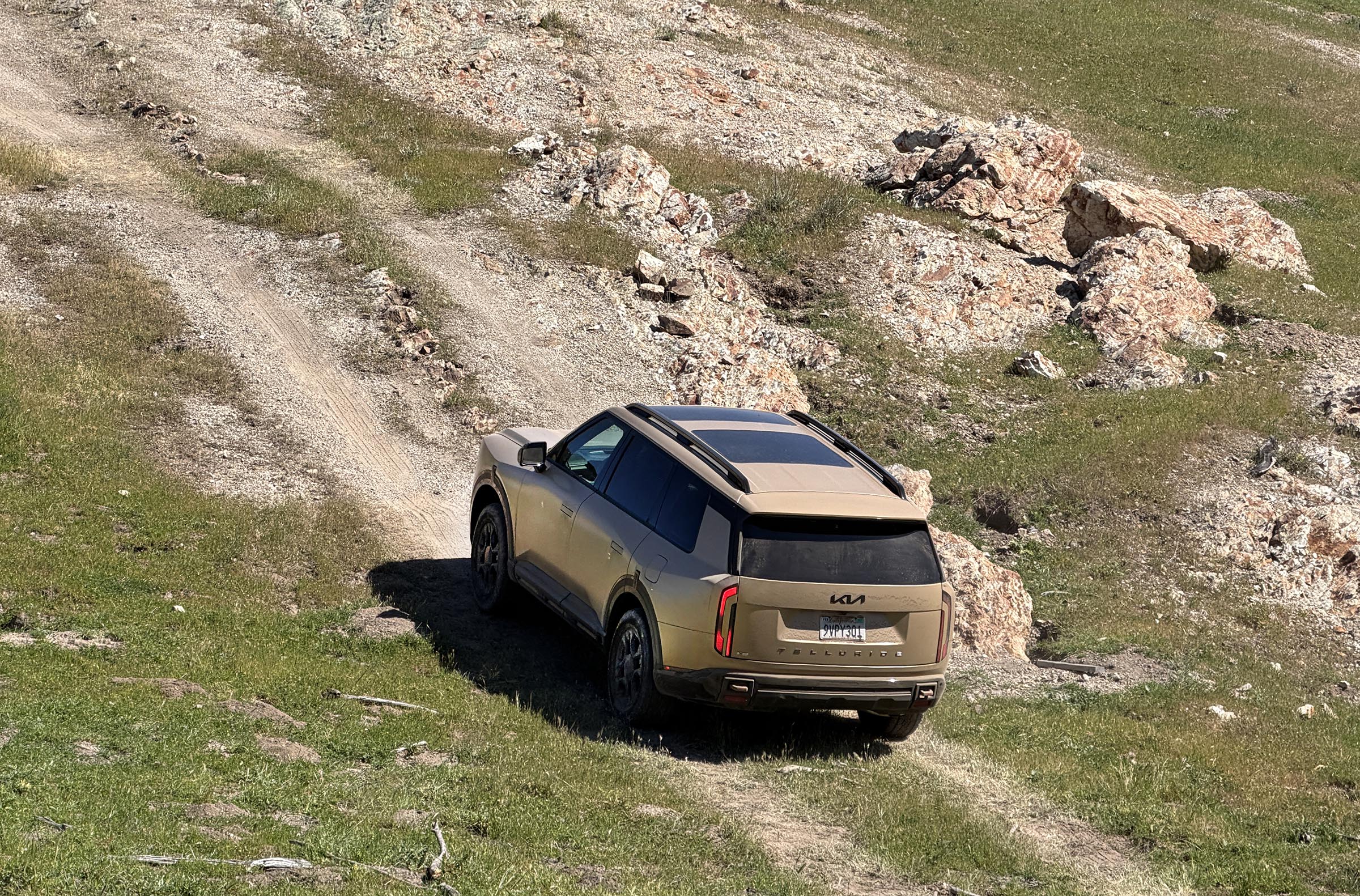
“Ain’t no mountain high enough.” The 2027 Kia Telluride
There’s no question that both brands have come a long way in recent years. It shocked the auto industry when Hyundai became the first Korean automaker to win a major award, its original Hyundai Genesis named North American Car of the Year in 2009. Today, both brands routinely take home the gold. But Kia’s real breakout came in 2020 when the 3-row SUV won the auto industry’s big four awards: North American Utility Vehicle of the Year, World SUV of the Year, Motor Trend SUV of the Year and Car & Drive 10 Best.
The completely updated 2027 Telluride is seen as a strong contender to collect even more awards in the months ahead. But it wasn’t to drive the new brand flagship that drew me to Korea. Delivering a solid entry at a price range of $40,735 to $58,335 gives a manufacturer a lot of room to work within. It’s another matter entirely when you’re talking about something starting at barely $25,000. That’s expected to be the starting price of the second-generation Kia Seltos.
The automaker’s base package was a solid hit when it first appeared in 2019 in the Korean market, reaching the U.S. two years later. But the subcompact crossover segment has, if anything, grown far more competitive, with entries as diverse as the Toyota Corolla Cross, Subaru Crosstrek, Mazda CX-30 – and from Hyundai, the Venue.
Big things in small packages
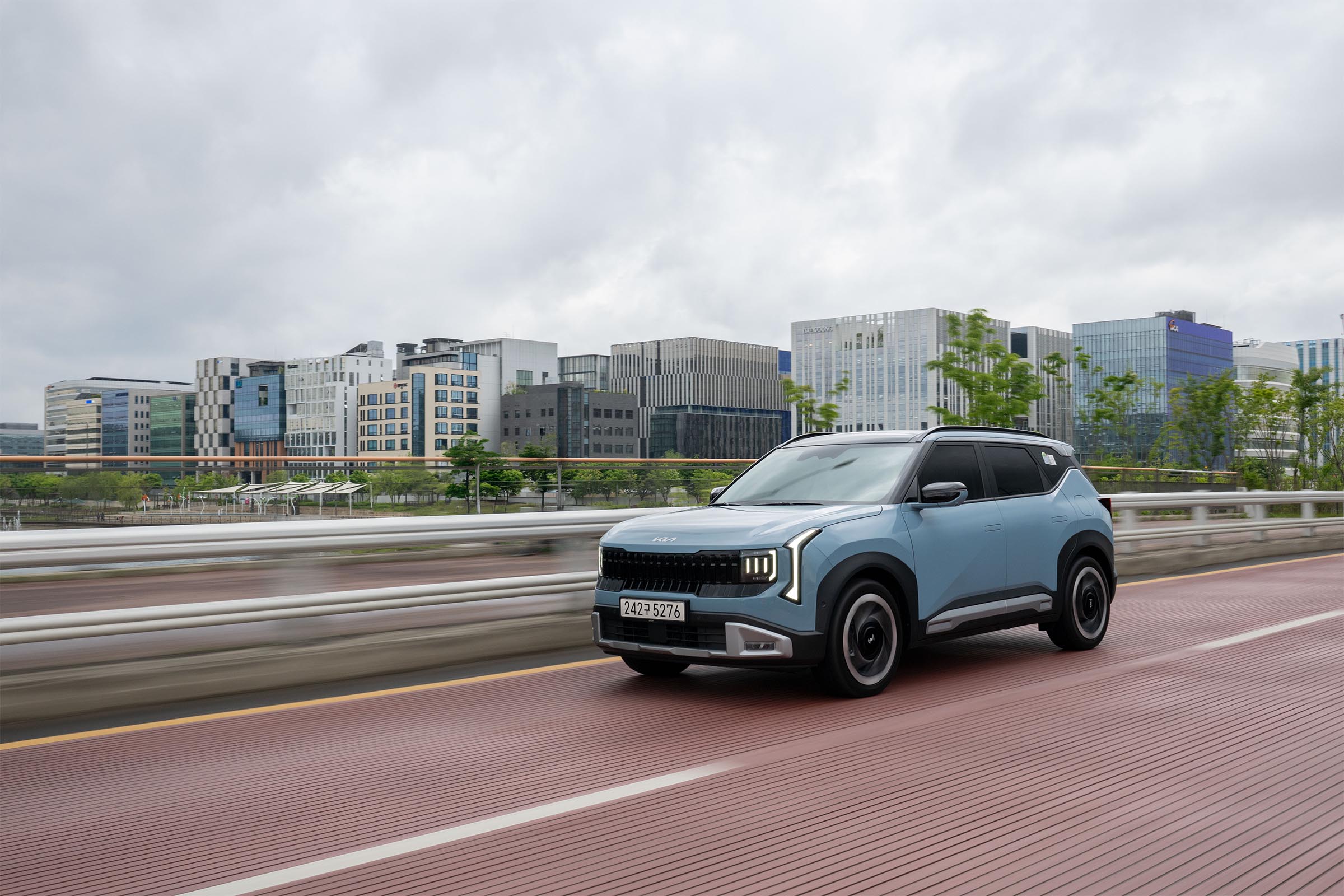
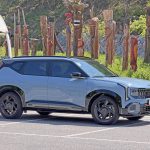
The 2027 Kia Seltos offers three different powertrain choices, as well as front or all-wheel-drive.
Seltos has grown larger in all key dimensions, not necessarily a surprise. What’s more compelling is what Kia has done to the 2027 CUV in so many other ways. To start with, it retains a distinctive, sporty look that won’t be confused with Venue or anything else in the universe of competitors. Inside, Seltos now features twin 12.3-inch screens. But the bigger surprise is the availability of features such as a head-up display, something more typically found in luxury products.
The new Seltos also features a choice of three separate powertrains, a rarity in a segment where one-size-fits-all is normally the rule. That includes a first-time hybrid that, based on a long day’s drive across South Korea, can deliver as much as 50+ mpg when driven gingerly. Final numbers have yet to be released, but considering the Telluride Hybrid is EPA-rated at 35 mpg combined, I’d be shocked if we don’t see something north of 40.
Seltos has risen up the sales charts for Kia, though it has a long way to go to catch up with Telluride and the new K4, never mind the brand’s best-seller, the bigger Sportage SUV which generated 182,800 sales last year. Kia officials told me during my visit they expect a fair amount of growth which could keep the brand growing in 2026 – which would be no mean feat considering the overall U.S. market has shrunk for the last six consecutive months.
A new direction
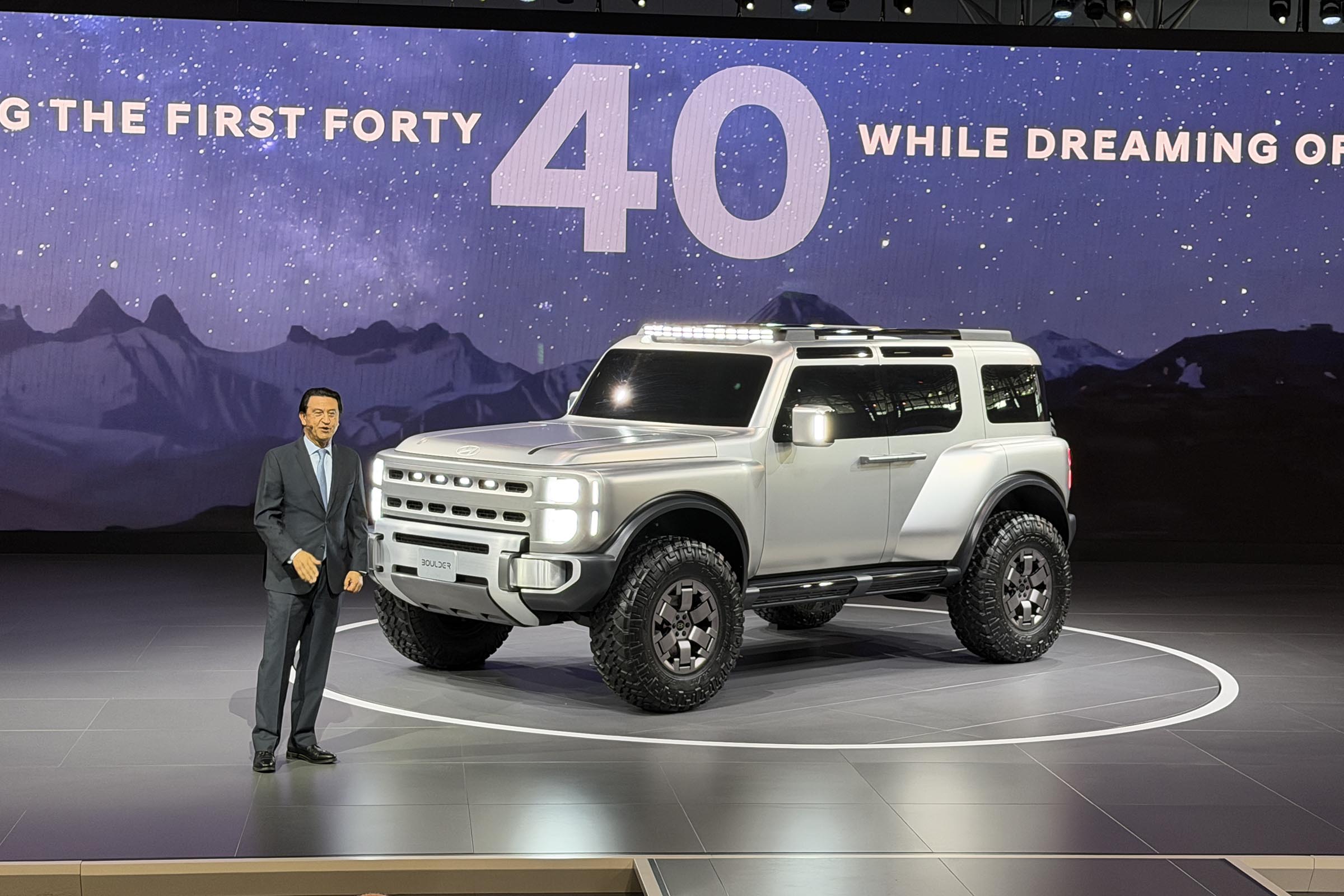
Hyundai CEO Munoz shows off the Boulder Concept at the NY Auto Show.
The question is where Kia goes longer-term. We got a sense of what’s in store, ironically, during the Hyundai brand’s news conference at the New York Auto Show earlier this year. The spotlight fell on the Boulder concept, a rugged, Bronco-styled off-roader based on an entirely new body-on-frame chassis being developed by the Hyundai Motor Group.
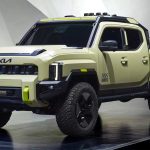
That distinction is important because it will be used not just for the bigger brand but by Kia – and, likely, Genesis, as well, confirmed Spencer Cho, Kia’s senior vice president and head of global business planning. Kia is working up its own take on a Bronco-beater, as well as several other serious truck models set to include, at the least, a midsize pickup.
To keep growing, “we need to expand into other segments of the market,” another senior Kia insider told me on background, adding that a body-on-frame architecture “makes sense” in today’s market, especially if it can provide a platform for the sort of rugged, off-road capable vehicles that have rapidly gained traction in recent years.
Sibling rivalry
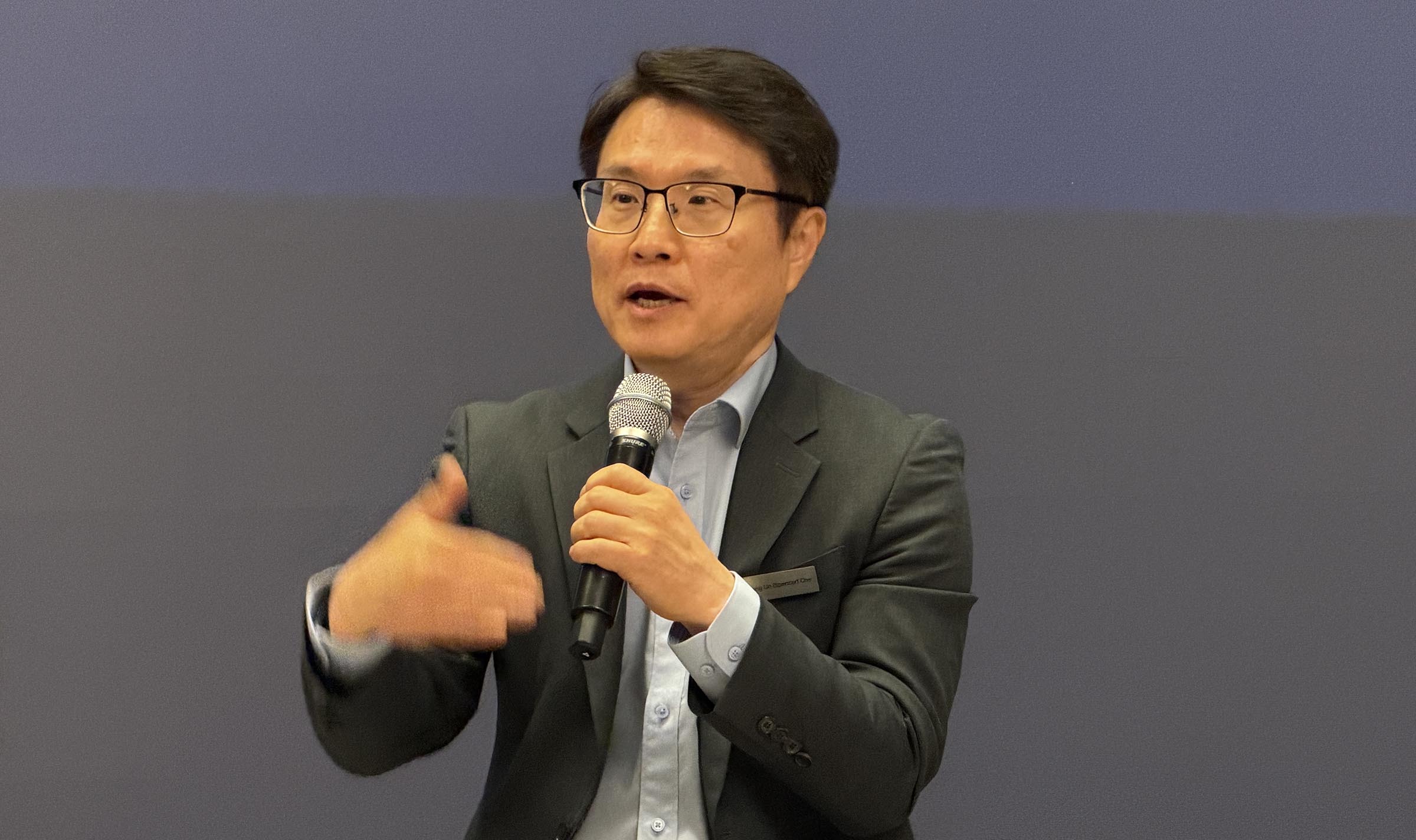
Kia SVP Spencer Cho.
Internally, several sources have told me, there’s been a bit of skirmishing between Kia and Hyundai brand executives to see who will come to market first. Taking lead is less important than getting it right, however, said Cho, over dinner in Seoul last week. The good news is that the project brings together the resources of the entire company – and it promises to provide two strong sales outlets that can boost economies of scale. In other words, volumes should be big enough to deliver the sort of well-equipped products we see with the new Seltos.
In a vehicle market like we face today there’s no guarantee how things will shake out this year, never mind a decade from now. There are some wild cards to consider, starting with the Chinese who have been described as posing “an existential threat” to the established automotive order. Among other things, they possess the low-cost manufacturing advantage the Koreans once boasted.
But, based on the breadth and depth of what Kia has been bringing to market lately, bookended by the Seltos and Telluride, the brand certainly seems positioned to maintain its fast trajectory. It’s no longer the bargain basement option but a serious contender that has competitors looking over their shoulders.

0 Comments