
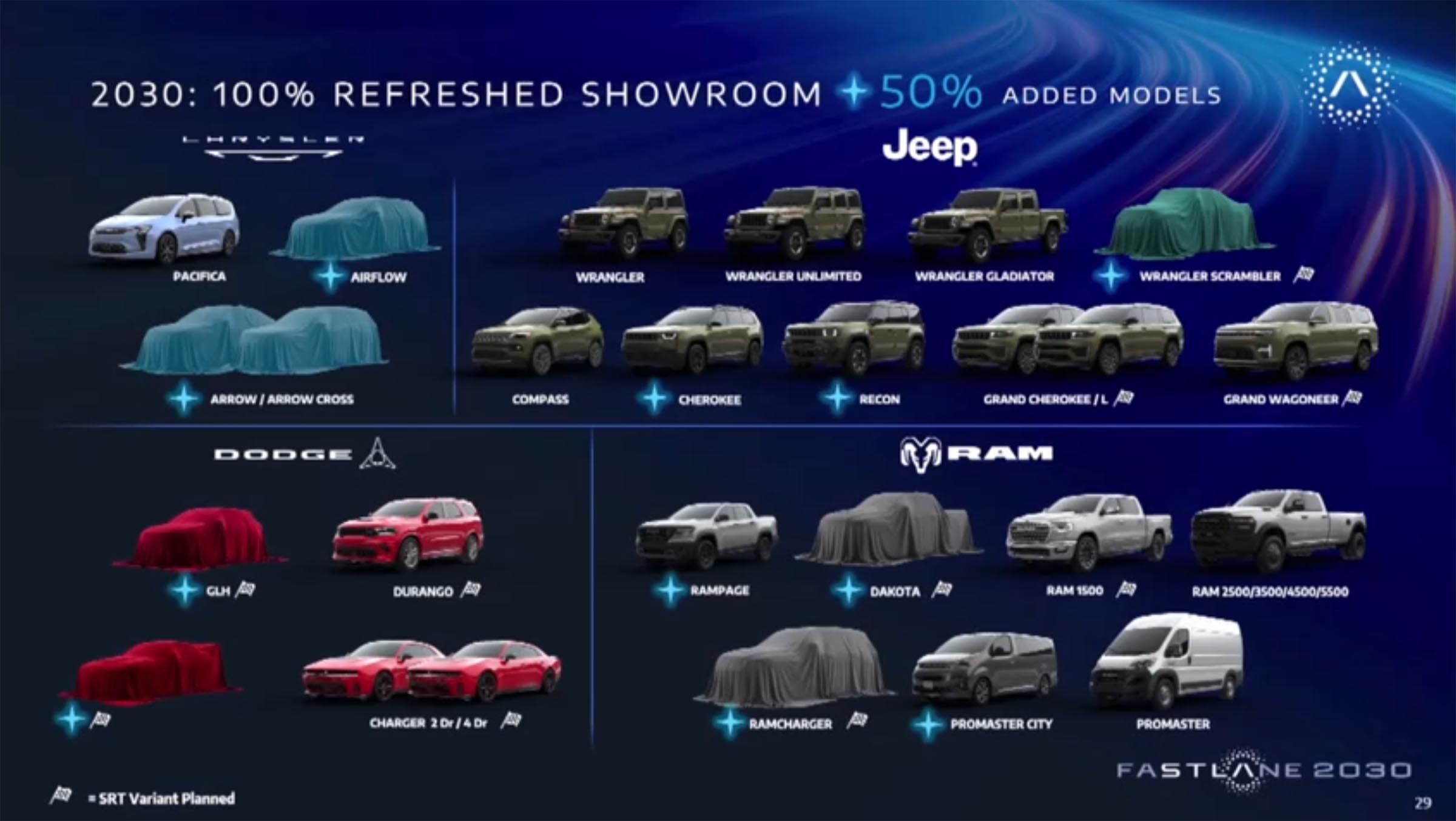
Aiming to reverse a series of setbacks to sales and earnings, Stellantis Thursday unveiled a $70 billion turnaround plan that will see it launch more than 60 new vehicles by decade’s end. But while markets from Europe to Africa to Asia should benefit, the Fastlane 2030 program depends disproportionately on two U.S. brands: Jeep and Ram. Headlight.News has more.
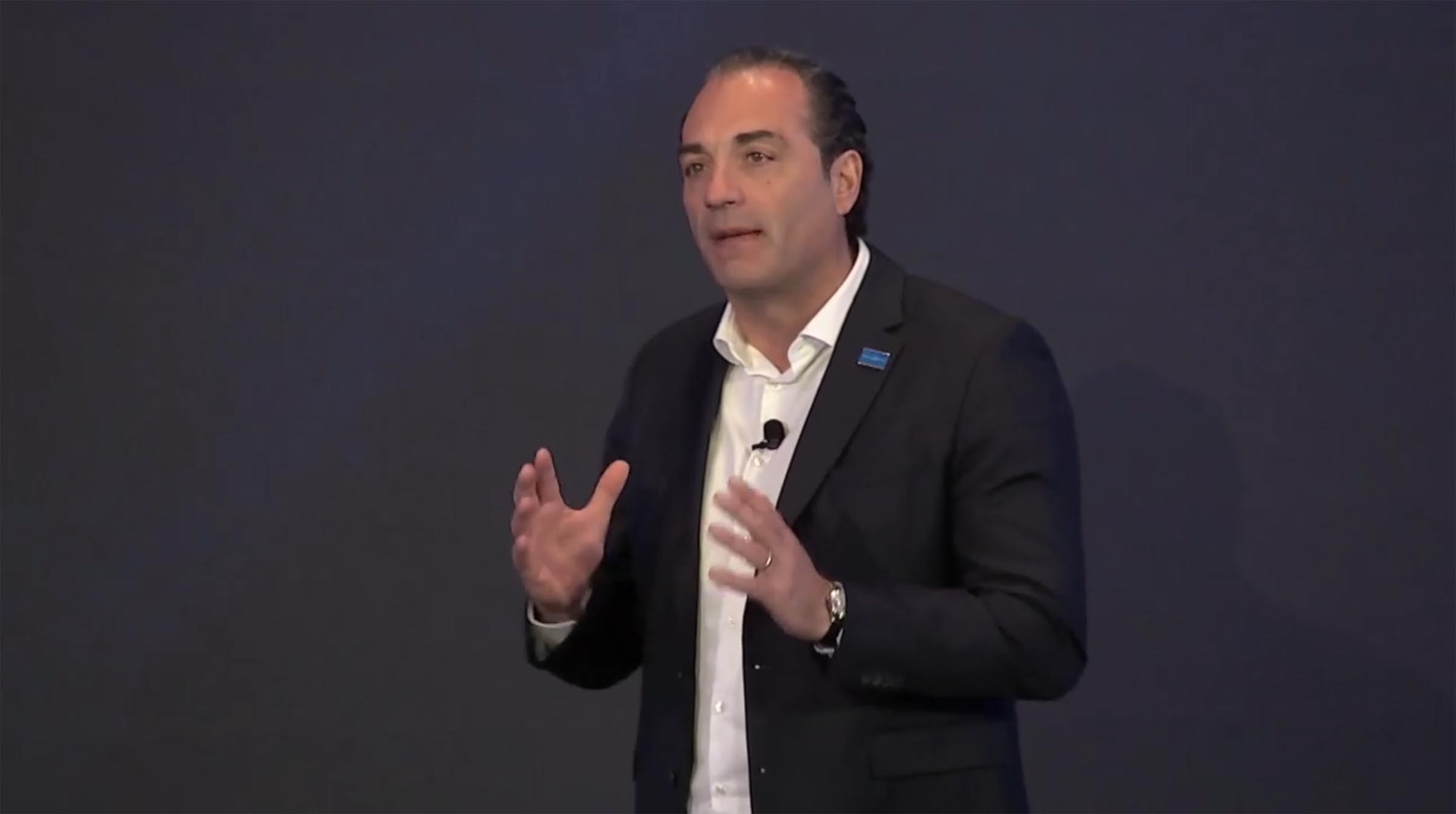
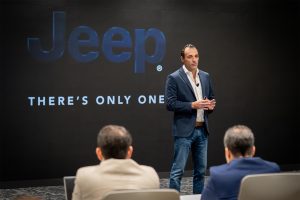
Stellantis CEO Antonio Filosa.
Stellantis may be the world’s fourth-largest automaker but it’s gone through a few rough years, losing market share and reporting billions of dollars in losses. The situation could look dramatically different, however, if the new Fastlane 2030 turnaround plan plays out as expected.
The project, announced Thursday by CEO Antonio Filosa and a cadre of other global Stellantis executives, calls for some big investments – and some equally big changes in the way the automaker does business. To start with, the company plans to invest 60 billion euros – about $70 billion – by the end of the decade. Among other things, that will buy Stellantis at least 60 new products helping the automaker dramatically expand the range of product segments it participates in.
But while that will take place around the world, the Fastlane strategy also sees Stellantis repositioning itself as a multi-regional, rather than global manufacturer. In other words, it will take markedly different approaches to everything from products to marketing, depending upon whether you’re talking about Europe, the Mideast and Africa, Latin America, Asia – or the U.S. That said, North America is expected to remain the sales and profit engine propping up the automaker and will thus dominate the new strategy.
In the Fastlane

Former CEO Carlos Tavares admitted his own “arrogance” caused much of Stellantis’s troubles.
When Stellantis was formed by the merger of Fiat Chrysler Automobiles and France’s Groupe PSA back in January 2021 it seemed destined for great things. It immediately became the world’s fourth-largest automaker and quickly generated billions of dollars in savings through economies of scale and other moves.
But the good times didn’t last long. By 2024 it was rolling in red ink, much of the trouble self-inflicted by moves like abandoning the beloved Hemi V-8 when an all-new version of the Ram 1500 pickup came to market, and by getting aggressive on pricing with the Jeep brand. The sudden fall from grace led to a series of management shake-ups, culminating with December 2024’s unexpected resignation of founding CEO Carlos Tavares who, months earlier, admitted his own “arrogance” deserved much of the blame.
It took six months to name his replacement, veteran Antonio Filosa – though he’d already begun reversing many of Tavares’s moves as head of North American operations. Indeed, in a signal of what was to come, Filosa shifted his primary office back to the Detroit suburb of Auburn Hills, Michigan, the same U.S. headquarters his predecessor had largely hollowed out. Where Tavares saw Europe as Stellantis’s future, Fastlane 2030 makes it clear Filosa is focused on the other side of the Atlantic Ocean.
A new brand hierarchy
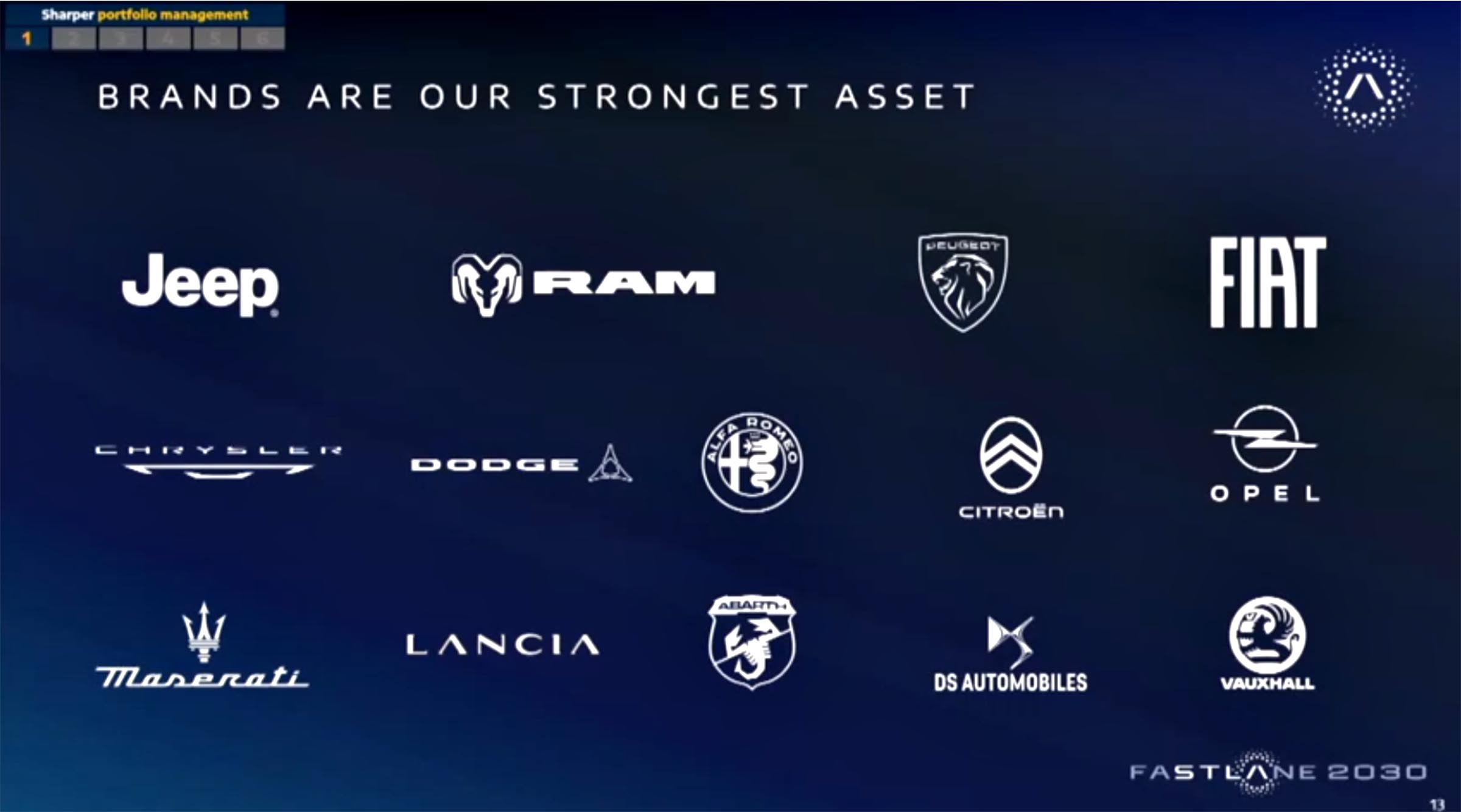 Fastlane brings change to virtually every aspect of the business – though observers did find one surprise. There had been speculation the plan would lead to the demise of one or more of the automaker’s 14 separate brands. For now, at least, they’ll all survive.
But they won’t all get the same access to the trough when it comes to the money Stellantis plans to invest in products and brands. Going forward, there will be four “global” brands: Jeep, Ram, Fiat and Peugeot. These will be dominant on a worldwide scale – though their positions will vary by individual markets. There will then be five regional, or secondary brands: Chrysler, Dodge, Alfa Romeo, Citroen and Opel.
At the same time, Stellantis will upgrade a series of partnerships it’s been developing with two Chinese manufacturers, Leapmotor and Dongfeng. Expect to see some product sharing between them. And Filosa indicated we may even see some Chinese products roll out of plants in Canada and Mexico. Reflecting the current political realities, however, the CEO stressed during a Q&A session that, “Right now, I’m sure, there is now space in the U.S.
Stellantis has had a modest alliance with Tata, as well. On Wednesday, however, it announced the signing of a non-binding Memorandum of Understanding with the Indian company’s Jaguar Land Rover subsidiary that could lead to joint work on new products and technology, possibly also to some U.S. production for JLR. That could help the British marques sidestep steep Trump administration tariffs on European auto imports.
More Auto News
- Kia’s No Longer the Bargain Basement Brand
- VW Set to Relaunch the ID.Buzz Electric Microbus
- Jaguar May Not Go 100% EV After All
North America rules
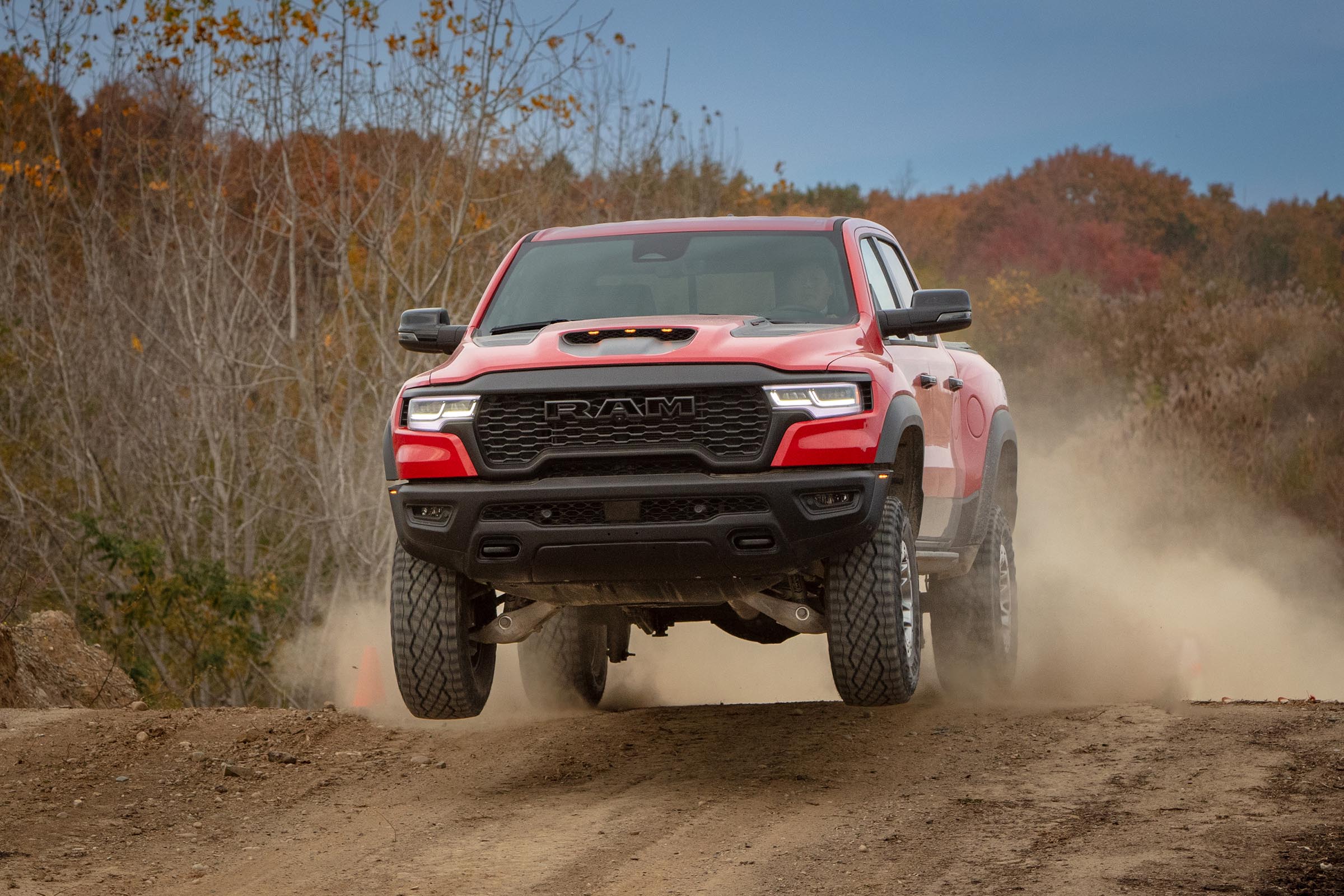
Expect to see more high-performance Ram models, like this 1500 RHO.
Over the course of a full-day briefing for journalists, investors and analysts, the senior Stellantis management team made it clear North America dominates the Fastlane 2030 plan – the market scheduled to get over 60% of the money devoted to new products and brands. That should be no surprise considering it was the dominant source of sales and earnings under Fiat Chrysler and remained the primary engine for Stellantis.
Currently, the automaker ranks fifth among manufacturers in North America. The goal is to climb to third by the end of the decade, said Filosa, with a target of 35% growth in vehicle sales.
“Product is king,” said Tim Kuniskis, head of American brands and North American marketing and CEO of both the RAM and SRT brands. And there will be a lot of it coming.
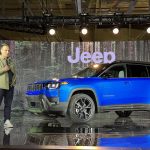
A key part of the Fastlane project will see just four of 14 Stellantis brands dominate future plans: Ram, Jeep, Fiat and Peugeot. For its past, Jeep ended 2025 with five models. It has four more coming, Kuniskis said, including the already promised Cherokee hybrid and Recon EV – for which Stellantis now plans to add other powertrain options.
As for Ram, it is competing in a full-size segment that has become “a battleground,” but Stellantis aims to dominate with a mix of new variants including the high-performance Bumblebee package revealed earlier this week. Ram also will introduce new compact and midsize pickups – some, like the smaller Rampage – borrowed form other markets. In this case, Latin America. Ram also will grow its presence in the commercial van segment, starting with the return of the ProMaster City.
Dodge and Chrysler Aren’t Going Away
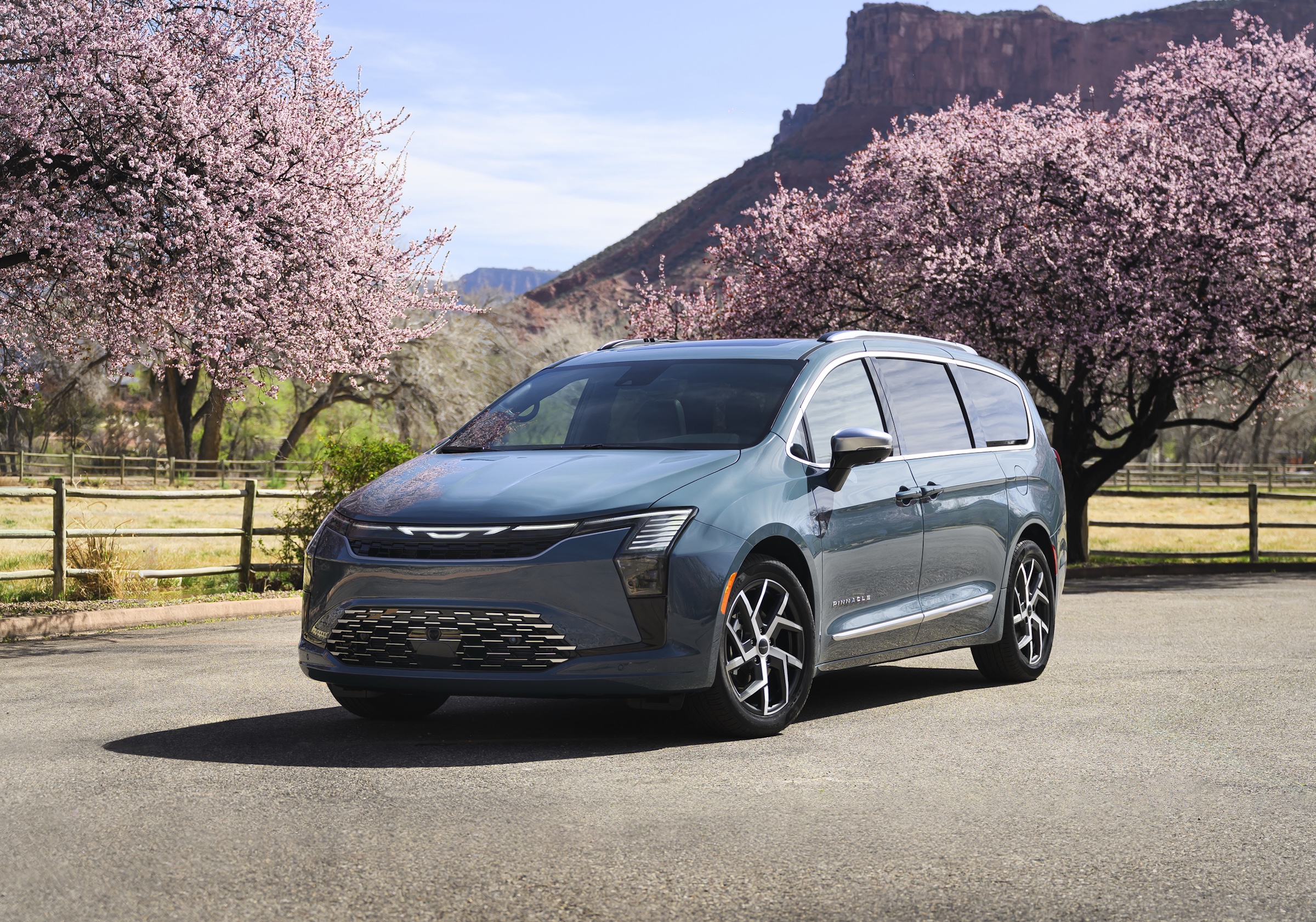
The 2027 Chrysler Pacifica Pinnacle. The brand is finally set to get more product.
While those four brands will play lead, Filosa none of the 10 remaining marques will be abandoned. If anything, the automaker sees big growth opportunities for five others, notably including Dodge and Chrysler. The muscle car marque will continue to build its reputation on performance products, including a planned remake of the Durango SUV. There will also be a new “entry” model, Kuniskis noted, marking the revival of the one-time GLH – or “Go Like Hell” – badge first used four decades ago.
Meanwhile, attendees were shown a concept vehicle dubbed “Copperhead” a high-performance sports car likely to be tuned by Stellantis’s SRT performance arm but sold as a Dodge.
As for Chrysler, the once marque has faded into near oblivion, currently offering just one model, the Pacifica minivan – and it even dropped the plug-in hybrid version for 2026. “Can Chrysler be more than a minivan brand?” Kuniskis asked rhetorically. “It’s clearly been more than that in the past,” and the plan calls for the once iconic marque to get three compact utility vehicles, Arrow, Arrow Cross and Airflow.
Affordability

Customers were increasingly hesitant about closing deals in recent months, affordability seen as a growing concern.
Critically, all three will come in under $40,000, two under $30,000, Stellantis clearly recognizing that affordability is becoming more and more of an issue for the U.S. where today’s average transaction price – which factor in MSRP, discounts and options – has now reach a record of more than $50,000, according to industry data.
To cut costs, Stellantis plans a number of steps. These include trimming back to just three unique platforms for the vast majority of future vehicles. These will be shared worldwide. And this approach will make it easier to produce varying “top hats,” the bodies built atop those platforms. Critically, the new approach allows architectures like the new STLA One to vary significantly in width, length, height and wheelbase. That particular platform will underpin models in the A, B and C segments of the market.
Other moves underway will help slash the time it takes to bring new products to market, at least if the Fastlane 2030 project pans out. Currently, noted Filosa, it takes about 48 months to go from concept to production at Stellantis. The goal is to trim that to 24 months. One benefit: new products will be in closer sync to changing market trends. Another benefit, at least for Stellantis: lower costs should translate into higher profitability. So should higher sales by helping the automaker sharply increasing factory utilization to a projected 80% of capacity.
Whether it all will pay off remains to be seen, cautioned analyst Sam Abuelsamid, of Telemetry Research. But it suggests that Stellantis has a vision of where it wants to be in the future that takes into account the challenges facing it in an increasingly global industry.
Smart cars
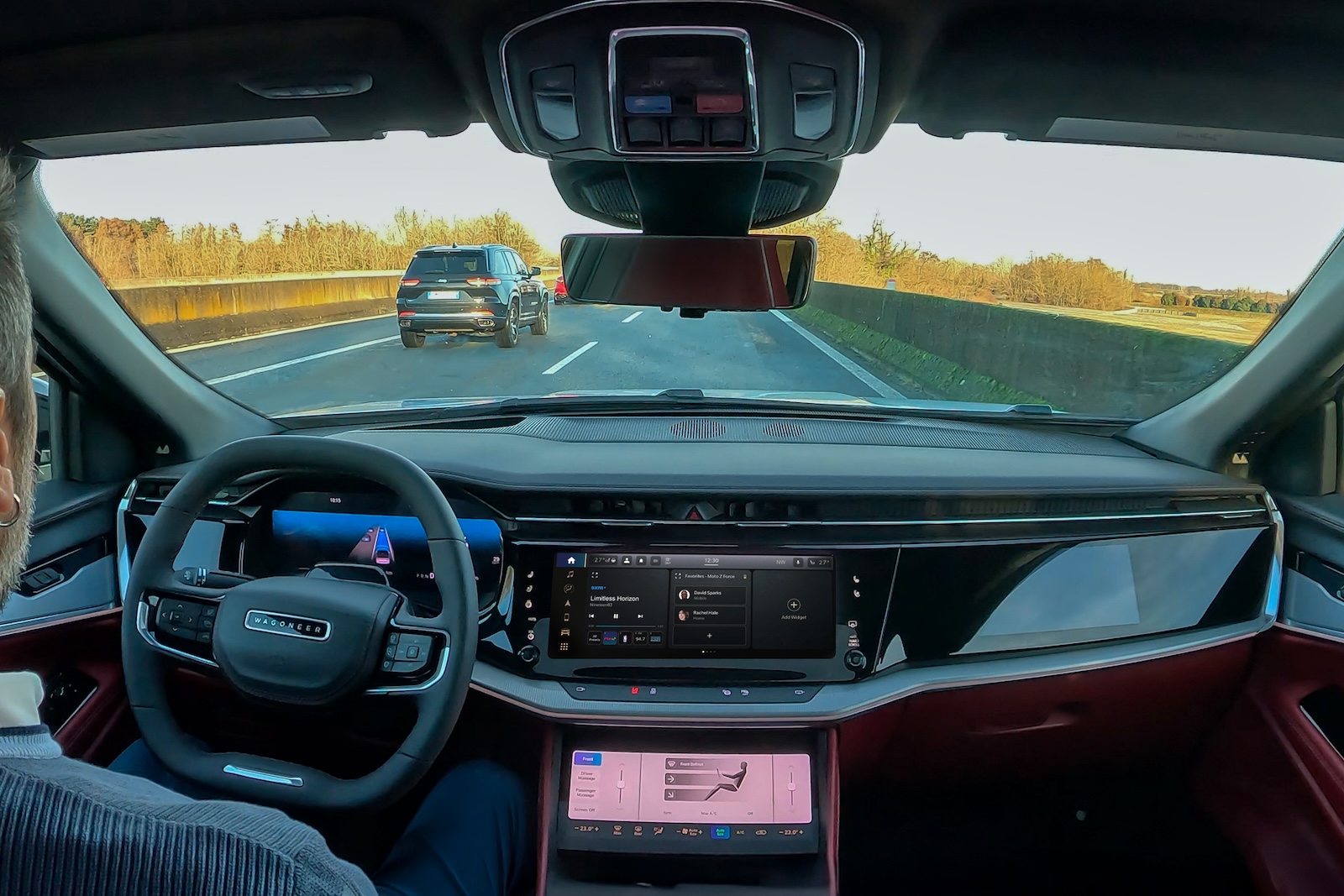
Stellantisplans to keep upgrading the STLA AutoDrive system.
While primary attention may have focused on all the new products Stellantis is developing, as well as the new regional focus, the automakers also spotlighted the technology it’s planning to bring to market.
That includes the new “STLA Brain,” a centralized computing system that will slash the number of standalone microprocessors found in today’s vehicles. The technology will be as much as six times faster than the technology in today’s models It also will make it easier to load up future products with features and services that could generate billions of dollars in new revenues. Many of those will operate through the new smart cockpit going into as much as 70% of Stellantis products by 2035, company officials revealed.
The automaker also offered new details about a series of partnerships with tech companies like NVIDIA and Wayze, the latter firm development next-level autonomous driving systems that Stellantis hopes to start rolling out before decade’s end. It not only wants to get into the emerging robotaxi business but also produce its own self-driving vans, said Filosa.
Will it work?
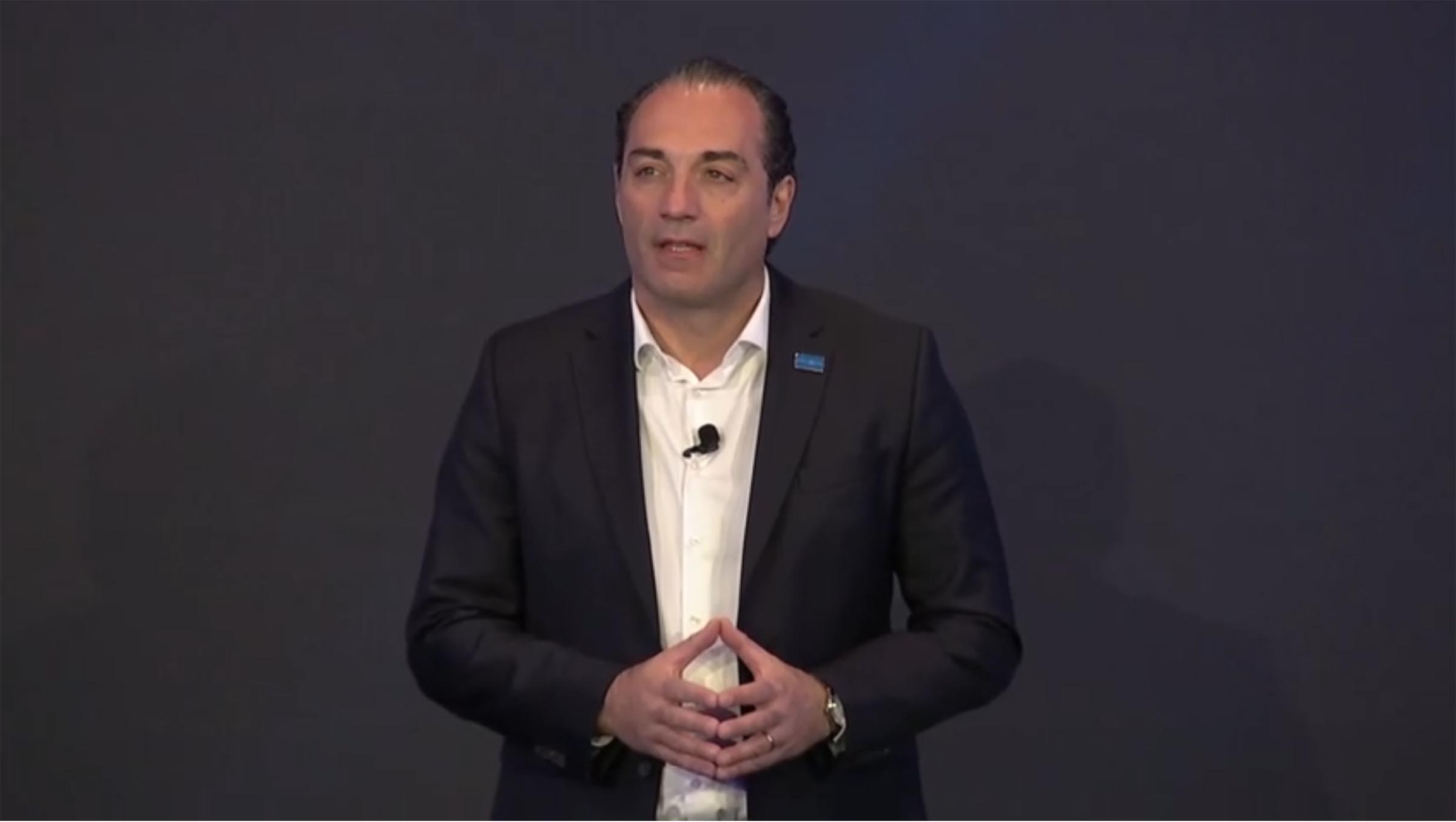 “My biggest concern about the North American model is that there is still a very heavy emphasis on throwing big V-8s everywhere,” said Sam Abuelsamid, lead auto analyst with Telemetry Research.
But the broader approach, several other attendees said, appears to be a major step in the right direction. The model crafted when Stellantis was formed five years ago hasn’t panned out. The company needs to make significant changes reflecting the dramatic shifts reshaping the automotive industry.
According to Filosa, it will take several years to get Fastlane to live up to its name but, by 2028, he said, we’ll see a rapid acceleration in new product launches and see whether the strategy really will pay off.





0 Comments