
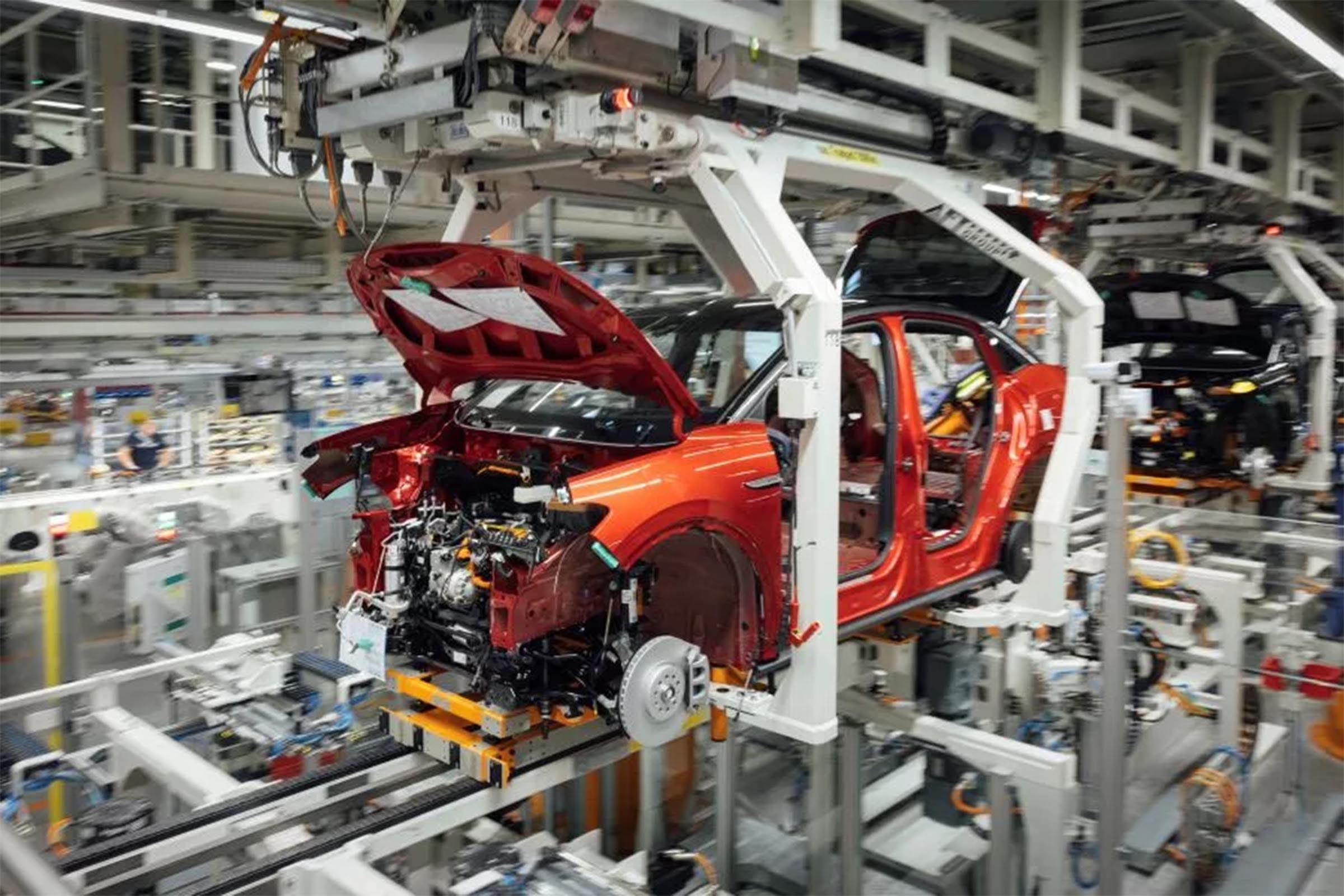
Volkswagen is preparing what may become the largest restructuring in its nearly 90-year history, a move that could see as many as 100,000 workers lose their jobs as four German plants close. The move is blamed on its weakening position against domestic Chinese brands like BYD and Geely, reports Headlight.News.
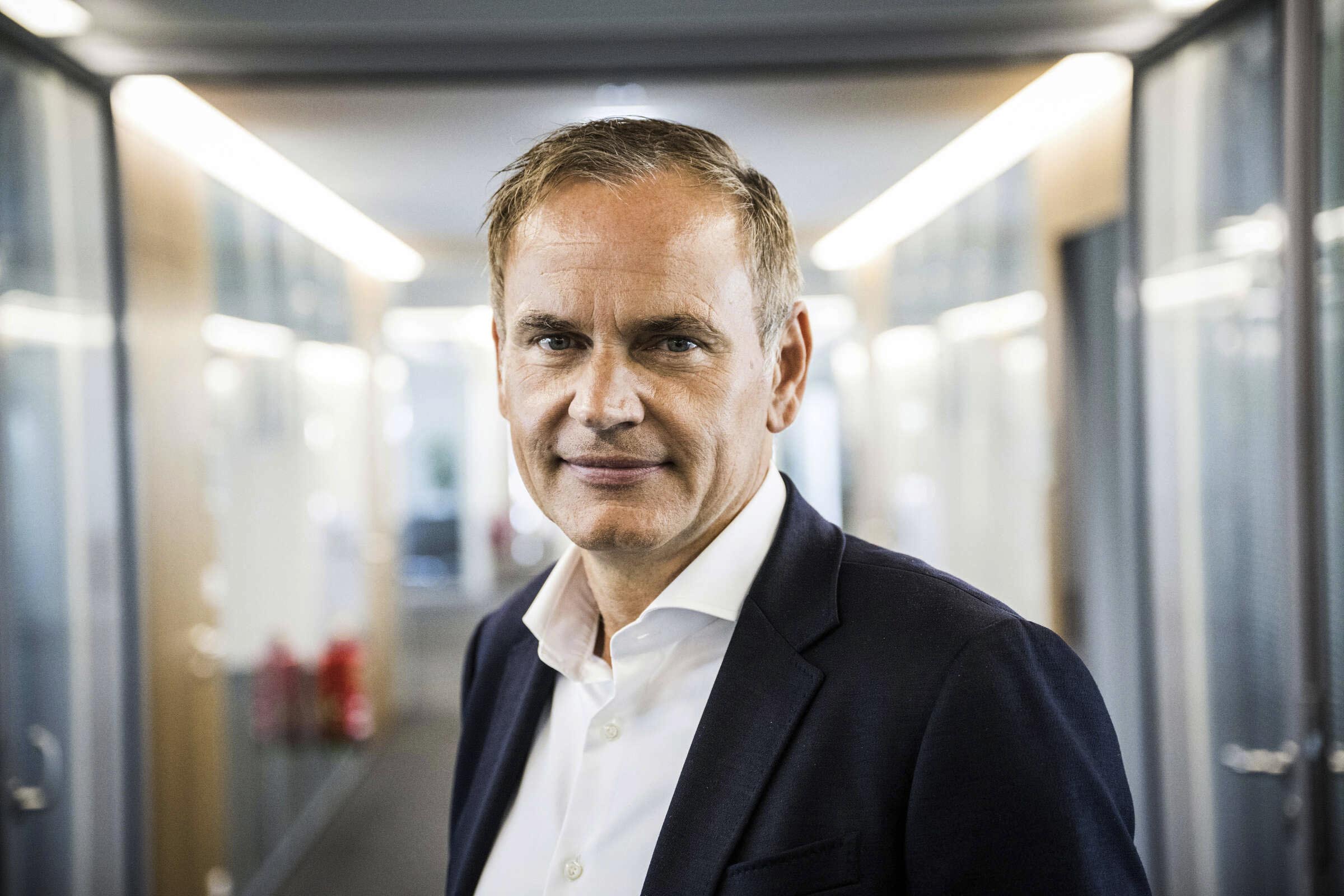
VW Group CEO Oliver Blume is expected to order a major restructuring plan.
With demand falling in China, even as Chinese brands continue to carve out a growing share of the European market, Volkswagen is working up plans for a major restructuring, a report out of Berlin noted.
The move would involve the closure of as many as four plants and cost up to 100,000 workers their jobs, Germany’s Manager Magazin reported, in what could be the largest restructuring of the globe’s second-largest automaker since it was founded in 1937.
“The VW Group has suffered from years of neglect in readjusting workforce numbers due to the stranglehold the regional government and trade unions have on the company,” independent auto analyst Matthias Schmidt told the Reuters news service. “The market reality is hitting the German giant hardest.”
What’s new
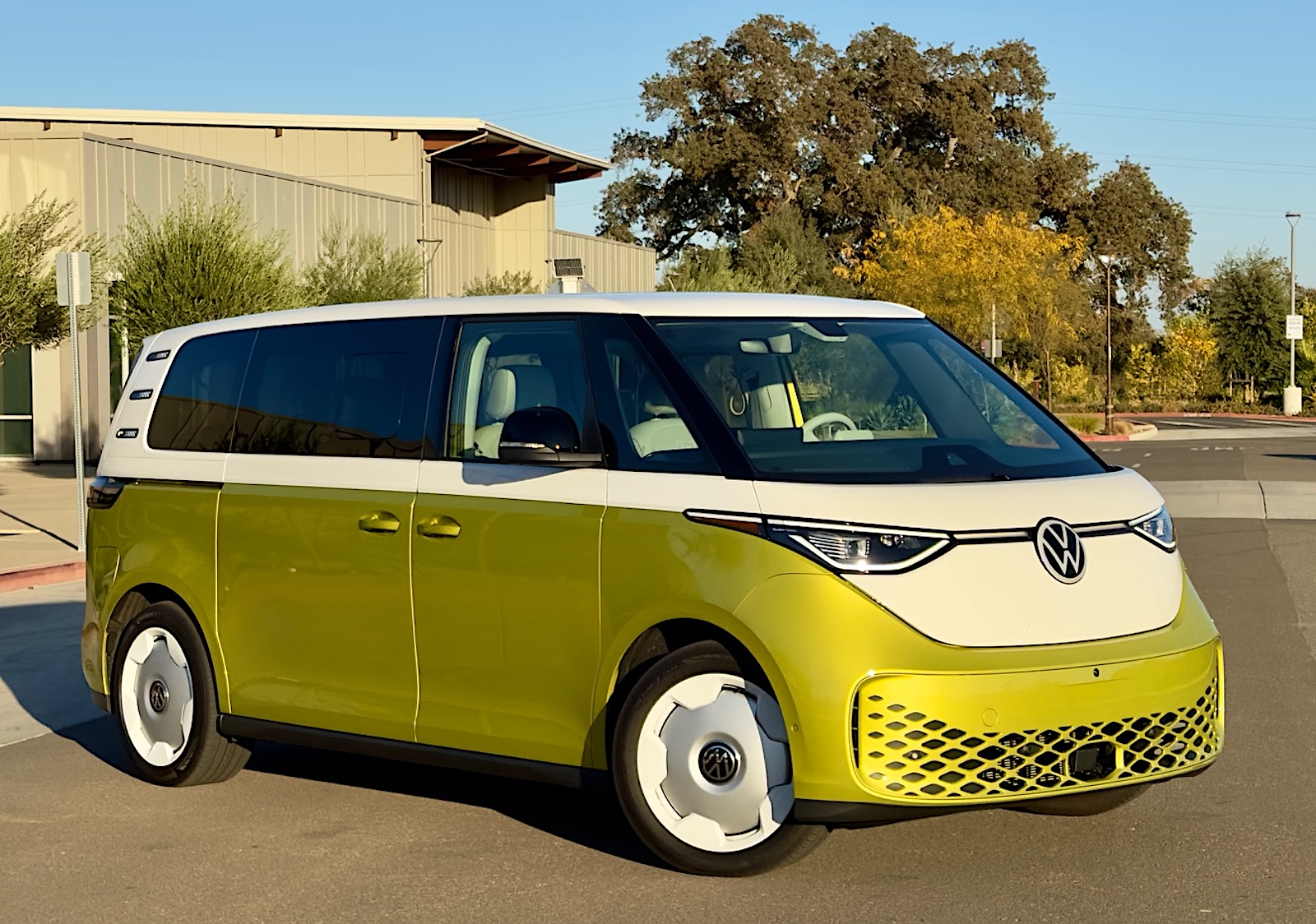
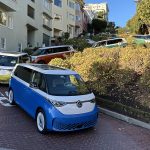
VW has faced a variety of problems, including the need to slash spending and production on EVs like the Buzz microbus.
According to sources quoted by Manager Magazin, VW CEO Oliver Blume presented the restructuring plan to senior executives last week. He will need strong support if the company moves forward with the restructuring as it is widely expected to run into fierce resistance from VW’s unions, notably the powerful IG Metall. It will also need to win support from the state of Lower Saxony, its second-largest shareholder – and the home of many of the workers who would be impacted by the proposed cuts.
Four plants appear to be at risk, including VW factories in Emden, Hanover and Zwickau, as will as luxury brand Audi’s factory in Neckarsulm. The move, combined with cuts previously announced, could bring to as much as 100,000 the number of jobs that might be eliminated.
VW additionally plans to reduce total investments by 15% over the next five year, to around $148 billion, the reports from Europe indicate.
What’s behind the cuts?
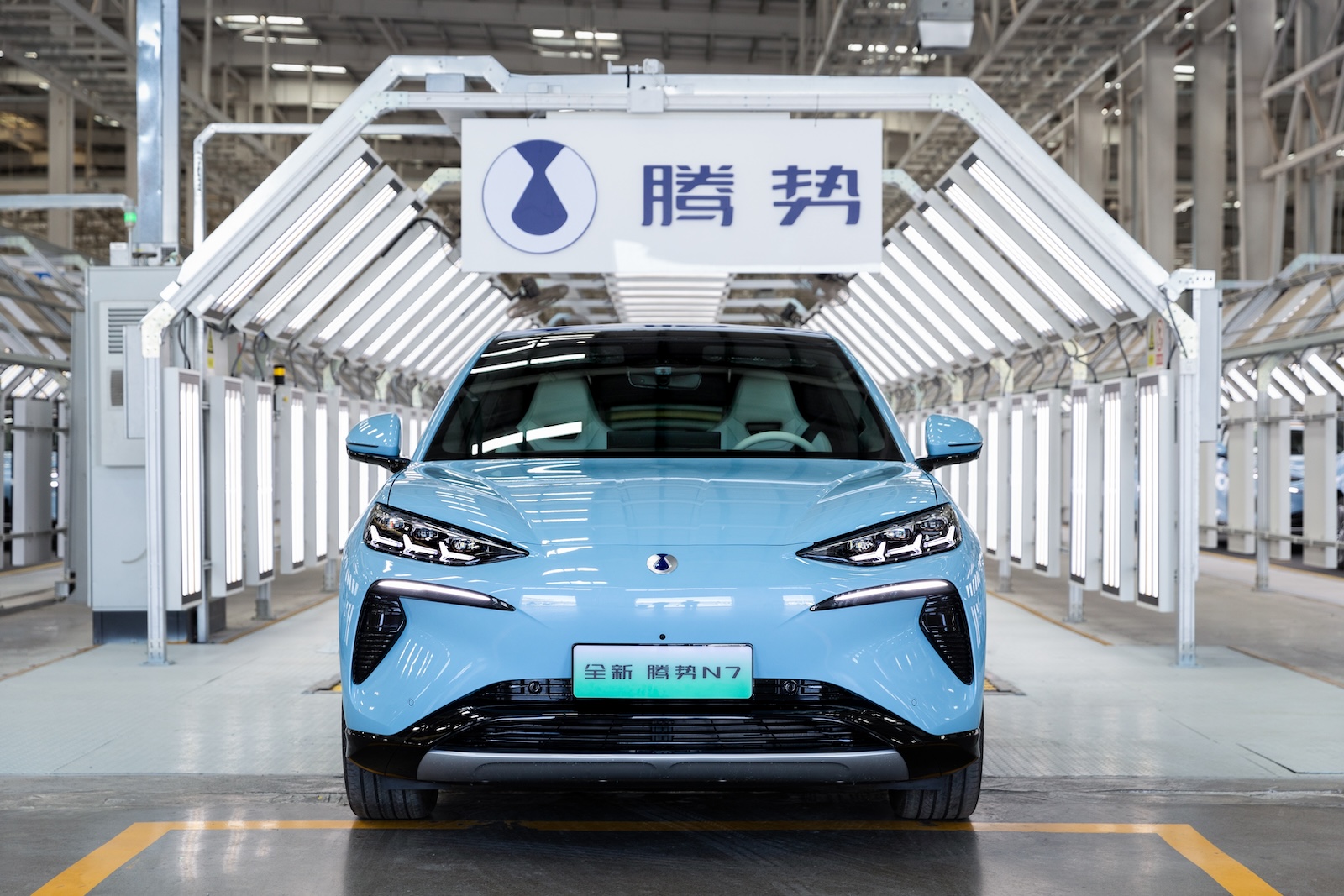
A BYD Denza N7, coming off the assembly line.
Though it might be the world’s second-largest automaker behind Toyota Motor Corp., the Volkswagen Group has been struggling in virtually all key markets:
- In Chiina, sales slid 8% in 2025, to 2.69 million – though the market still accounted for about 30% of the group’s global volume;
- In the U.S. demand slipped to 329,813 in 2025, a 13% year-over-year decline;
- VW did muster a 5.1% gain in Europe, to 3.57 million vehicles, but it is facing increasing pressure on pricing and profits.
The big challenge comes from fast-growing Chinese domestic brands, including BYD, which surpassed VW sales in the China market in 2023. It has also lagged behind Geely, though that company has had its own problems in recent months.
More Auto News
- BMW Wants to Make its Spartanburg Plant the Factory of the Future
- Next Hyundai Elantra Gets a Radical Makeover
- Feds Ban Polestar from U.S. Market as of 2027 Model Year
Doubling down
Volkswagen has faced a variety of other headaches over the last 11 years, the company in 2015 hit by a scandal over diesel emissions standards that cost it around $35 billion in fines and settlements worldwide. Since then, it’s undergone a series of management changes, Blume taking over as CEO in 2022.
His tenure has been marked by a struggle to reset sales and earnings and saw management announce an earlier restructuring set to cost about 50,000 jobs. The latest reports suggest that figure could be doubled if the new plan lives up to what sources have revealed.
If it does it would be one of, if not the, biggest automotive restricting ever. The previous record was set by General Motors, Reuters noted, when it emerged from bankruptcy closing, selling or idling 21 plants, dropping four U.S. brands and eliminating 74,000 jobs.
Initial response to the VW news was negative, shares fell sharply on Friday and continued tumbling on Monday in both Europe and the U.S. Since Blume took over as CEO, meanwhile, VW shares have lost about 60% of their value.


Blame the EU for allowing Chinese cars in.