
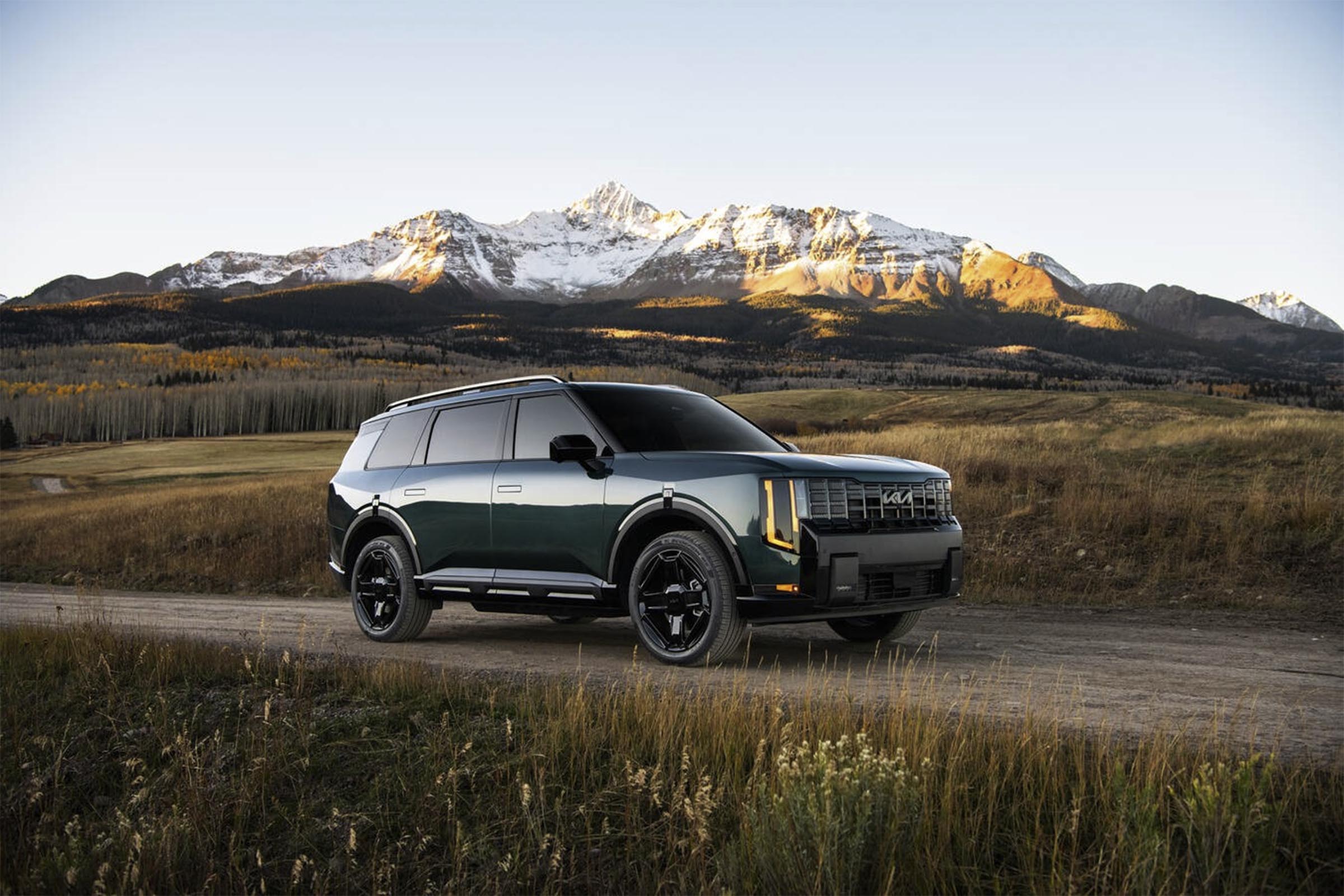
What automotive downturn? We’ve been hearing a lot of doom-and-gloom forecasts in recent months but you’d be hard-pressed to take them seriously based on July sales. While a few manufacturers have yet to weigh in, demand surged for the month, with more than a few brands setting records. The driving force? Hybrids. More from Headlight.News.
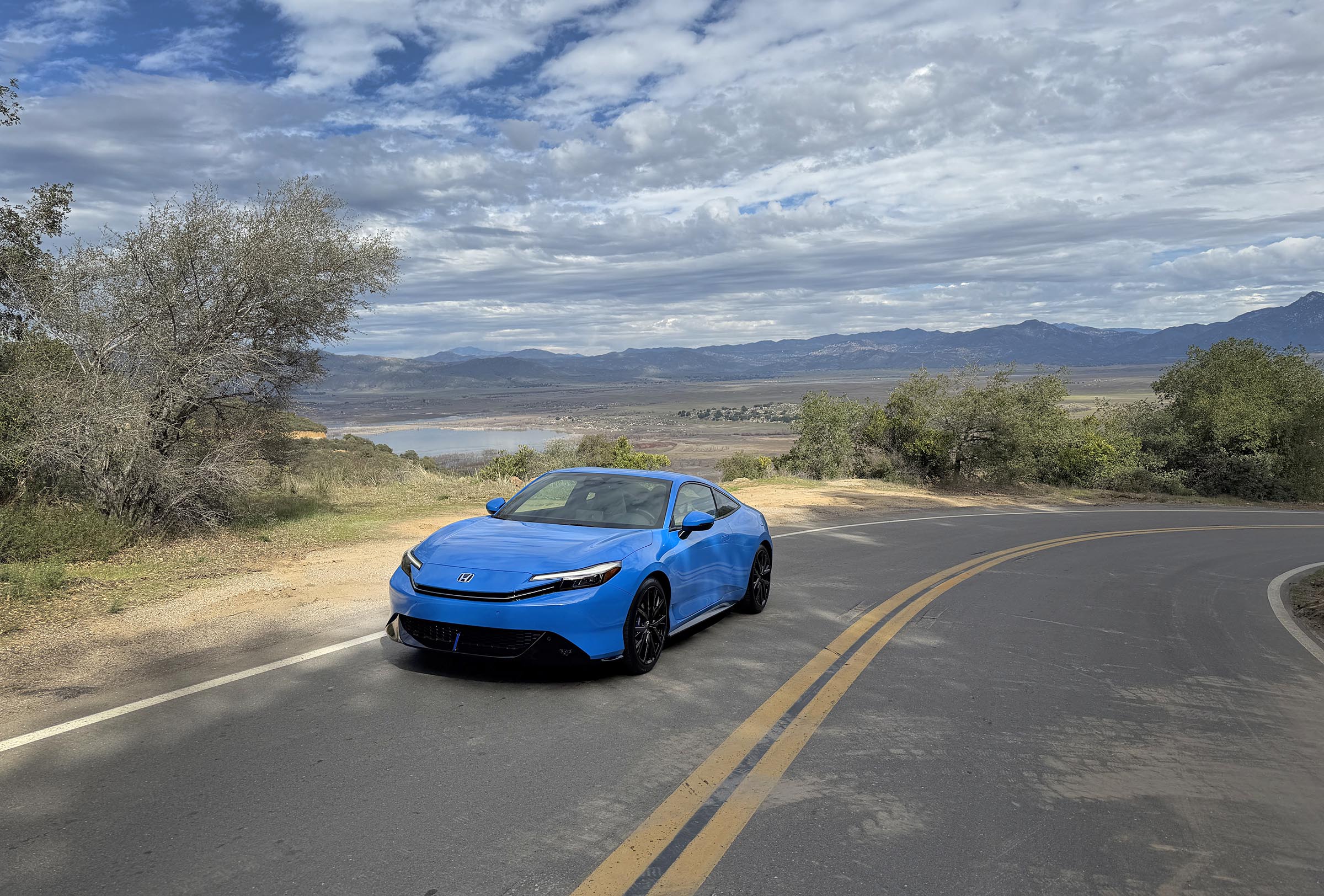
Honda is offering Prelude only with a hybrid drivetrain.
While a few manufacturers only report sales on a quarterly basis, we’ve got enough data to know that July soundly put to rest – for now – any talk of an automotive recession. Quite the contrary, J.D. Power and other analysts estimating the market approached an annualized rate of nearly 17 million.
Several brands set all-time records, including Koreans Hyundai, Genesis and Kia. And Honda reported its best July sales in seven years. While there were some losers – hint: Ford – the industry had an exceedingly good month.
Why? A variety of factors came into play, but the driving force proved to be electrification. More precisely: hybrids. Gas-electric models collectively accounted for 15.9% of the industry’s total July sales. At Kia, hybrid-electric sales accounted for 27.7% of its total volume last month, jumping a full 108% over July 2025.
What automotive recession?
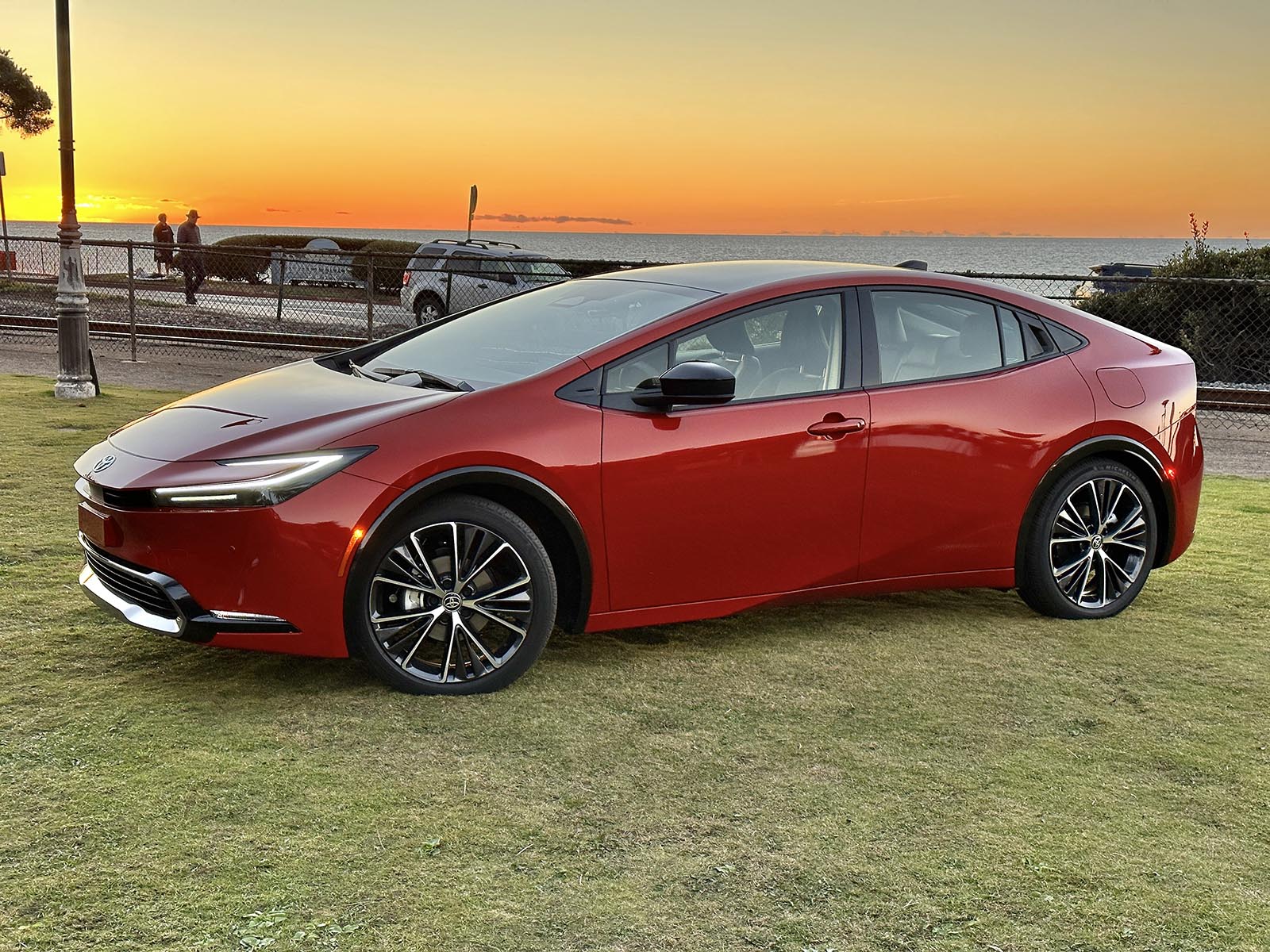
Hybrids, like this 2026 Prius, now account for roughly four in 10 Toyota sales.
The year got off to a slow start and industry analysts have been worried that sales for all of 2026 could come in well below the 16.4 million total we saw in 2025. There’ve been all sorts of headwinds, notably the record cost of new vehicles, now fast-approaching $50,000, according to Cox Automotive and others. It hasn’t helped that inflation, in general, is straining everyone’s pocketbook.
Ironically, inflation might be working in the industry’s favor in one sense. If you’ve got an old clunker barely managing 20 miles per gallon you have to be thinking about finding a more fuel-efficient alternative. And that’s where hybrids come in.
“A significant chunk of that growth” the industry saw in July “ is being driven by people looking to swap out older, less-efficient vehicles for more efficient hybrids,” said Sam Abuelsamid, lead analyst with Telemetry Research.
Winners and Losers

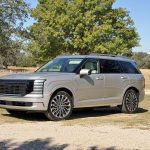
Hyundai’s expanded line of hybrids, including this version of the Palisade, has really clicked with U.S. buyers.
There were few sour notes last month. One exception: Ford, where year-over-year sales tumbled 10.2%. But the automaker downplayed the numbers, sales chief Rob Kaffl insisting it came “by design,” and was largely the result of the decision to end production of the Ford Escape and Lincoln Corsair models. Ford also slashed deliveries to rental fleets. But production snags also hurt sales of the automaker’s best-selling F-150.
Elsewhere, July brought a number of records, notably among the three Korean brands. Hyundai and Genesis both reported 4% gains for July, while Kia jumped 7%. Honda, meanwhile, had its best July sales in seven years, a year-over-year increase of 12.3%
Notably, all four of those automaker’s can give credit to hybrids for putting the wind under their sales, while the industry, as a whole, reported a 37% increase in gas-electric offerings compared to July 2025.
More Auto News
- New Rivian R2 is the Result of “Creative Subtraction”
- With Lucid Facing Potential Bankruptcy, Could This Mark the End of the EV Start-Up Era?
- Consumers Tell JD Power Today’s Vehicles Are More APEAL-ing Than Ever
Hybrids drove the market
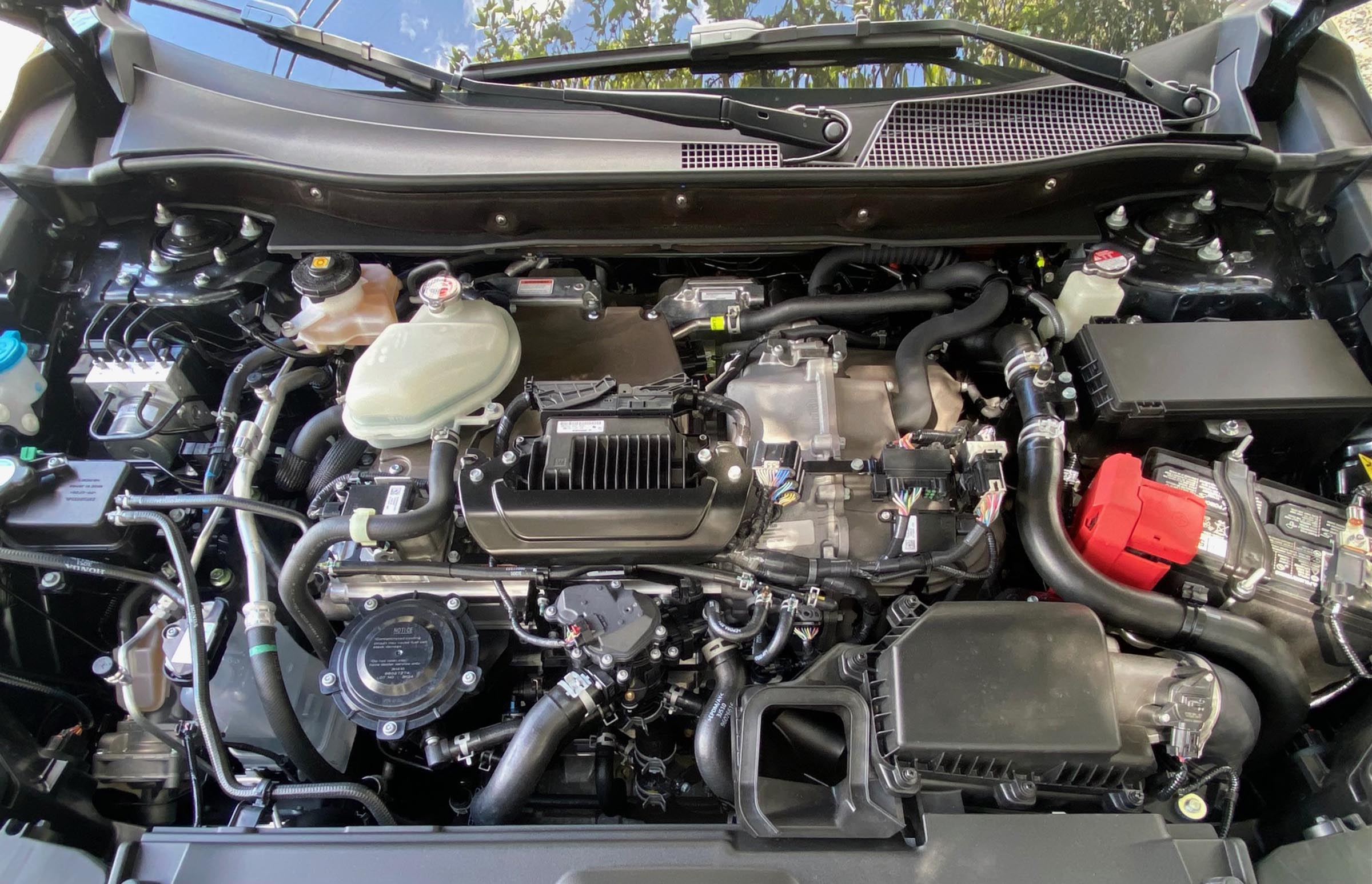
The Honda CR-V’s two-motor hybrid engine.
Kia delivered a whopping 108% year-over-year increase in hybrid sales, largely driven by the arrival of the first-ever gas-electric version of its second-generation Telluride SUV. Collectively, hybrids made up 27.7% of Kia’s total U.S. sales volume in July.
The Korean automaker’s bigger sibling, Hyundai, saw a 35% year-over-year increase in hybrid volume, with a total of 22,733 sold during the month, 27.6% of its total U.S. deliveries.
Japan’s two largest automakers also benefited from the hybrid surge. In all, gas-electric models accounted for 29% of Honda’s volume in July. It delivered a total 36,609 hybrids for the month, an 18% year-over-year increase. Significantly, hybrids accounted for 54% of all CR-V crossovers, currently the best-selling vehicle in the U.S.
While Toyota doesn’t break out hybrid volume, it noted that “electrified” products accounted for nearly half of July sales, the vast majority of that made up by hybrids like the Prius and Camry – two of a growing line-up of models now sold exclusively in gas-electric form.
How high can they go?
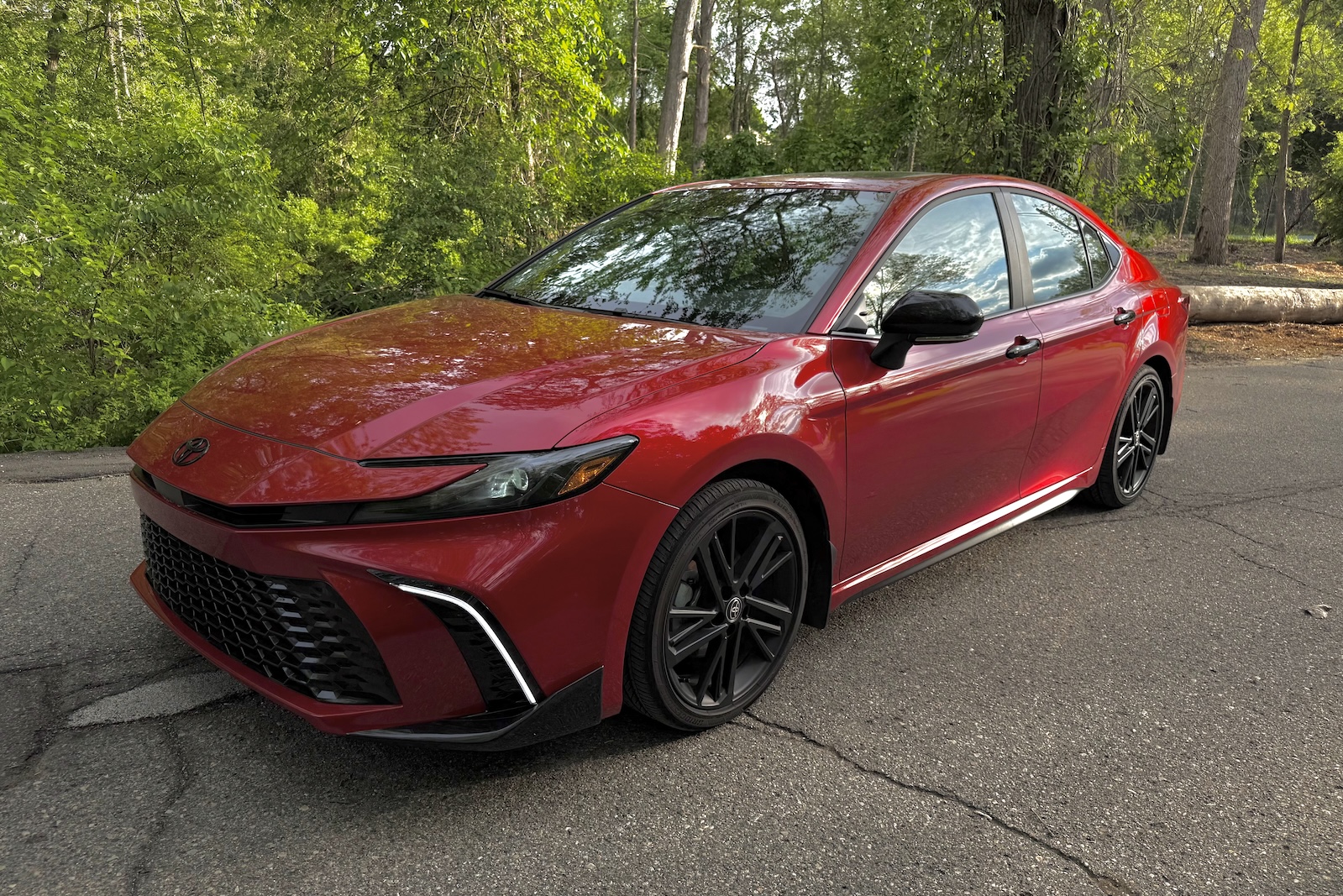
The latest-generation Toyota Camry is offered solely in hybrid form.
In all, hybrids accounted for 15.9% of July sales, according to J.D. Power, up from 13.4% a year earlier.
The rapid growth stands in sharp contrast to the weakness of the battery-electric vehicle market which stumbled badly once federal tax credits were phased out last September. EVs accounted for just under 8% for all of 2025 and are currently hovering barely 6%. There actually are some signs of a modest resurgence – also driven by high fuel costs, even as more entry-priced models come to market.
But hybrid momentum may continue to accelerate, forecast analyst Abuelsamid and others who spoke to us. Some observers believe they could approach 20% of the market in the next year or two, the big challenge likely to be one of availability, rather than consumer demand. Automakers are now struggling to come up with the necessary batteries and motor drive units to boost production, even while adding more hybrid models.
Of 16 models that aren’t all-electric, only two sold by Toyota today aren’t available with hybrid drivetrains, and a half-dozen, like Prius, Camry and Crown Signia, are hybrid-only. Honda last month said it will not only accelerate the rollout of hybrid models but add to the list of hybrid-only nameplates, currently only the Prelude.
A very different animal
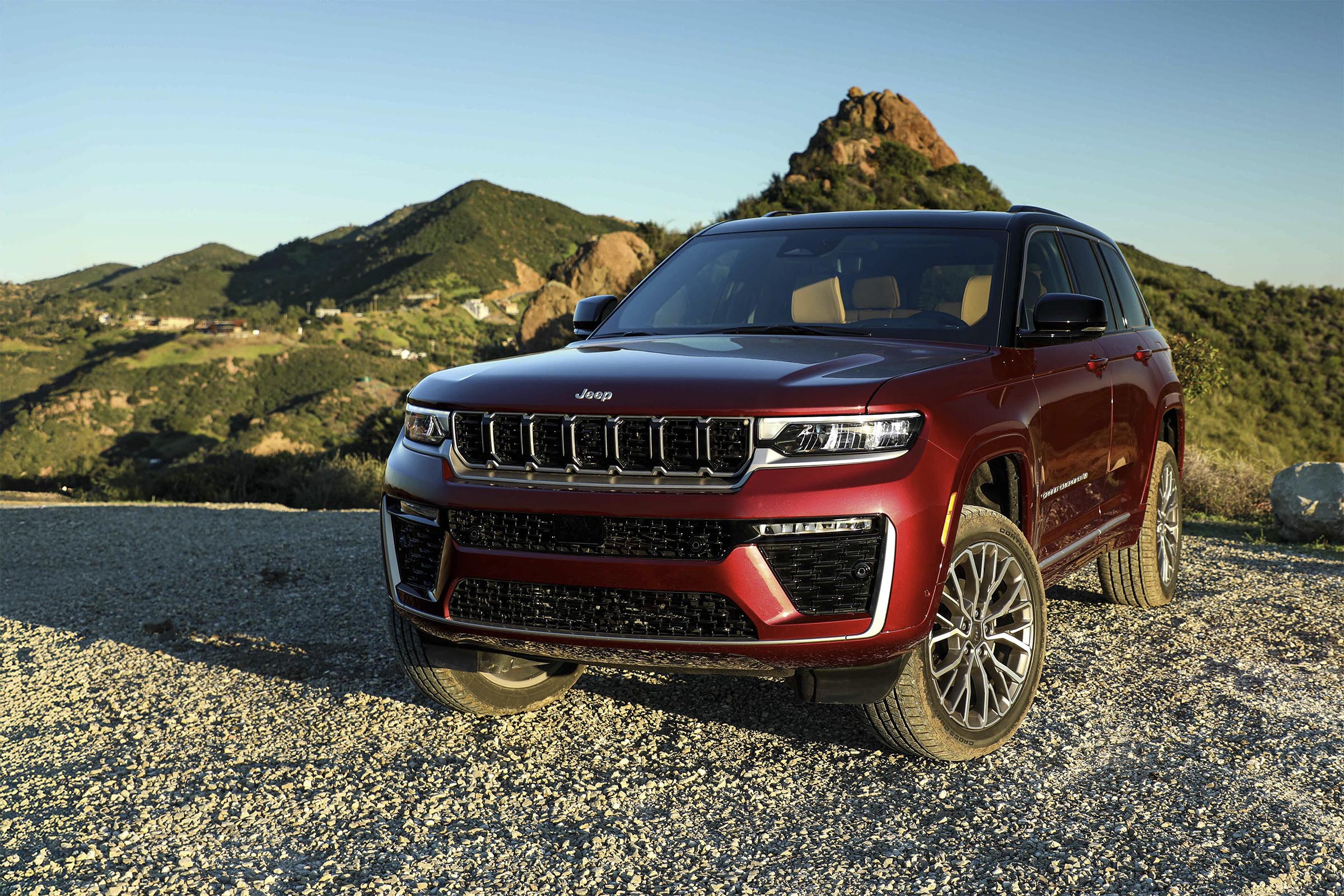
For now, Jeep offers the Grand Cherokee only in hybrid form.
If your image of a hybrid is the original Toyota Prius launched in July 2000, or one of the other ungainly versions that followed, you might be in for a surprise. The latest model is a decidedly more stylish package that also offers significantly more features – and substantially better performance – than the prior four generations. It was enough to win an assortment of awards, the latest Prius, among other things, named North American Car of the Year by a jury of 50 U.S. and Canadian journalists.
“It’s not like 20 years ago when you had to buy something weird if you wanted a hybrid,” said Abuelsamid. More and more deliver solid performance – indeed, some hybrid packages are the sportiest options. The Civic Hybrid, noted Abuelsamid, is as quick and powerful as the Civic Si.
Better yet, he added, the price penalty has been shrinking. Kia charges about $2,000 more for the hybrid version of the Telluride, and that gap is even less for some other current hybrids. So, said Abuelsamid, “You’ll make that back, typically in less than two years, in terms of fuel savings.”
As a result, he’s confident that, “over the next several years, we’ll see hybrids become the default choice for most people.”


0 Comments