
This story is reprinted with permission from TheCarCollective.Substack.com. You can Click Here for a free subscription.
Stellantis is recalling nearly 1 million vehicles due to a backup camera problem. But it’s nowhere near the largest recall in a year that could set new records for safety-related issues. How can that happen at the same time research shows automotive quality reaching new highs?
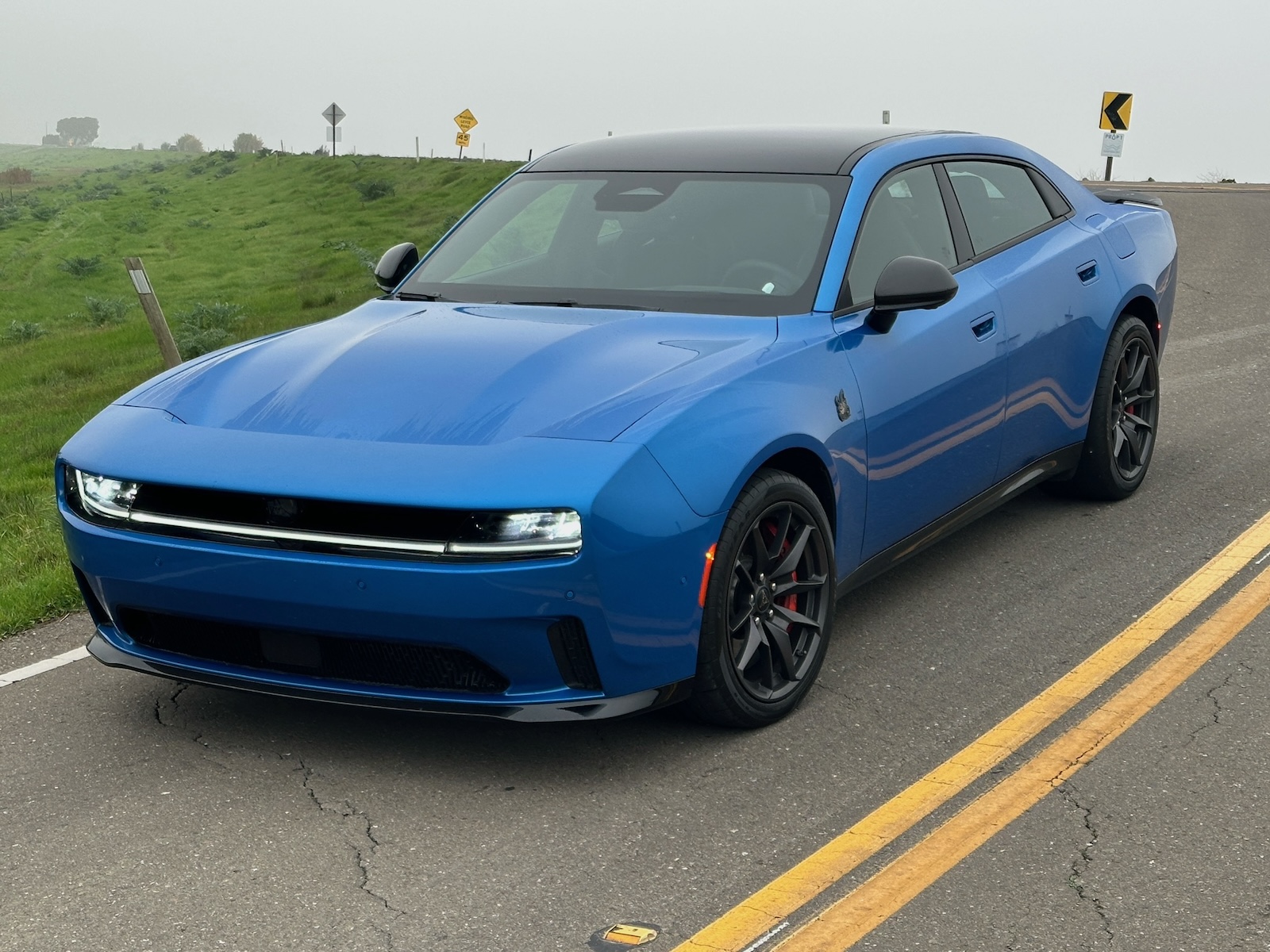
The Dodge Charger is one of the models impacted by the big new Stellantis recall.
It’s not quite a case of half-empty/half-full, but I could certainly understand the confusion a friend faced when he brought up the latest recall by Stellantis. It needs to make a fix to nearly 1 million vehicles due to the potential failure of their backup cameras. As my friend noted, 2026 has seen a flood of recalls covering 23 million vehicles, according to the National Highway Traffic Safety Administration – about twice the number recorded at this point last year.
Driving that surge, a number of high-volume callbacks, including one covering 4.3 million Ford F-150s due to problems impacting trailer lighting and brakes. Indeed, Ford alone has so far recalled about 10.3 million vehicles this year, putting it on track to beat the all-time record set by General Motors in 2014, when it called back 13.6 million vehicles to address safety problems.
“If Ford is going to set a new recall record,” my friend asked, “how can they also claim to be delivering such a big improvement in quality this year?” That’s a good question considering the results of the latest J.D. Power Initial Quality Study which found Ford tops among mainstream manufacturers, it’s score only slightly behind the top-ranked luxury brands, Porsche and Genesis.”
Quality is Job One?
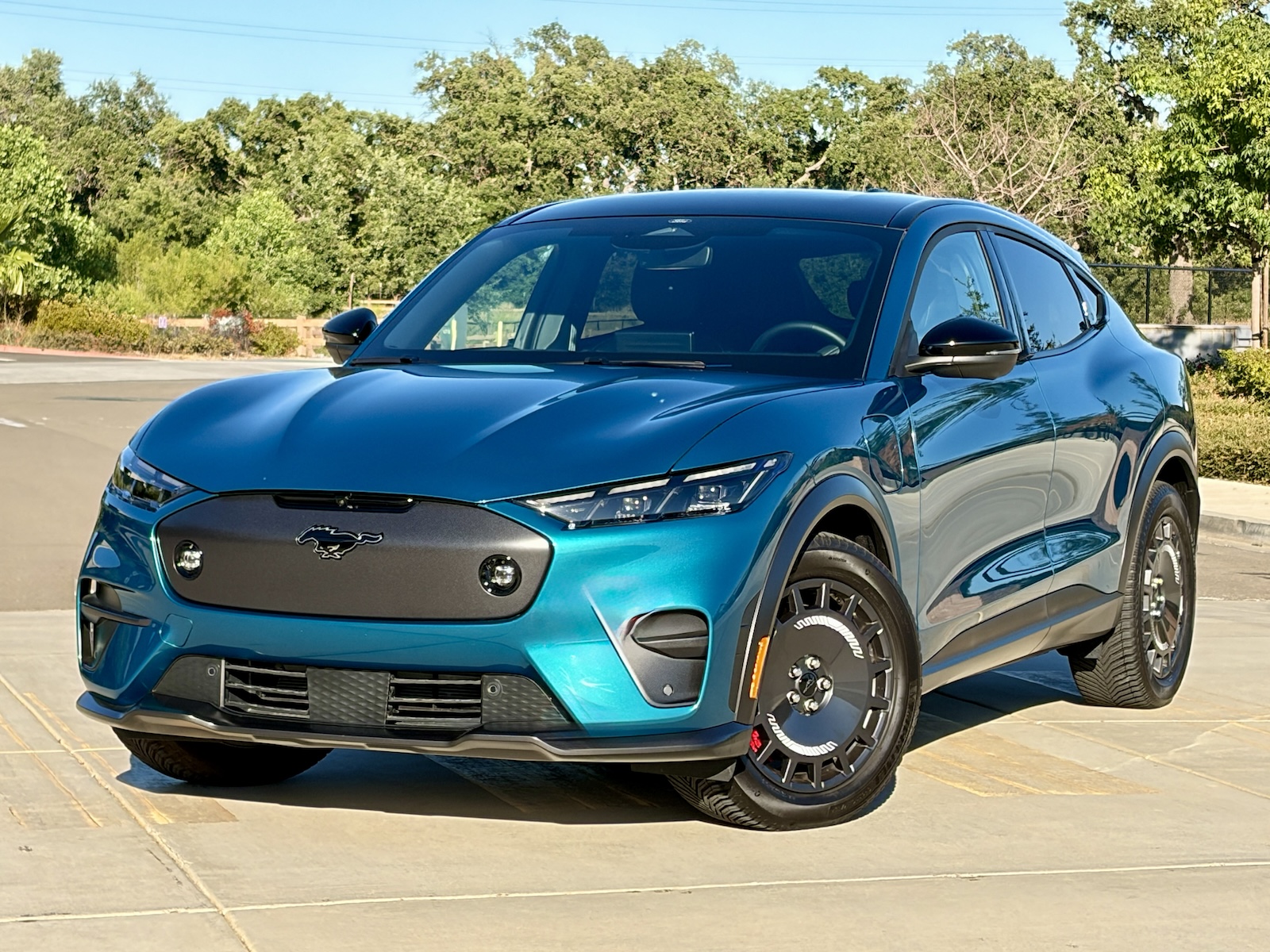
Ford has long struggled to get quality under control – but scored near the top in the latest JD Power IQS.
Ford – which has faced years of quality snags – wasn’t alone, however, as I reported back in June, when the latest J.D. Power IQS came out. There was a significant improvement in initial quality across the industry. In Power-speak, that’s measured by the number of “problems” per 100 vehicles reported in surveys filled out by more than 78,000 owners.
Manufacturers averaged 175 problems per 100, compared to 192 last year. That’s the best year-over-year improvement Power has seen since 1997. As has been the long-running norm, luxury vehicles had fewer problems, on average, at 169 PP100, compared to 177 for mainstream brands.
Now, I should pause for a moment to point out that the IQS focuses specifically on new model year vehicles after their first 90 days of ownership. With the exception of the new Stellantis recall covering products from the 2026 and 2027 model year, “Most recalls cover vehicles that were build two, three, four, even 10 years ago,” explained Sam Abuelsamid, principal auto analyst with Telemetry Research. As such, “recent improvements in quality aren’t reflected in most recalls.”
Lagging or Leading?

Porsche remained number one overall in the 2026 Power IQS.
In other words, recalls are typical “a lagging indicator,” added Paul Waati, director of industry analysis for AutoPacific, Inc. “With recalls, we’re looking into the past.”
California-based AutoPacific has also seen a significant improvement in overall industry quality over the last several years, as have other research studies, such as the annual automotive report card from Consumer Reports.
And it’s not just studies focused on the latest models fresh off the dealer lot. A month after releasing the 2026 IQS, Power followed up with the annual APEAL study. Short for Automotive Performance, Execution and Layout, it’s designed to focus on what you might call “things-gone-right,” the things that really excite owners about their vehicles. The 2026 study found satisfaction levels rising at near record rates in virtually every category Power measured.
More Auto News
- Hybrids Charged Up July Auto Sales
- Has SRT Found the Answer to Turbo Lag?
- Dodge Debuts Charger Super Bee – But There’s More Coming
Not the Same Old Recall

A faulty Takata airbag..
That might seem hard to understand considering the raw number of recalls we’re seeing these days. All in all, 31.3 million vehicles were impacted in 2025, the equivalent of nearly twice the number of new products sold last year. But the raw number reflects some significant changes in the way the auto industry operates – and may actually overstate the recall problem, experts caution.
In their search for improved economies of scale, automakers today rely on common platforms and shared parts and components. In some cases, faulty hardware can be installed across a wide spectrum of models – and manufacturers. At this point 42 million vehicles sold in the U.S. were recalled due to defective Takata airbags sold under 34 different brands by 19 automakers.
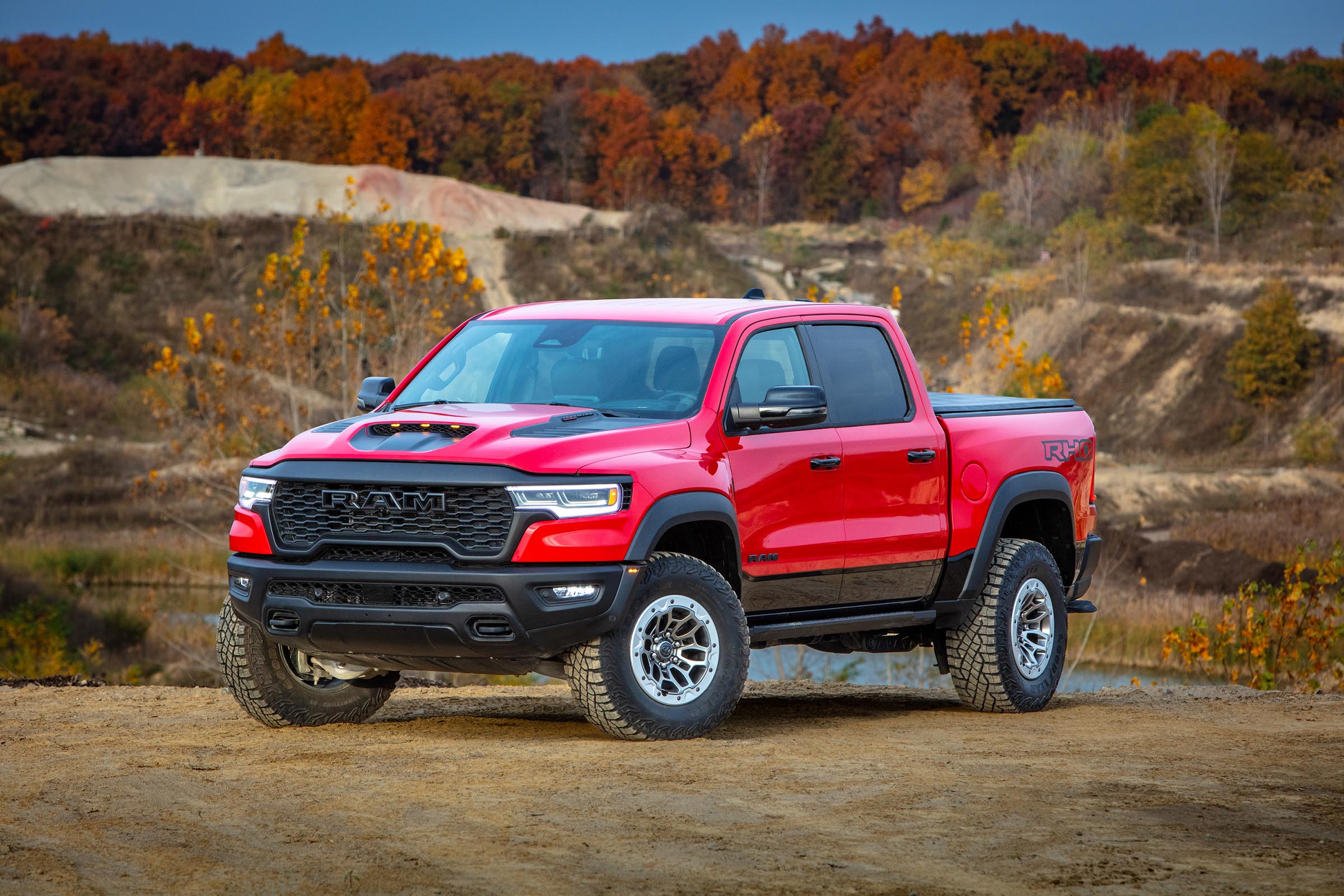
The flawed V-6 engine that’s triggered a pair of Toyota recalls? It’s used not only for the Tundra pickup but the Lexus LX and GX models. The new Stellantis rearview camera recall? It covers models including the Chrysler Pacifica and Voyager vans, the Dodge Charger, the Jeep Cherokee, Compass, Gladiator and Grand Wagoneer, and the Ram 1500 pickup and ProMaster vans.
Cracking the Code
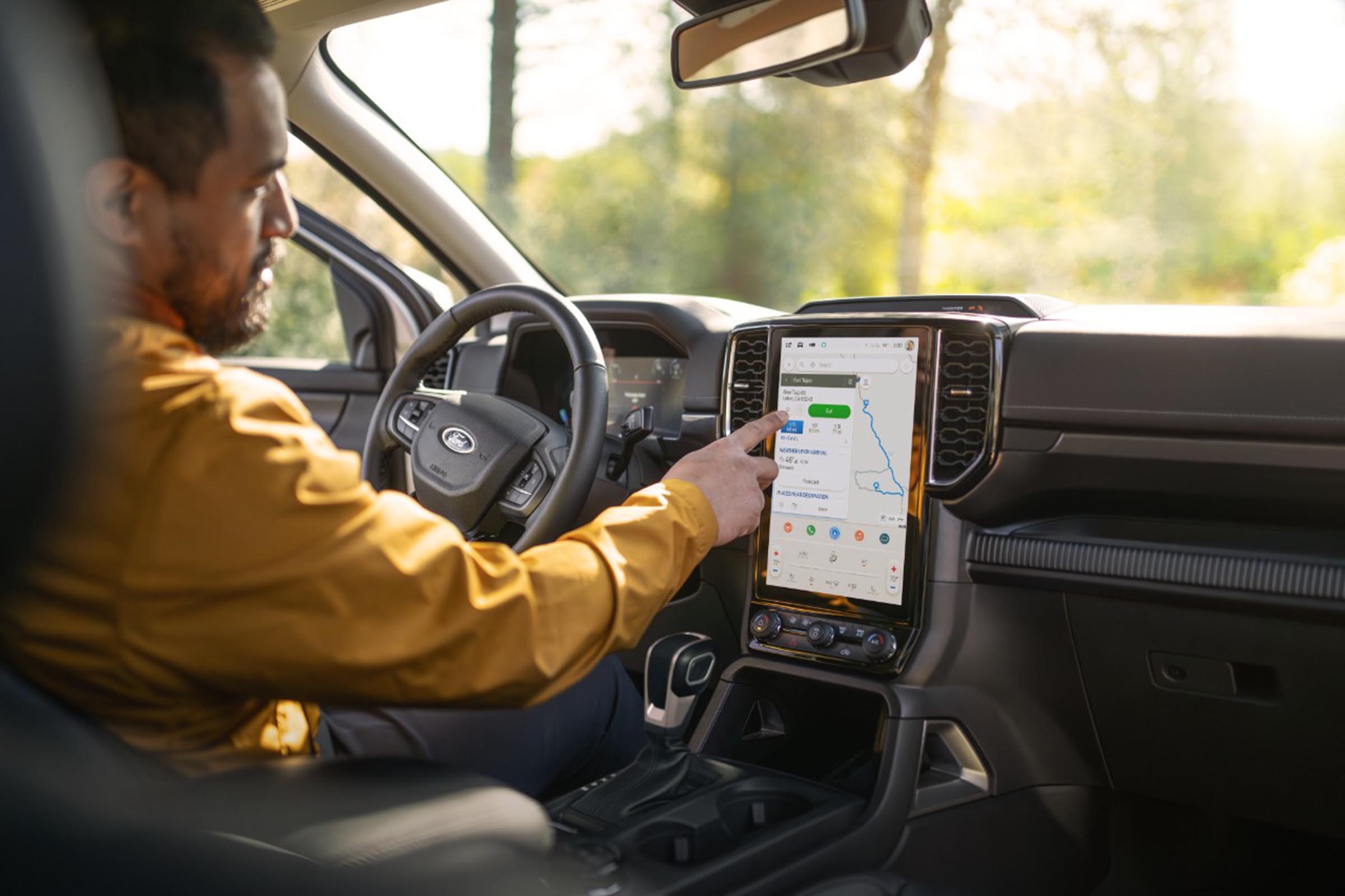
The latest-generation of onboard software has created new quality headaches for the industry.
Those two recalls reveal how much the industry has changed over the past couple decades. Power’s IQS and other longer-term surveys, such as its Vehicle Dependability Study, show that traditional hardware defects are becoming far less common. Failed engines and transmissions, despite the high-profile problems at Toyota, have become a rarity. It’s another matter entirely when it comes to software.
“The car is becoming increasingly more complex with millions of lines of code that can become a safety issue,” said Waati, as the Stellantis recall underscores. Most of today’s quality snags and recalls involve tech problems. Sure, some may involve wiring or chip defects, but they’re more likely to be caused by faulty software these days.
And, with a growing number of vehicles, that allows repairs to be made with minimal consumer inconvenience. Stellantis will update the code on its cameras using smartphone-style over-the-air updates. An approach first pioneered by Tesla, almost all new models now allow OTA fixes.
When Recalls Are a Good Thing
There’s another big change from years past. For decades, automakers had a knee-jerk resistance to recalls. They’d often quietly tell dealers to make repairs when customers experienced problems but avoid ordering full recalls. General Motors in 1984 took NHTSA to court block the recall of its compact X-Car family due to alleged brake problems. It won that case but lost another battle with NHTSA in 2014 over defective ignition switches blamed for 124 deaths. That cost the company about $5 billion in lo
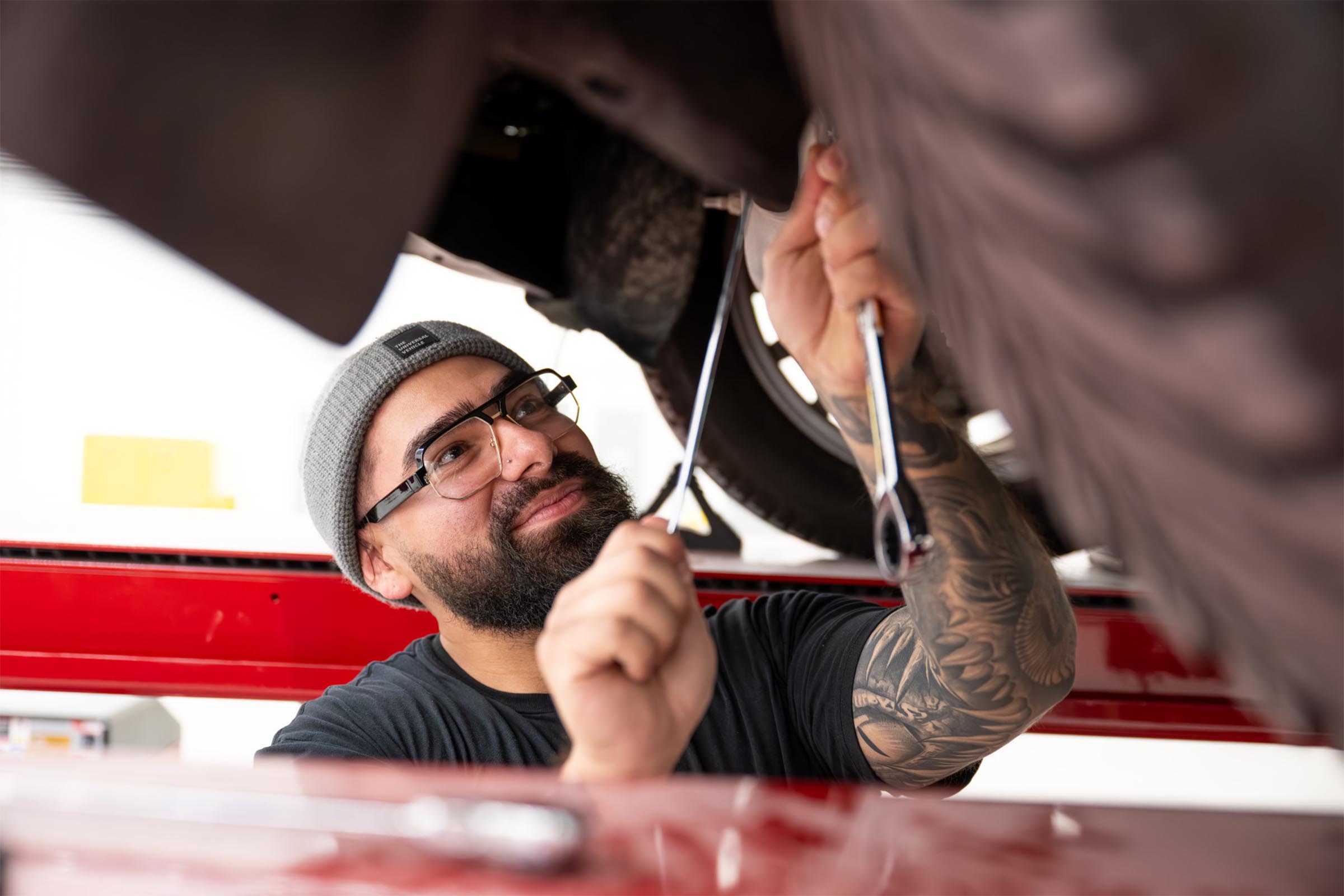
Many of today’s recall repairs can be fixed over the air, rather than by a mechanic.
st profits – in part due to a $900 million settlement fund for owners.
GM also came under much tighter federal scrutiny – and that led to changes not just at the company but across the industry. “We’re in an aggressive quality culture and it’s holding automakers’ feet to the fire,” said Waati. If anything, he suggested, automakers are now more willing to move on potential safety defects at the first sign of trouble.
In years past NHTSA might have received hundreds, even thousands of complaints before action was taken. In many recent instances, however, recalls have been triggered by less than a dozen reports. Better yet, new AI technology is helping identify problems, in some cases, before the first vehicles are even delivered to dealers.
In turn, “Not everyone impacted by a recall will actually experience the problems,” added Abuelsamid. Automakers would rather play it safe and risk inconveniencing an owner to be sure their vehicle is safe.
The reality, the experts believe, is that while there may be more of an effort to catch and address potential safety issues up front it’s actually part of the process of ensuring better vehicle quality.







0 Comments