
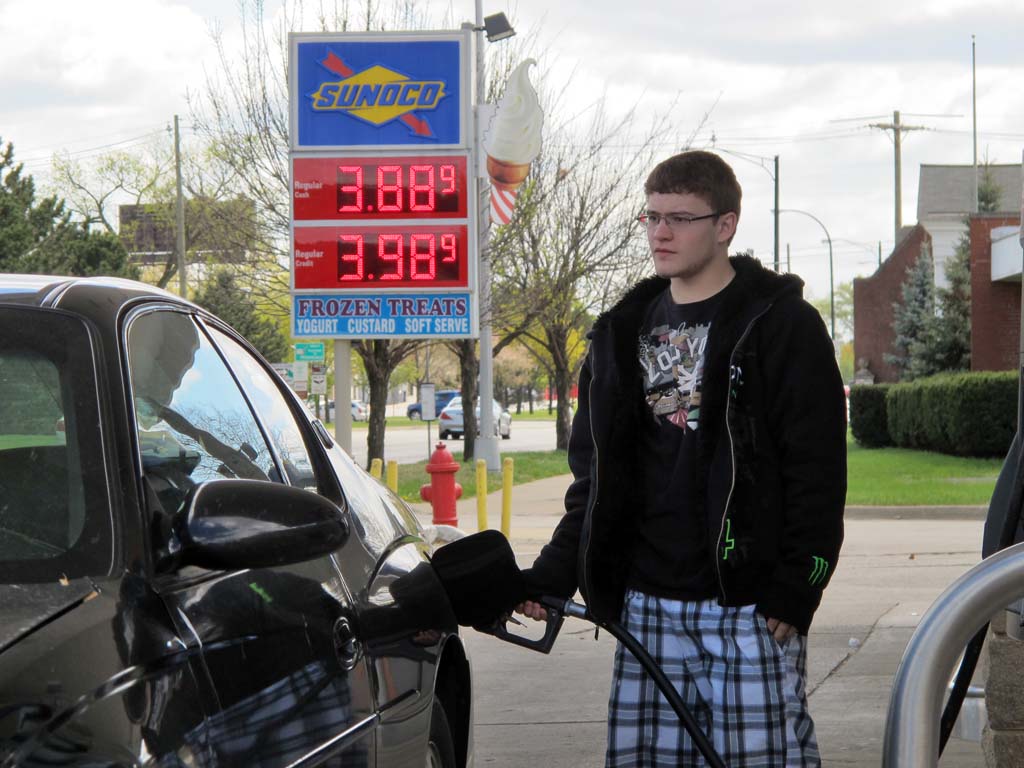
Gas prices have dipped below $4 a gallon – but are still well above what the average American motorist paid prior to the Iran War. And they could stay elevated for some time, reports Headlight.News.

Ships anchor away from Strait of Hormuz. Photo courtesy MoneyControl.com.
With the Strait of Hormuz set to reopen now that the U.S. and Iran have inked a memorandum of understanding aimed at ending their war nationwide gas prices have slipped just under an average $4 a gallon – though those who track the petroleum industry warn it could take quite some time before they reach the levels seen before bombs started falling on Tehran.
In the meantime, the impact of higher fuel costs continue to be felt across the U.S., raising shipping fees, adding to the price of fertilizer and impacting the choices American auto buyers are making. There’s been a “shrinking” of demand for large trucks and SUVs, a General Motors executive said this week, while industry sales data show a surge in sales of high-mileage hybrids and battery-electric vehicles.
“The tendency of gasoline prices to fall slowly is partly because the raw material takes weeks to work through the system until it’s delivered to consumers,” Michael Lynch, a distinguished fellow at the nonpartisan Energy Policy Research Foundation, told the Associated Press.
Relief at the pump
Motorists are still paying $1 a gallon more than before the war began.
Gas prices hit a national average of $4.45 for self-service regular on May 26, reported GasBuddy.com. There had been widespread speculation that could continue climbing if the war stretched on. But prices stabilized as the two sides maintained a fragile truce, then began falling as signs of an impending settlement became more concrete.
The tracking service showed the numbers tumbling to $3.964 approaching midday on Thursday June 18. At the same time, the cost for a barrel of benchmark Brent Crude dropped to $77.09, down from a high of $126 on April 26.
Fuel prices vary widely across the country, with motorists in California spending $5.64 a gallon, reported AAA, while South Carolina marked a nationwide low of $3.58.
Still a long way to go
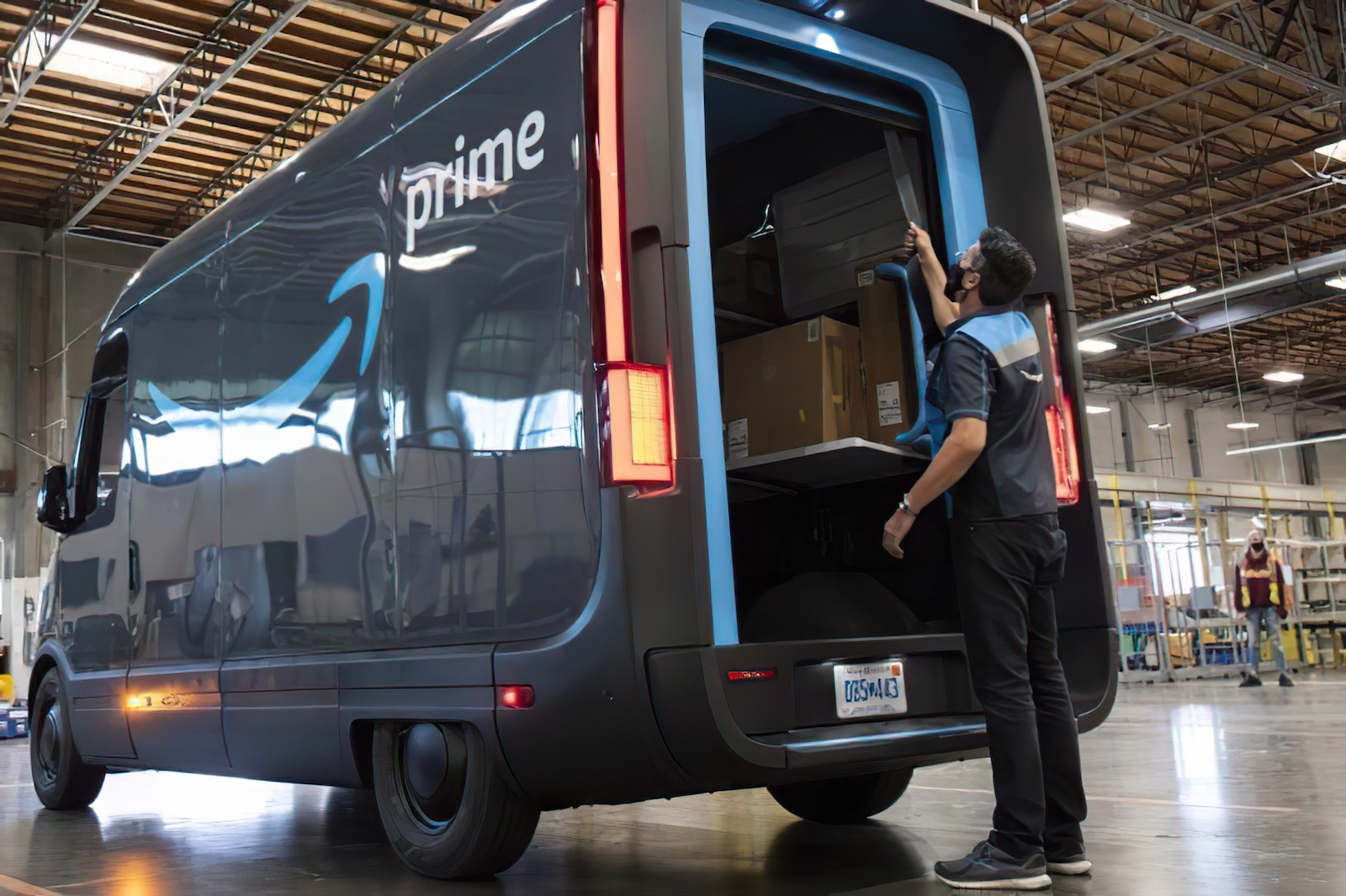
Amazon has to be glad its been switching to electric vehicles for its Prime service.
The decline from a month ago adds up when calculating annualized spending. The average motorist has been burning 575 gallons a year, according to the U.S. Energy Information Administration. So, if the current price held, that would mean a savings of $281.75 over a 12-month period for the typical driver.
On the flip side, gas still costs about $1.00 a gallon more than it did the day before the Iran conflict began on February 26, so that still stretches a motorist’s budget by about $575.
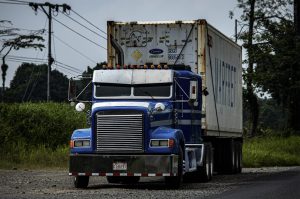
And it’s not just drivers feeling the pinch. The shipping industry has been particularly hard hit, diesel prices posting an even bigger jump than for gasoline, reaching $5.68 per gallon on April 15. The figure still averages $5.059 across the U.S., up from $3.72 before the war began, the EIA reports. That impacts everything from food moved from farm to market to Amazon Prime deliveries.
Meanwhile, farmers have watched prices soar for petroleum-based fertilizers, while airlines have been hammered by the surge for jet fuel.
More Auto News
- UAW Ends Strike at Major GM Supplier
- Doggone: on EVs and Dog Rescues
- BMW M Concept is the Electric M3 in Disguise
Auto buyers shift direction
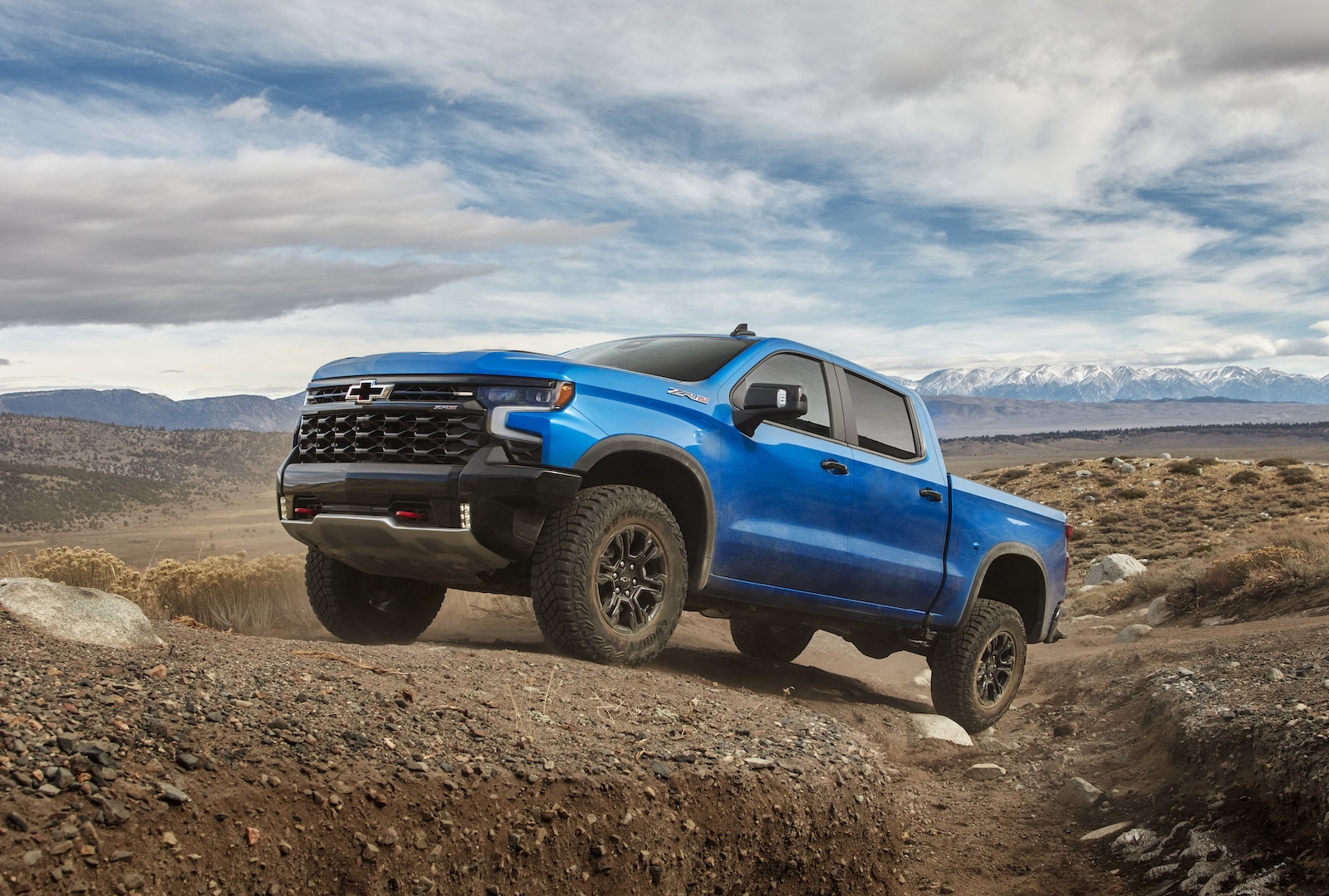
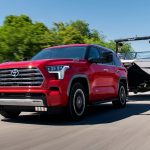
GM has seen a shift away from its big trucks and SUVs.
Then there’s the auto industry.
“I’m not going to sit here and say it’s permanent yet, but we are seeing somewhat of a shrinking of pickup trucks, full-size utilities and some of the heavier (vehicle lines) and an increase in the more affordable segments of the industry,” GM North America President Duncan Aldred said at a Center for Automotive Research conference in suburban Detroit on Tuesday.
The shift – which has been echoed by other automakers – came unusually fast this time. Normally, Aldred noted, it can take as much as six months for consumers to begin shifting to more fuel-efficient products when energy costs rise markedly. This transition may reflect more than just fuel prices, however, an industry source told Headlight.News on background. Buyers were already showing increased wariness about bigger, more costly products at a time when the average U.S. vehicle is going for more than $50,000, according to Cox Automotive.
At the same time, shoppers do seem to be willing to pay a premium for technologies that help deliver better mileage. Hybrid sales have been growing rapidly over the past year, topping 15% in May. That’s up from 12.6% in May 2025. Sam Abuelsamid, lead analyst with Telemetry Research told Headlight.News hybrids could reach 20% for the full year – if manufacturers can boost production levels.
There’s also been a notable resurgence in EV demand, with several manufacturers, including Kia, Hyundai, Subaru and Toyota posting big year-over-year gains in May.




Paul, keep looking for that lead lining.