
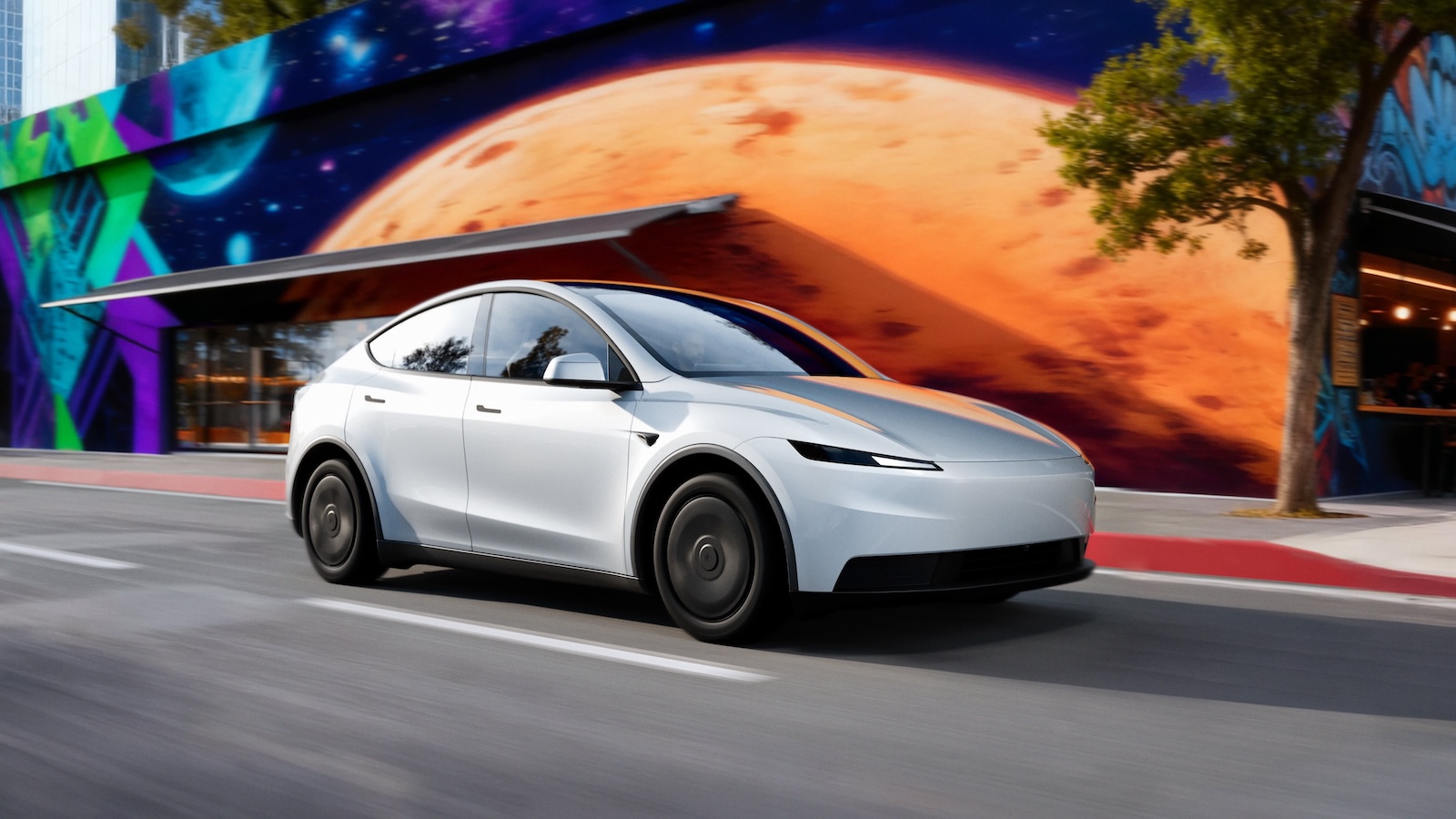
There’s good news and bad for Tesla. The Texas-based EV manufacturer reported a sharp surge in sales for the second quarter. But the automaker once again lost its global lead to Chinese rival BYD. And that sent Tesla shareholders racing for the exit on Thursday, as Headlight.News reports.
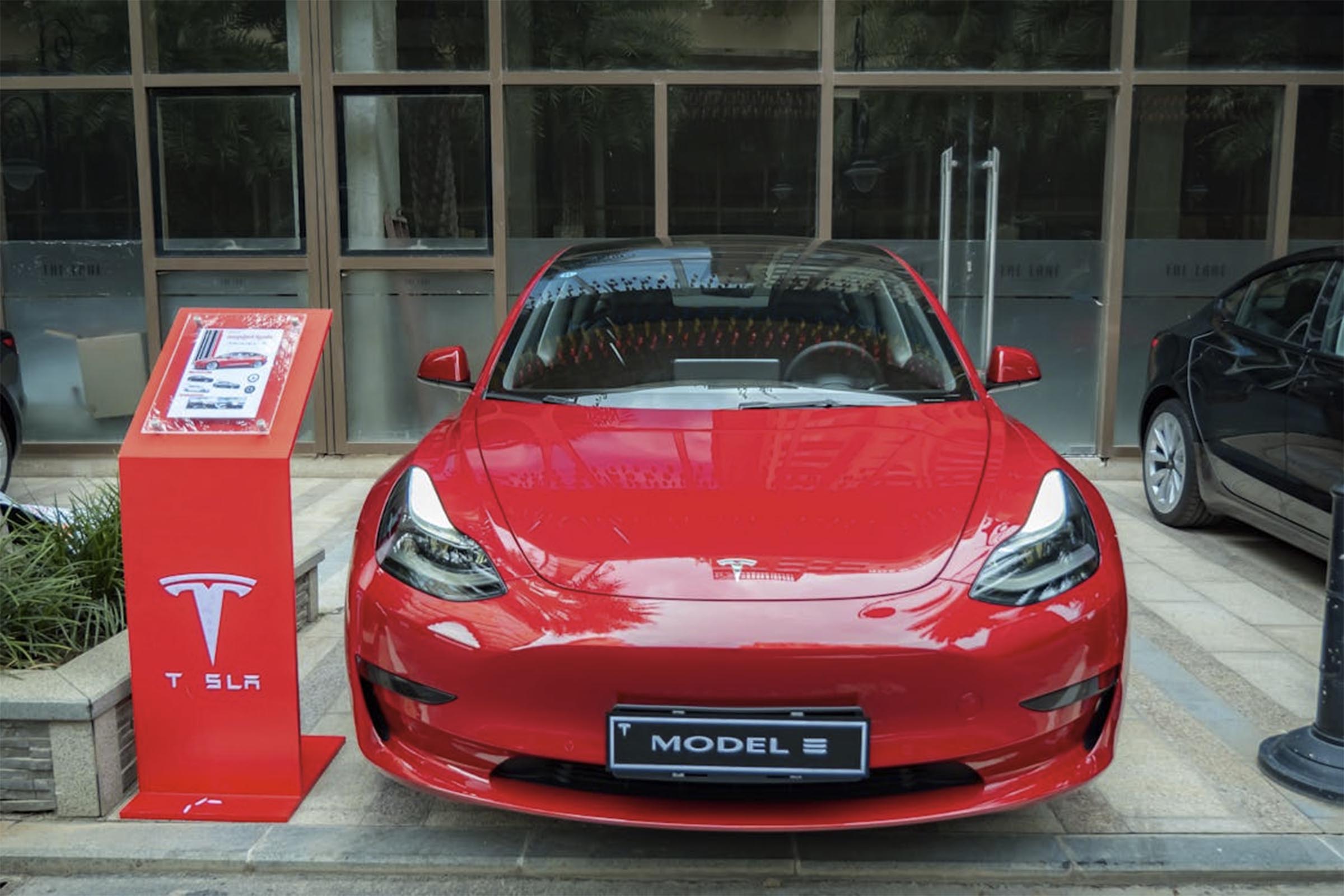
Tesla is still locked out of 14 U.S. states due to franchise laws.
When it comes to sales, Tesla has desperately needed a boost. It reported sharp sales declines for the last two years, with the negative momentum extending into the first quarter of 2026.
On Thursday, it got the boost it needed, Tesla reporting a solid 25% year-over-year increase in sales for the second quarter of 2026, well exceeding the volume industry analysts had forecast.
But the good news was paired with some bad, The Texas-based automaker sliding into a weak second place in terms of global EV sales when compared to its Chinese rival BYD. And that, some observers believe, helped trigger a sharp sell-off of Tesla stock on the NASDAQ exchange.
By the numbers
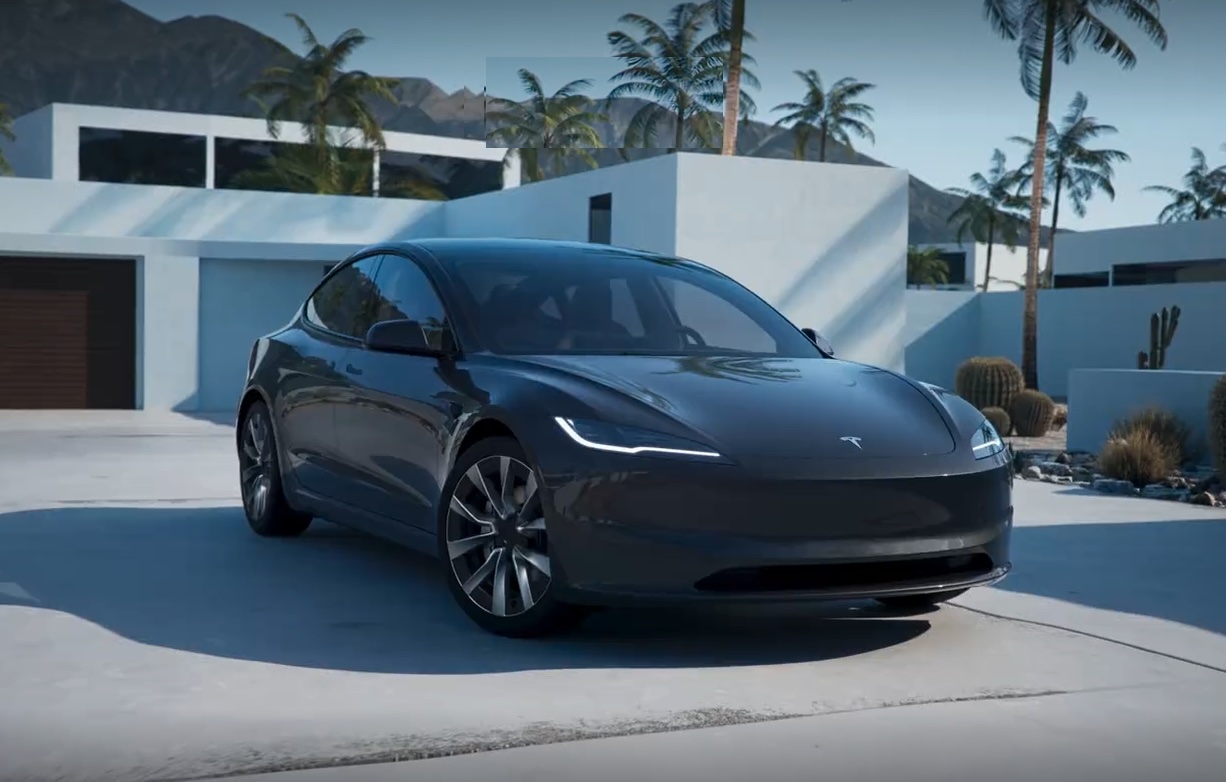
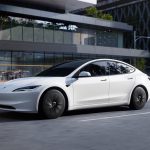
The Tesla Model 3 took the top spot in the 2026 American-Made Index, up from fourth last year.
In all, Tesla sold 480,126 vehicles during the second quarter of 2026, a 25% year-over-year improvement – and well ahead of the 406,000-unit consensus forecast from 22 sell-side analysts including Wedbush, JP Morgan and Wells Fargo.
This follows a 14% year-over-year decline during a first quarter with just 358,000 worldwide sales. Tesla was down 8.6% for all of 2025, with total volume of 1.64 million. In 2024 it sold 1.79 million EVs. But that number was off about 1.1% compared to 2023 volume of 1.81 million.
The latest quarter saw two models make up the vast majority of Tesla’s volume, Models 3 and Y accounting for a combined 467,762 deliveries. Those two product lines were up a combined 25.2% versus the same period in 2025. Tesla did manage to sell 12,364 of its original Models S and X – product lines it has now discontinued – as well as the largely ignored Cybertruck.
Separately, Tesla reported Q2 production rose to 442,936 vehicles, up 11.6%. It remains to be seen how the discontinuation of the Models S and X might impact the company’s sales and production numbers for the third quarter.
BYD pounces
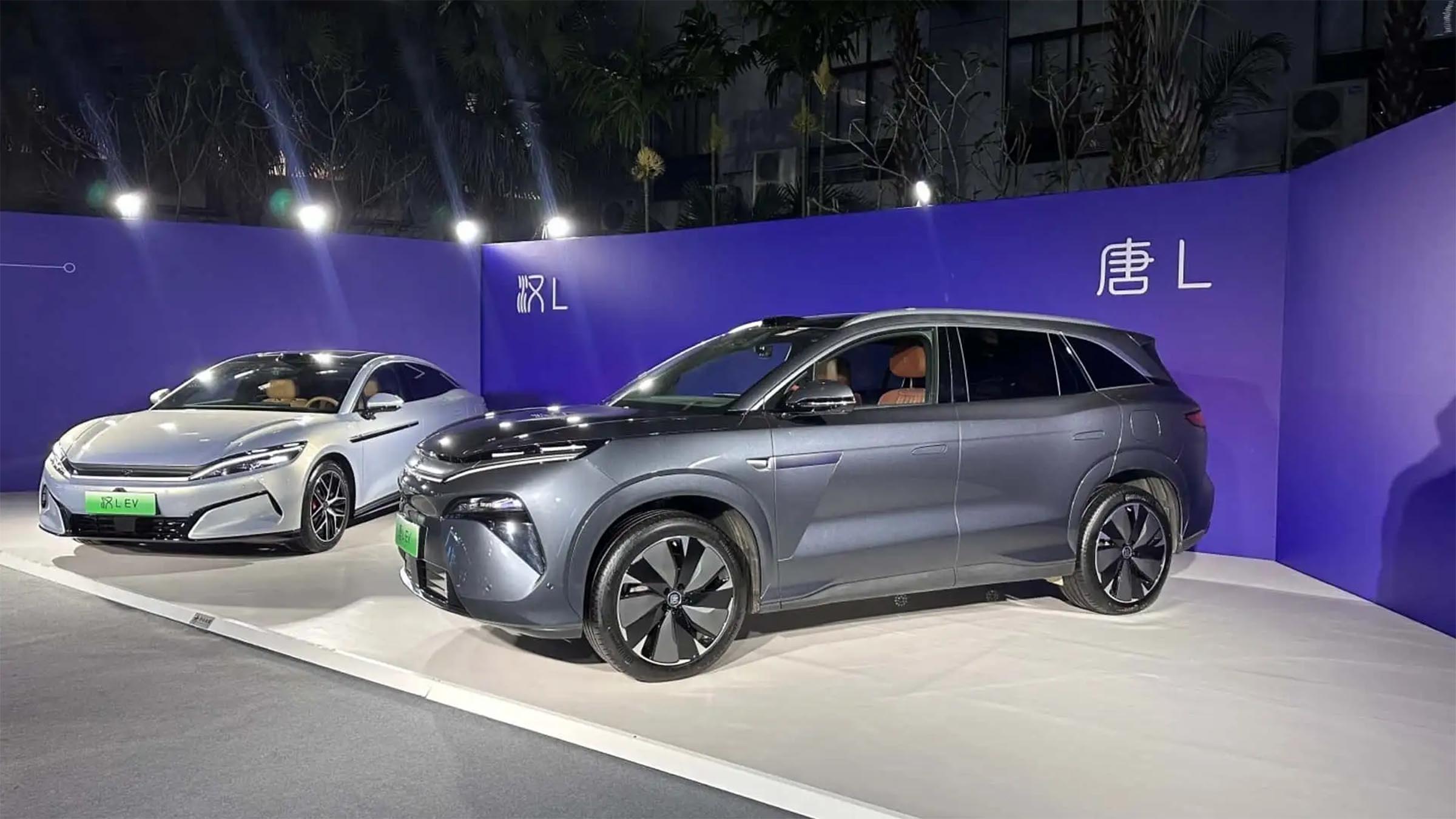
BYD has now pushed past Tesla.
For more than a decade Tesla has overwhelmingly dominated the global EV market. But that began to shift as the world emerged from the COVID pandemic, domestic Chinese automakers rapidly escalating their exports to markets like Europe, Latin America and, beginning this year, Canada.
Taking lead has been BYD – whose name is short for “Build Your Dreams.” Based in Shenzhen, it has gained fans through a mix of extended range, advanced features and low prices. BYD first overtook Tesla during the first half of 2025, finishing well ahead of its American rival for the full year, with EV sales of 2.26 million up 27.9% from 2024 volume
For the second quarter of this year BYD delivered 557,090 EVs – out of total volume of 1 million, including other products such as plug-in hybrids. When reporting its latest 3-month results, meanwhile, BYD officials said they now expect to sell 1.5 million EVs for the full year, up from an original forecast of 1.3 million,
More Auto News
- Is BMW’s South Carolina Plant the Factory of the Future?
- Prepare for a Shock Next Time You Shop for a New Vehicle
- Feds Ban Polestar from U.S. Market as of 2027 Model Year
Tesla wins back European buyers – but loses on Wall Street

Europeans seem to have forgiven Musk for his controversial ties to the Trump administration and his involvement in right-wing politics.
Tesla’s slump in 2025 and the first quarter of this year reflected a variety of factors, including the phase out of federal tax credits in the U.S. But the automaker was also hurt by a backlash triggered by his involvement in the second Trump administration where he spent time heading the controversial Department of Government Efficiency.
That was particularly damaging in Europe where protestors gathered outside Tesla showrooms, several of which were heavily damaged by vandals.
But Europeans appear to have softened their stance on Musk – or, at the least, on Tesla – deliveries in Germany, for example, are up by about 300% this year. But things don’t look nearly as good in the U.S. where Tesla sales were off 20% for the second quarter. How much that’s due to the hits Musk’s image has taken is a matter of debate. But, noted Cox Automotive, EVs currently account for only about 6% of the U.S. new vehicles market, down from about 8% for all of 2025.
After taking in the latest numbers, it appears Wall Street wasn’t impressed by the unexpectedly strong Q2 gains by Tesla. Shares traded under the ticker TSLA on the NASDAQ were down nearly 8%, at around $392 in late Thursday trading.





0 Comments