
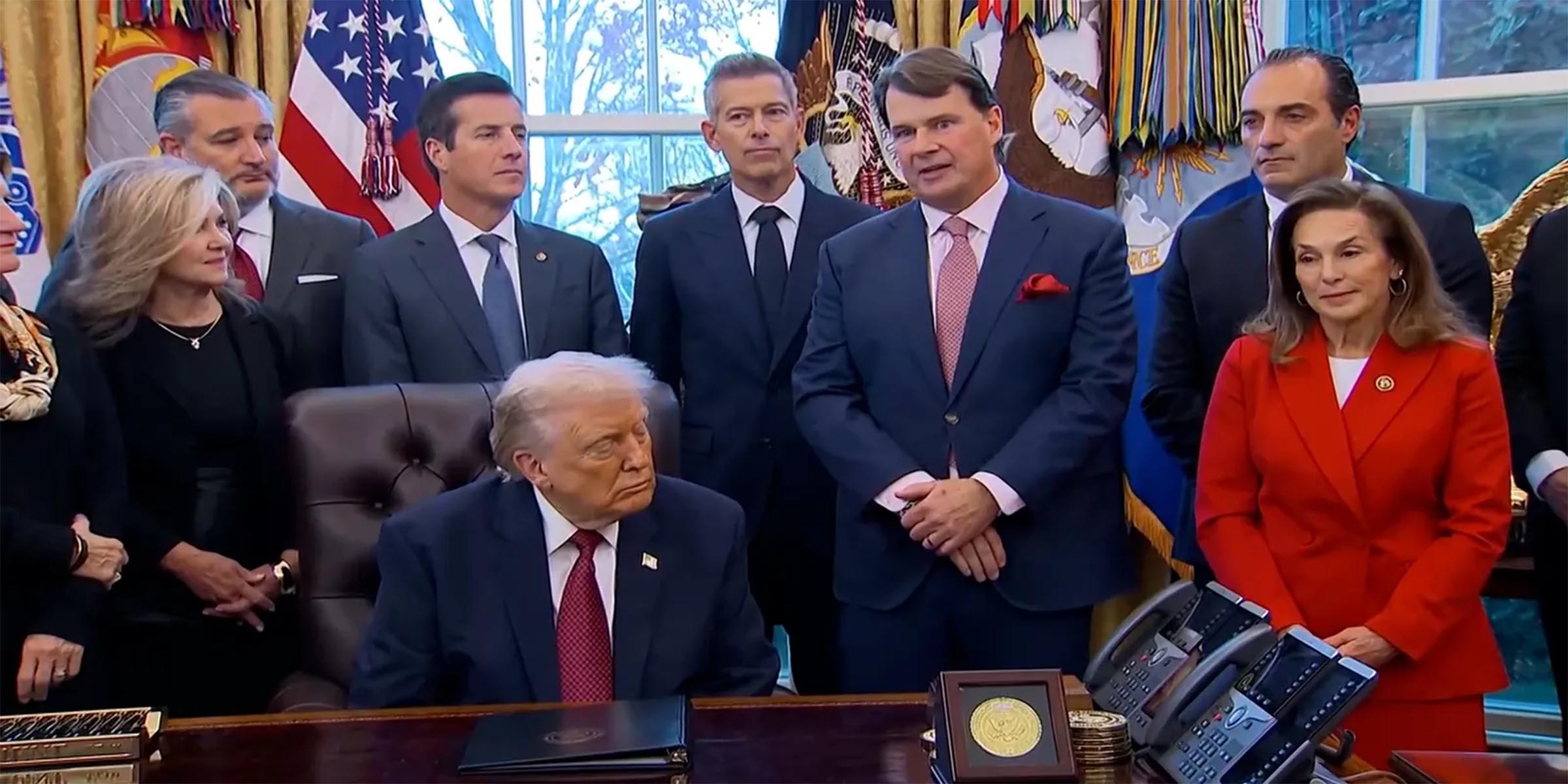
U.S. Secretary of Transportation Sean Duffy took aim at Ford Motor Co., expressing “profound concern” over its ties to the Chinese. The Detroit automaker countered by calling the criticism “wrongheaded,” while pointing out the praise it got from Commerce Sec. Howard Lutnick. More from Headlight.News.
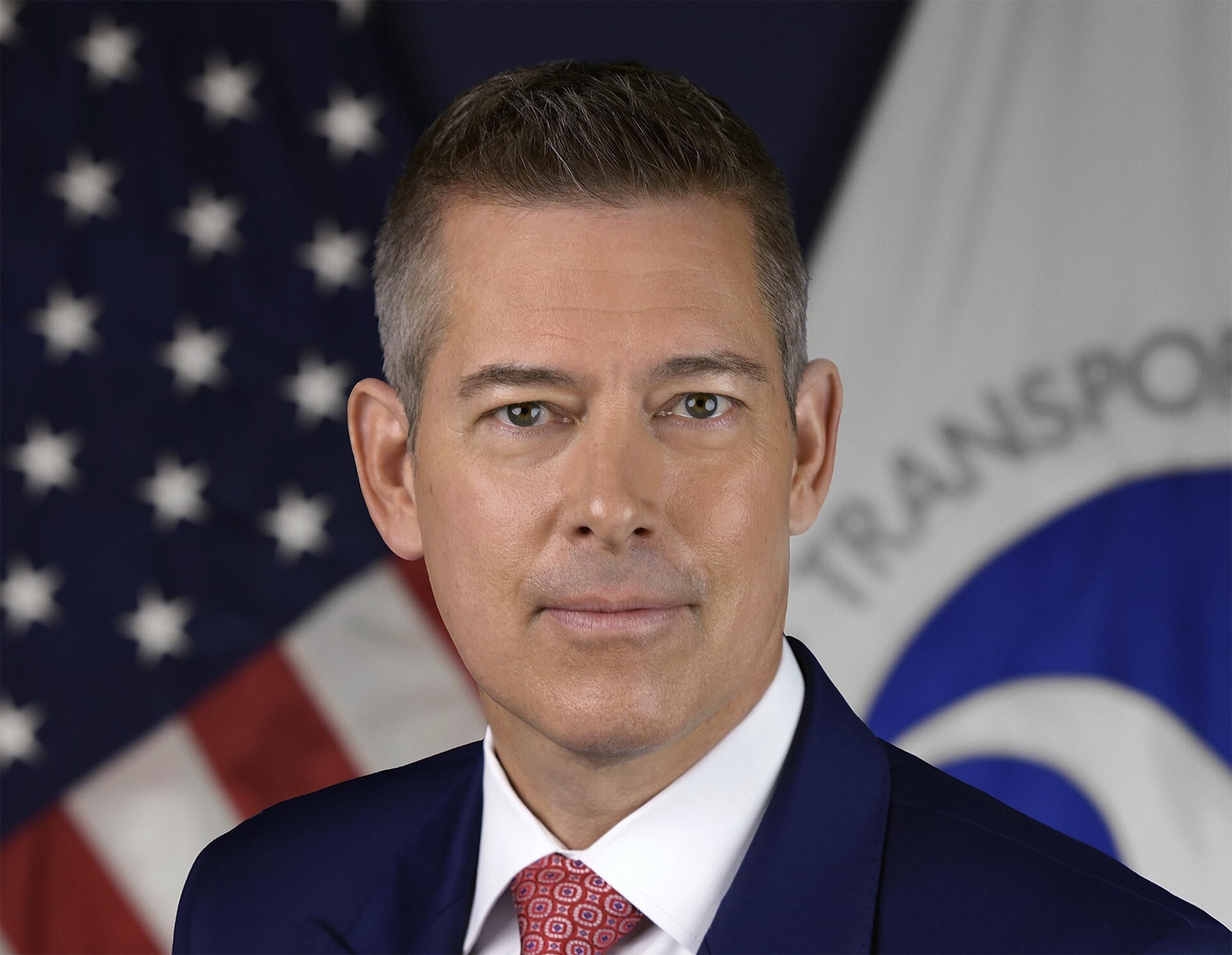
U.S. Transportation Sec Duffy.
Ford Motor Co.’s ties to China, notably with battery maker CATL and EV manufacturer Geely, has drawn a strong rebuke from U.S. Transportation Secretary Sean Duffy.
The Trump administration official expressed “profound concern” in a letter sent to Ford CEO Jim Farley, citing the automaker’s “manufacturing integrity, supply chain exposure, and reliance on technologies of foreign adversaries.”
The automaker responded with a statement calling the White House criticism, “a wrongheaded attempt to capture headlines at the expense of a company that has done more for American manufacturing than virtually any other in the nation’s history.”
What’s new
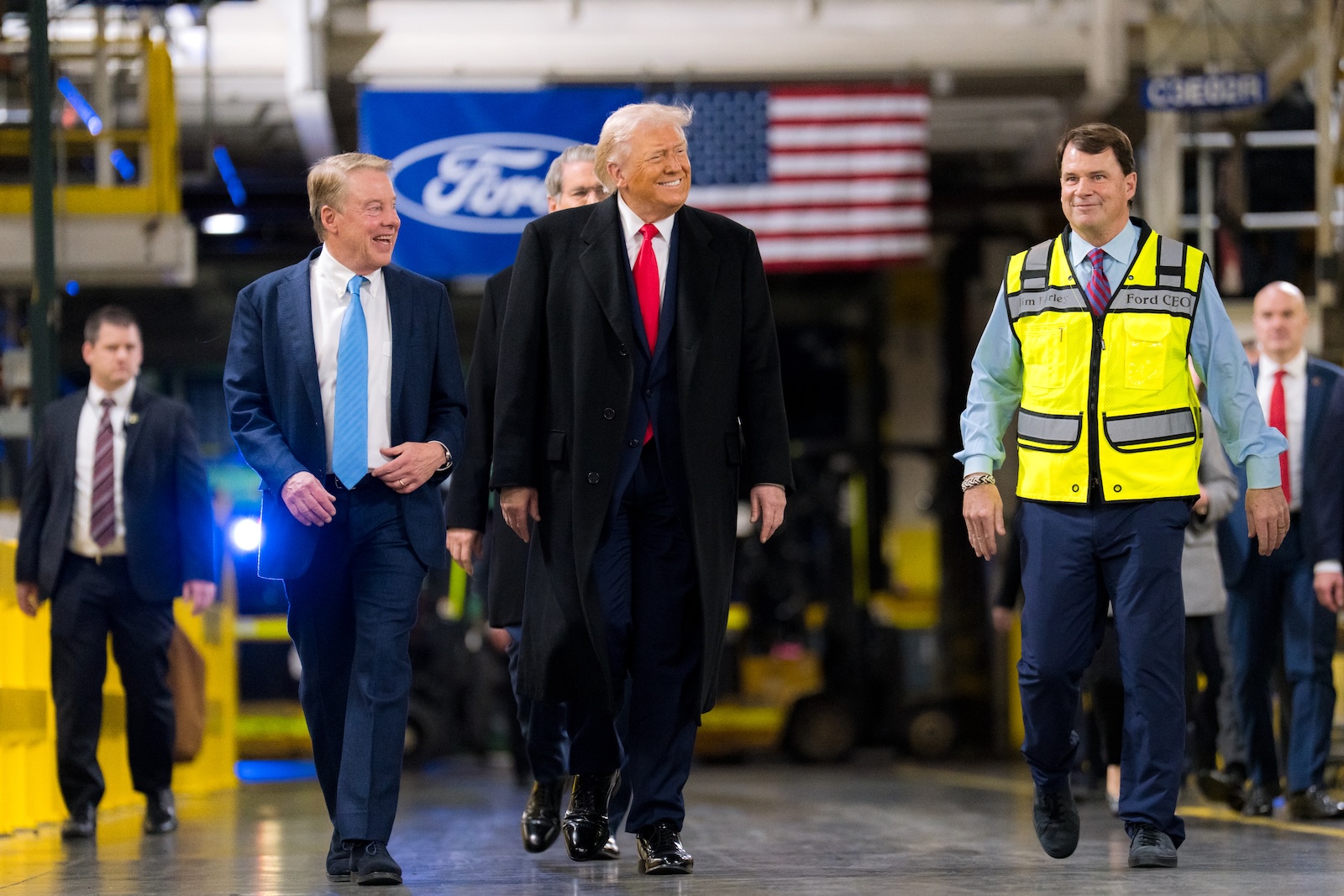
President Donald Trump toured Ford Motor Co.’s Rouge complex last month, home of the automaker’s big F-150 pickup.
President Donald Trump has made a priority of pressing the industry to reduce dependence on both imported autos and auto parts, encouraging manufacturers to boost domestic production.
The letter, sent to Ford’s CEO on September 8, first became public in a report by the Detroit Free Press. It was the latest in a series of attacks on various Michigan-based automakers by the Trump administration during its first and second terms. And it comes at a time when the broader American auto industry is struggling to figure out how to respond to the latest developments in the Trump trade war with Canada.
In his letter to Ford’s CEO, Sec. Duffy wrote that Ford’s tie-ups with companies like CATL and Geely “paint a troubling picture of a foundational American brand actively intertwining its future with Chinese state-backed enterprises.
Ford’s ties to China
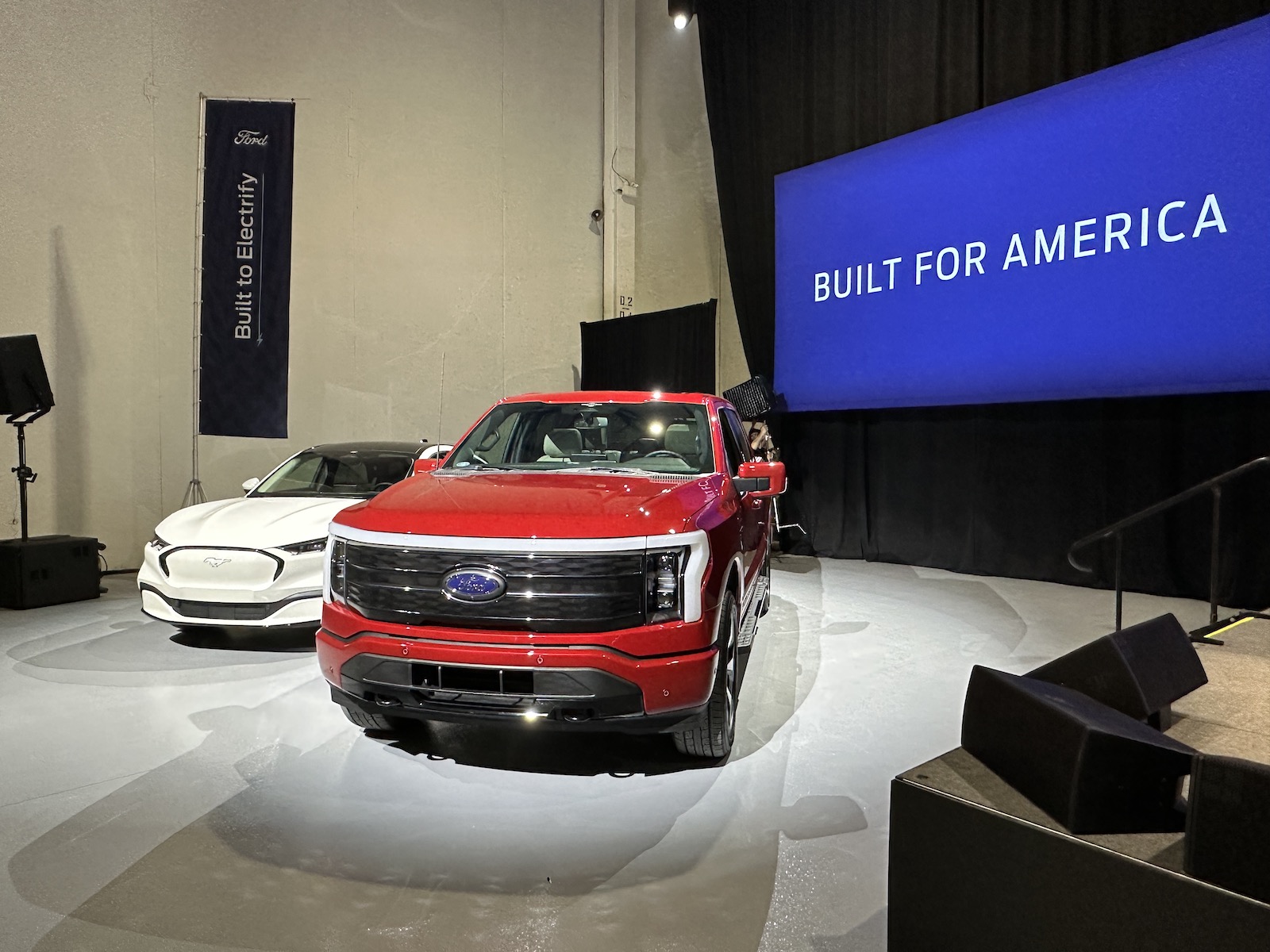
The Ford plant in Marshall, Michigan was originally a joint venture with CATL. And it now will produce batteries for EVs and energy storage systems.
Like virtually all global automakers, Ford launched its first joint venture there in 1997 to produce the transit van. Currently, its operations in China assemble a variety of vehicles, including the Lincoln Nautilus. That luxury SUV is one of a handful of Chinese models exported to the American market.
Ford recently announced it will shift Nautilus production back to the U.S. by 2030 – a timeline the Transportation Secretary said wasn’t quick enough. But Duffy and the president appear to be more focused on two other relationships Ford has with China:
- A deal announced in July that will see Ford partner with China’s largest automaker, Geely, to develop and produce “multi-energy vehicles” for the European market; and
- An alliance with CATL, China’s biggest battery manufacturer.
Duffy said the White House is “deeply alarmed by Ford’s continued reliance on licensed technology from Chinese battery manufacturer CATL at the operational BlueOval Battery Park facility in Marshall, Michigan.”
More Auto News
- Hybrids Charged Up U.S. Auto Sales
- Has SRT Found the Answer to Turbo Lag?
- Dodge Debuts Charger Super Bee – But There’s More Coming
Ford shoots back
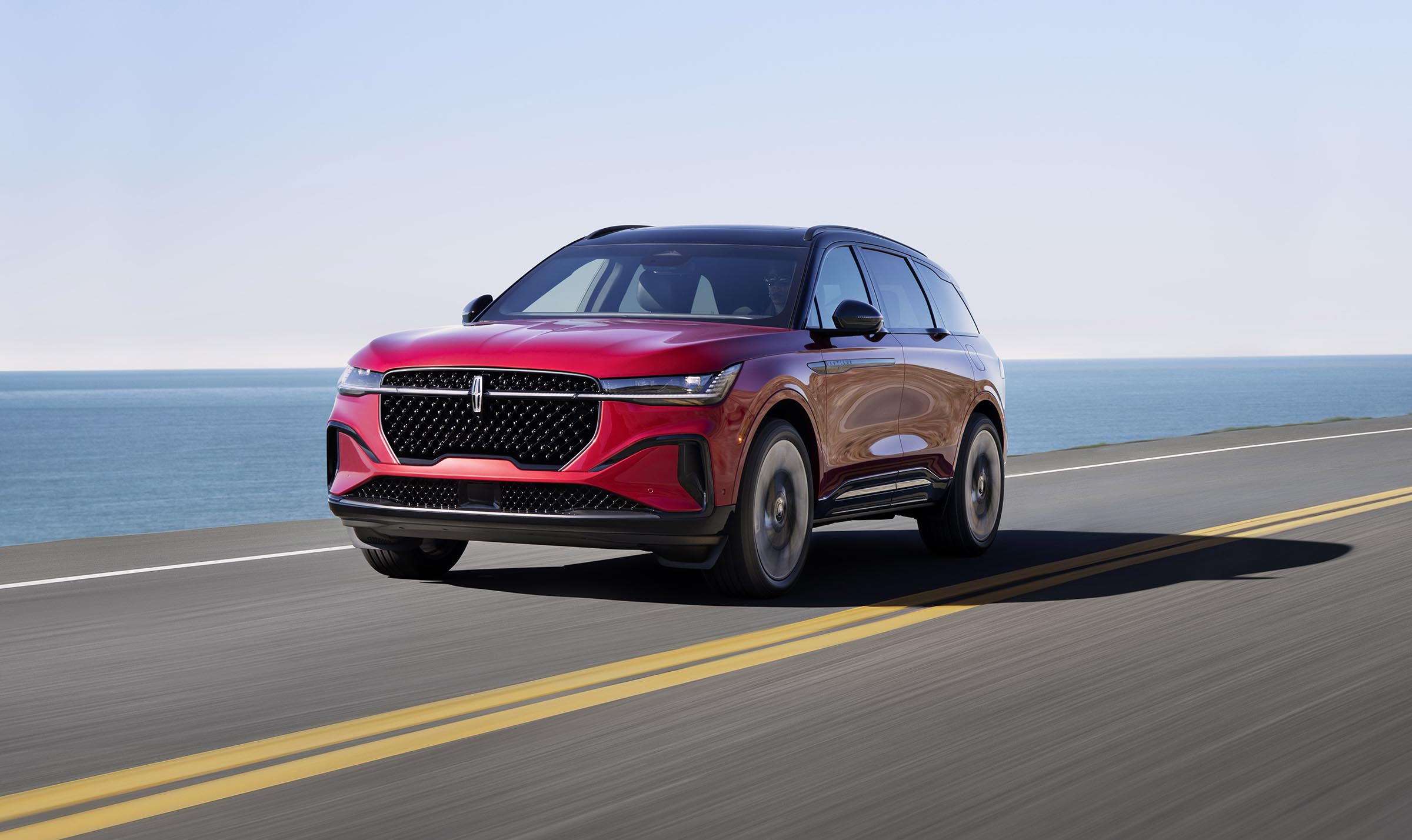
Ford will shift production of the Lincoln Nautilus from China to the U.S. by 2030.
Ford has attempted to keep on the good side of Pres. Trump and members of his administration – though things haven’t always worked out as planned. During a visit to the Ford Rouget truck plant last January a worker yelled out, “Pedophile protector” at the president, a reference to the administration’s attempt to keep hidden the files on sex offender Jeffrey Epstein.
In responding to the letter from Sec. Duffy, Ford’s statement said, “Ford is the most American automaker,” adding, “We produce more vehicles in the U.S., employ more hourly manufacturing workers and export more vehicles from the U.S. than any other automaker.”
The company noted that the original plan to have CATL jointly own a battery plant in Marshall, Michigan was scrapped – Ford facing strong pressure not to give CATL a first production base in the U.S. The factory still uses technology and materials provided by the Chinse firm, however.
As for the relationship with Geely, the project is centered entirely in Europe and none of the vehicles will be shipped back to the U.S., at least under the current plan.

0 Comments