BYD makes mobility history with the unveiling of its drone launch system for automobiles. Promises to expand availability of the system for future products.
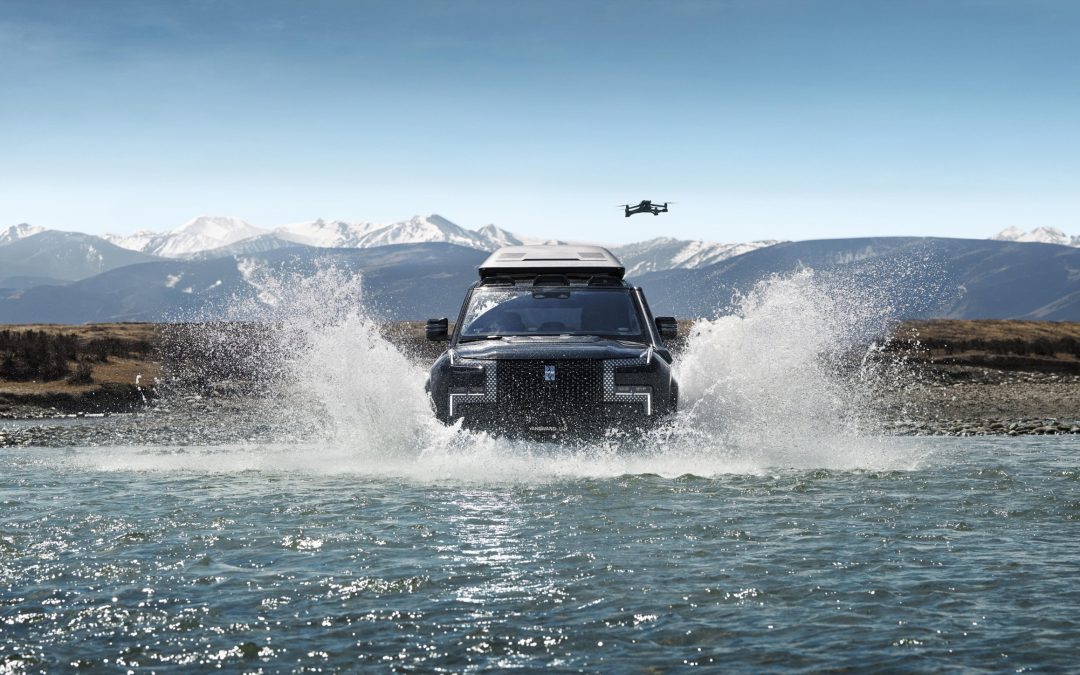

BYD makes mobility history with the unveiling of its drone launch system for automobiles. Promises to expand availability of the system for future products.
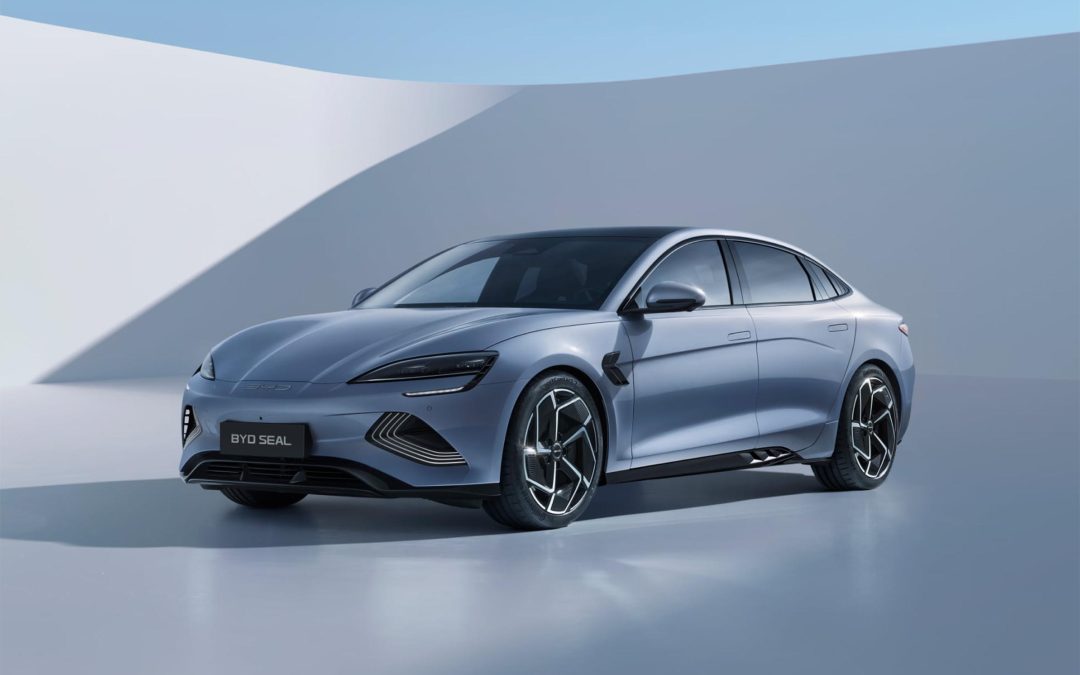
China’s domestic automakers have gone from also-rans to major players, especially in the battery-electric market. And Wang Chuanfu, the head of BYD, says the reason is simple: his company’s EVs are three to five years ahead of the competition. More from Headlight.News.
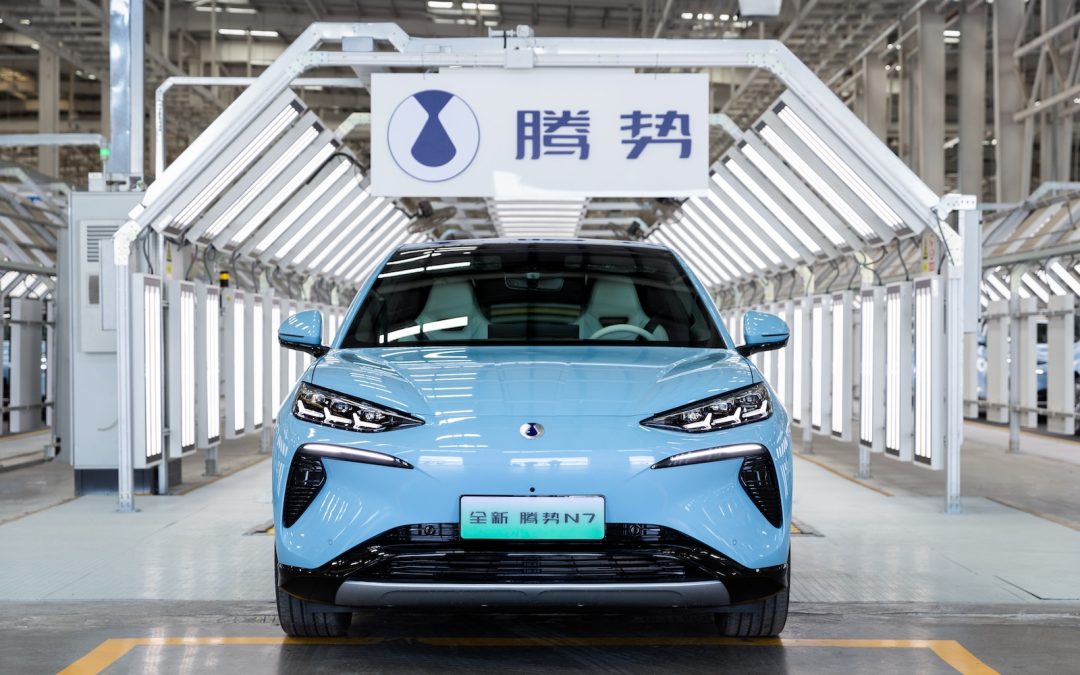
BYD stock price hits record highs as the Chinese automaker rolls out new self-driving technology with some vehicles using DeepSeek AI.
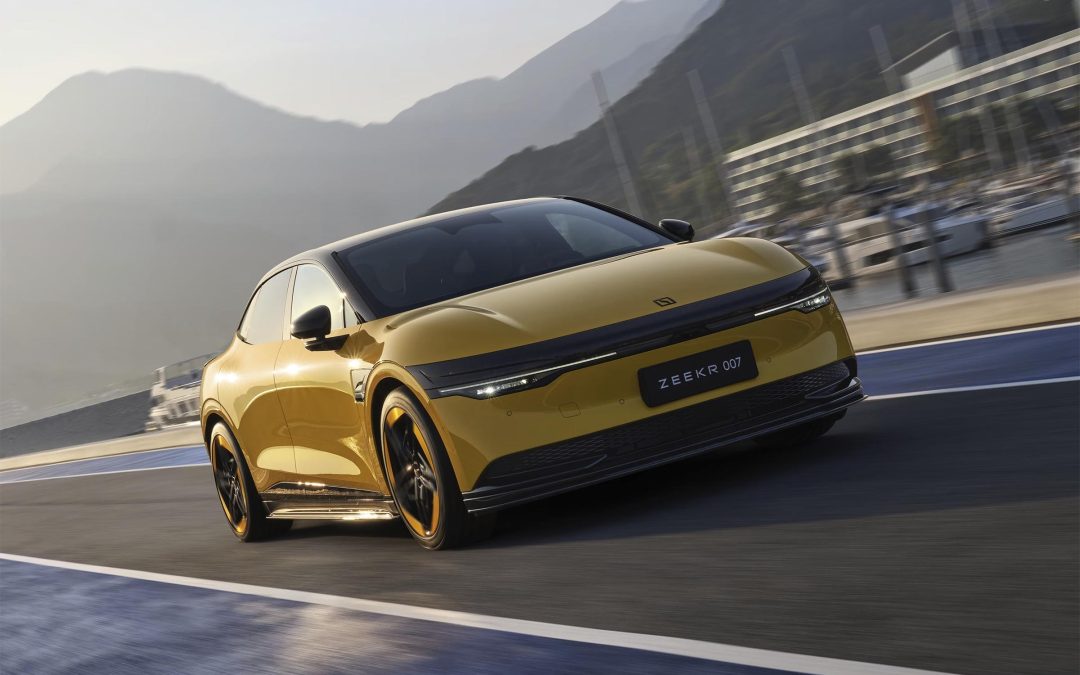
Chinese auto sales hit record levels last year – both at home and abroad. Automakers like BYD and Geely saw exports grow 400% since the beginning of the decade, making major inroads in markets like Europe and Latin America. For now, only a handful of Chinese vehicles are sold in the U.S., the Biden administration quadrupling tariffs last year. But a new study shows many American buyers eagerly hoping to see the market open up, with younger motorists particularly interested in Chinese vehicles.
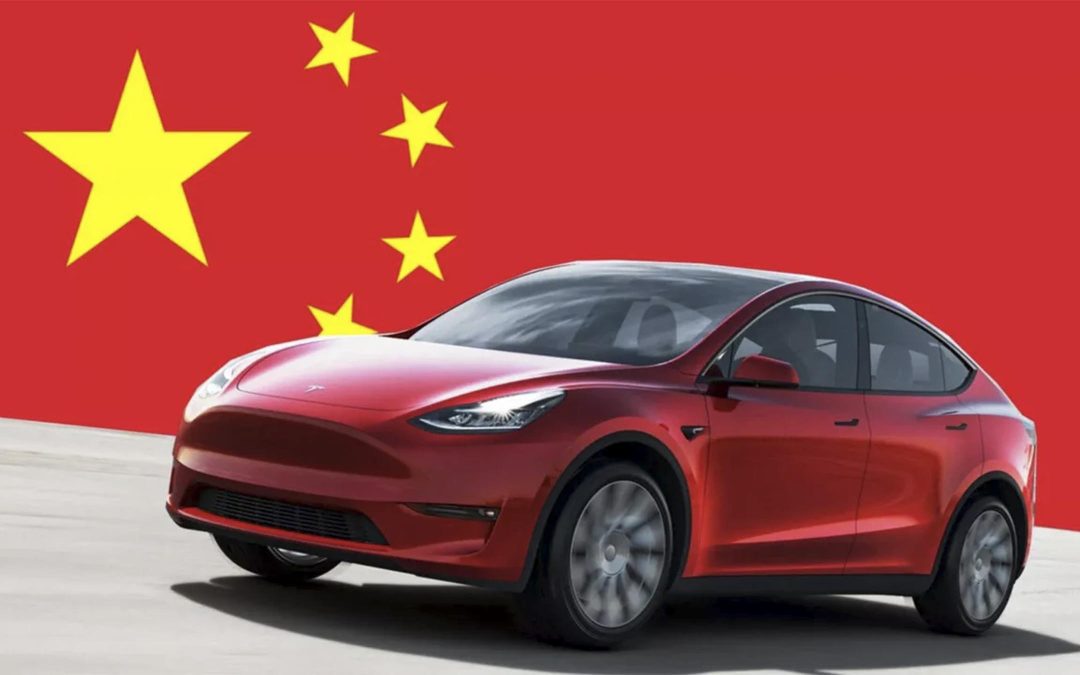
After several weak years triggered by the COVID pandemic, Chinese auto sales surged to a new record nearly twice that of the U.S. market. And strong demand for EVs and hybrids played a critical role, according to industry data. Meanwhile, Chinese auto exports also surged to record levels. More from Headlight.News.
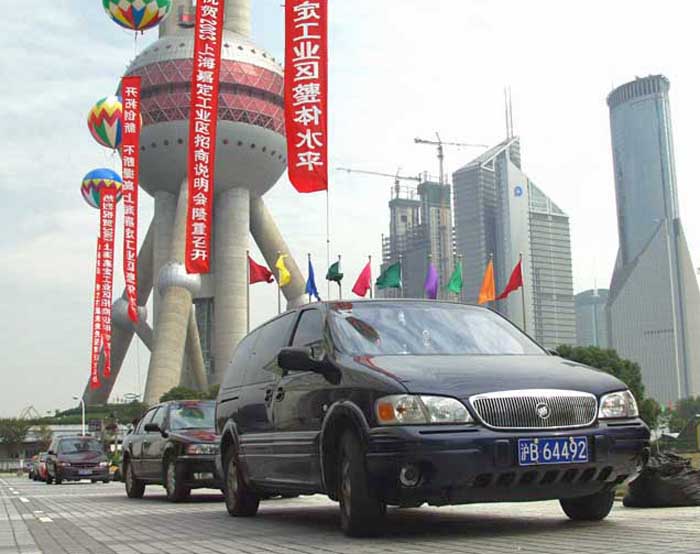
Not all that long ago, foreign manufacturers like General Motors, Ford and Volkswagen dominated the Chinese automotive market where, in some cases, they were making their biggest profits. Now, as domestic competitors like Geely and BYD gain traction, times have changed. On Wednesday, General Motors revealed plans to take more than $5 billion in charges to restructure its Chinese operations and is likely to close some of its plants there. But it’s far from the only international manufacturer struggling in the world’s largest automotive market.
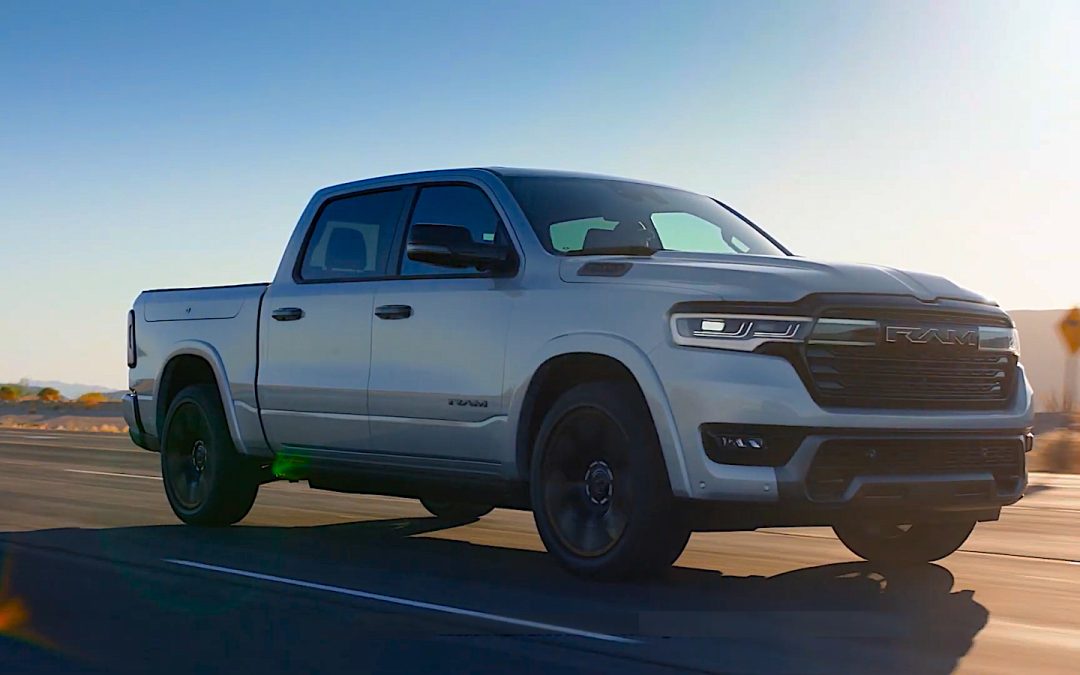
It’s been the subject of speculation for weeks, “knowledgeable sources” chattering amongst themselves about the possibility China’s BYD is in talks with Stellantis as it looks for a way to crack into the U.S. market. The two makers have firmly dismissed the rumors. But there seems little doubt Chinese automakers want to target the world’s second-largest automotive market and are sniffing around the North American auto industry looking for a way to break in.
As EV sales growth slows, automakers are looking for other ways to reduce emissions without turning off potential buyers. That’s led to a wave of new plug-in hybrids coming to market – and to a surge in demand for PHEVs which grew 50% globally during the first five months of the year. But will they continue to outpace all-electric models? That’s a matter of debate.
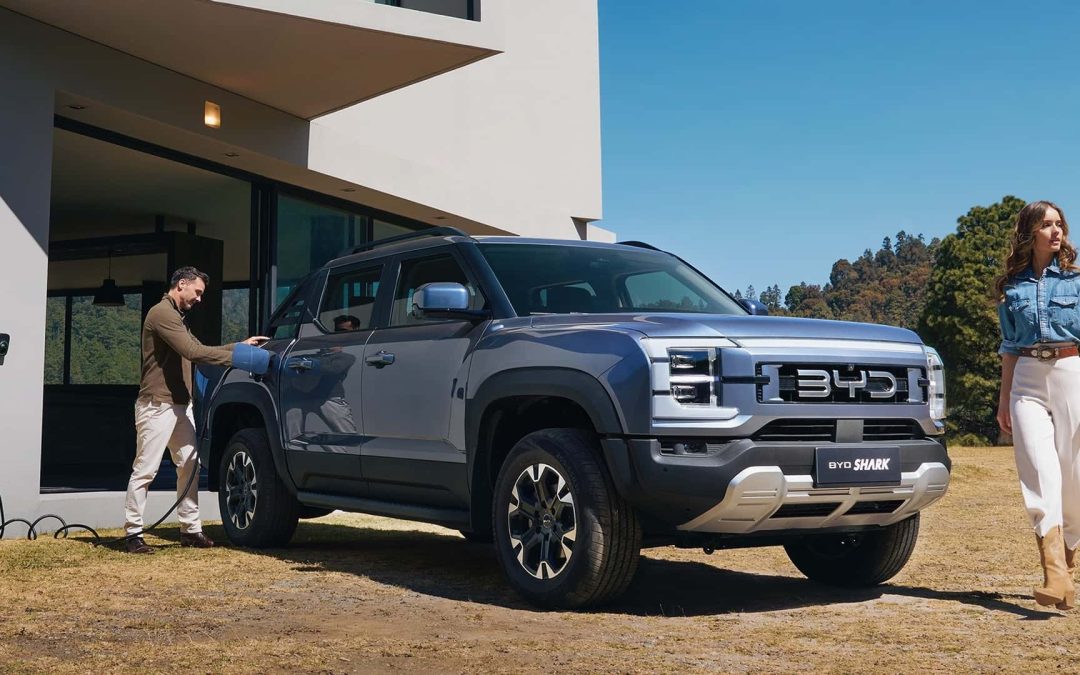
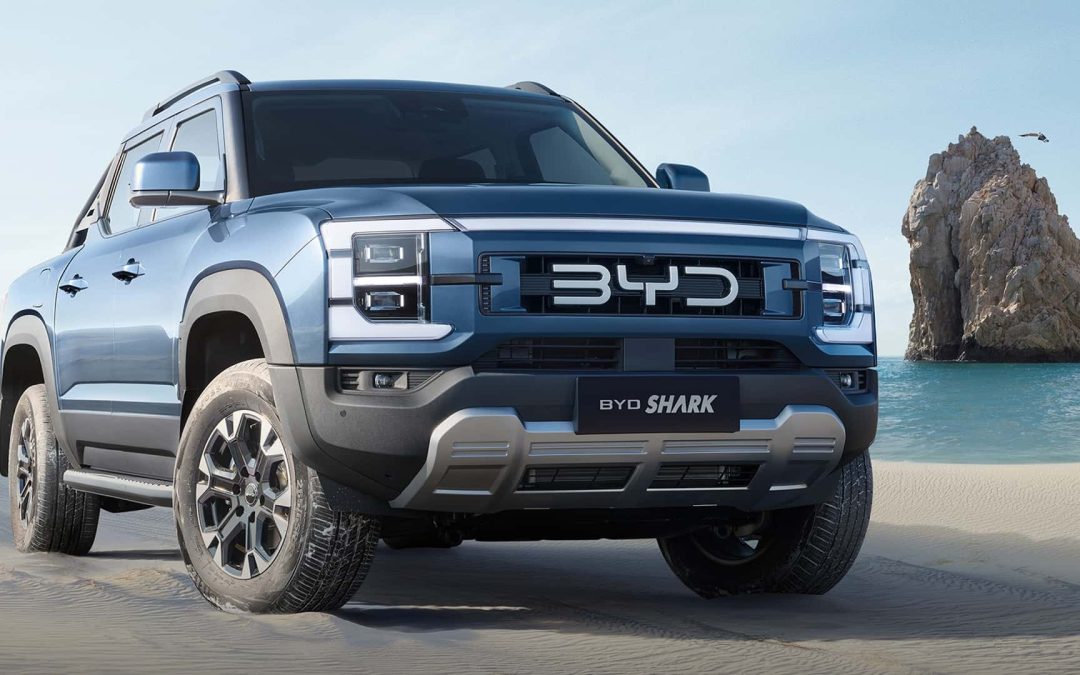
Chinese automaker BYD puts the world on notice with Shark Plug-In Hybrid pickup. The Shark is the first production PHEV pickup in the world and is shaping up to be a potent player in the global pickup truck market.
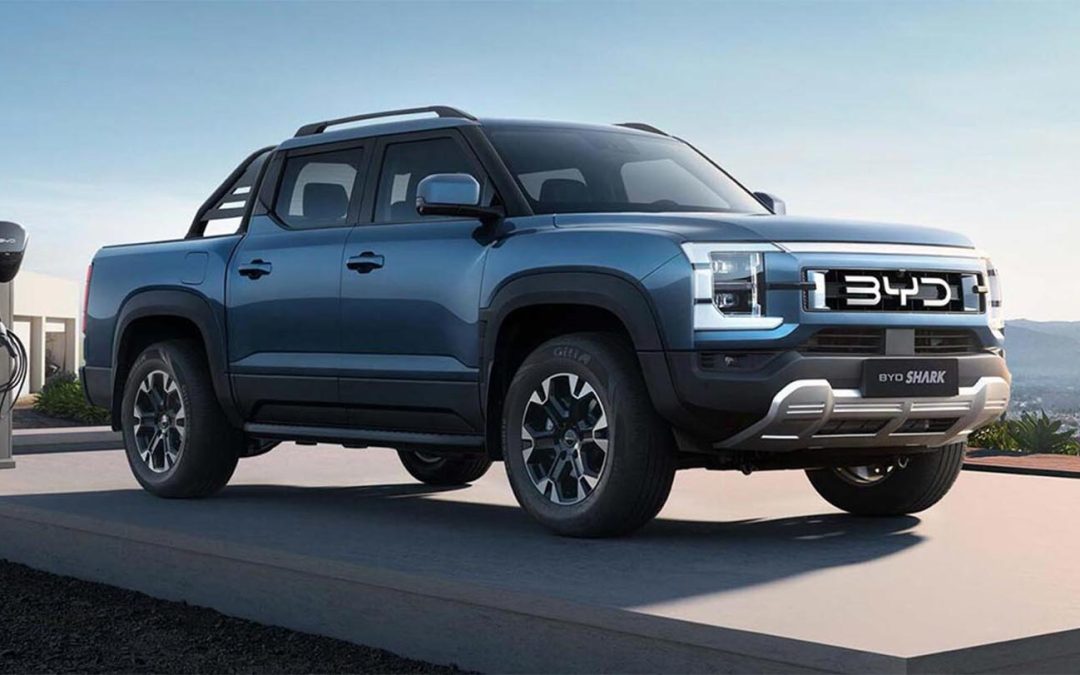
President Joe Biden raised tariffs on an assortment of Chinese-made goods, including the battery-electric vehicles manufacturers like BYD, Geely and Great Wall have been hoping to start selling in the U.S. The threat of these inexpensive EVs – some starting at barely $10,000 – has sent shivers through the American auto industry, one trade group warning their arrival poses an “extinction-level event.” Headlight.News explains why.
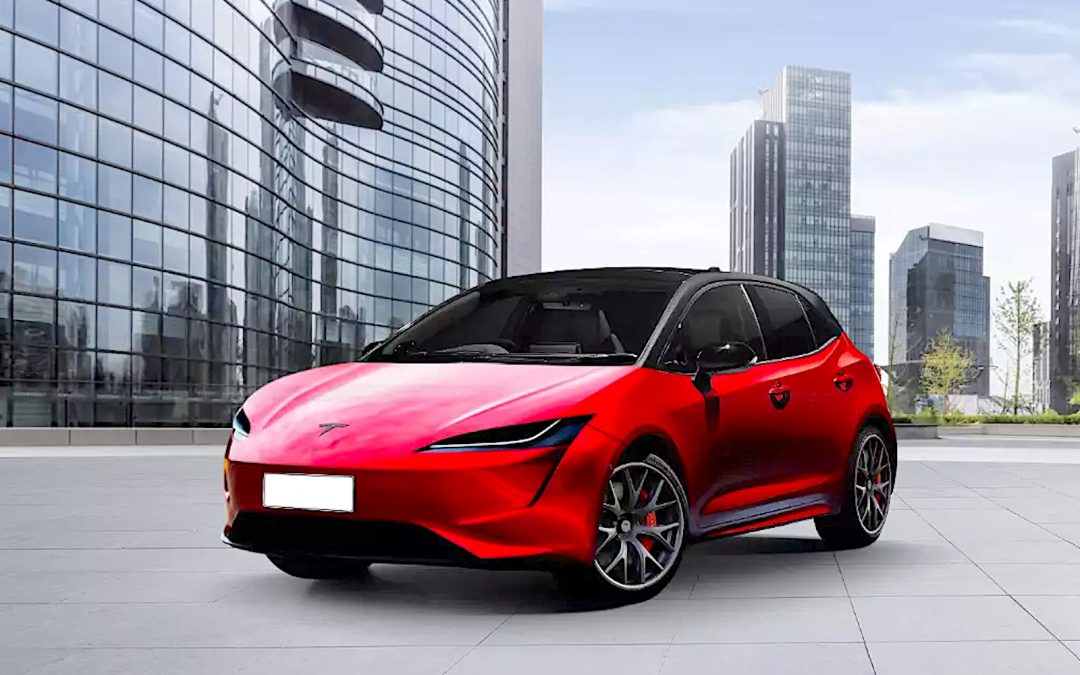
Tesla pulled the plug on a program aimed at developing a $25,000 EV, even as Chinese automakers led by BYD double down on bringing to market all-electric vehicles affordable often to reach mainstream buyers. According to Reuters, Tesla CEO Elon Musk now wants to focus on self-driving robocabs.
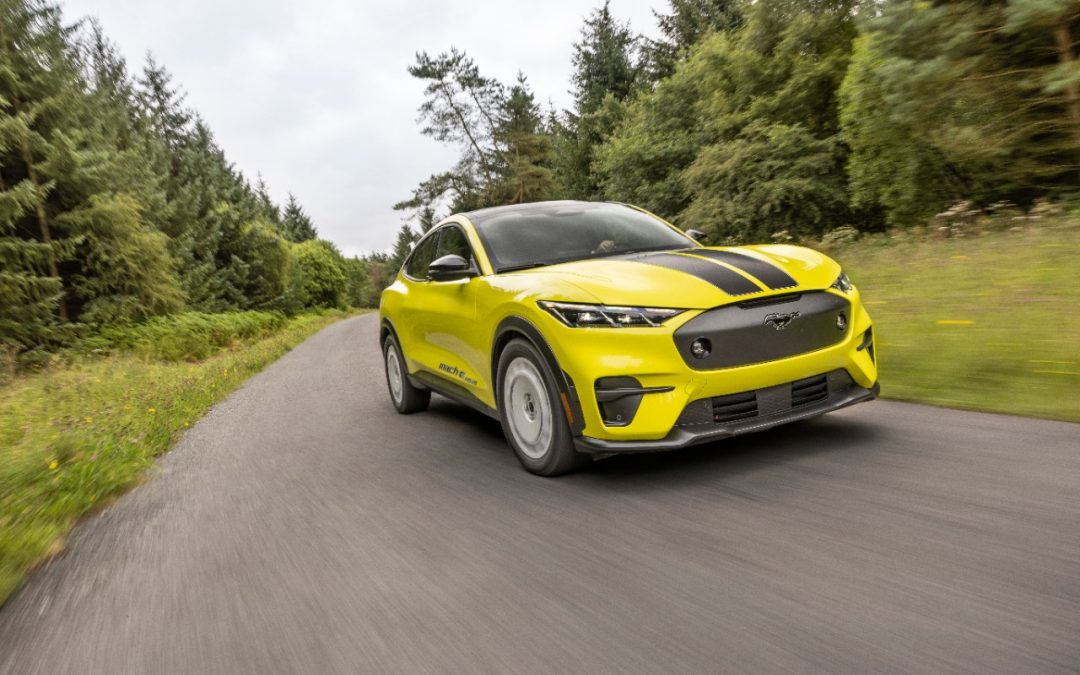
Ford this week confirmed it will indefinitely delay the launch of a new, all-electric SUV to put more focus on hybrids. It’s also cut back on production of its F-150 Lightning pickup. But while some EV skeptics take these moves as a sign that the market for all-electric vehicles is waning, Ford actually saw a surge during the first quarter, notably for its Mustang Mach-E. Here’s how it charged up demand.