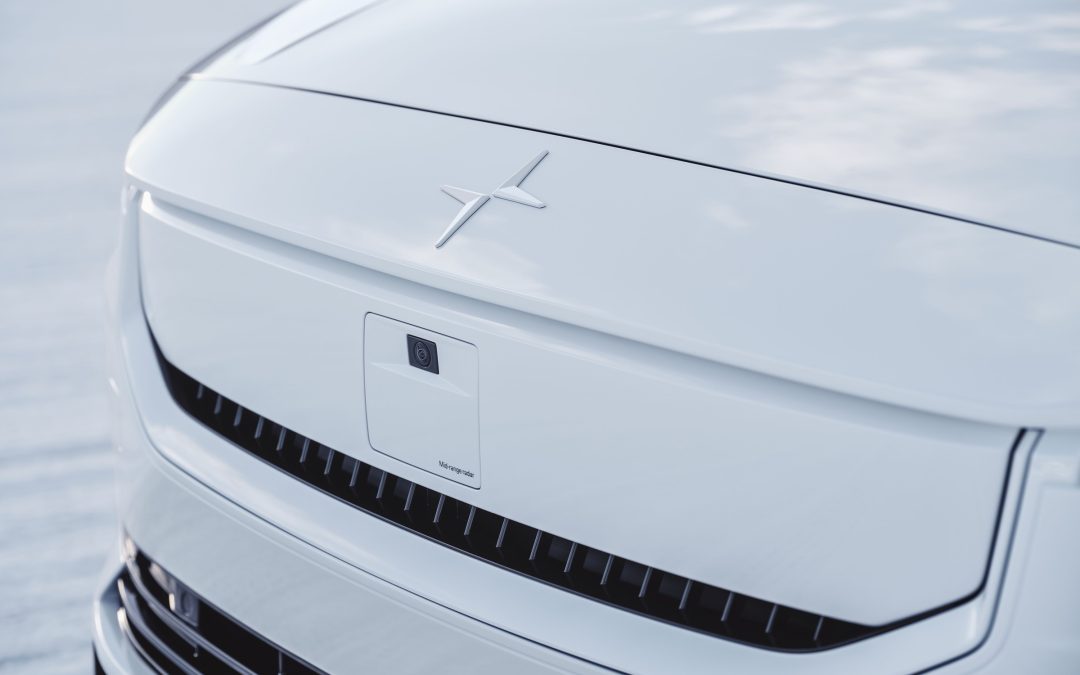
Officials at EV maker Polestar said that it’s going to take longer than originally forecast for the nascent automaker to be in the black. It also delayed a planned expansion to new companies. Check out the story at Headlight.News.
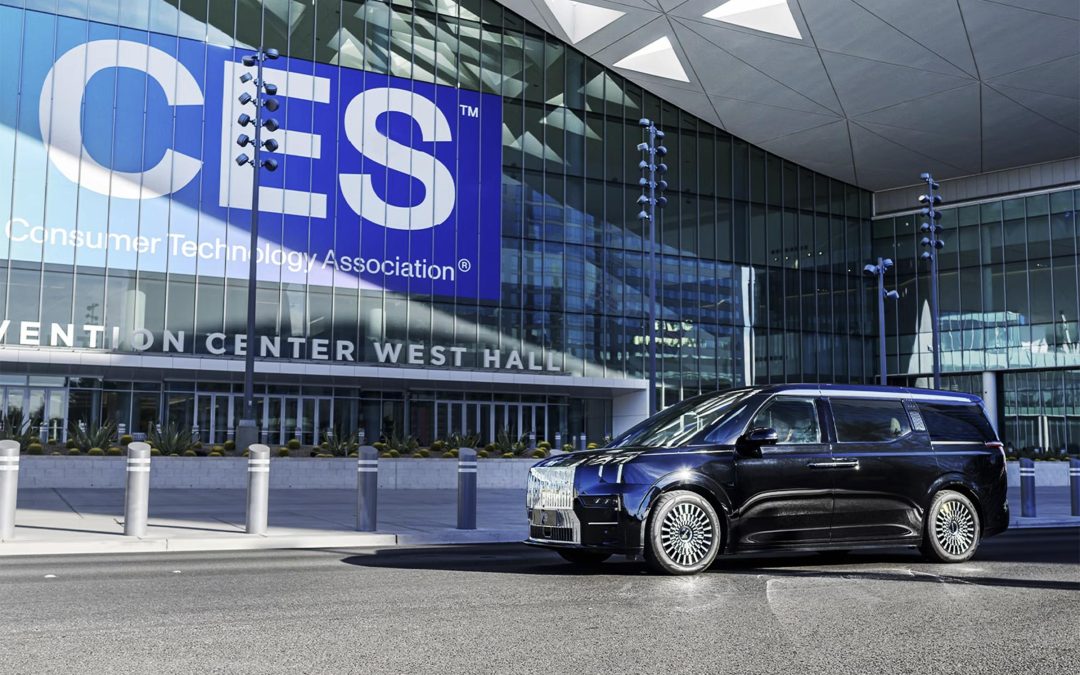
Chinese automotive exports hit an all-time record last year – even while being effectively locked out of the U.S. market. But despite incoming Pres. Donald Trump’s threat to put still more tariffs on Chinese-made vehicles, the doors may not be locked forever. And anyone who checked out the new Zeekr brand’s news conference and display at the Consumer Electronics Show is likely to understand why that worries other manufacturers.
Chinese automakers are rapidly expanding exports to key regions like Europe and Latin America after long focusing on their home market. But that’s created problems as target markets fight back with new tariffs and other trade restrictions. As a result, some Chinese manufacturers are looking to shift production abroad – and that could include factories in the U.S.
Conventional wisdom might seem to suggest that EVs have come unplugged, with traditional automakers such as Ford Motor Co. and Volkswagen AG pulling back on their plans to go all-electric. But don’t tell that to the folks in Norway. As contributing editor Joe Szczesny discovered during a visit this week, you’ll have to look hard to find a new vehicle drawing power from a tank of gasoline.
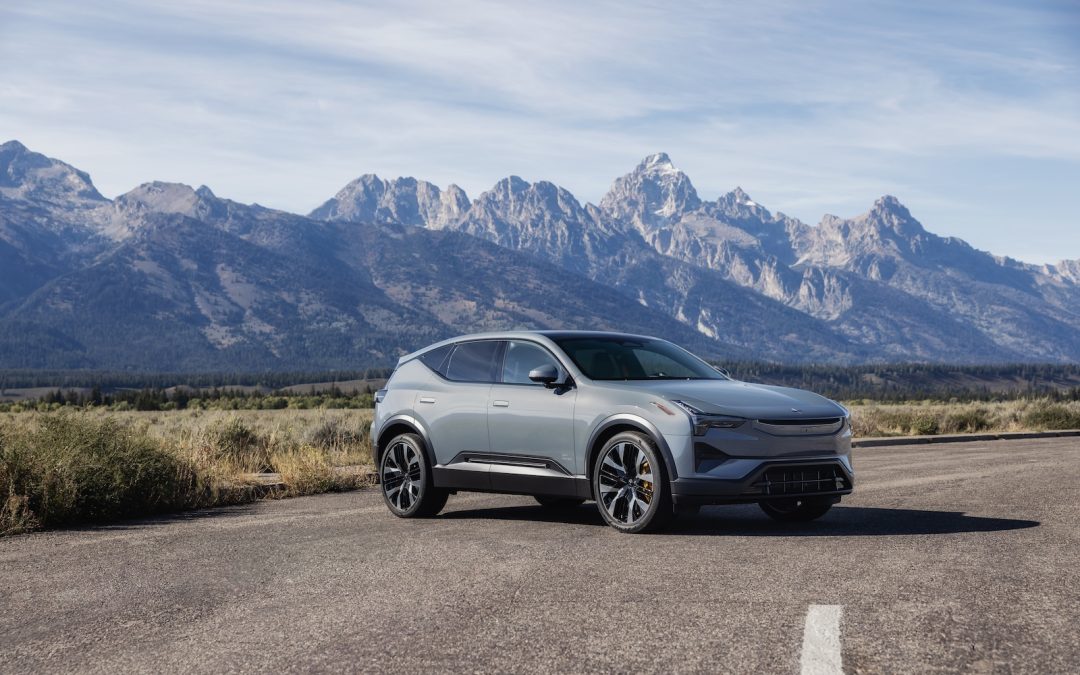
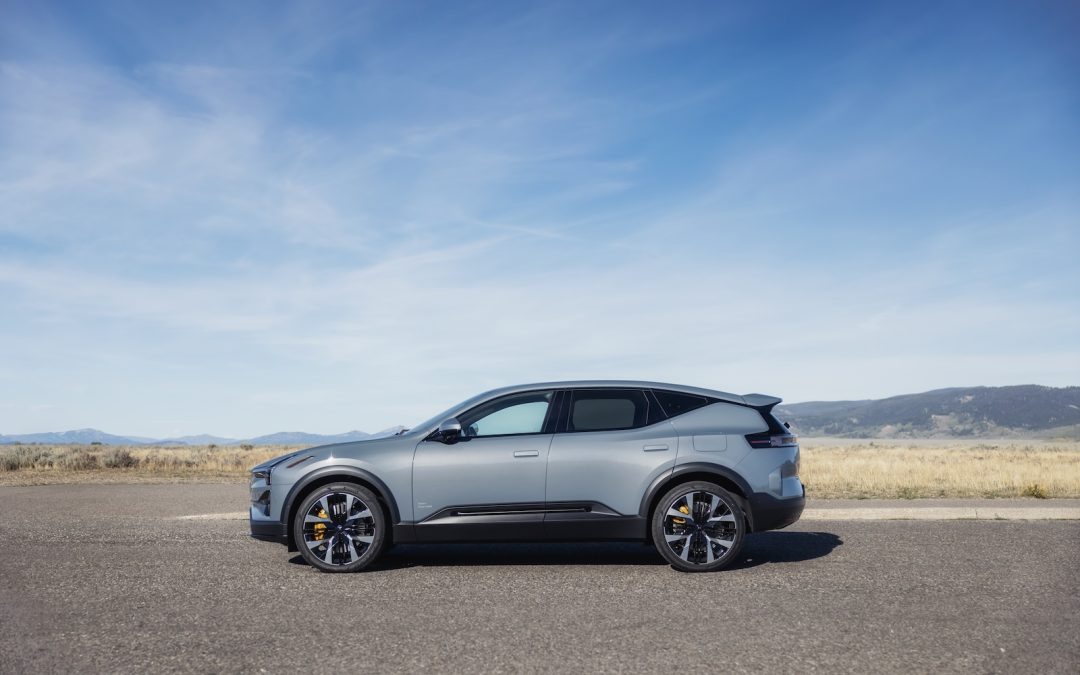
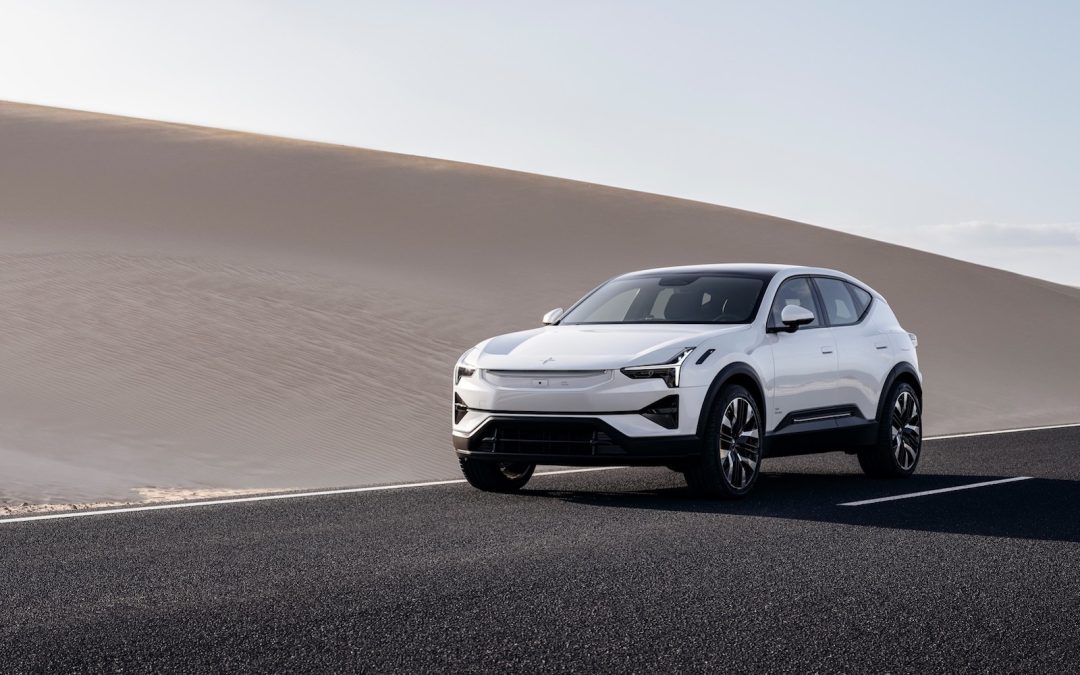
If one thing is certain, Polestar isn’t in a rush when it comes to releasing new models. More than seven years after introducing its first model, the gas-electric Polestar 1, the EV maker is finally rolling out the third entry in its line-up. But is the Polestar 3 the product the Volvo spin-off needs? Here’s our review.
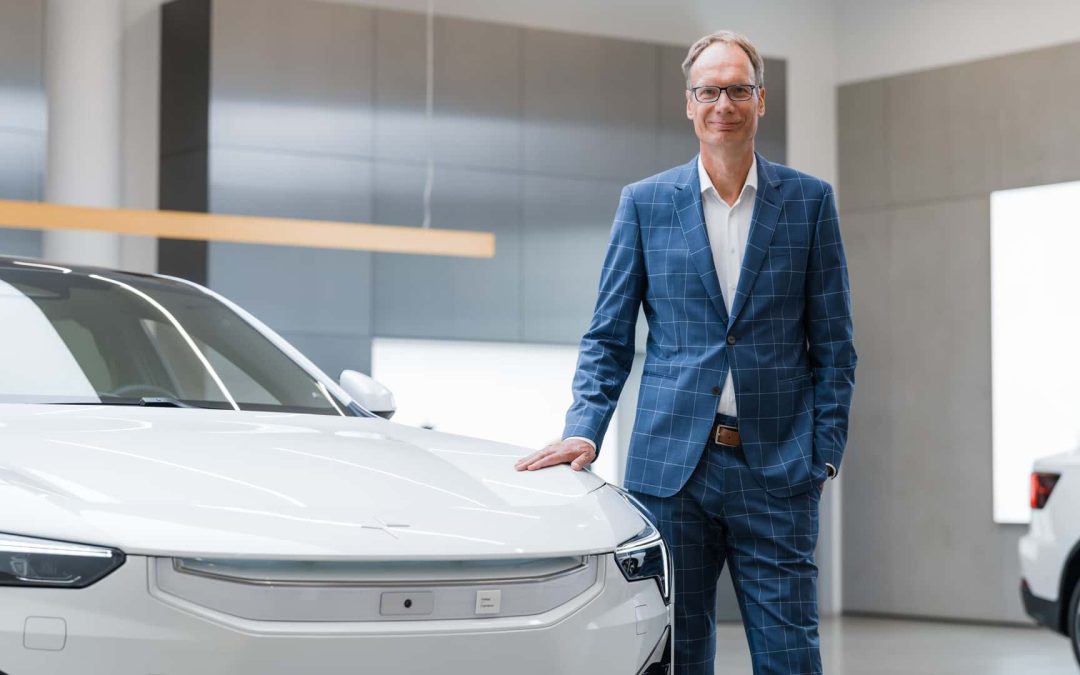
Polestar CEO Thomas Ingelanth resigns from the company as Polestar continues to bleed money and navigate rough waters caused by slumping EV demand and cash burn.
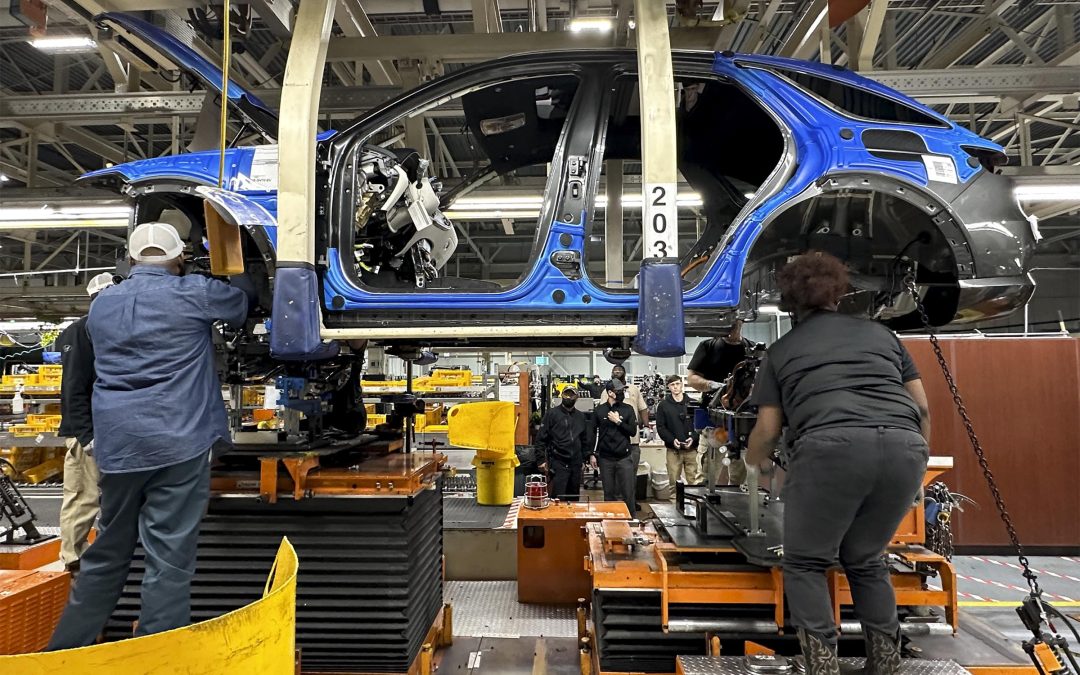
Polestar announces that it has begun U.S. production of Polestar 3 as the brand attempts to avoid tightened U.S. tariffs and reduce its dependency on Chinese facilities for vehicle production.
It’s been four decades since Honda started building Accords at a new plant in Marysville, Ohio. Today, foreign-owned manufacturers are producing more vehicles in the U.S. than Detroit’s Big Three. And the gap is only expected to widen, in part due to local production mandates covering battery-electric vehicles, reports Headlight.News.
Polestar reports increased losses for the 2023 fiscal year as the company faces renewed questions about its long-term future amid struggles with cash burn and slumping EV demand.
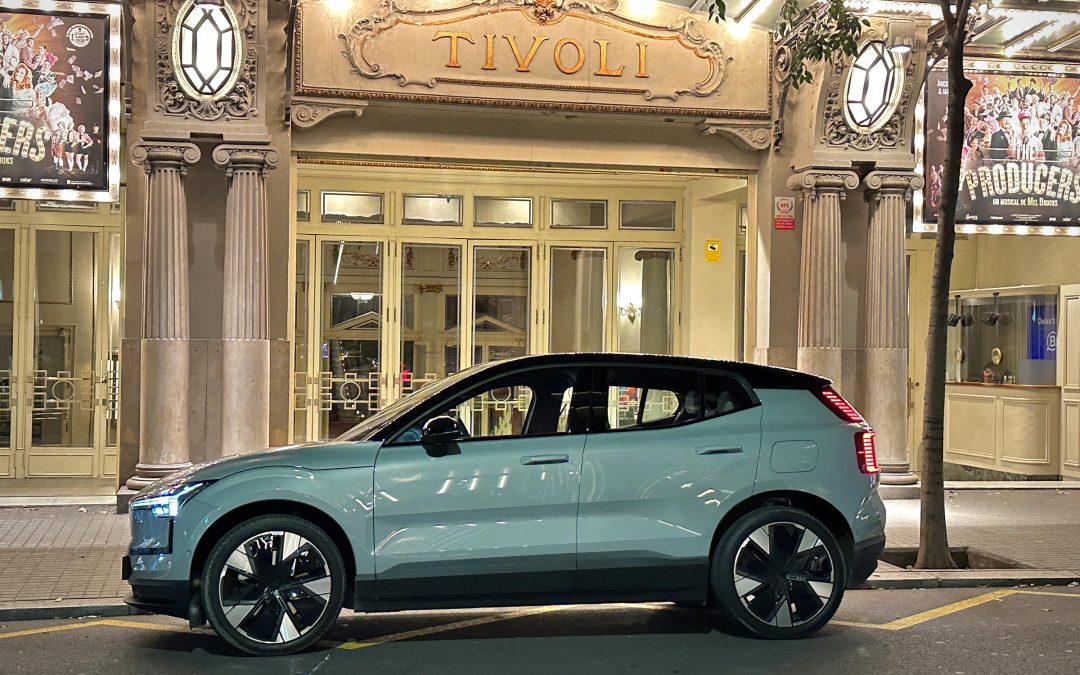
Volvo has “delayed” the U.S. launch of the EX30 battery-electric vehicle due to new tariffs on Chinese-made EVs announced in May by the Biden administration. That delay appears likely to last until at least sometime in 2025 when the automaker plans to begin production of the EX30 at a second plant in Ghent, Belgium.
Among the many obstacles to widespread EV adoption, consumers often cite long charging times. But a new battery breakthrough could make it as quick – and potentially even easier – to charge up an EV as it is to fill a gas tank. A Polestar 5 prototype is going from a 10 to 80% charge in just 10 minutes.
Volvo spinoff Polestar is accelerating its product rollout this year and the New York International Auto Show brings the debut of the new Polestar 4. It’s an all-electric CUV that will be positioned in-between the Polestar 2 and 3 models in terms of size and price.