Stellantis is ordering workers to report back to their offices five days a week. It’s the latest automaker to abandon the work-at-home practices that were put in place nearly six years ago as COVID lockdowns shook up the working world.
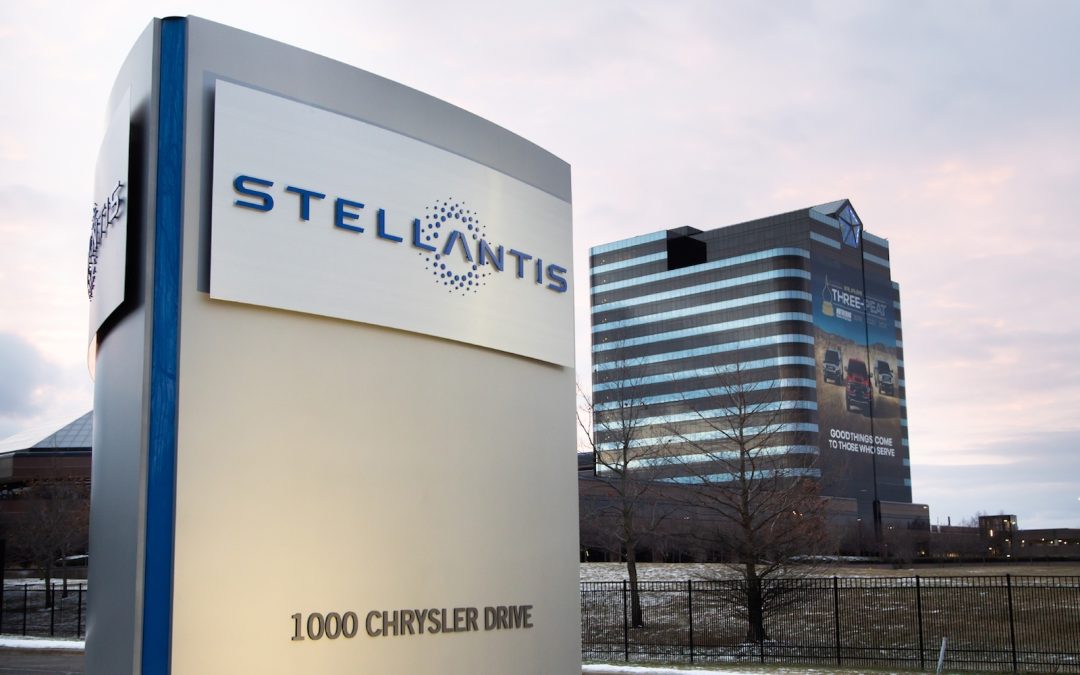

Stellantis is ordering workers to report back to their offices five days a week. It’s the latest automaker to abandon the work-at-home practices that were put in place nearly six years ago as COVID lockdowns shook up the working world.
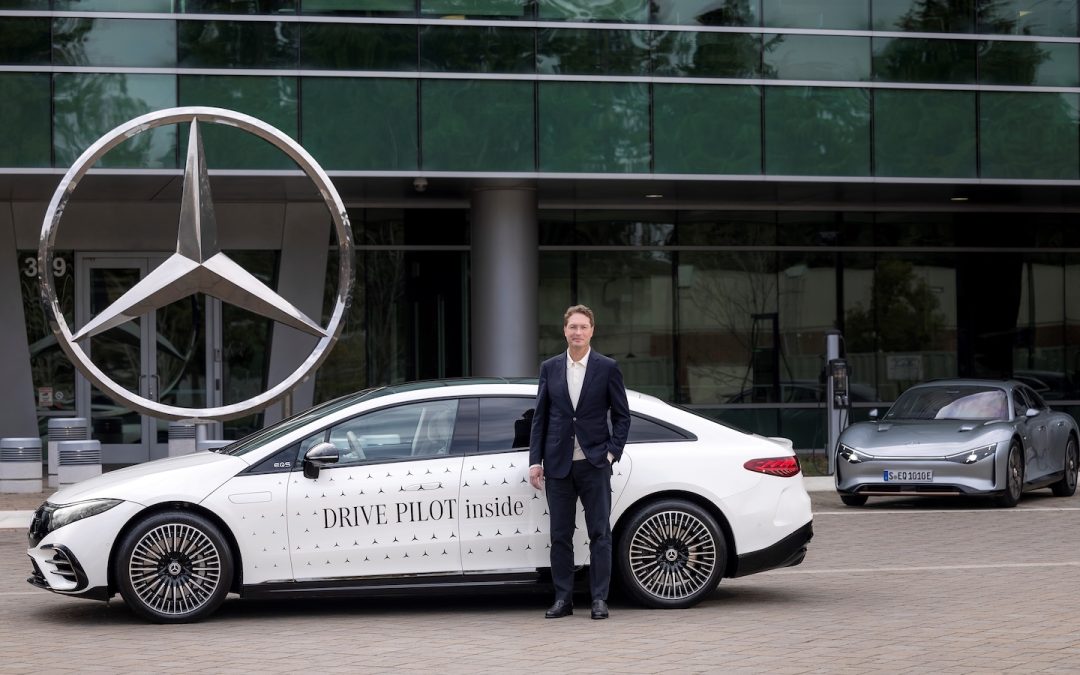
Mercedes-Benz CEO Ola Kallenius rejected pressure from Howard Lutnick, the U.S. Treasury Secretary, to move his company’s headquarters to the United States. But it will increase U.S. production. Headlight.News has more.

In an era when broadcast television seems to be losing its grip, the Super Bowl remains an example of traditional “appointment TV,” something millions of Americans clear their calendars for. And automakers responded by investing millions of dollars to air lavishly produced commercials. That was especially true in the auto industry. Yet, the industry seems to be growing wary and there’ll be only a handful of brands staking a presence during the broadcast of Super Bowl LX, reports Headlight.News.
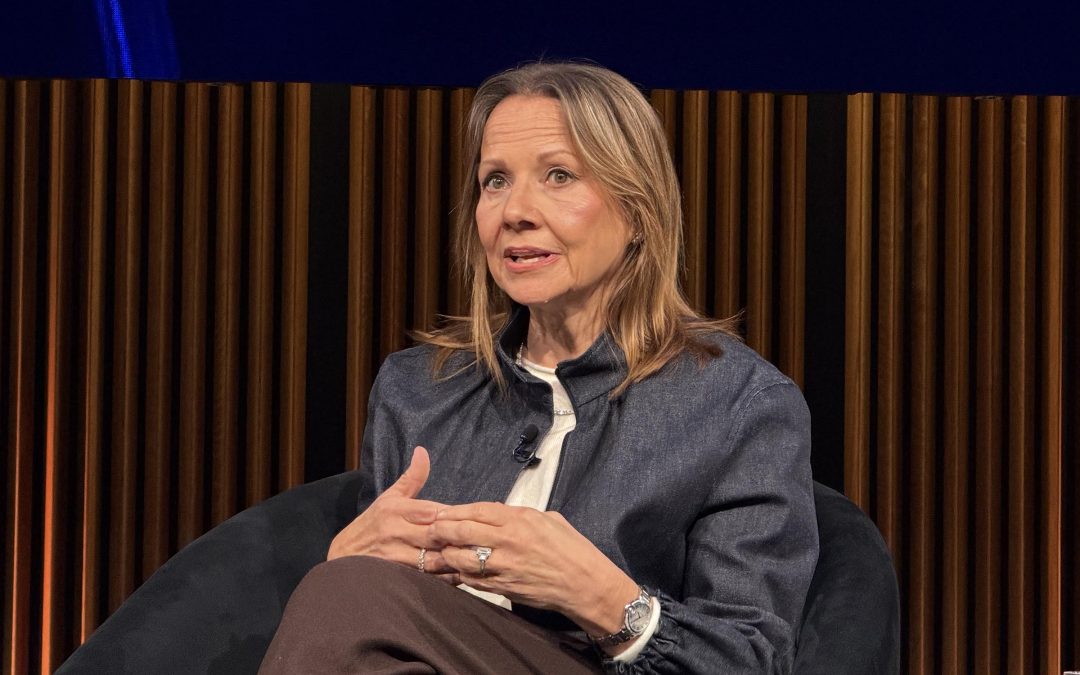
Half empty or half-full? GM managed to beat Wall Street expectations for the fourth quarter of 2025, but still saw revenues tumble by more than 5%. And with North America largely responsible for that dip, union workers will see their own profit-sharing checks fall for the year. As Headlight.News reports, GM CEO Mary Barra promised to deliver a big upturn in 2026.
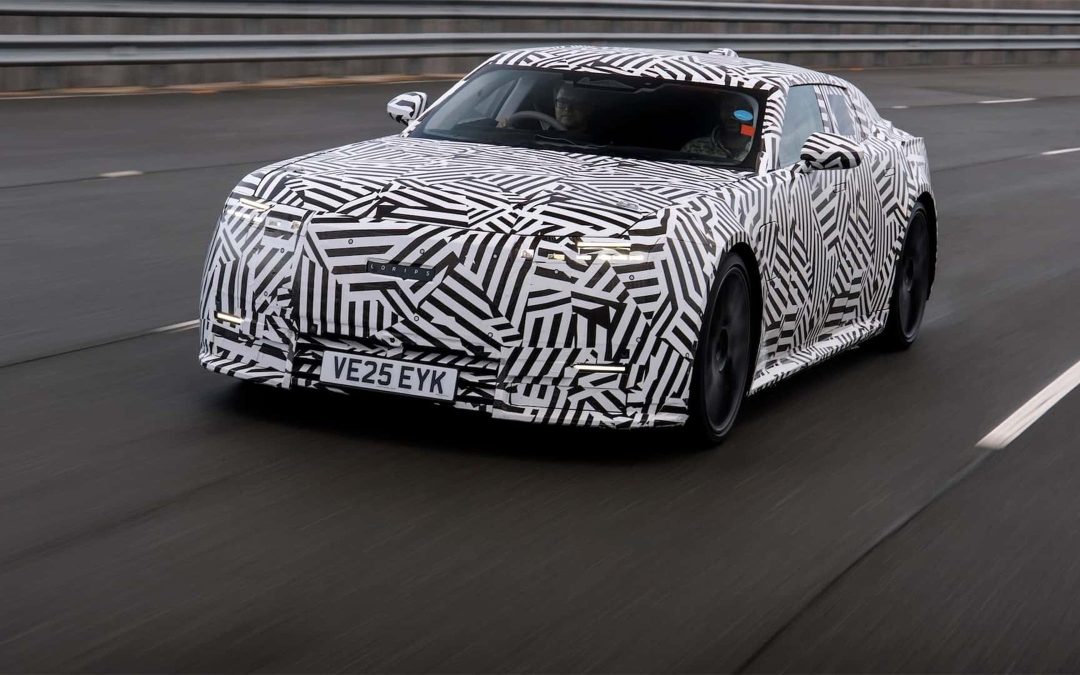
But for a handful of EV-only brands like Tesla, most automotive brands have been rethinking their electrification strategies to reflect shifting government regulations and consumer demand. Add the Jaguar half of JLR which, according to a new report, is backing off its all-EV strategy as it works up a range-extender option for the new Typee 00 model due to debut about a year from now. More from Headlight.News.
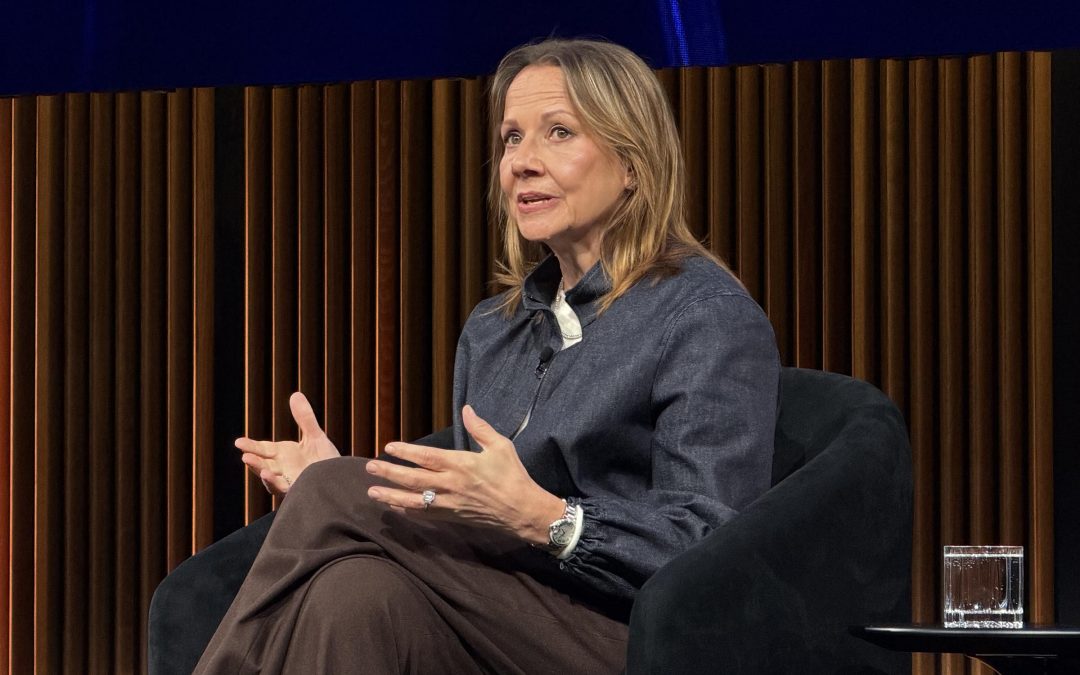
Don’t write off EVs, not according to Mary Barra. The General Motors Chairman and CEO says her “path to an all-electric future” may take longer than expected but still believes motorists will come to recognize they’re better vehicles than those using internal combustion engines. Meanwhile, the 64-year-old executive told reporters she’s still enjoying her job, a subtle way of saying she’s not in a rush to retire, even though only one other executive in GM history was on the job as long. Headlight.News has more.
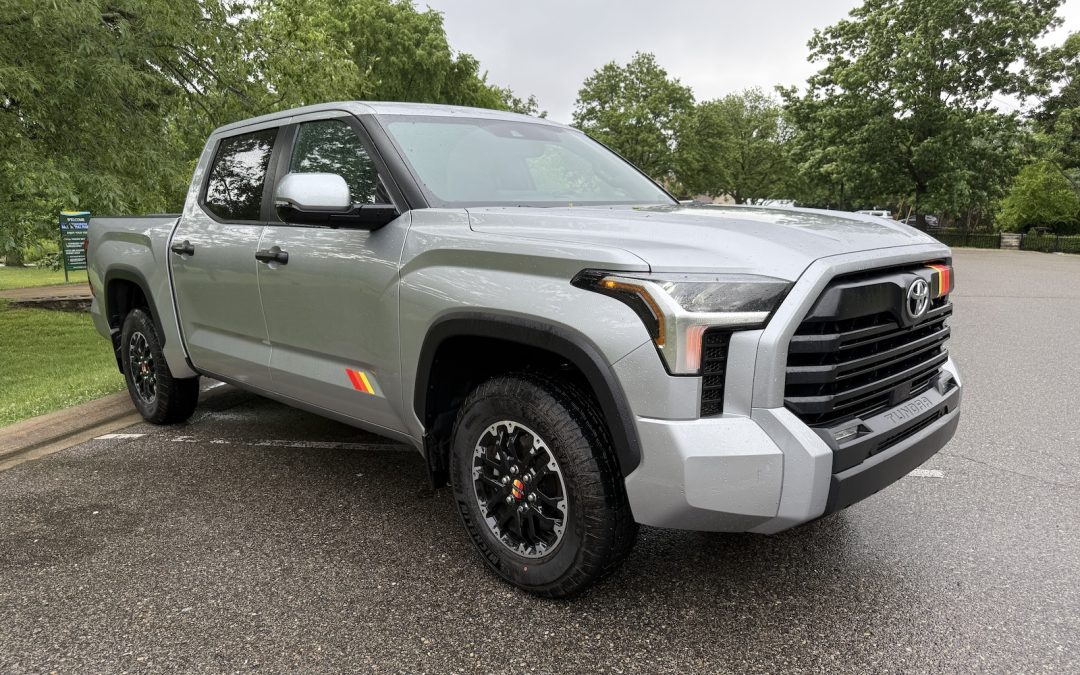
Tens of millions of American motorists were told to bring their vehicles in for repairs last year as recalls surged to near-record levels. In fact, Ford ordered more safety service actions than any other automaker in history in 2025. But other brands, some traditional known for quality and reliability, including Toyota and Honda, also racked up the recall notices for problems ranging from faulty backup cameras to failing engines and transmissions. Here are the 10 brands with the highest recall counts in 2025.
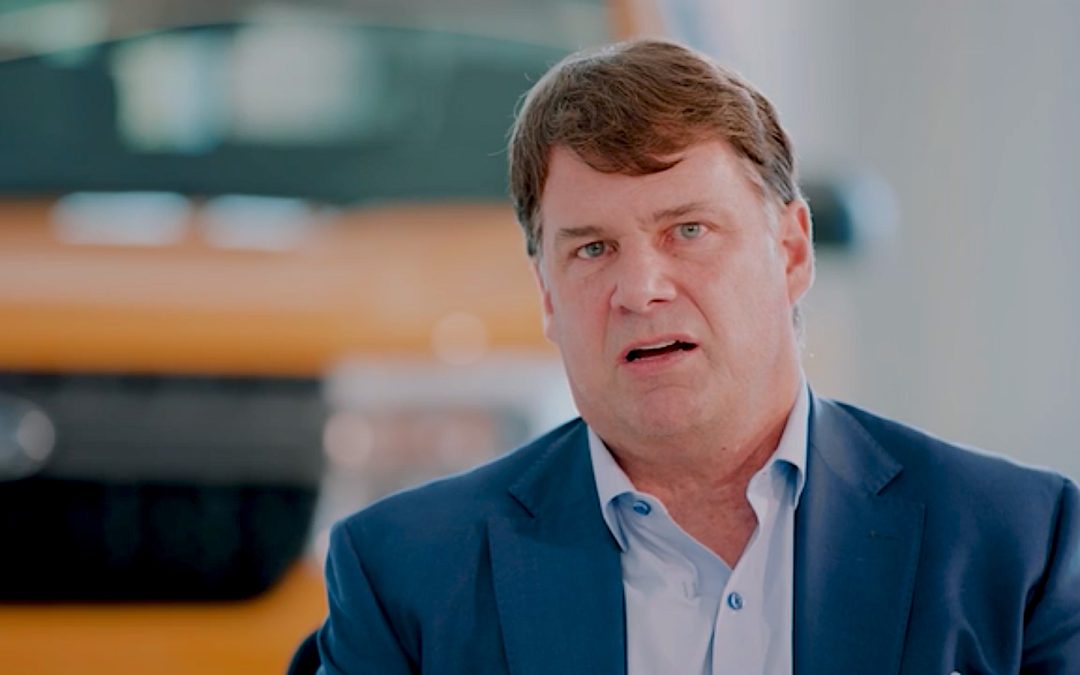
The U.S. Senate postponed a hearing originally set for next week to look into why automotive prices have surged to record levels. The delay was requested by Ford CEO Jim Farley who, in turn, came under fire from Texas Republican Ted Cruz. More from Headlight.News.
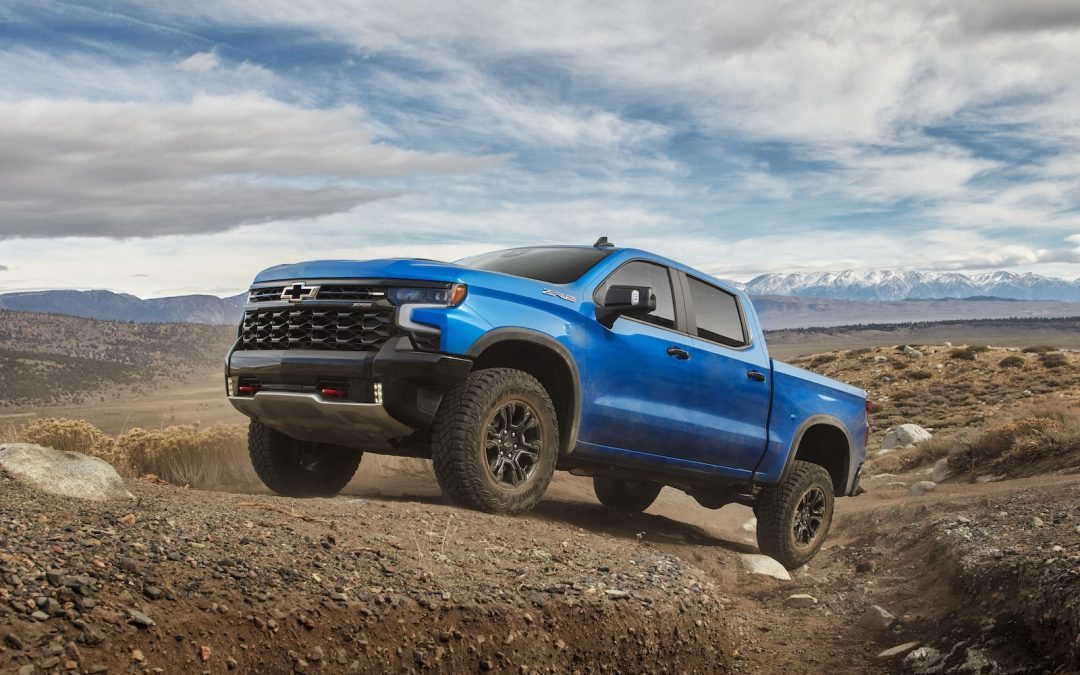
The U.S. new vehicle market ended on a high note for 2025. But a closer look reveals how rising prices and tariffs and other trade-related issues are beginning to exert downward pressure as we enter the new year. Headlight.News has more.
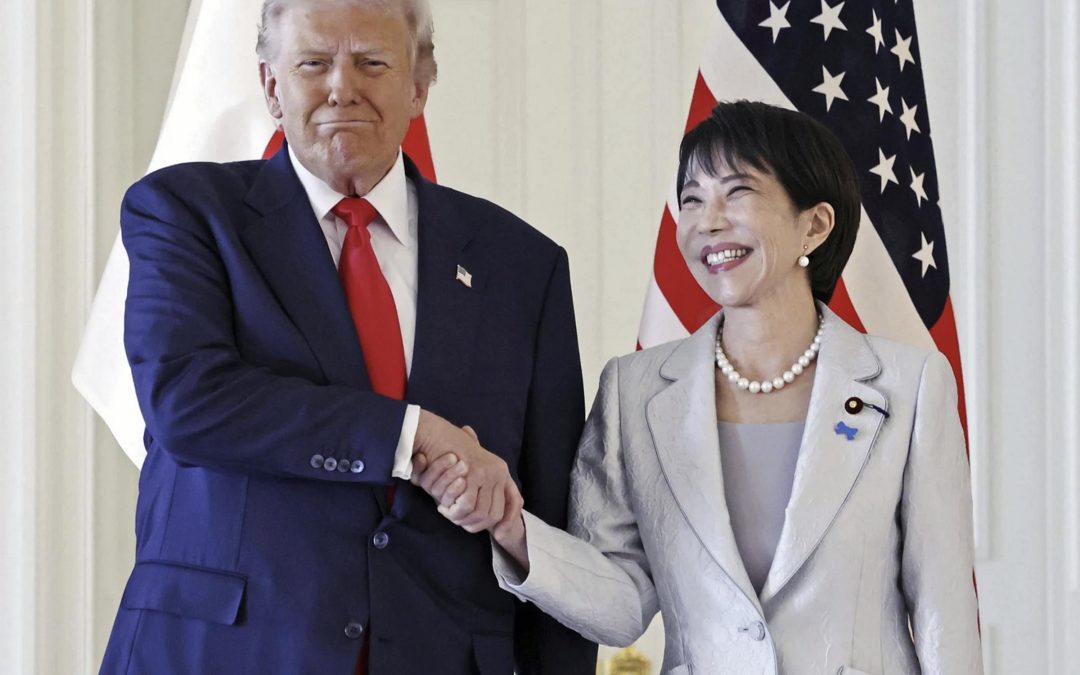
Trump, tariffs and trade barriers. EVs disconnected. Autonomy and hackers. Elon Musk’s very good/very bad year. And affordability. Oh, yes, 2025 brought a series of significant developments to the automotive market. Here are the top 5 stories from the past year as picked by Headlight.News editors.
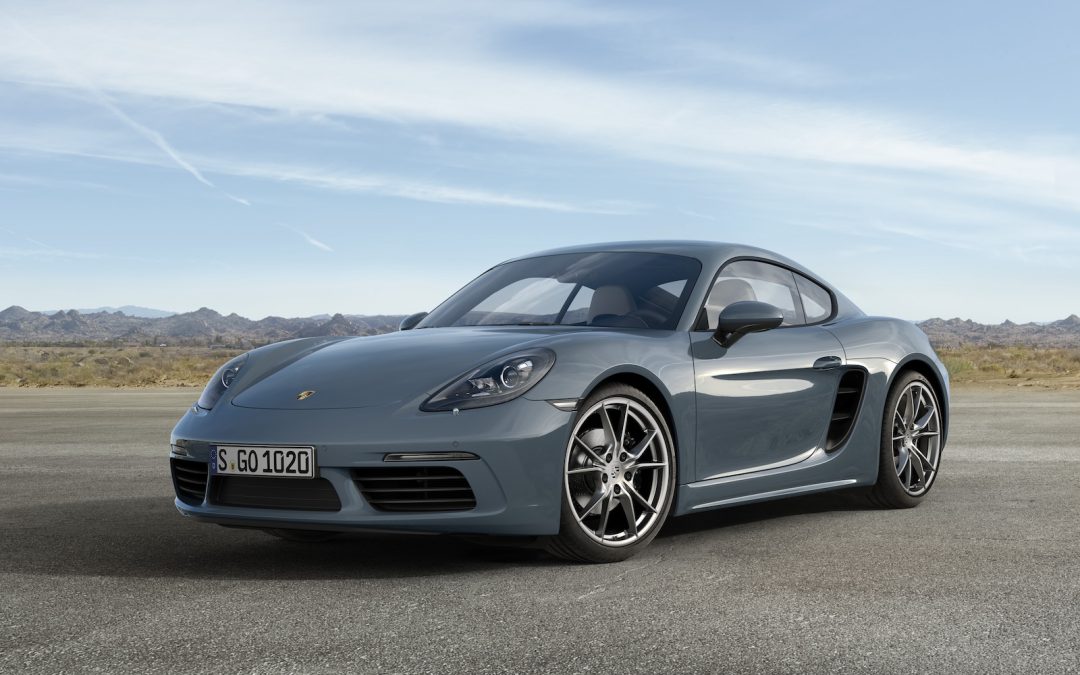
Even the most popular vehicles eventually succumb to shifting market conditions. And there are plenty of products that fail to connect with buyers in the first place. Here’s a look at the nameplates that won’t survive into 2026 – though several of these just might make a comeback in the not-too-distant future. More from Headlight.News.
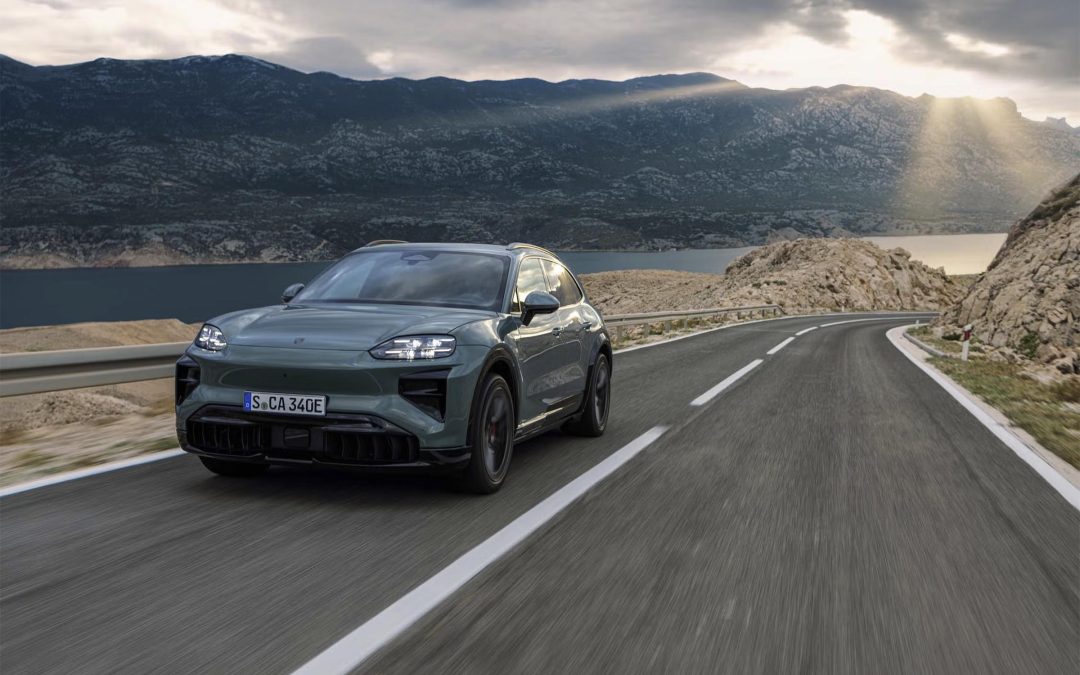
Expect to pay more for that new Porsche next month, the German automaker advising dealers it will start passing on more of the cost of the tariffs Pres. Donald Trump has put in place on imported autos. Porsche isn’t alone, however, a growing number of brands are raising already record-high prices to cover those new duties, even on domestically made products due to the cost of imported parts and components, reports Headlight.News.